Directing
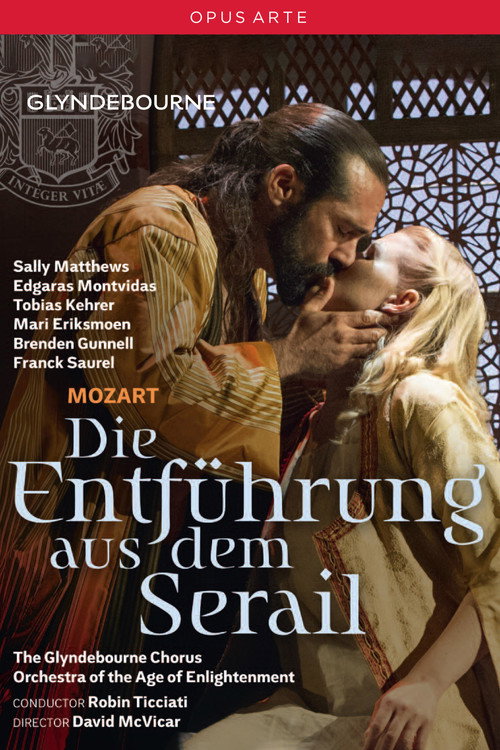
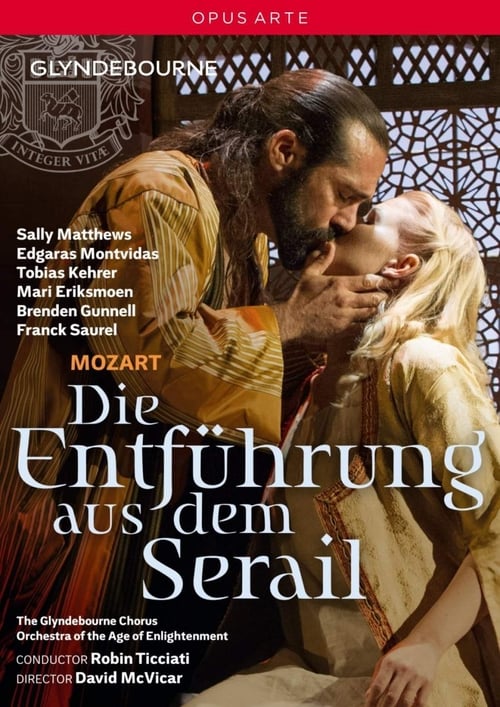
In the 18th century, in the palace of Pasha Selim, in a purely imaginary Turkey. Belmonte, a young Spanish nobleman, is searching for his fiancée, Constance, who has been captured by pirates and sold to Pasha Selim. Blonde, Constance’s English maid, and her lover Pedrillo, Belmonte’s servant, have suffered the same fate and are at the mercy of the cruel Osmin, the seraglio’s guardian. Belmonte and Pedrillo devise a plan to rescue Constance, who is determined to die rather than succumb to the advances of Pasha Selim, who is eager to win the heart of his beautiful captive. ‘The Abduction from the Seraglio’ (‘Die Entführung aus dem Serail’ K.384) is a three-act singspiel by Wolfgang Amadeus Mozart, with a German libretto by Gottlieb Stephanie, based on the play by Christoph Friedrich Bretzner. It premiered at the Burgtheater in Vienna on 16 July 1782, conducted by the composer. Recorded live at Glyndebourne Festival, July 19, 2015.
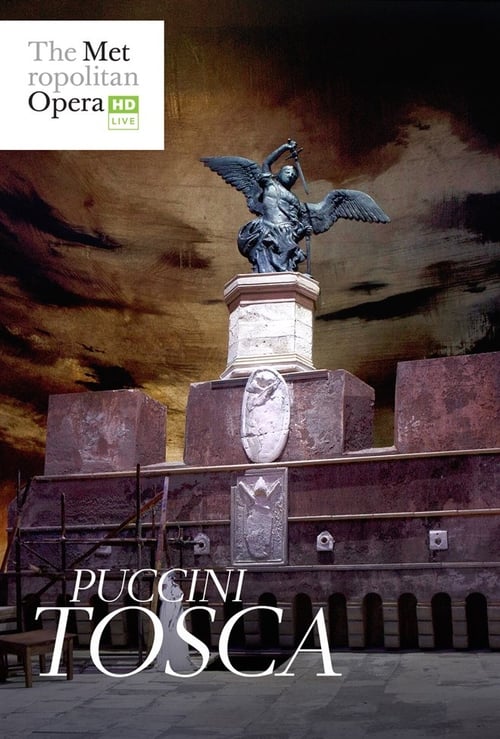
Sir David McVicar’s bold new staging of Tosca, Puccini’s operatic thriller of Napoleonic Rome, thrilled Met audiences when it rang in the New Year in 2018. Only weeks later, the production was seen by opera lovers worldwide as part of the Met’s Live in HD series of cinema presentations. In this performance, Bulgarian soprano Sonya Yoncheva is the passionate title diva, opposite charismatic tenor Vittorio Grigolo as her lover, the idealistic painter Mario Cavaradossi. Baritone Željko Lučić is the menacing Baron Scarpia, the evil chief of police who employs brutal tactics to ensnare both criminals and sexual conquests. On the podium, Emmanuel Villaume conducts the electrifying score, which features some of Puccini’s most memorable melodies.
No description available.
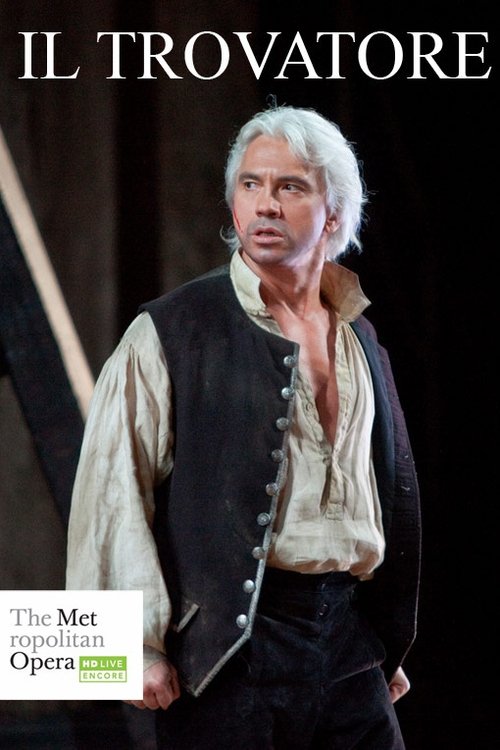
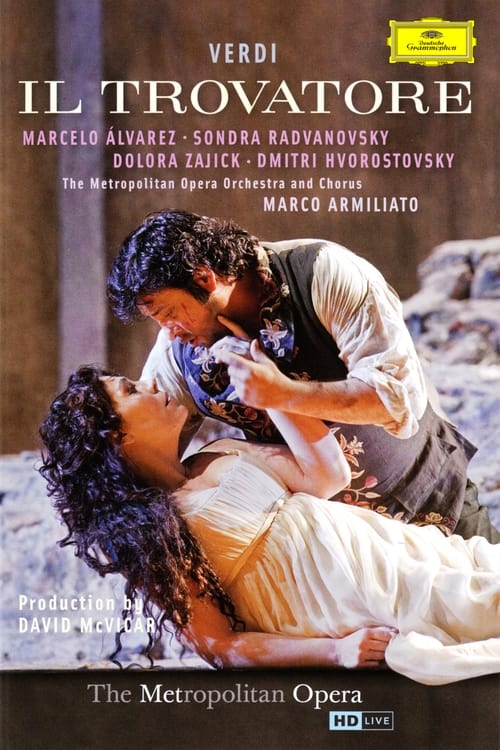
Soprano Anna Netrebko appears in her highly anticipated Met role debut as Leonora, the tortured heroine who sacrifices her own life for the love of the Gypsy troubadour. Dmitri Hvorostovsky sings Count di Luna, Yonghoon Lee is Manrico in his Met role debut as the title character, Dolora Zajick sings her signature role of the gypsy Azucena, and Štefan Kocán is Ferrando. Marco Armiliato conducts Sir David McVicar’s Goya-inspired production.
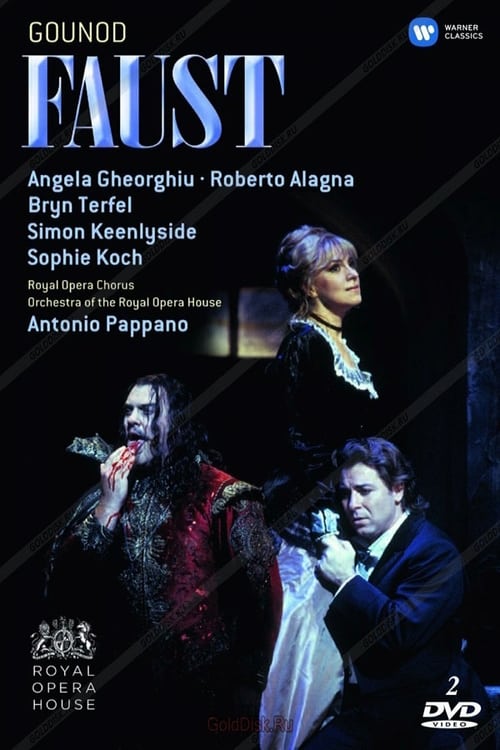
David McVicar's spectacular production of Charles Gounod’s Faust, featuring a divine cast of opera’s superstars: Roberto Alagna, Angela Gheorghiu, Bryn Terfel, Simon Keenlyside and Sophie Koch – recorded at the Royal Opera House, Covent Garden on 19 June 2004.
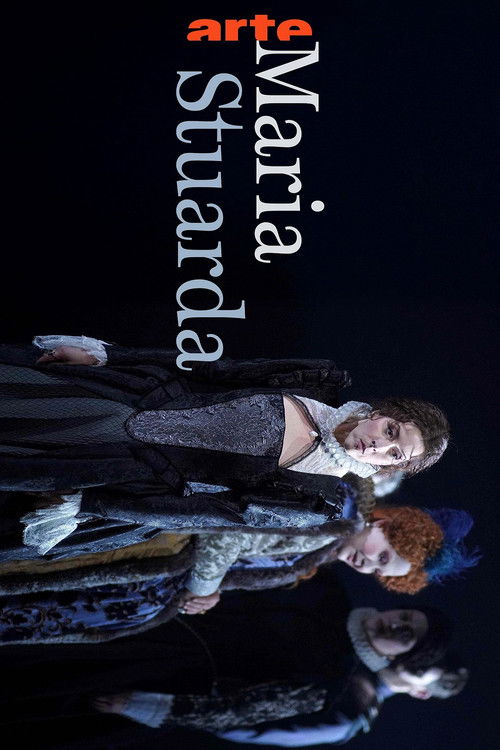
A masterpiece of bel canto at the Teatro Real in Madrid: conductor José Miguel Pérez-Sierra and director David McVicar take on Donizetti’s Maria Stuarda, with Lisette Oropesa in the title role.
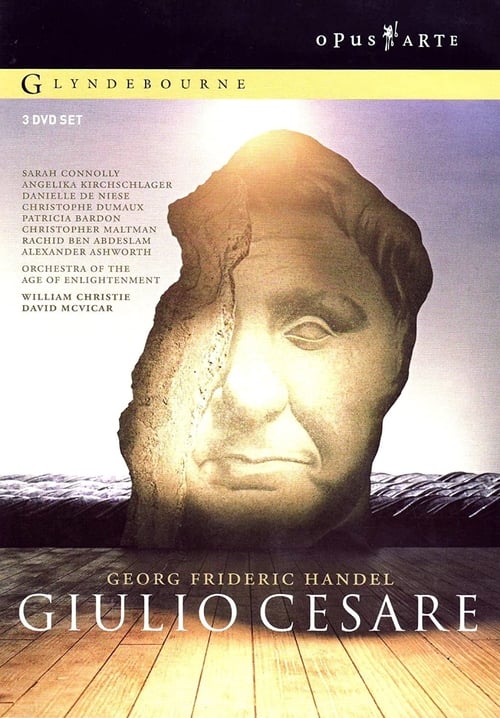
David McVicar’s production of Giulio Cesare manages to combine serious insight with entertainment, bringing Handel's masterpiece to life in a powerful, convincing and highly intelligent way. ln every line of the complex narrative the subtle nuances are apparent, reflecting perfectly the transparent and exquisite nature of Handel's musical expression. Filmed in High Definition and recorded in true surround sound, the outstanding singing of the all-star cast, led superbly by Sarah Connolly, and the vivid playing of the Orchestra of the Age of Enlightenment under the energising baton of William Christie reveal the colour and dramatic character of Handel’s music in a most delightful manner.
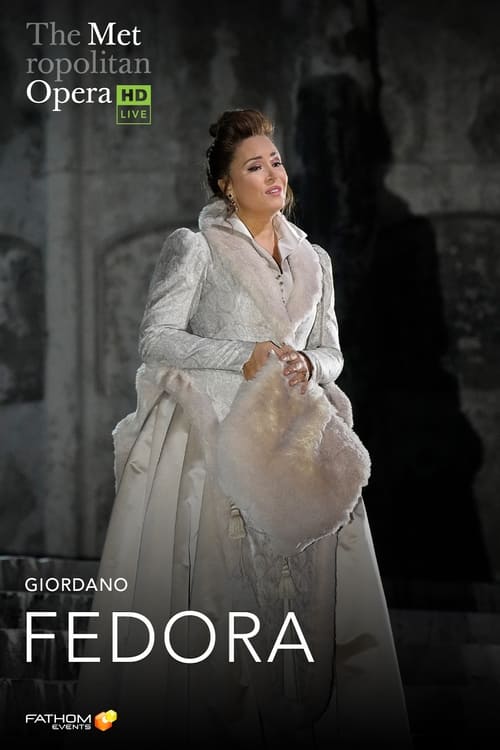
Umberto Giordano’s exhilarating drama returns to the Met repertory for the first time in 25 years. Packed with memorable melodies, showstopping arias, and explosive confrontations, Fedora requires a cast of thrilling voices to take flight, and the Met’s new production promises to deliver. Soprano Sonya Yoncheva, one of today’s most riveting artists, sings the title role of the 19th-century Russian princess who falls in love with her fiancé’s murderer, Count Loris, sung by star tenor Piotr Beczała. Soprano Rosa Feola is the Countess Olga, Fedora’s confidante, and baritone Artur Ruciński is the diplomat De Siriex, with much-loved Met maestro Marco Armiliato conducting. Director David McVicar delivers a detailed and dramatic staging based around an ingenious fixed set that, like a Russian nesting doll, unfolds to reveal the opera’s three distinctive settings—a palace in St. Petersburg, a fashionable Parisian salon, and a picturesque villa in the Swiss Alps.
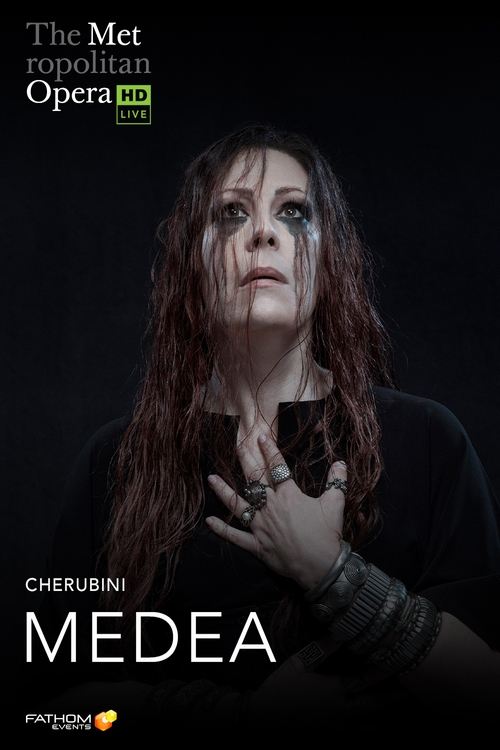
Having triumphed at the Met in some of the repertory’s fiercest soprano roles, Sondra Radvanovsky stars as the mythic sorceress who will stop at nothing in her quest for vengeance. Joining Radvanovsky in the Met-premiere production of Cherubini’s rarely performed masterpiece is tenor Matthew Polenzani as Medea’s Argonaut husband, Giasone; soprano Janai Brugger as her rival for his love, Glauce; bass Michele Pertusi as Glauce’s father, Creonte, the King of Corinth; and mezzo-soprano Ekaterina Gubanova as Medea’s confidante, Neris. Carlo Rizzi conducts.
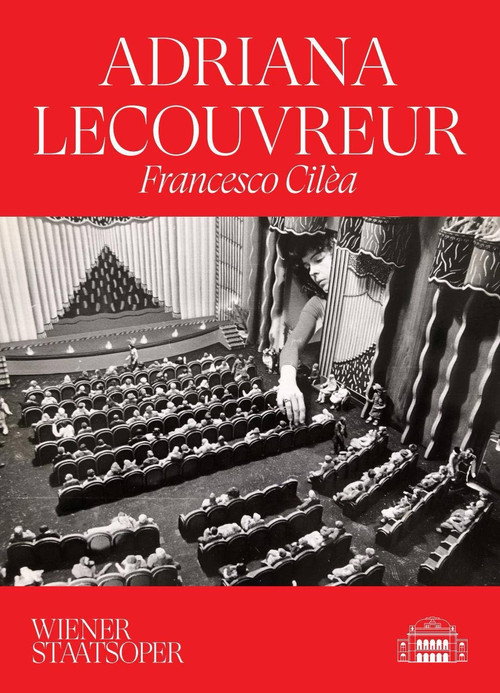
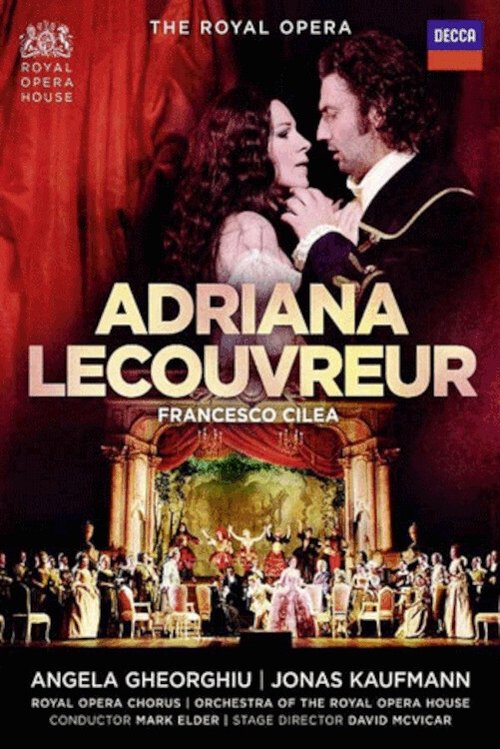
Starring Angela Gheorghiu as the celebrated French actress Adriana Lecouvreur and Jonas Kaufmann as her lover Maurizio, Count of Saxony, Cilea s verismo drama explores celebrity, romance, jealousy, and death. The trio of sublime voices is completed by Russian mezzo-soprano Olga Borodina as Adriana s jealous rival, the Princess de Bouillon. David McVicar s hit production the first performance of the opera at the Royal Opera House, Covent Garden for more than a century presents the life of the French actress as a blurring of the distinction between fantasy and reality. The action revolves around a life-size Baroque Theatre, taking us from the bustle and colour of the first act backstage at the playhouse, to the bare final scenes as the drama reaches its fatal climax.
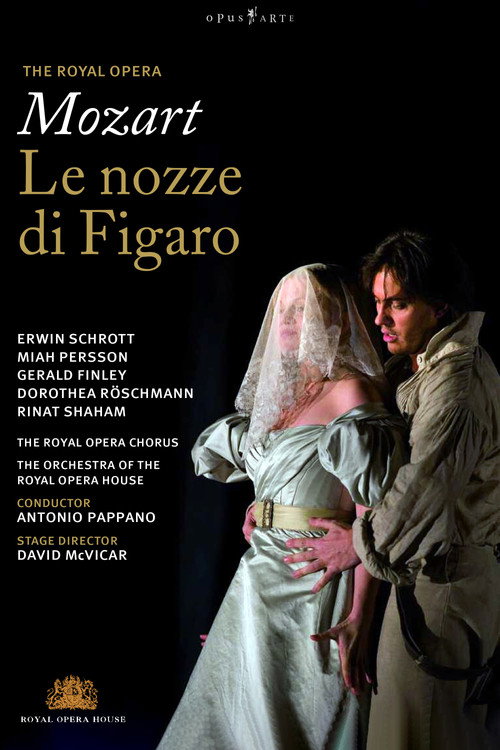
David McVicar's spellbinding production of LE NOZZE DI FIGARO is set in 1830s post-revolution France, where the inexorable unravelling of an old order has produced acute feelings of loss. In the relationship between Finley's suave, dashingly self-absorbed Count and Röschmann's passionately dignified Countess, which lies at the tragic heart of the opera, the sexy ease between a feisty Figaro (Erwin Schrott) and a sassy Susanna (Miah Persson) is starkly absent, the tenacious spark between Marcellina (Graciela Araya) and Bartolo (Jonathan Veira) suggesting what might be rekindled. The production is superbly complemented by the beauty of Paule Constable's lighting and Tanya McCallin's evocative sets. Antonio Pappano conducts (and accompanies the recitatives) with invigorating wit and emotional depth.
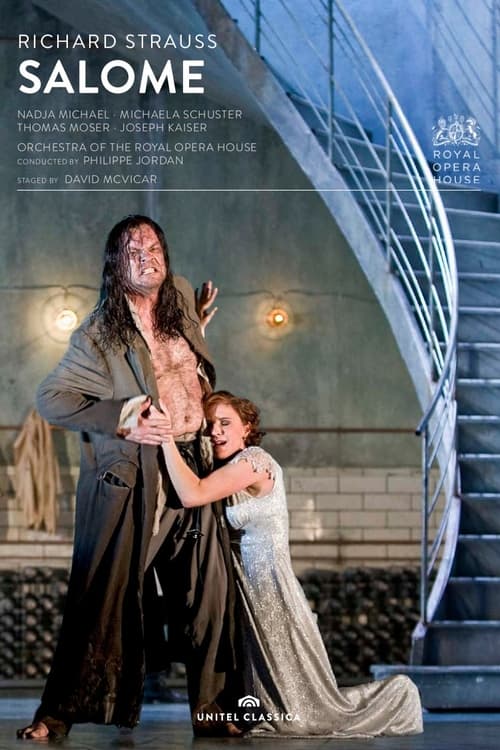
David McVicar’s powerful Royal Opera House 2008 production of Strauss's opera – based on a play by Oscar Wilde – takes the controversial and disturbing film 120 Days of Sodom as its visual reference. The action is set in a debauched palace, which has suggestions of Nazi Germany. Strauss’s ravishing and voluptuous score adds to the sexual alchemy that is conjured by an international cast led by Nadja Michael in the title role.
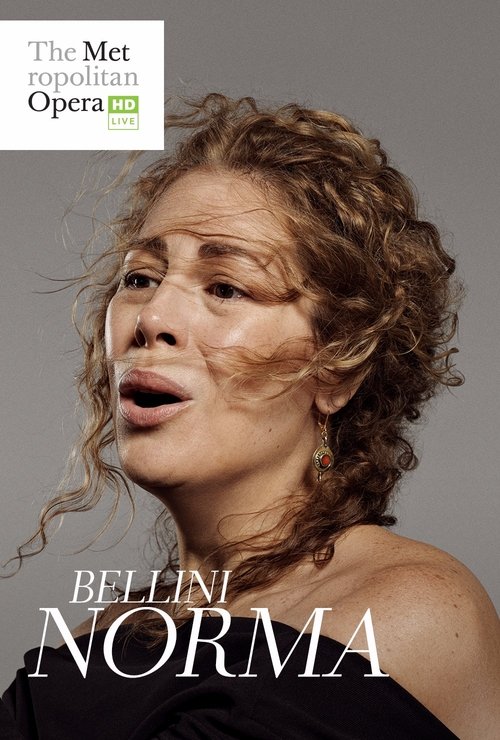
Deep in a forest where druids and warriors seek revenge against the conquering Romans, Norma is scorned by the Roman proconsul Pollione, with whom she has two children. Her kindness turns to fury when she discovers that Pollione has taken Adalgisa, a novice priestess, as his new lover. When Pollione loses his high rank in the army and is offered as a sacrifice, Norma promises him freedom under one condition.
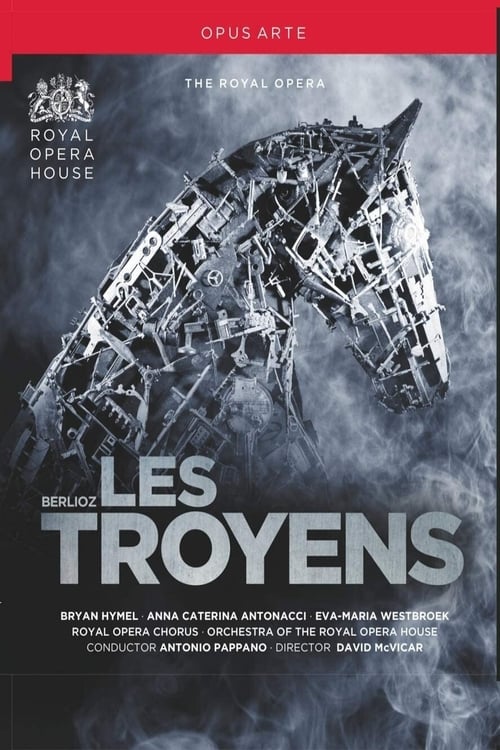
After the destruction of Troy, the Trojan warrior Énée sets out on a journey to found a new dynasty. He meets Didon, Queen of Carthage, and falls in love. But will Énée's love for Didon prove stronger than his sense of duty? LES TROYENS ('The Trojans') is a tour de force of music that ranges from fiery military marches to intense choruses, passionate soliloquies – such as those of the prophetess Cassandre – and the lyrical love duets of Didon and Énée. It is Hector Berlioz's largest work and he wrote the libretto himself, drawing upon his intimate knowledge of Virgil's Aeneid. To the composer's disappointment, LES TROYENS was only performed once in full during his lifetime and was often presented in shortened form during the 20th century. The Royal Opera's production provides a rare chance to see this epic work in its entirety. David McVicar's staging is on an enormous scale, assembling one of the largest casts ever seen at Covent Garden.
Verdi’s IL TROVATORE again storms the Met stage in a star-studded, anvil-wielding cast , including Sondra Radvanovsky, Dolora Zajick and Dmitri Hvorostovsky. Marcelo Álvarez sings Manrico, the troubadour of the title. The story is well-known already: The gypsy Azucena has harbored a grudge for thirty years, but she is about to have revenge at last. Meanwhile, her son Manrico is in love with Leonora, but so is his arch-enemy, the Count Di Luna. A pot-boiler, where every tune is a hit.
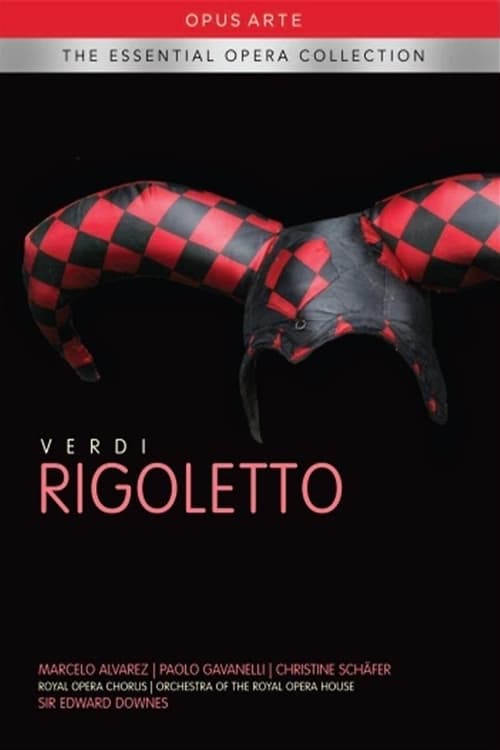
Live recording at Royal Opera House, 22 September, 2001. Television live relay. In one of the Royal Opera’s most celebrated and popular productions, director David McVicar mixes lavish historical costumes and dark stylized settings to highlight the savagery and excitement of Verdi’s tale of misdirected revenge. Paolo Gavanelli is vocally and theatrically electrifying as the hunchback anti-hero, acclaimed soprano Christine Schäfer is his doomed daughter, and superstar tenor Marcelo Alvarez is her fickle lover. With superb playing from the Orchestra of the Royal Opera House, it adds up to a thrilling Rigoletto for both opera aficionados and newcomers.
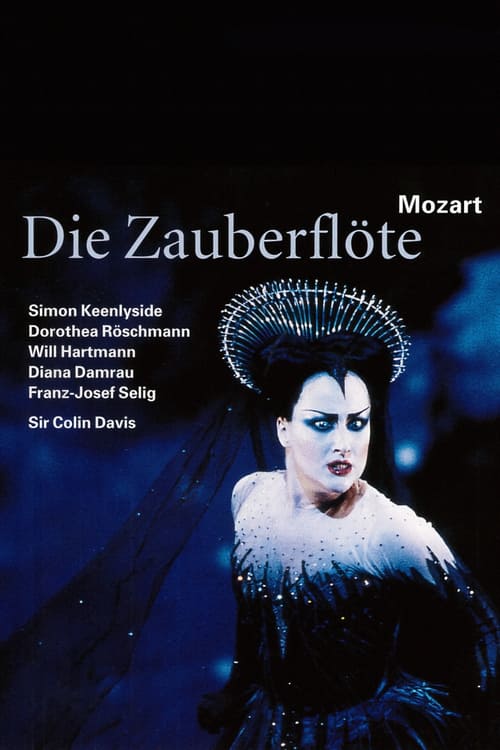
The Queen of the Night enlists a handsome prince named Tamino to rescue her beautiful kidnapped daughter, Princess Pamina. Aided by the lovelorn bird hunter Papageno and a magical flute that holds the power to change the hearts of men, young Tamino embarks on a quest for true love, leading to the evil Sarastro's temple where Pamina is held captive. The internationally renowned Mozart interpreter Sir Colin Davis conducts the chorus and orchestra of the Royal Opera House and a glittering cast in David McVicar's 2003 production of the opera Mozart wrote in the final year of his life, recorded live at Covent Garden.
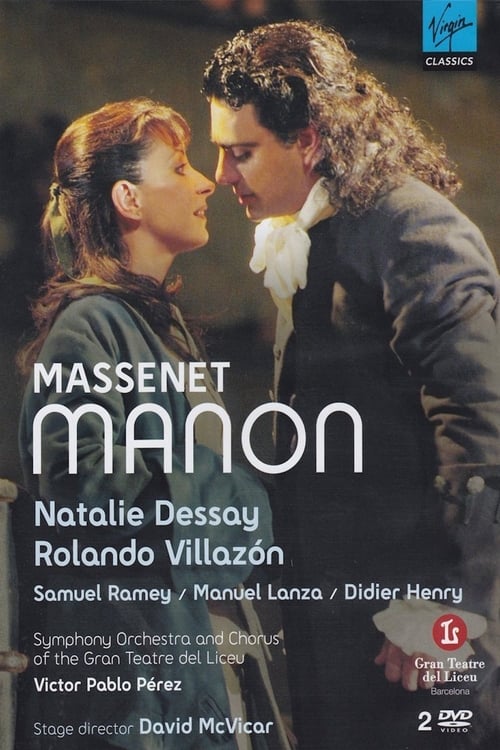
Natalie Dessay and Rolando Villazón bring Jules Massenet's classic opera to the stage in this dazzling production. In 18th-century France, Manon (Dessay) faces life as a nun, despite catching the eye of many men. When she meets the handsome but penniless des Grieux (Villazón), she falls deeply in love. The pair elopes, but their future together is threatened by outside forces.