Directing
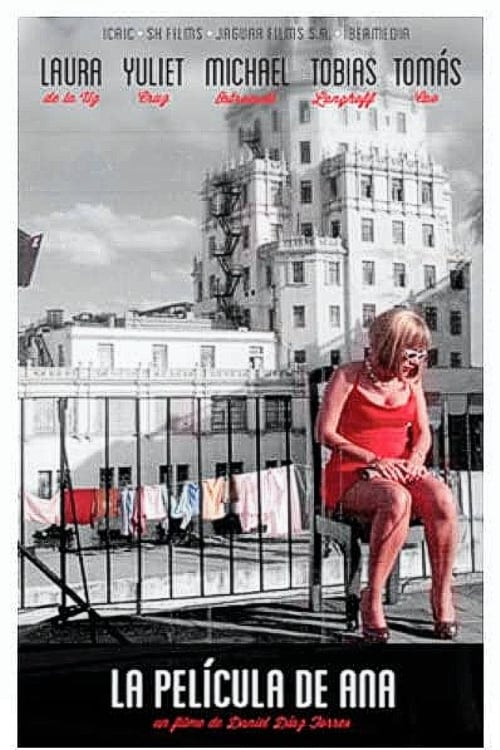
Ana is a telenovela actress but because of financial troubles resorts to producing a prostitution documentary under false pretences.
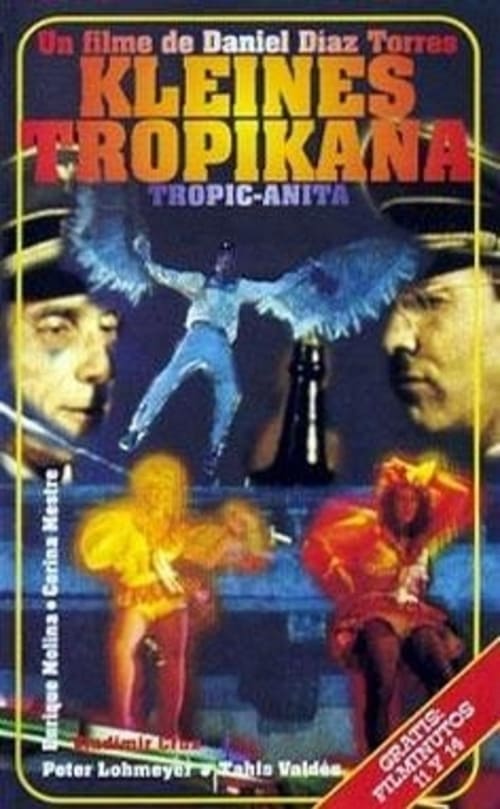
Revolves around a love triangle that later evolves into a love square involving three Cubans and a Soviet soldier. Set in a fictitious rural village near a Soviet military base in central Cuba, their amorous adventures, or misadventures, unravel against the backdrop of the 1962 Cuban missile crisis.
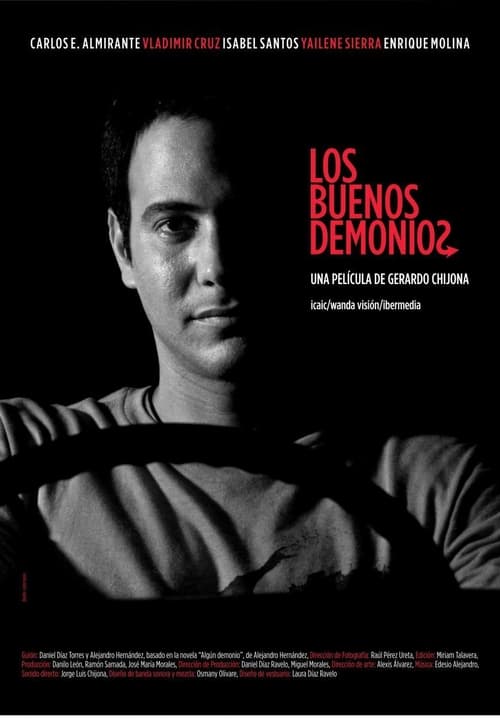
Tito is 23 years old with a mother who loves him and a car that allows him to earn an honest living. His neighbors see him as a formal and educated boy. Nobody knows that behind that façade hides someone with a nihilistic vision of life. And that involves committing terrible acts for which he may have to pay someday. But Tito does not care about the future. There is only the present.
No description available.
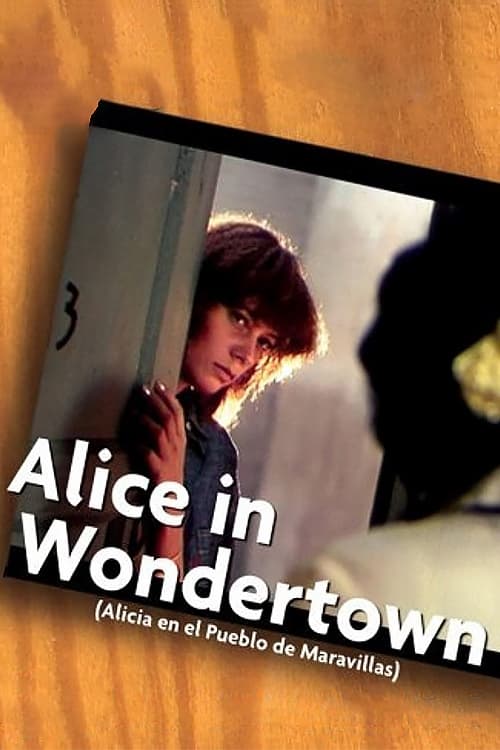
A biting satire about life in contemporary Cuba. Alicia, a young drama instructor, is sent to the small town of Maravillas de Noveras, which is itself an exaggerated, but very ingenious reflection of the real Cuba. Her adventures there are almost as surreal as the ones experienced by Lewis Carroll's character, reflecting patterns of indoctrination, coercion, absolutism, and many other everyday problems in Cuban society.
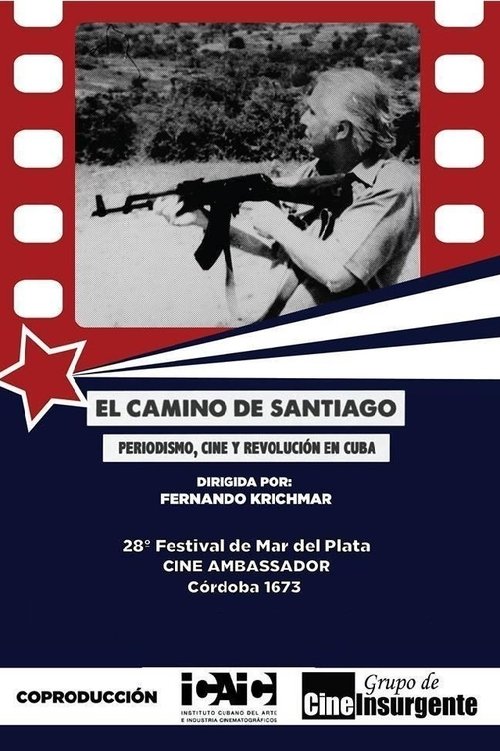
Through the files of Cuban cinema news program Noticieros ICAIC Latinoamericanos, the documentary shows the most relevant events of the second half of the 20th century as seen by the documentary filmmakers of the island. During three decades and under the general direction of Santiago Álvarez, these moviemakers witnessed almost everything: from the shivers of the Cold War to Bola de Nieve's piano solos; from the discovery of the killing fields in Cambodia to the Carnation Revolution in Portugal. In 2009, the original negatives of Noticieros ICAIC Latinoamericanos were declared part of the "world memory" by UNESCO.
It reflects the transformation which a woman undergoes in the crisis of personal fulfillment that her husband is going through. In the middle of a complex process, marked by contradictions and failures, she will grow and express her independence as a human being. She will be another woman, determined to continue the difficult and unknown daily struggle.
Lorenzo, a Cuban policeman specializing in grave robberies is sent to Havana to investigate the death of a Havana-born German national, Hermann (or German in Spanish) found in a famous grave. Lorenzo recounts his findings to the police chief (Major Anancio) as he investigates Dora, an elevator operator and Herrmann's landlady, Aguila and Silvia (who work for Cultural Affairs), Chrissy (a British-born Socialist Internationalist lover), Xiomara (Hermann's mother and a local drag queen as well), a dwarf, and a false Guatemalan who had raped Chrissy during her internationalist "love/sex campaign" in Guatemala. These are the main, but not the only characters, one must absolutely follow to make sense of the plot.
The first years of the Cuban Revolution characterized by social transformations and class struggles.
Three crooks in Havanna plan the bankrobbery of a lifetime
A tribute to Santiago Álvarez, a great innovator in the language of Cuban newsreel images, presented by the ICAIC over the course of thirty years. This unique figure in Latin American cinema is reconstructed. Told as a game of Chinese boxes (documentaries within documentaries, authors within authors, images within images), Álvarez's obsession is revealed to be identical to that of his disciples: to confront the reality of Cuba with other realities, staging aesthetic operations that are nevertheless political operations, always in favor of the Revolution.