Acting
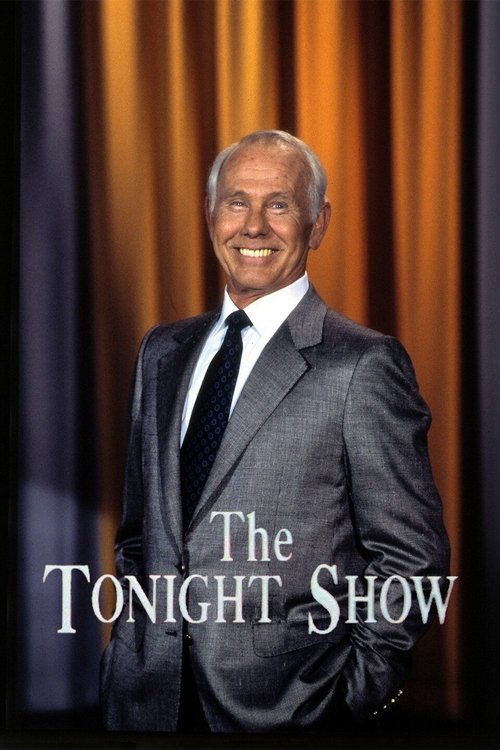
Le 1er octobre 1962, Groucho Marx accueillit Johnny Carson comme le nouveau présentateur du The Tonight Show. L’émission a été filmée à New York pendant pratiquement les dix premières années, avec Johnny Carson en tant que présentateur. Puis à partir de mai 1972, le plateau déménagea au Studio One à Burbank en Californie pour le reste de son « mandat » .
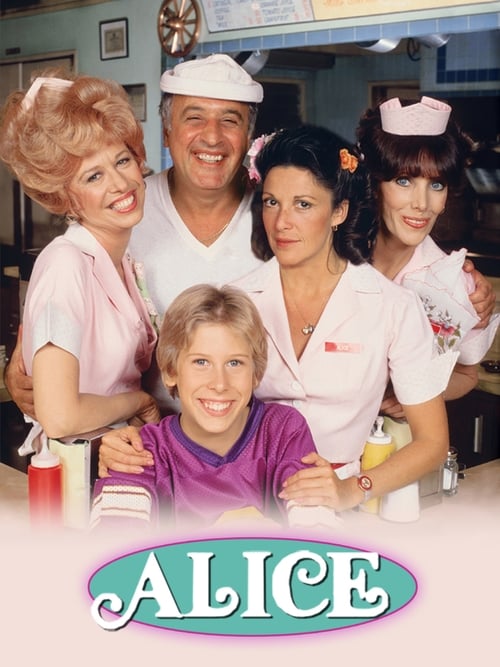
Aucune description disponible.
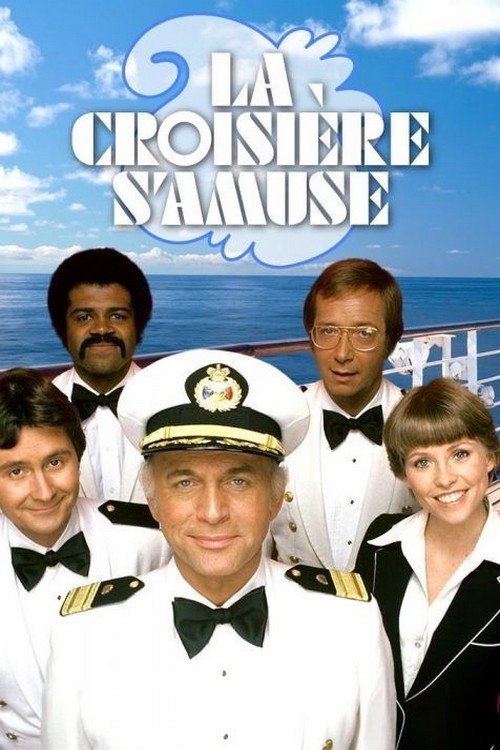
Le capitaine Stubing et son équipage, le barman Isaac, le docteur Adam, la directrice de croisière Julie et Gopher, accueillent chaque semaine sur leur paquebot, le Pacific Princess, des passagers pour une croisière exceptionnelle.
Veuve de Franck Fletcher, Jessica Beatrice Fletcher, ancienne professeur d'anglais devenue auteur de romans policiers, utilise ses dons d'observation et son sens inné de la logique pour jouer les détectives amateurs et résoudre des affaires criminelles. Elle officie surtout dans la petite ville de Cabot Cove, dans le Maine, où elle réside, même si elle se prête au jeu dans différents états des États-Unis. Il lui arrive également d'enquêter en dehors du territoire américain, ce qui lui vaut d'être fichée non seulement au FBI, mais aussi à la CIA et au KGB, pour s'être mêlée à plusieurs reprises de certaines de leurs affaires qu'elle a pourtant aidé à résoudre, que ce soit à l'occasion de la promotion de ses livres, ou de voyages personnels : si elle n'a pas d'enfants, Jessica n'en a pas moins une immense famille, qui compte un nombre incalculable de neveux et de nièces…
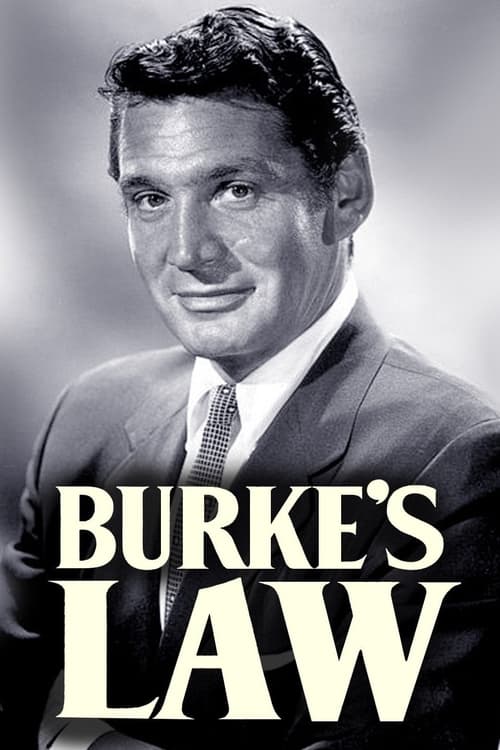
Cette série met en scène Amos Burke, capitaine de la brigade criminelle de Los Angeles et élégant milliardaire se déplaçant uniquement, avec chauffeur et secrétaire, dans sa Rolls-Royce Phantom V.
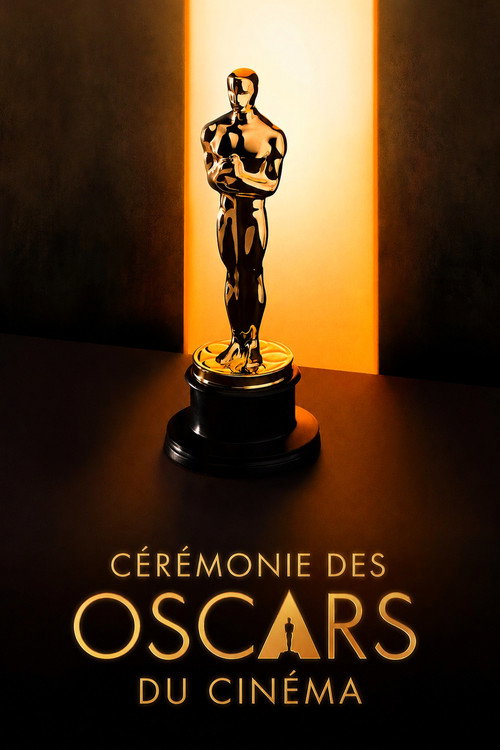
Les Oscars du cinéma (Academy Awards) sont des récompenses cinématographiques américaines décernées chaque année depuis 1929 à Los Angeles et destinées à saluer l'excellence des productions américaines du cinéma. L'attribution de ces distinctions dans les domaines choisis pour représenter les métiers de la création cinématographique (réalisation, interprétation, scénario, technique) est organisée, gérée et dirigée par l'association professionnelle Academy of Motion Picture Arts and Sciences.
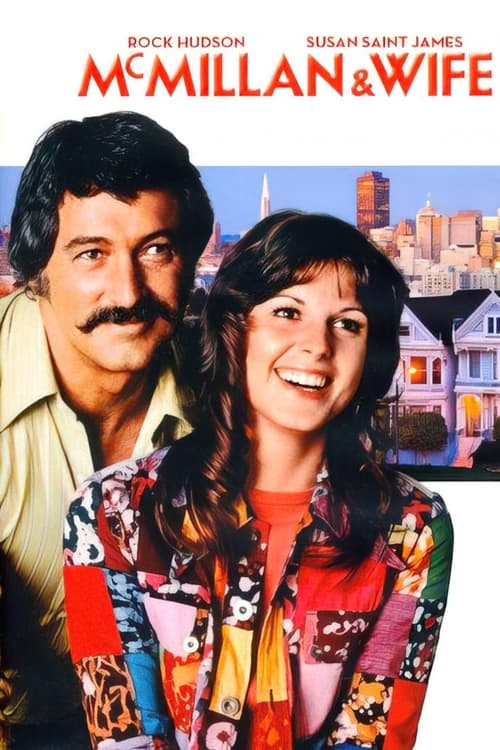
McMillan est tourné autour d'un quadragénaire de San Francisco et commissaire de police, Stuart McMillan (Rock Hudson) et son épouse Sally (Susan Saint James). Les scénarios s'articulent autour de la résolution de crimes et de la vie conjugale des McMillan. John Schuck joue le Sgt. Charles Enright et Nancy Walker est Mildred.
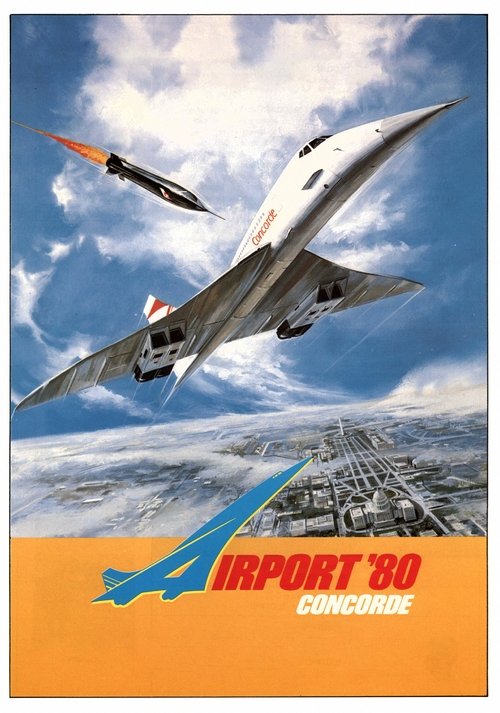
Le Concorde réussit à se poser à Washington, après avoir échappé aux tentatives des écologistes voulant l'empêcher d’atterrir. Le supersonique doit repartir pour Moscou. Pendant ce temps là, une journaliste, Maggie Whelan, est contactée par Carl Parker qui lui révèle détenir des preuves accablantes contre Harrison.