Acting
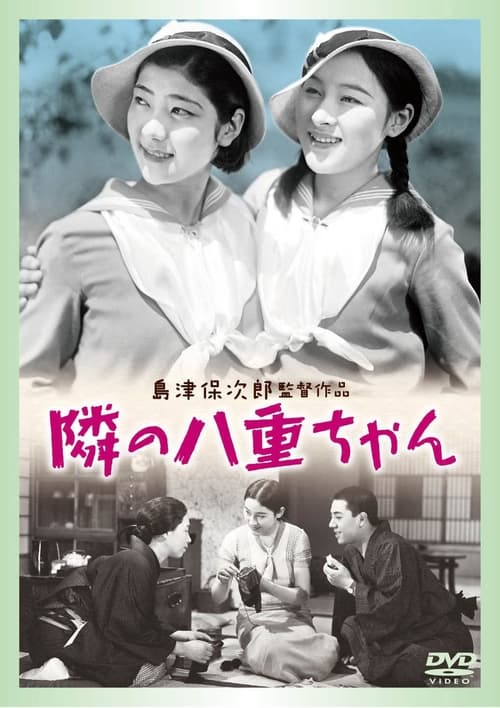
Keitaro is a law student and Yaeko is a high school girl. They are neighbors, and their friendship is starting to develop into something more romantic. Then, Yaeko's sister Kyouko has a breakup with her husband and returns home. Kyouko is clearly interested in Keitaro and Yae becomes anxious.
Following the accidental death of a logging boss in the Kiso mountains, a local thug pressures the boss's daughter into marriage. When the boss's new foreman arrives to protect her, a trio of clumsy but loyal lumberjack friends hatch a series of schemes to defeat the thug's gang and secure the couple's union.
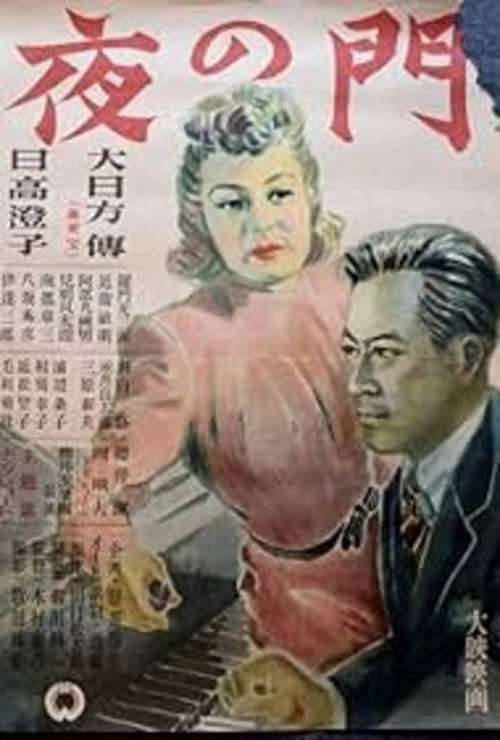
Adaptation of Nobuko Yoshiya’s story.
Kenji and Chuko travel to Hokkaido as migrant workers and enlist as miners under the strict leadership of Guzuyasu. On the boat journey to Hokkaido, Kenji attracts Ohama, who is travelling to Hokkaido to open a bar. When Kenji visits the bar, he chases away a sailor who was hassling a shy girl, Ofuji, which makes Ohama jealous.
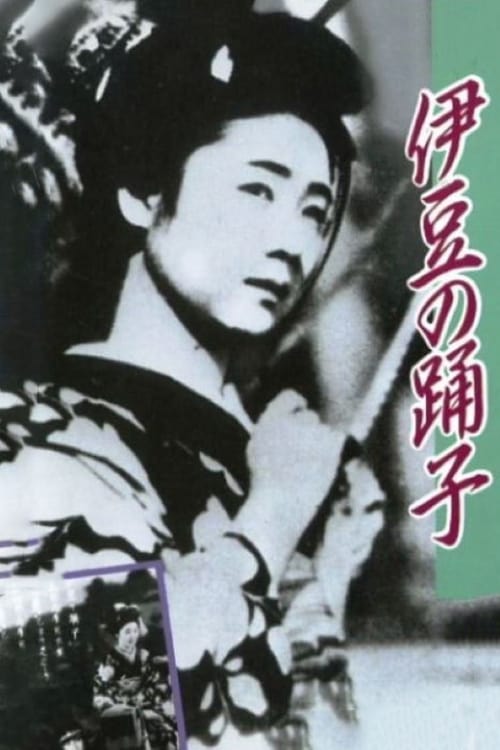
"The Dancing Girl of Izu" tells of the story between a young male student who is touring the Izu Peninsula and a family of traveling dancers he meets there, including their youngest girl. The student finds the naïve girl attractive even though he eventually has to part with the family after spending memorable time together.
Japanese film from 1933, adapted from a story serialized in the entertainment magazine "Fuji."
Film by Kon Ichikawa
Japanese drama from 1934. A major production of Shochiku Studio, directed by Hiroshi Shimizu.
No description available.
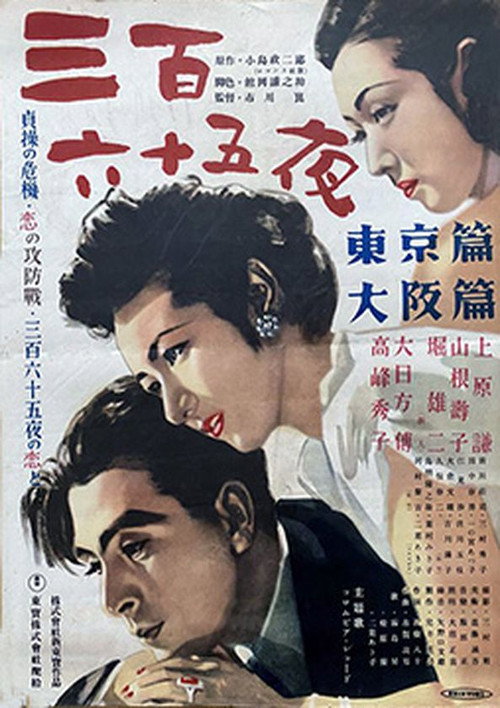
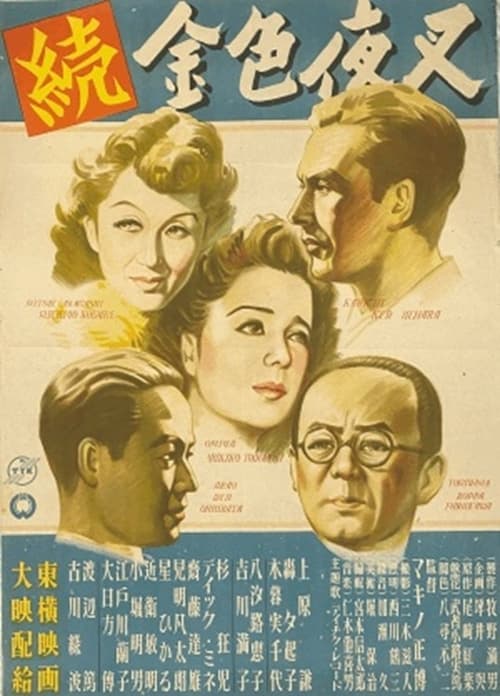
1948 adaptation of Golden Devil, part 2
In Depression-era Tokyo, a struggling middle-aged single father with a young son comes across a homeless young lady and convinces a bar owner to take her in.
Adaptation of Nobuko Yoshiya's story.
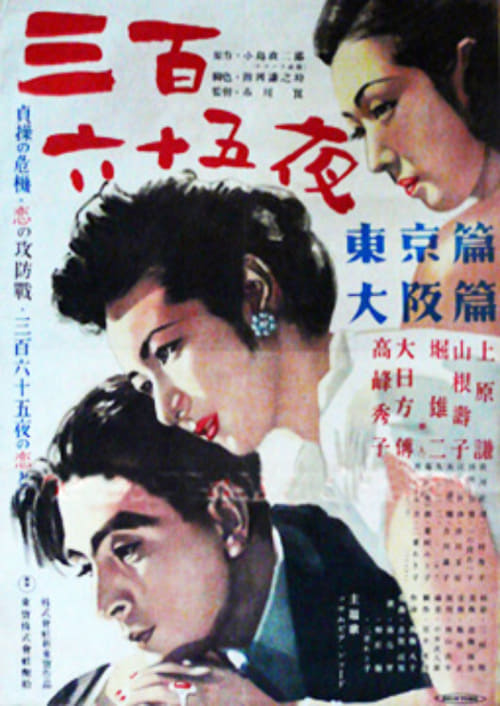
A young man rents an apartment in Tokyo and discover it was built by his father. He falls in love with the daughter of the mistress of the house and decides to marry her. Only to discover that his father is is in debt and wants him to marry Ranko so that she may help his company by granting 1.5 million yen. Teruko decides to borrow money from a greedy bar owner who lends her money on certain conditions and photographs her without her consent. A love traingle forms between Koroku, Ranko, and Teruko. Things complicate when Koroku marries Teruko and Tsugawa threatens them for the money causing many twists and turns.
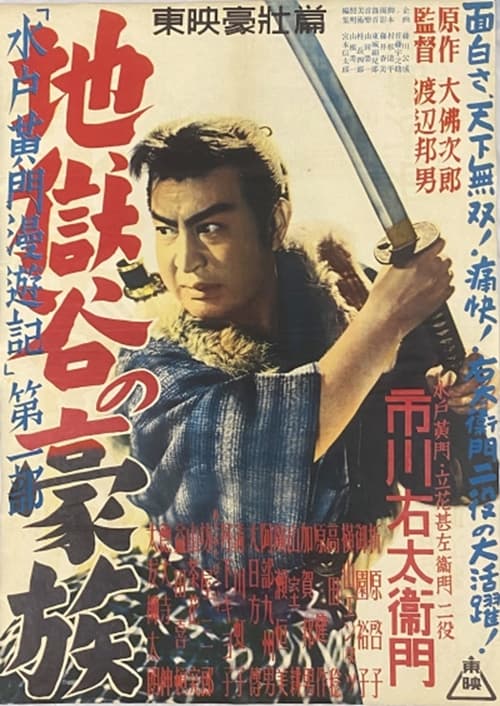
The deputy shogun of the realm, accompanied by his loyal and capable aides, makes a stop at Jigokudani, a place along his journey through various provinces. Here, a lively and entertaining tale unfolds, filled with swordplay where heroes and villains clash, intertwined with heartwarming humor.
When a young woman is named as the prime suspect in a murder, her girlfriend and her girlfriend's boyfriend set out to prove her innocence. Their investigation leads them to an isolated, creepy house in the middle of nowhere, where sinister goings-on abound.
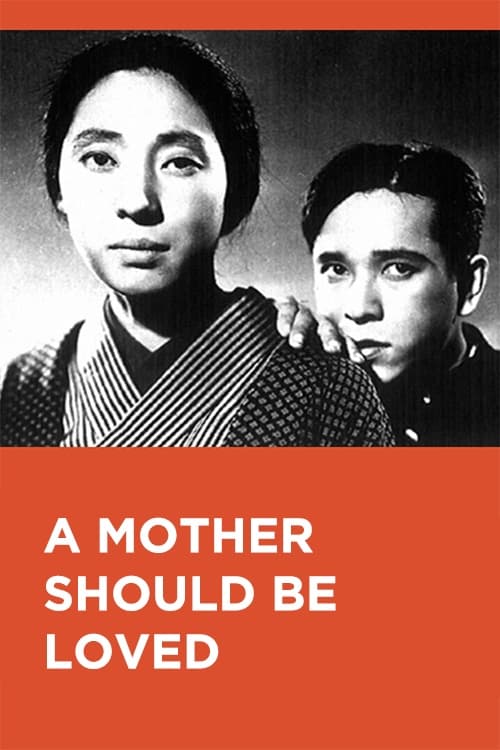
A young man discovers that the woman who raised him is his stepmother. His stepbrother, who is unaware of the revelation, resents his mother for always punishing him more severely than his stepsibling.