Acting
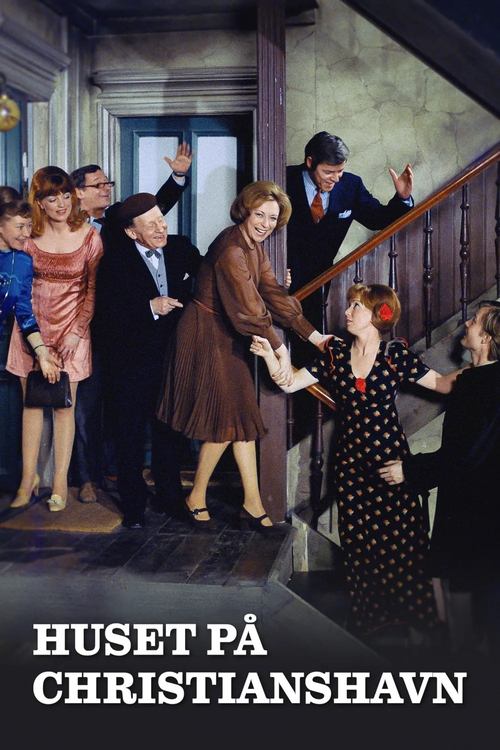
The series follows the residents of an apartment building on Copenhagen's Christianshavn, as they go about their daily lives and challenges. There is Olsen, a mover with an old fashion view of the world, Clausen who runs the local pet shop, Egon the career focused assistant, their wives who work hard to keep their spouses lives together, the young couple Tue and Rikke who recently moved in, the hard working caretaker Meyer, who never puts in to much effort, and of course Emma, the innkeeper of Rottehullet, where all the important decisions are made while running up the bar tab. The series was produced by Nordisk Film for Danmarks Radio TV station between the years 1970-77. The series' first director was Ebbe Langberg, then Erik Balling and Tom Hedegaard respectively. The series was conceived by an author team of well-known Danish authors such Leif Panduro, Benny Andersen, and Lise Nørgaard.
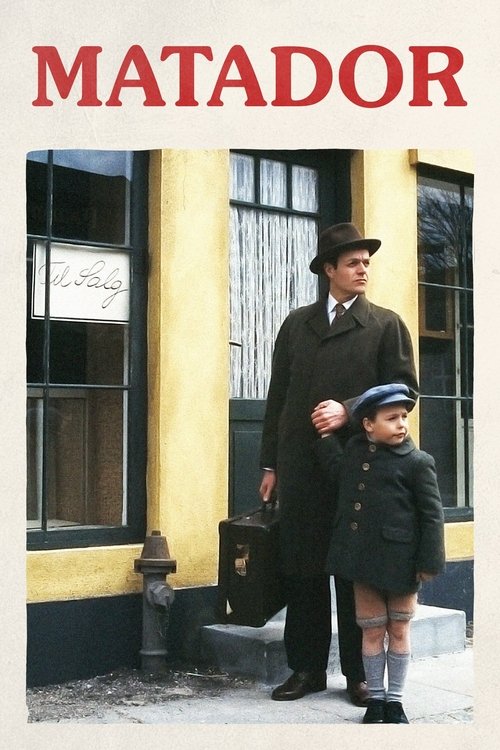
Matador is a Danish TV series produced and shown between 1978 and 1982. It is set in the fictional Danish town of Korsbæk between 1929 and 1947. It follows the lives of a range of characters from across the social spectrum, focusing specifically on the rivalry between the families of two businessmen: The banker Hans Christian Varnæs, an established local worthy, and social climber Mads Skjern, who arrives in town as the series opens. The name Matador was taken from the localised edition of the boardgame Monopoly, also the series' tentative English title. In addition, in contemporary Danish a "matador" is often used to describe a business tycoon, in the series referring to the character of Mads Skjern and his craftiness as a self-made entrepreneur. Directed by famed Danish film maker Erik Balling, Matador was the idea of author Lise Nørgaard who wrote the bulk of the episodes alongside Karen Smith, Jens Louis Petersen and Paul Hammerich. The series is one of the most well-known and popular examples of Danish television and represents the peak of longtime development of Danish TV drama by the public service channel Danmarks Radio. The series has become part of the modern self-understanding of Danes, partly because of its successful mix of melodrama and a distinct warm Danish humour in the depiction of characters, which were portrayed by a wide range of the most popular Danish actors at the time; but also not least because of its accurate portrayal of a turbulent Denmark from around the start of the Great Depression and through Nazi Germany's occupation of Denmark in World War II.
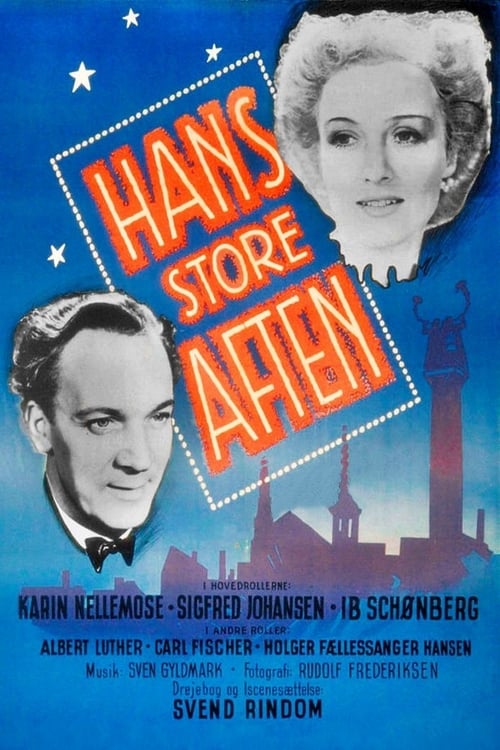
Young Jonas Tofte is a waiter in the theater café, but he is more than that; he is also a poet and has written a comedy that is about to premiere. With this, both he and his sweet little wife, Else, hope to be out of all the difficulties they have come to know so well. Once the premiere is over, all the bills will be paid, and Jonas can stop serving. But many difficulties still lie ahead for Jonas before the premiere is over.
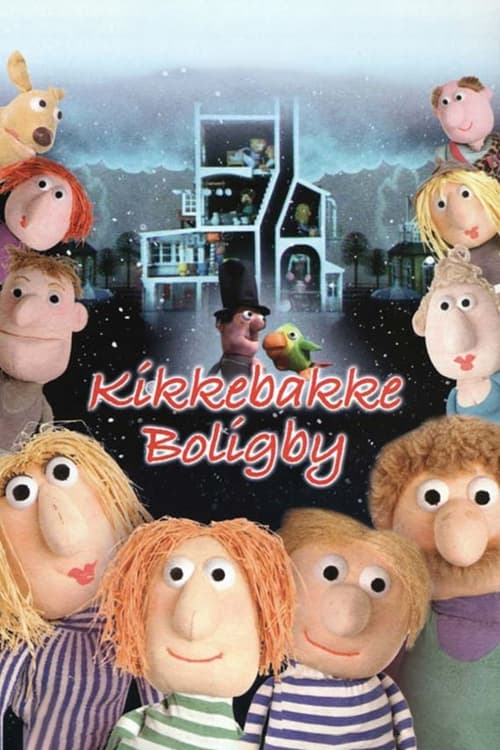
In the residential area stands the apartment building Kikkebakke, home to a motley crew of residents. Among them are the grumpy Gniske and Mrs. Vivaldi with her spaghetti machine. At Father Alfred's house, the kitchen is a hive of activity when it's time to do the dishes—so why not invent a clever machine that can do it? Kikkebakke Boligby is also home to Freddy, Carla, Skorstens-Per, Mrs. Brand, Mr. Matrikelhys, and businessman Sommer, who behind closed blinds becomes the muscle man Mr. Pølzenmuskel!
No description available.
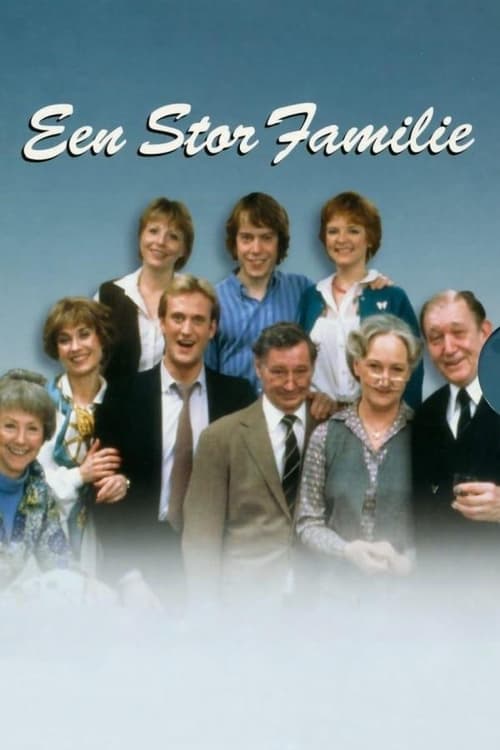
One Big Family is a Danish television series in 12 episodes, first broadcast in 1982-1983. The series was directed by Bent Mejding, while the script was written in turns by Lise Nørgaard, Paul Hammerich and Jane Aamund. The series is produced by Nordisk Film for Danmarks Radio.
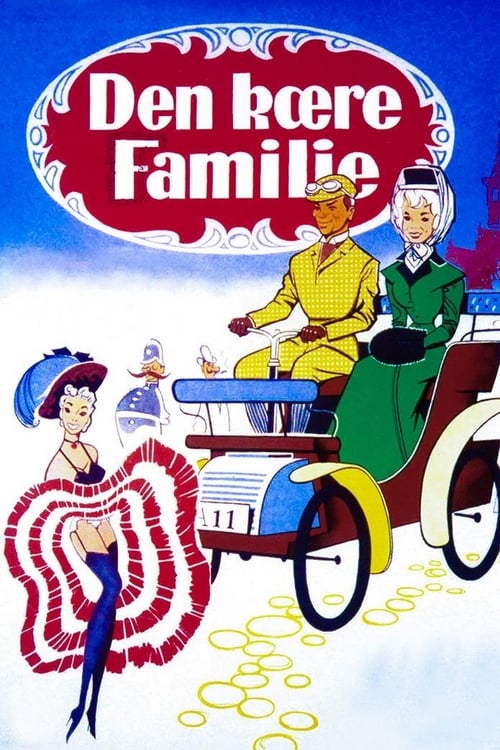
Copenhagen around the turn of the century - December 29th, 1899. Great merchant and shipowner Jacob Friis is one of Copenhagen's richest men. His home is the gathering place for family and friends. Since his wife's dead 10 years earlier, he shares sense of family and business acumen with his three daughters. Jacob wants to find a nobleman for his daughter Emily. Baron Claes is a very charming gentleman, but also a great womanizer...
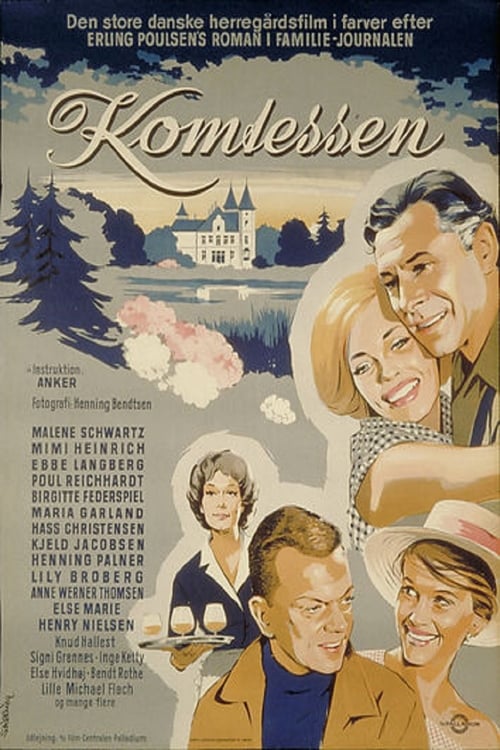
In the village Karrild, the Countess Sonia Hardenborg and a young unmarried woman, Marta, give birth to a daughter on the same day. Marta dies after birth, so Marta's daughter, Betina, come under the care of the countess. 17 years later, Betina and Countess Sonia's daughter, Maria, meet, as Betina is living in a home for orphaned girls, which is adjacent to the Hardenborg estate. The two girls become friends, and Maria invites Betina to visit her at Hardenborg, to greet her parents Sonia and Otto Hardenborg and her brother Count Flemming. Meanwhile, Betina's father, Frank Jensen, starts working in the estate's woods, and when the two girls come to visit him, he is shocked by the resemblance between the young countess and Betina's mother Marta.
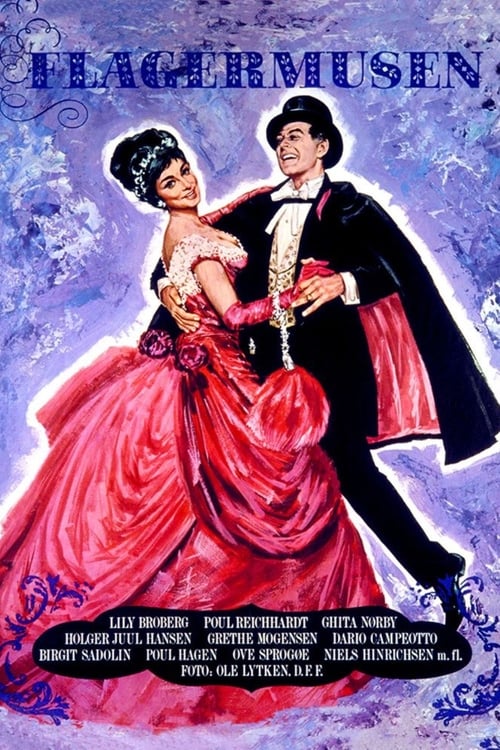
Doctor Falke takes revenge on Gabriel von Eisenstein because, after a carnival, he left him lying in a park, disguised as a bat, so that he would be ridiculed by respectable citizens the next morning. Falke seizes the opportunity for revenge when Eisenstein gets himself into trouble by being sentenced to ten days in prison for disrespectfully mentioning a princely person. The wealthy Russian Prince Orloffsky has asked Doctor Falke to arrange the entertainment for his grand party – and in this lavish setting, Falke carries out his revenge.
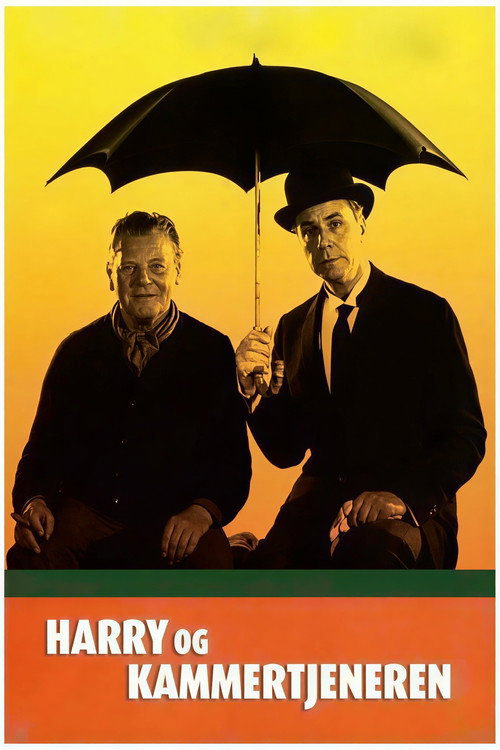
A gentle comedy offering the promise of easy social consensus. Harry (Helmuth) is a simple old-time shop porter offered a chance at self-realisation when he's bequeathed a sum by an unknown relative (via several levels of fiscal blood suckers). He decides to engage a butler to take good care of him for a time. This is a man of distinguished upper class service, but a generous nature which happily integrates with Harry's small but colourful world of drinking buddies and crackpot neighbourhood kids.
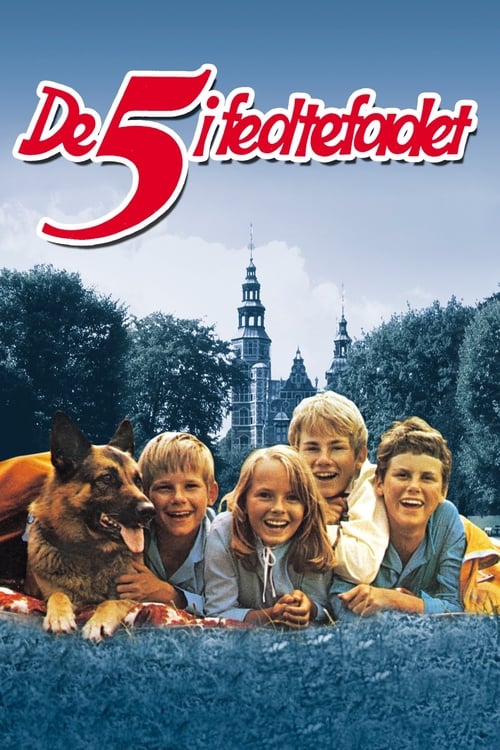
The four kids, Julian, Dick, Georgina and Anne plus the dog Tim go on a bike-trip without any grownups around, but they are soon followed by a another boy, Richard, who is pursued by kidnappers.
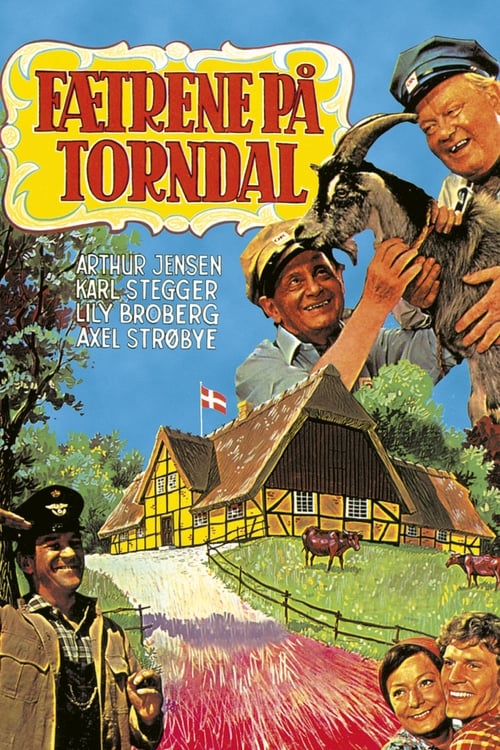
Werner (William Rosenberg) is an inspector for group of farmes called Digeskov. Left alone by Digeskovs owner, Werner is tricking small neighboring farmes out of there land. The owners doughter find out and stops Werner and she falls in love with a young poor farmer from a neighbor farm.
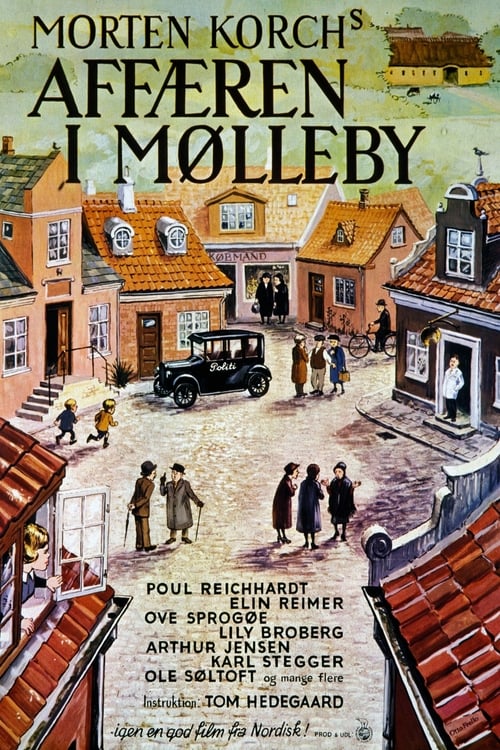
Mølleby is a small, cozy market town. The year is 1924, and the sight of a Rolls Royce from Copenhagen is a sensation. But all is not as idyllic as it seems. The town's new mayor is trying to build a new brickworks to ensure the town's growth and future, but the previous mayor is doing everything he can to thwart these ambitious plans...
It all happens over two days and—naturally—and in particular—two nights. A perfectly ordinary girl gets herself into a lot of trouble because of her slightly too big heart, which exposes her to trials and temptations she cannot overcome without the help of little white lies and pretence. She manages to overcome almost all obstacles, but loses her heart.
Grete Hansen is looking for work at "Morgenbladet". Here she meets the womanizer Vilmer, who wants Grete to meet him on her first night out on the town, and Bob, a young man who plays private detective. When Bob reads that there are a number of counterfeit 100 kroner notes in circulation, Bob and Grete decide to catch the thief. First they break into the home of a policeman whom they suspect of being a counterfeiter. Later they play servants at the home of another suspect. Then Grete discovers something suspicious about Vilmer - she follows him to a spooky house.