Georges Neveux
Writing
Biography
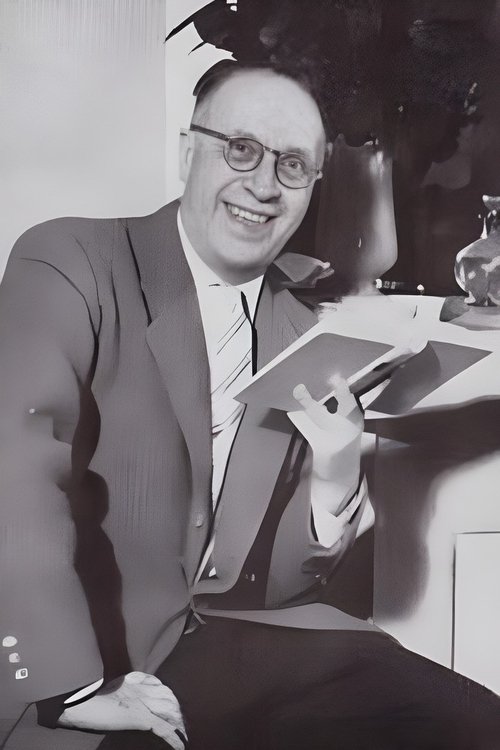
From Wikipedia Georges Neveux (1900-1982) was a French dramatist and poet. Neveux's first notable work was the play Juliette ou la clé des songes (Juliet or the key to dreams), written in 1927 and produced in 1930. It became the basis of Theodor Schaefer's melodrama Julie aneb Snar (Julie or the Book of Dreams) for piano, jazz instruments, and small orchestra, from 1934, Bohuslav Martinů's opera, Julietta, from 1937, and for the 1951 film Juliette, or Key of Dreams. During the 1930s, when he was general secretary of the Théâtre des Champs-Élysées, he wrote little. In 1943 appeared Le Voyage de Thésée (The Voyage of Theseus), which was also later adapted by Martinů as an opera (Ariane, 1958). In 1945 he translated and adapted Shakespeare's A Midsummer Night's Dream. Neveux also wrote numerous filmscripts, although he greatly preferred the theatre; as he said, 'the first because one must earn a living, the second because one must deserve to live'.
Known For

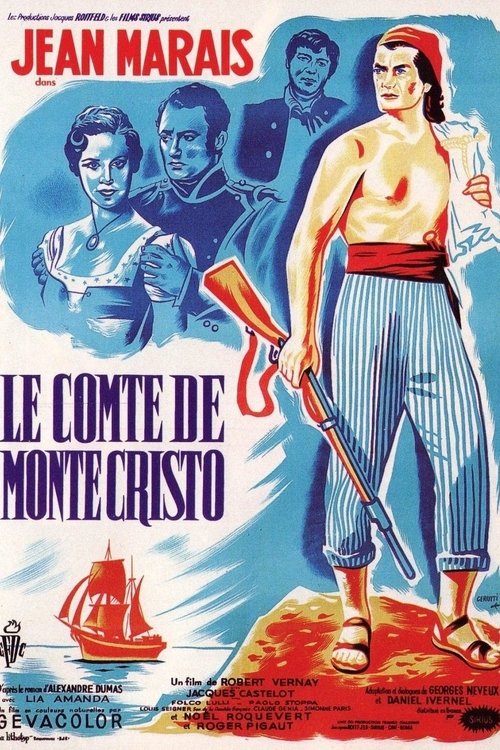
Edmond Dantes is falsely accused by those jealous of his good fortune, and is sentenced to spend the rest of his life in the notorious island prison, Chateau d'If. While imprisoned, he meets the Abbe Faria, a fellow prisoner whom everyone believes to be mad. The Abbe tells Edmond of a fantastic treasure hidden away on a tiny island, that only he knows the location of. After many years in prison, the old Abbe dies, and Edmond escapes disguised as the dead body. Now free, Edmond must find the treasure the Abbe told him of, so he can use the new-found wealth to exact revenge on those who have wronged him...
The Count of Monte Cristo

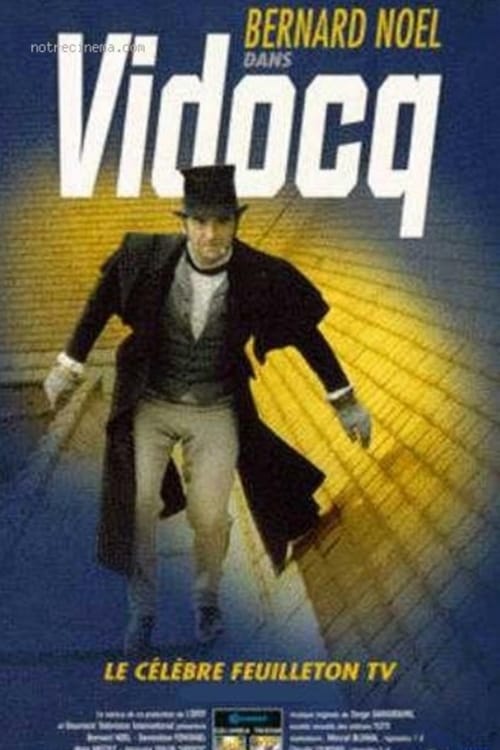
François Vidocq has been sentenced to eight years' hard labor for a crime he didn't commit. Escaped with the help of his faithful friends Desfossés and Fil de fer, the convict is pursued by his lifelong enemy: the policeman Flambart. Between scams and disguises, Vidocq initially leads an undercover life in 19th-century Paris. Eventually, the two men team up to fight criminals... And Vidocq succumbs to Annette's charms.
Vidocq

No description available.
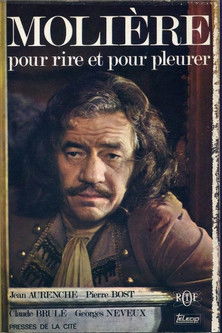
Molière pour rire et pour pleurer

Based on the memoirs of Eugène-François Vidocq, this series follows the adventures of this former convict turned policeman in the early 19th century. In these new adventures, Vidocq comes up against a ravishing “baronne”, a formidable gang leader. The cases entrusted to Vidocq are not only police affairs, but also delicate, political and even diplomatic affairs.
Les Nouvelles Aventures de Vidocq

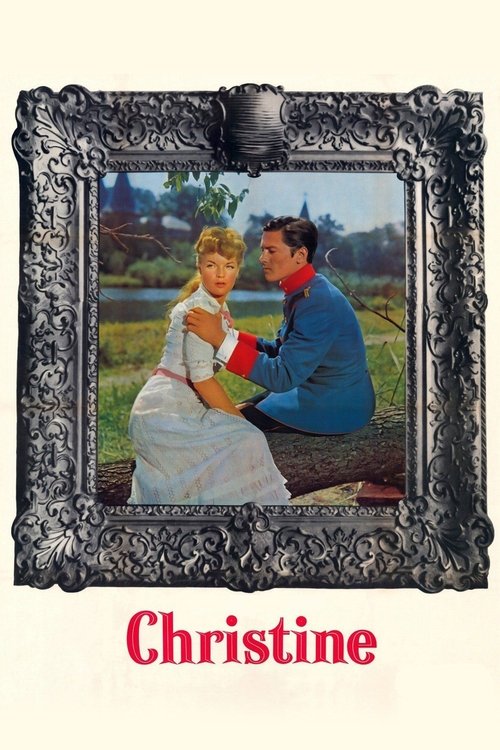
Vienna, 1906. A passionate love story develops between Franz Lobheiner and the young Christine. Lobheiner is, however, currently seeing the married Baroness von Eggersdorf. Upon learning of his wife's infidelity, the Baron von Eggersdorf provokes a duel with Lobheiner. But the former is no longer a real threat to the Baron. Lobheiner is now passionately in love with Christine. How will this love quartet end?
Christine

A Dutch slave captain, on a voyage to Cuba, faces a revolt fomented by a newly captured African slave, Tamango. The slaves capture the captain's mistress, forcing a showdown.
Tamango

Tsar Alexandre II meets a young student, Katia. He understands that he loves her and try to send her away but they end up seeing each other again and becomes his mistress. With the help of Katia, Alexandre prepares a liberal constitution, but these reforms make him hostile to the more privileged subjects without satirising the revolutionaries against the regime.
Katia

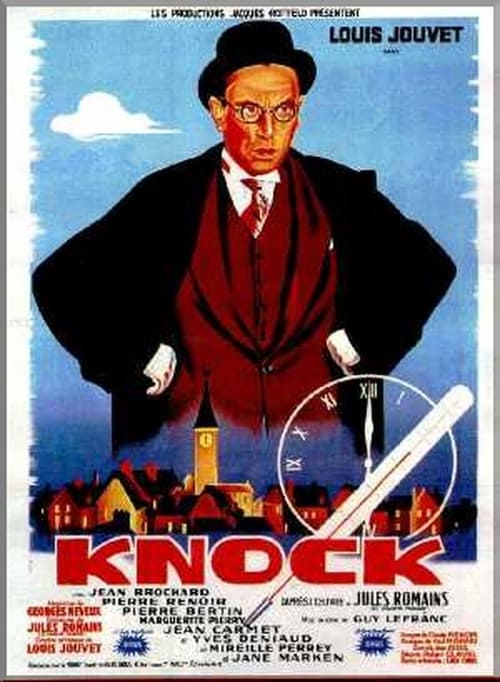
Saint-Maurice, an ordinary peaceful village, lived healthily so much so that the local doctor's practice was scant. But that was before Dr. Parpalaid retired and was replaced by a charlatan by the name of Knock. A real genius this one, for he soon managed to persuade everyone that they were ill. And not only didn't they resent him but they even loved their physician, who made a fortune and brought prosperity to the village by turning it into a big hospital.
Dr. Knock

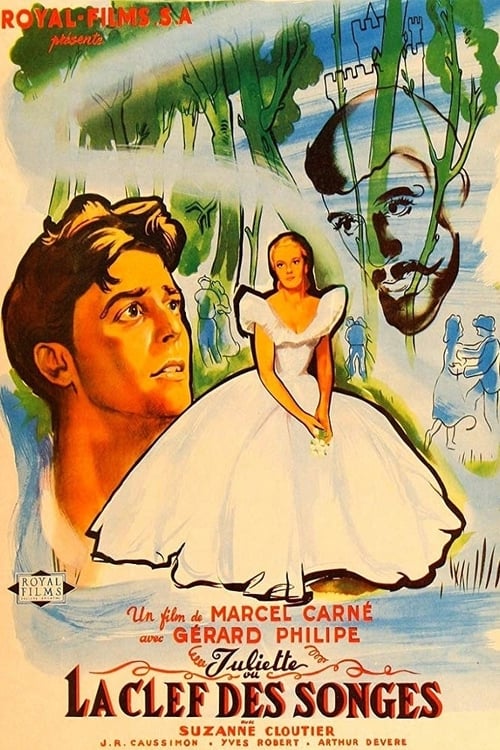
Michel has stolen from his employer, Mr Bellanger, for the love of Juliette. He is now in jail. One night, while sleeping in his cell, he wakes up all of a sudden, the gates open and he finds himself in a strange village where all the inhabitants have lost their memory. There, meets Juliette again who seems to agree to marry a powerful man, who might well be Bluebeard...
Juliette, or Key of Dreams

A stranger named Constant disrupts the life of Flora, who is seemingly happy with her husband Lucien. But she suddenly experiences a passionate love, taking refuge with Constant in a cave they call “home under the sea.”
The House Under the Sea
No description available.
Un certain monsieur Grant
Lucrèce, a famous actress, is bothered first, then flattered by the passionate testimonies of love given to her by François, a 12th grade student infatuated with her. Taking pity on the boy, Lucrèce decides to heal him of his madness and with this in mind she invites him for a working holiday on her farm. Instead, she falls in love with the cherub. At a time, her young lover grows so jealous of her that he attempts suicide. The mature actress then understands that their love story is going nowhere. She will remain alone while François will forget her.
Lucrèce

No description available.
Halfway Up the Sky

Director Jean Delannoy's immediate followup to his brilliant Les Jeux sont Faits was the more conventional Aux Yeux du Souvenir (aka Souvenir and To the Eyes of Memory). The film is based on a true story, wherein an France airliner managed to survive a journey from Rio De Janeiro to Dakar with two of its engines incapacitated. To this already intensely dramatic situation has been added a romantic subplot involving Claire Magny (Michele Morgan) and Jacques Forester (Jean Marais). The love story adds very little to the film; fortunately, neither does it detract from the film's overall quality. As was the case with many French productions of the 1940s, Aux Yeux du Souvenir benefits immeasurably from the Wagnerian musical score by Georges Auric.
In the Eyes of Memory

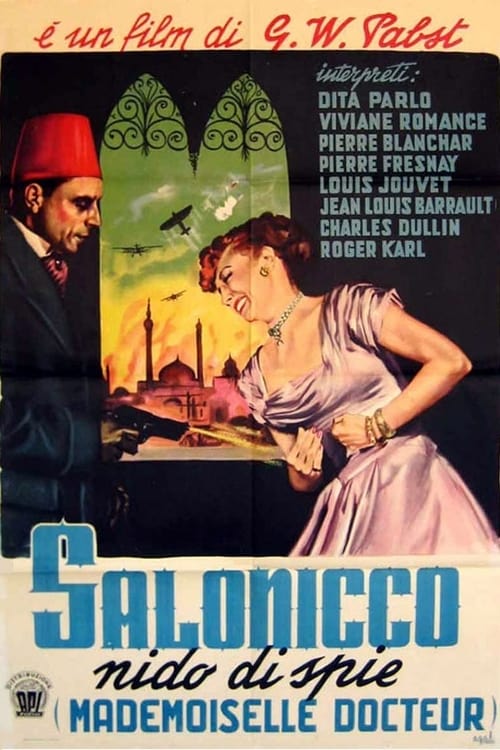
A slippery femme fatale, a spy for Germany during the Great War, is sent to Thessaloniki in Greece and becomes involved with a man on the other side, a French military officer.
Street of Shadows

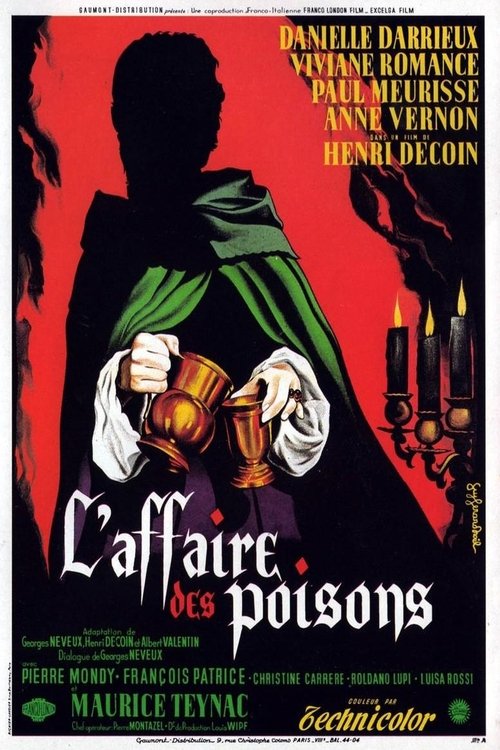
Madame de Montespan, the Maîtresse-en-titre of Louis XIV, has been in disgrace since the King set eyes on a younger beauty, Marie-Angélique Scorailles. Having had enough of the situation, the rejected mistress decides to visit La Voisin, a woman known as a fortune teller, a doctor, a midwife and who is also said to arrange black masses and sell poisons. Some time later Marie-Angélique, now Duchess of Fontanges, dies mysteriously aged only twenty...
The Affair of the Poisons

"Everybody is ill: you just don't know it yet". Knock, a newly arrived physician takes over a small town through fear and authority. NB : this is a different movie from the 1951 version where Louis Jouvet also plays Dr Knock.
Knock, ou le triomphe de la médecine

Gaston, nicknamed Pilou, has left his native village and Yvette, the girl of his heart, to go to Paris where he has found work as a painter. He is a naive good-natured man who, like most of his fellow-workers, favors a little song or two while he works. For the time being he is busy repainting the exterior of a block of flats and, when he does not sing to pass the time, he looks through the windows, observing the tenants in their daily lives. As time goes by, he goes as far as intervening and changing the course of their lives. In the end, despite having found a lookalike of his fiancée, he returns to her.
By the Window

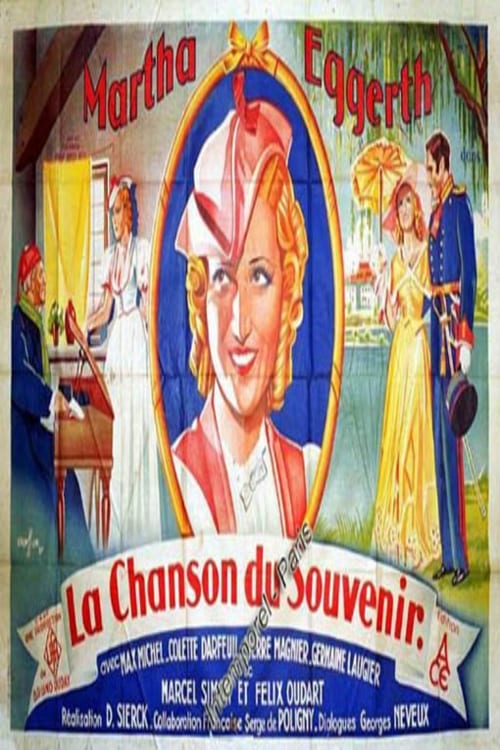
A French-language remake of Douglas Sirk's "The Court Concert" (1936).
La Chanson du Souvenir

A love between a teacher and his assistant is thwarted, because of their too great age difference.