Directing
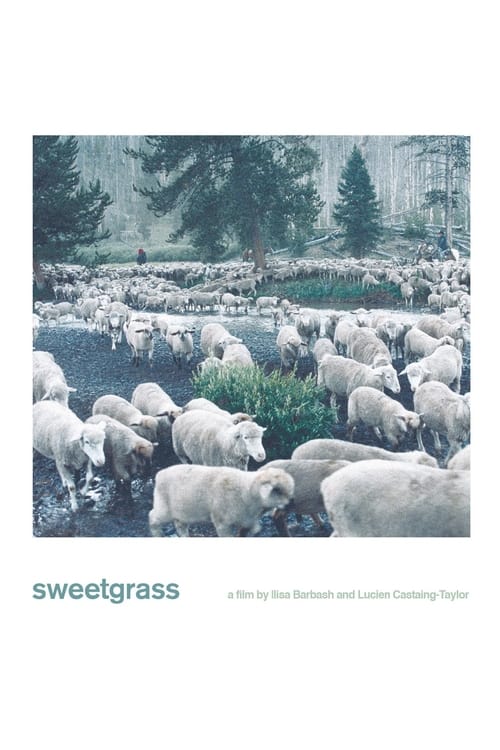
An unsentimental elegy to the American West, Sweetgrass follows the last modern-day cowboys to lead their flocks of sheep up into Montana's breathtaking and often dangerous Absaroka-Beartooth mountains for summer pasture, revealing a world in which nature and culture, animals and humans, vulnerability and violence are all intimately meshed.
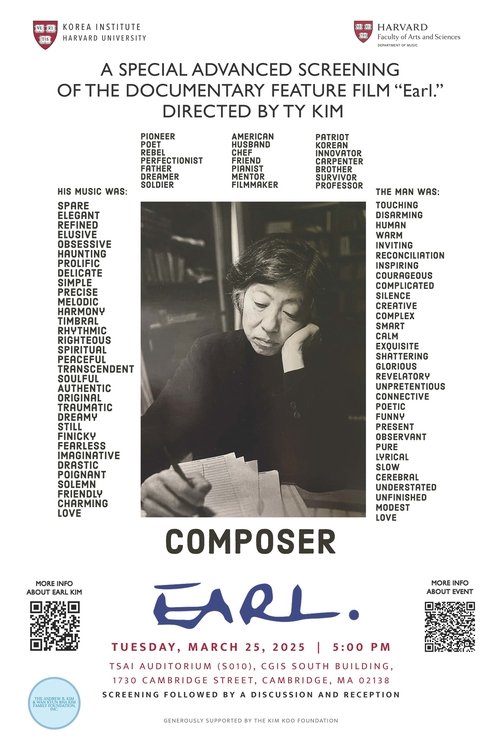
Earl. profiles the inspiring and complex life of an unknown, brilliant American composer. Earl's story crosses boundaries from classical music to politics, education, cultural self-awareness, war, human rights, and even weapons of mass destruction. Most of all, it is a story of the profound power of music to change lives.
The uncanny qualities of the present moment are evoked as bustling city streets slow to almost stand still and people drift by in a haze.
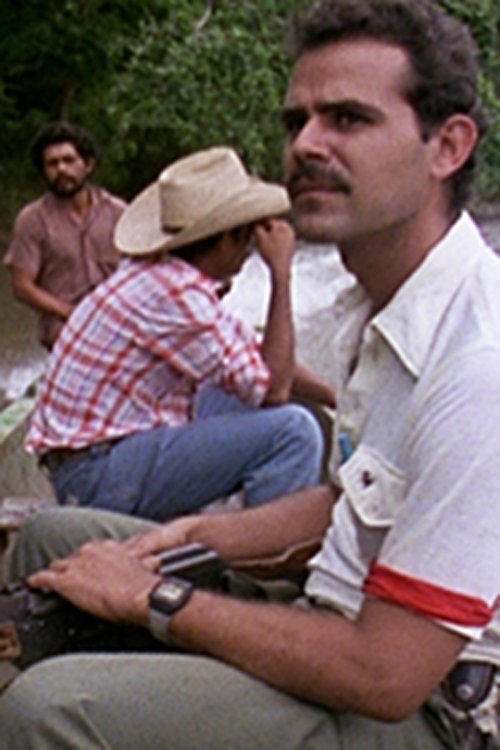
In 1981, Susan Meiselas published "Nicaragua, June 1978 to July 1979," 70 photographs she took documenting the Sandanista revolution. Ten years later, Meiselas returns looking for the people who appear in the photographs: where are they now, what do they remember, what do they think of their country and of the revolution? She finds a woman who buried her husband when she was 14; she talks to those who fought the Guarda Nacional - some are disillusioned, some still have the fervor of revolution; she talks to mothers about their sons; she finds a Guarda member who became a Contra. And she offers her own reflections on time and history and on the moment and meaning of a photograph.
Originally broadcast on PBS, the film features the Barrios, a middle-class family both activated and fractured by the conflict. Instead of fleeing their country, the siblings are guided by a religious and socialist desire to help those most vulnerable and destitute, mostly peasants in the rural areas.
A year passes and another year begins.
Lines from Horace, Ode IV.7 (15 B.C.E.)
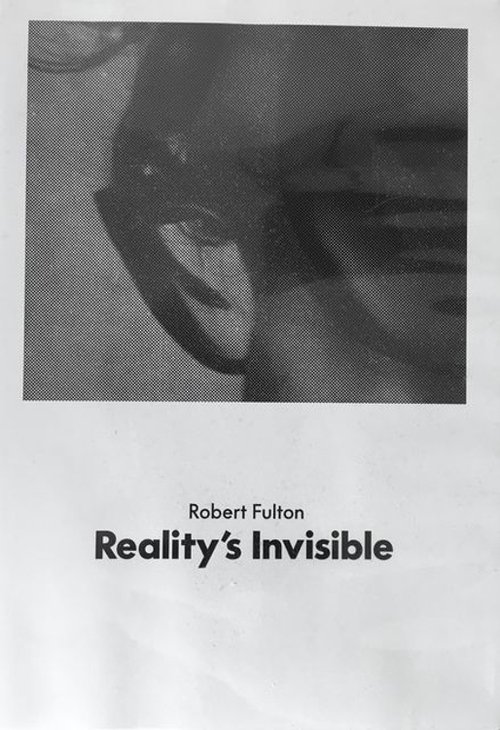
Fulton made the film during his brief time at Harvard, where he had been invited to teach by Robert Gardner, his friend and collaborator (Fulton would later serve as a cinematographer on Gardner’s 1981 documentary Deep Hearts, among others). Reality’s Invisible could be described as a portrait of the Carpenter Center, yet it is a portrait of an extremely idiosyncratic and distinctive sort. Fulton moves us through the concrete space of the Center’s Le Corbusier-designed building—the only structure by the architect in North America—but, more centrally, presents us footage of students making and discussing their work alongside figures like Gardner, theorist Rudolf Arnheim, artist Stan Vanderbeek, filmmaker Stan Brakhage, and graphic designer Toshi Katayama.
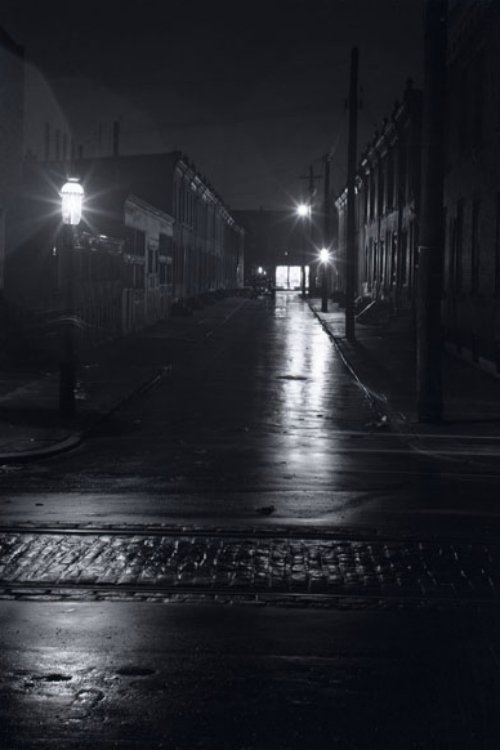
In this brief film, Alfred Guzzetti dissects a single image taken by his amateur-photographer father seventy-three years ago. The photograph, taken at night, features an empty street in Philadelphia. Street lamps glow, light subtly reflected in the asphalt below. As Guzzetti traces the origins of the image, a tender portrait of his father comes into focus. What was and what could have been are inexplicably entwined in one static shot.
Gray light falls on a forest. Pedestrians weave their way through an urban landscape. Lightning strikes at the desert's horizon. Shot in several American locations, Guzzetti's video captures traces of change and time's passage.
In THE GIFTS OF TIME, Guzzetti focuses not on his own family members but on his longtime friends, men and women he’s known for half a century or more, inviting them to reflect on this stage of their lives, on the choices they’ve made as they’ve grown older, and on their attitudes towards mortality
A portrait of the filmmaker's daughter from the ages of two to five, the film chronicles her growing understanding of herself, her family and her world, and allows a rare insight into a child's intelligence and sense of will. In the space of forty minutes, Beginning Pieces traces a picture of years passing, not only for the child, but for the father.
Scenes from Childhood observes a group of young children, including the filmmaker's son, as they play, interact with one another, negotiate relationships, fight, cooperate, infuse reality with fantasy, and struggle to understand their world.
Resembling a glimpse inside the DNA of modern existence, Guzzetti’s breathtaking composition seems to harness all the visible and invisible forces that connect and disconnect humanity. The various natural, political, violent, serene, exhilarating and alienating powers comprise a mediated complex through which the focal point of mortality appears both ever-present and faraway. Guzzetti pinpoints this surreal tension by recognizing its inherent blindness.
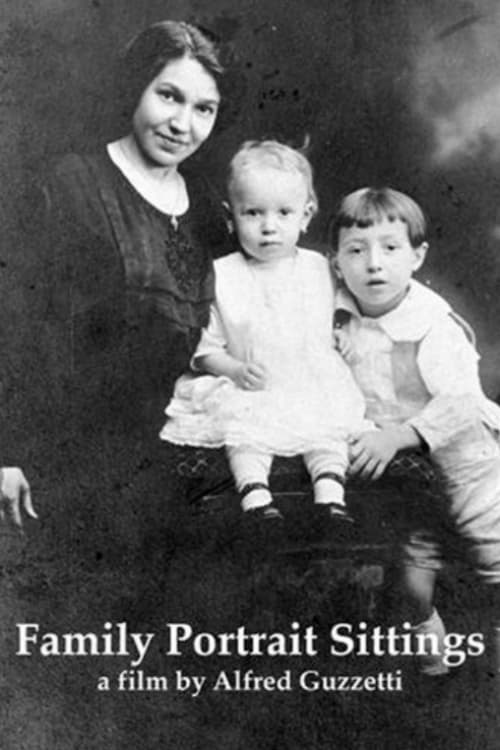
Using photographs, interviews, home movies, and footage shot in Philadelphia and abroad, Family Portrait Sittings tells the story of the filmmaker's family, from their origins in Italy to their life in the United States.