Piero Bargellini
Directing
Biography
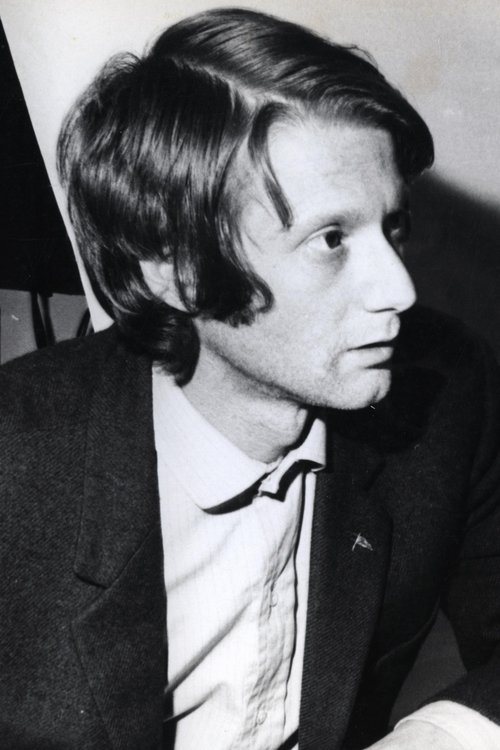
Pierfrancesco Bargellini (Arezzo, 1940-1982), also known as Piero, bought his first movie camera when he was 20 and pointed it at his youthful passions: competition cars and motorcycles. A few years later he met Marco Melani, who became his cinema companion and an actor in his films. He started to make a name for himself in the world of amateur filmmakers and won a prize at the festival of Montecatini. One of the members of the jury was Massimo Bagicalupo, a founder of the Cooperativa cinema indipendente, and he invited Bargellini to enter the brand-new world of Italian underground cinema. While working as an agronomist at the Val di Chiana Irrigation Office he continued to make films in his free time, but shortly afterwards, with the notice and support of the magazines “Cinema & Film” and the group “Filmstudio 70,” he left his job and moved to Rome. Here, during the early 1970s he worked occasionally for RAI and carried on his activity as an independent director in the world of underground cinema. During this period he suffered a series of misadventures with the law and ended up fleeing to Turkey with his wife Oriana and their daughter Rebecca in 1975. After returning to Italy he continued experimenting, jotting down his discoveries in a series of notebooks and fruitlessly trying to find financing for various projects for experimental programs for Rai. Bertolucci and Storaro consulted with him during preparation for La Luna (1981) to try to resolve problems with various special effects. But Bargellini progressively lost contact with the world of cinema and shortly thereafter his troubles with the law began. He was found dead, officially because of an overdose, at dawn on July 10, 1982.
Known For

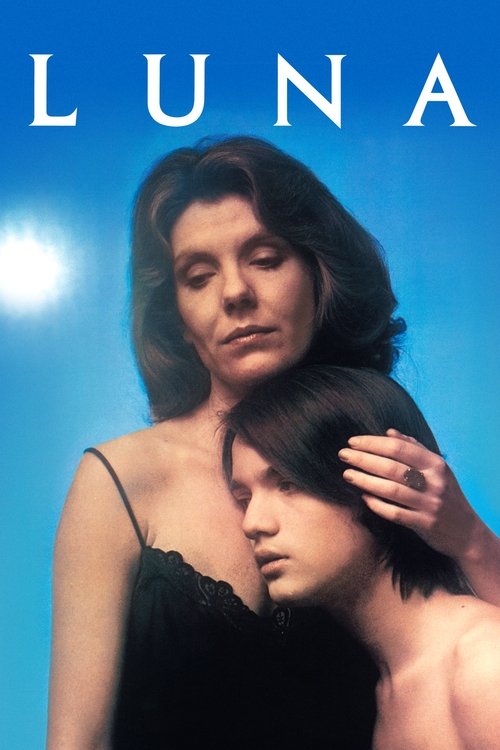
While touring in Italy, a recently-widowed American opera singer has an incestuous relationship with her 15-year-old son to help him overcome his heroin addiction.
Luna

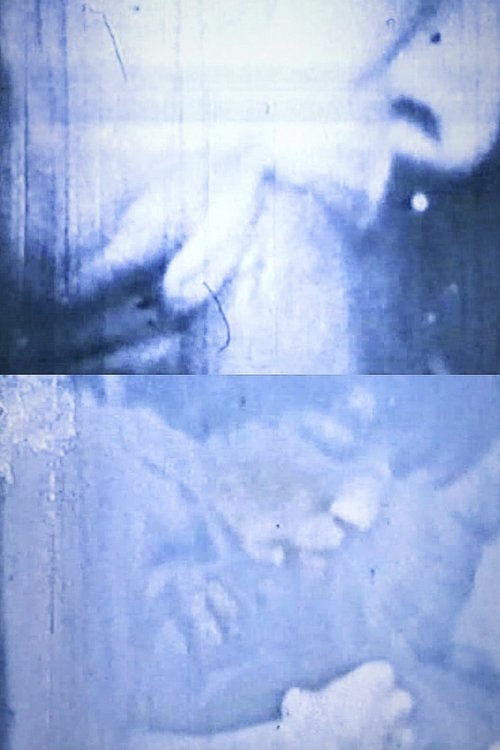
"Trasferimento" takes up the erotic theme of 8mm films and manipulates it using development techniques studied in early 16mm cinema. The regression that emerged only later in the re-reading of Macrozoom is here contemporary with the filming itself, which is in fact a re-interpretation of other cinematic material . The film’s process consists precisely in transferring, through technique, certain expired yet traumatic data into existence. The sexual act is explicit, and the material itself is a film. He seems concerned with reconnecting to the moment of his own conception, and here he is very close to it. (M. Bacigalupo)
Transfer of Modulation

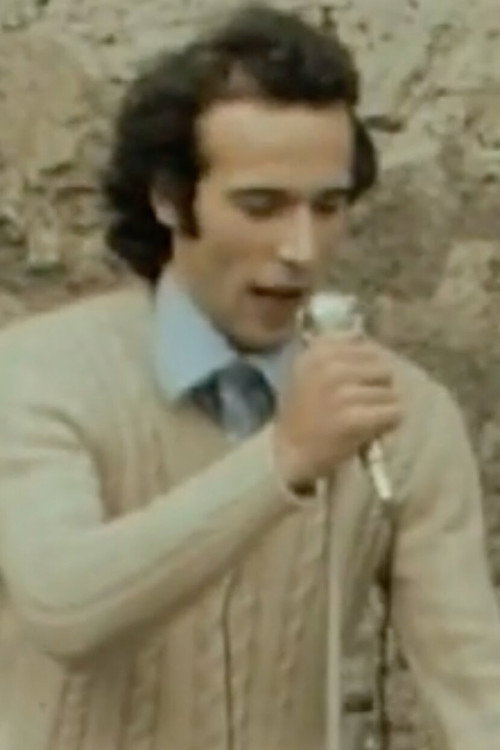
Short film by Paolo Brunatto with Roberto Benigni performing a fake political rally in Capalbio. Shot for the Italian television.
Il comizio

Part of Piero Bargellini's Lost Cinema
Vi prego di accettare questo semplice bouquet di parentesi appena sbocciate

Images of everyday life in the family for Bargellini, his wife Oriana and little Rebecca alternate with others whose meaning is less clear (the crypt of a vampire, a flower that blooms).
Dove incominciano le gambe

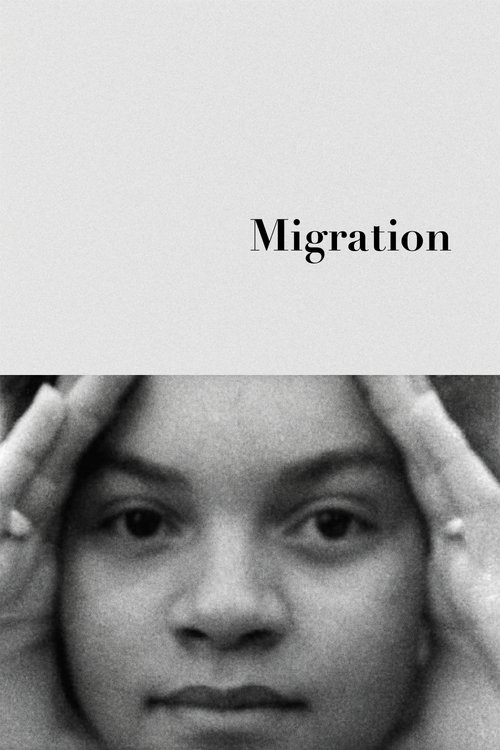
A series of migrants who at times narrate and impersonate shards of myths, among them the Great Goddess, the Virgin of Bach’s Magnificat, the Sulamite of Stockhausen’s Song of Solomon (“I am black but comely”), tales by Herodotus, Kafka, Villon (as set to music by Ezra Pound). Third part of the Flower of Eryngium cycle.
Migration

Collective manifesto by the members of C.C.I. It is a collective film, the result of an operation devoid of any aesthetic purpose: to verify the existence of any harmony between a fairly large group (twelve people) of members of the independent Cooperative. Someone, who had the idea, turned 60 meters of Ektachrome according to the moods –or discontent – of the moment and gave them to others to see. The others reacted, each with their own piece. It was then thought to call the film “circular letter”. It was not so simple and so quick: the operation, which started in June of ’68, ended in March of ’69.
Tutto, tutto nello stesso istante

The story: the death of a dog, filmed subsequently, a violent death because it is caused in a veterinarian’s clinic; a man in a white coat injects the strychnine… The film: afterwards there’s a moment when the animal’s eye emit violet-blue flashes, then nothing, but only apparently. Now everything is sweetness, what continues is death: the voyage into death – the transfiguration – the images that return, only to disappear from memory, emerge from the recollections in a purifying vortex that take them back to their essence. It’s the gradual breaking down of the image into form and then into colours and then into light and finally it’s the beginning: the vibration that is the matrix of sound of light of life. It’s the cosmos that makes that meat good to eat for a million years.
Stricnina

No description available.
Due silenzi e un'armonica

No description available.
Gasoline

No description available.
Il teschio

No description available.
Macrozoom
It exists only in a fragmented state.
Bacino Casa del lupo o di Tonino Massimo e Piero

A very young Marco Melani is divided between reading cinema magazines and watching car racing on TV.
L'incompiuta

Experimental short involving various forms of manipulaiton of light sources.
Un ottofilm di Pierfrancesco Bargellini
![The Dream Fair [Frescoes of Naked Women]](https://image.tmdb.org/t/p/w500/cJep9TvP1YbIxNK1J1Eq6pxOhqK.jpg)
Short movie by Piero Bargellini.
The Dream Fair [Frescoes of Naked Women]

No description available.
Baraccone

No description available.
Questo film è dedicato a David Riesman e si intitolerà «Capolavoro»

First part of Fractions of Temporary Periods filmed from 1965-1968.
Fractions of Temporary Periods (I parte) ovvero Plans-séquences per una bambina

A film by Piero Bargellini.