Wolf Wirth
Camera
Known For
No description available.
German Film Award
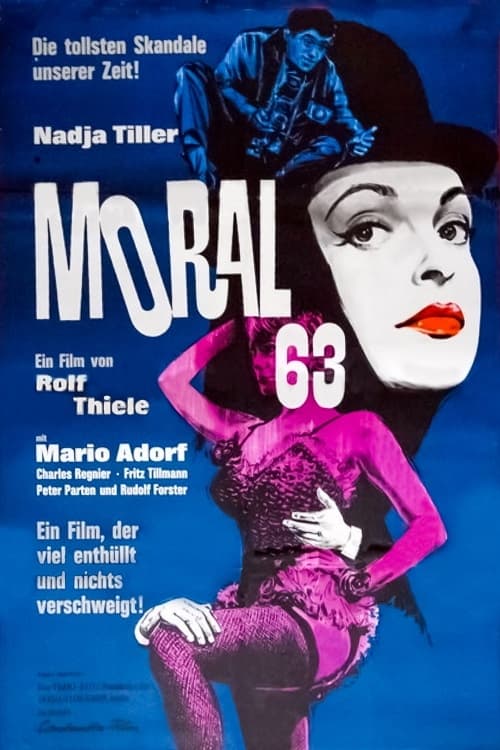
The young Marion is arrested by the police for pimping, prostitution and indecent exposure. Reporter Axel Rottmann sense a lucrative story for his newspaper. He makes a deal with Marion, to tell her story.
Morale 63
France 1944: American pilot Philip Sturgess is shot down but found by a resistance group. In the neighborhood Sturgess meets another American and shortly thereafter the British Major Barton, called “Reiher”. He claims to have fled a German prison camp. Shortly before leaving for Spain to escape the Nazis, Sturgess discovers that Barton has written a letter to Germany. This confirms the suspicion that he could be a German spy…
The River Line
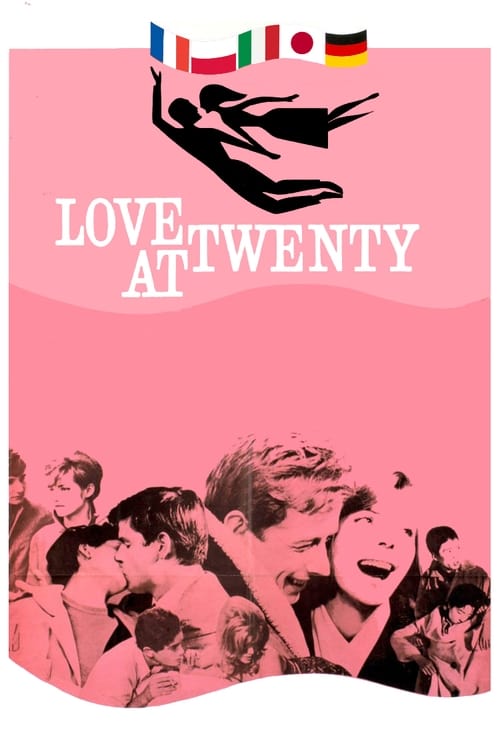
Love at Twenty unites five directors from five different countries to present their different perspectives on what love really is at the age of 20. The episodes are united with the score of Georges Delerue and still photos of Henri Cartier-Bresson.
Love at Twenty
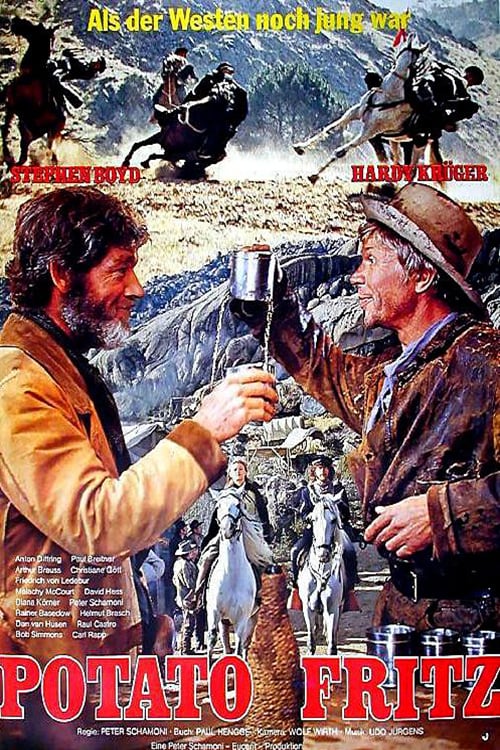
Potato Fritz and his friends have moved from Germany to the American Wild West, settling eventually in the Rockies. They are besieged by what appear to them to be hostile Native Americans. Before too long, it becomes clear that the hostiles are in fact a gang of gold thieves. This movie is notable among German-made Westerns for its use of authentic period costumes and firearms.
Montana Trap
People from all over the world spend their summer holidays at the Black Sea. German Walter and his girlfriend Gisela check in at the hotel as spouses. Walter uses the passport of his wife. The police find the body of a young woman washes up by the waves. Inspector Damyanov begins an investigation. Walter is not under suspicion, but he is ill at ease. It is because of his wife passport? Ex-Nazi officer Kunze has his own little secret and causes for worry. Dutch musician Jan has something on his conscience, too, after a little love with a Bulgarian girl. Having penetrated the unsavory secrets of all those people, Damyanov leads them to the conviction that it is difficult to live a life of deception.
Sets
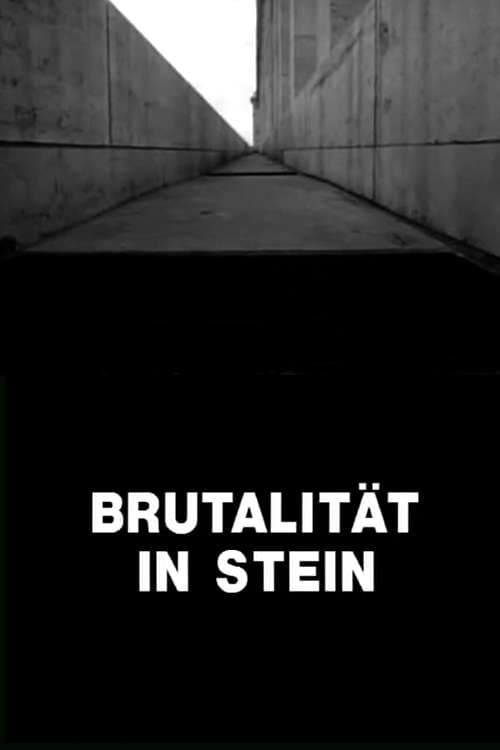
In his experimental short film "Brutalität in Stein" (Brutality in Stone), Alexander Kluge demonstrates how Nazi architecture used dimensions of inhuman and super-human scale to bolster the regime's politics of the same kind. Shots of huge neo-classical architectural structures from the Nazi period are confronted with equally anti-human national-socialist language as a voice-over.
Brutality in Stone
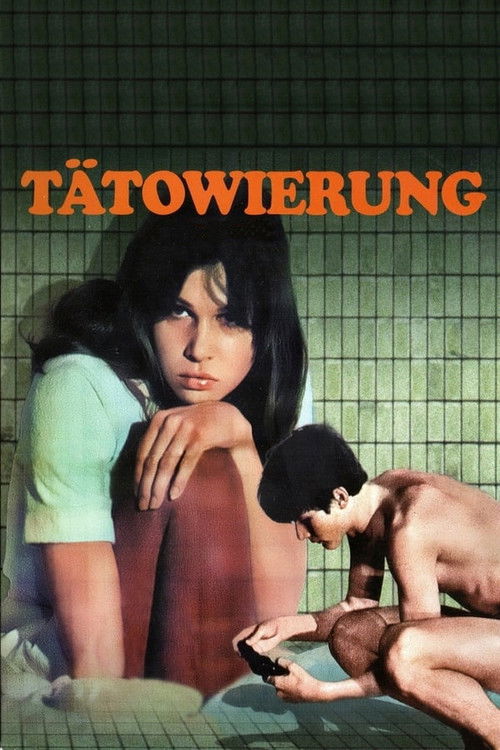
A well-off couple adopt a 16-year-old boy from an orphanage in West Berlin, but their attempts to help him assimilate into his new surroundings fail. The repressive tolerance of the well-educated adoptive parents is just too much for the mischievous young boy.
Tattoo
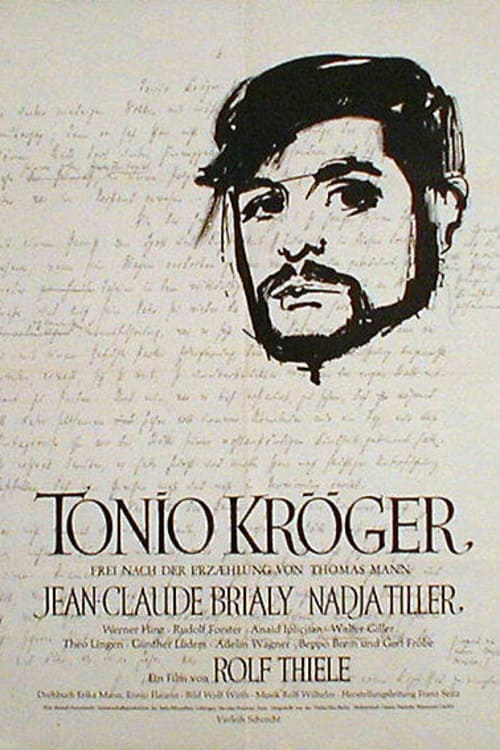
This drama is taken from Thomas Mann's 1903 semi-autobiographical novel. Tonio (Jean Claude Brialy) is an aspiring writer and the son of a rigid aristocratic father and a music-loving mother. Wandering throughout Germany and Italy to "find himself," Tonio frequently remembers his childhood experiences in a series of flashbacks. The highlight of the film is the expert lensing by cinematographer Wolf Wirth. Erika Mann, the daughter of the late poet and author, collaborated with Ennio Flaiano on the screenplay.
Tonio Kröger
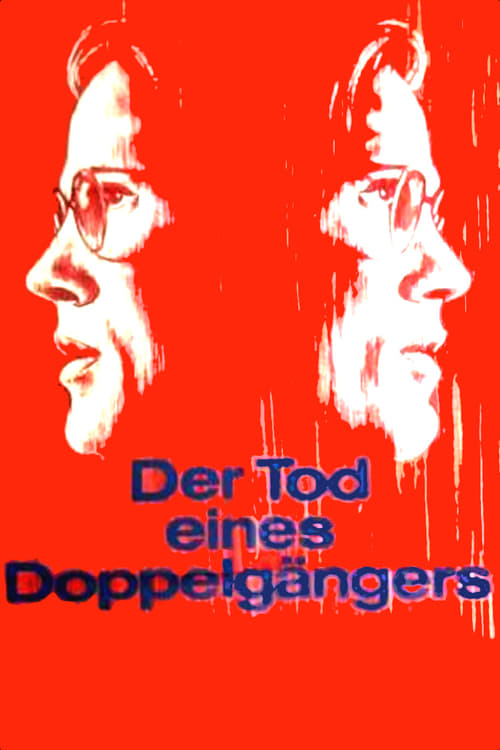
The submissive assistant of an abnormal jeweler becomes the victim of a doppelganger who plans the perfect crime.
The Death of a Double
The mermaid Undine is looking for a man who is worthy of her love.
Undine 74
T. finds a letter. Instead of just dropping it in a mailbox, he decides, conscientious as he is, to deliver it personally. He wanders the entire world, discovers astounding forms of existence, but cannot be hindered from his duty and keeps looking until he finally finds the address. There, he finds out that he has delivered his own judgment.
The Letter
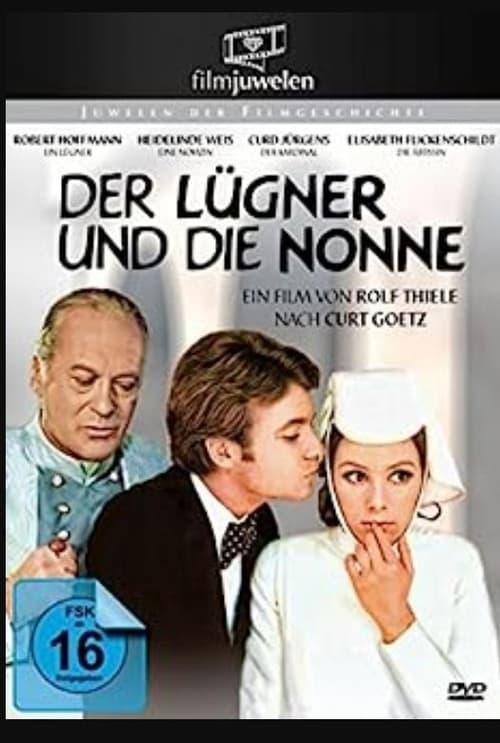
No description available.
The Liar and the Nun
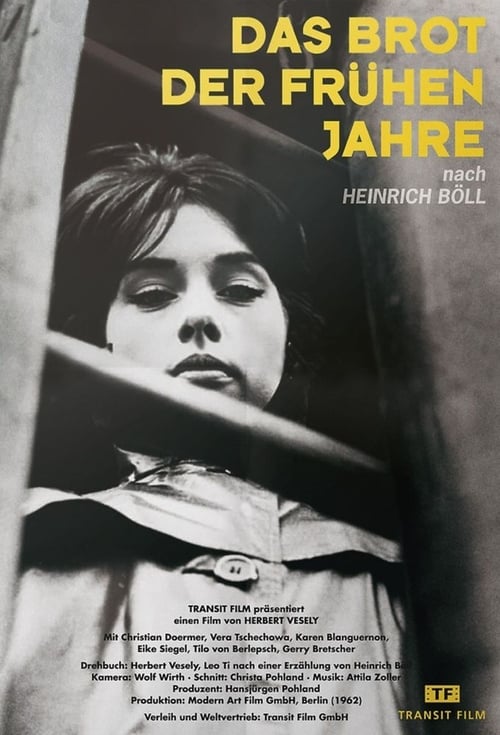
A young electrical engineer, engaged to his boss's daughter and on the way to a secure existence, breaks out of his usual life when he meets a childhood friend.
The Bread of Those Early Years
A mother wants to buy a bike for her son, but she doesn't have enough money.
Bit by Bit
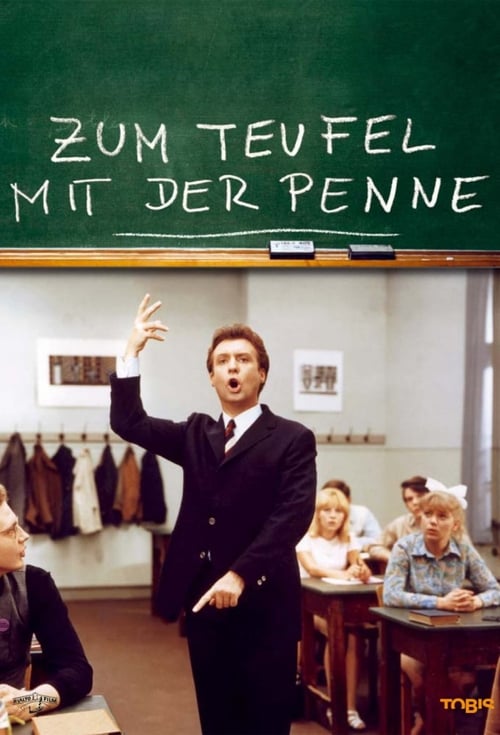
Pepe Notnagel (who inexplicably had his name changed from the first movie's Nietnagel) and his classmates scheme to get around doing any actual school work by cheating or sending their teachers to the sanatorium. A Swiss documentary film maker disguises himself as his brother in law, who got a position as an exchange teacher, to aid his project of making a movie about the current youth.
Zum Teufel mit der Penne
Allegory of a man who leads the people to destruction and then is reborn to recommence the cycle.
The Pot
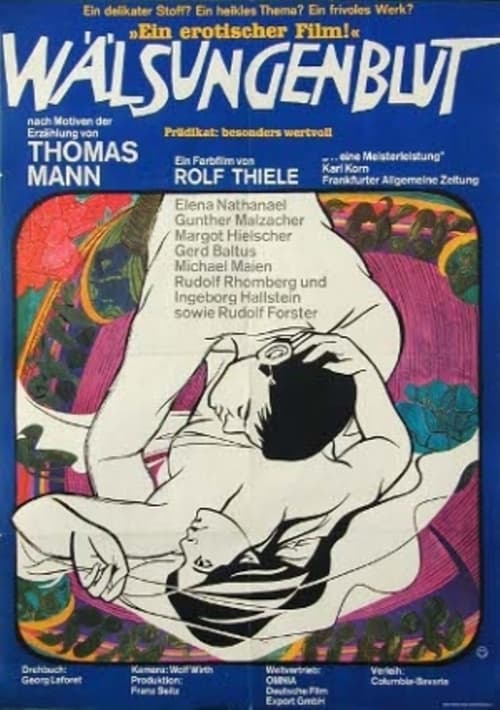
The siblings Sieglinde and Siegmund von Arnstatt are inseparable. Their arrogant manner is particularly felt by Sieglinde's fiancé, Lieutenant Justus von Beckerath. Siegmund jealously watches over his sister, with whom he falls into a frenzy of emotion during a performance of Richard Wagner's opera "Die Walküre." Beckerath realizes that he will never be able to break into the incestuous intimacy of the twins. Finally, Siegmund and Sieglinde give themselves over completely to their sensual intoxication...
The Blood of the Walsungs
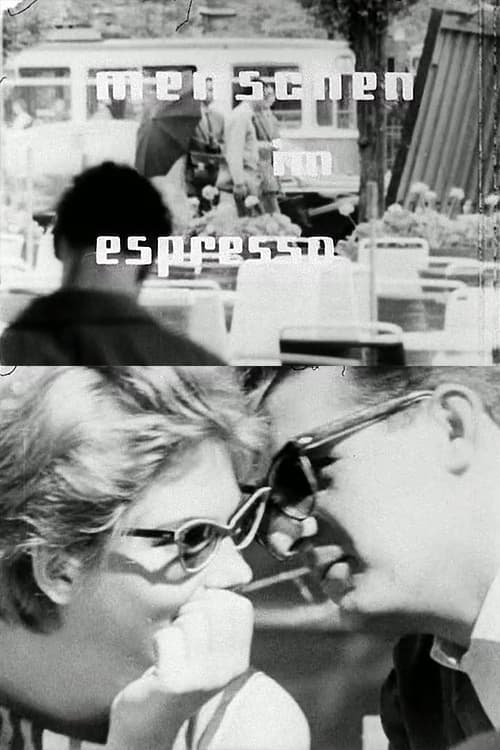
Vesely’s study on changing urbanity claims that "the Espresso has a democratic touch." Italy has expanded into Munich and instead of beer hall cellars, there are Cappuccinos, ice creams and tables in the open.
People at the Espresso Bar
Short film about labor relations.