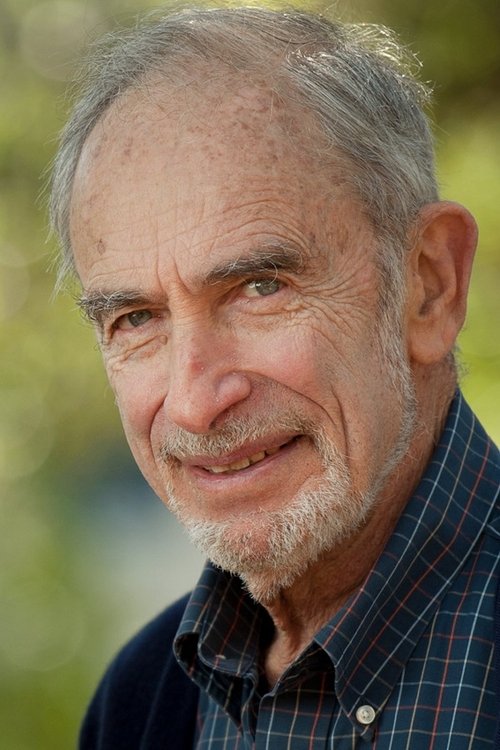
Paul R. Ehrlich
Acting
Biography
Paul Ralph Ehrlich is an American biologist, best known for his warnings about the consequences of population growth and limited resources. He is the Bing Professor of Population Studies of the Department of Biology of Stanford University and president of Stanford's Center for Conservation Biology.
Known For

The Mike Douglas Show is an American daytime television talk show hosted by Mike Douglas that originally aired only in the Cleveland area during much of its first two years on the air. It then went into syndication in 1963 and remained on television until 1982. It was distributed by Westinghouse Broadcasting and for much of its run, originated from studios of two of the company's TV stations in Cleveland and Philadelphia.
The Mike Douglas Show

Hosted by Hamish Macdonald, Q&A puts punters, pollies and pundits together in the studio to thrash out the hot issues of the week. It's about democracy in action - the audience gets to ask the questions.
Q&A

A documentary examining climate change and its impact on mass migration of people.
Climate Refugees
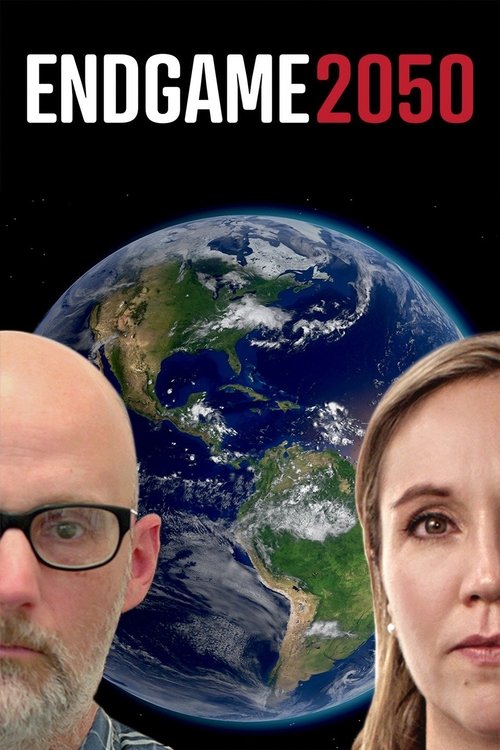
What will the future be like in the year 2050? Endgame 2050 is a feature-length documentary that gives us a glimpse into that future, and it does not look good. Featuring musician Moby along with leading scientists, and created by physician turned environmentalist Sofia Pineda Ochoa, Endgame 2050 is an urgent call to action to tackle the existential crises bearing down on the planet.
Endgame 2050
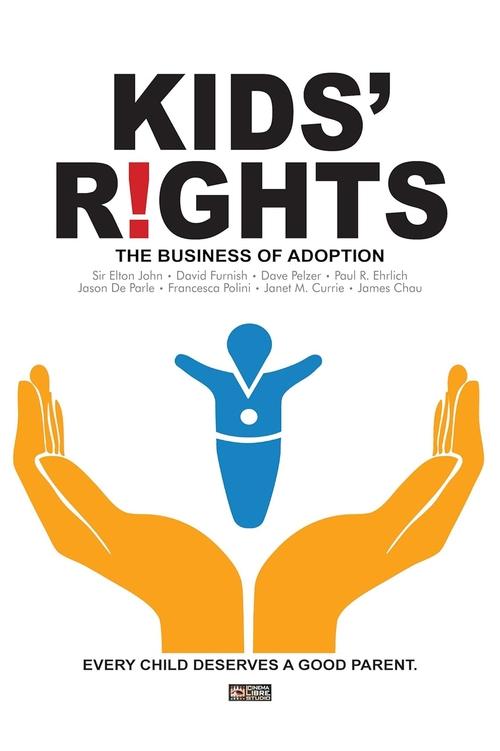
Having personally witnessed Sir Elton John's failed attempt to adopt a child, a young couple questions themselves if they are ready for kids and whether everyone should match a certain criteria to be either biological or adoptive parents. The search for the answer pushes them into an entire journey through Nepal, Ukraine, China, the United Kingdom and the USA where they face corruption of the adoption system and have to stand against billions of dollars behind it... They meeting people who managed to adopt and those who failed because of their skin color, weight, or habits... In the middle of their investigation, they reveal that the right to have kids can be easily taken away from people even in most civilized countries... no votes needed, the regulations are already in action! Should we just accept these regulations or should fight against them?
Kids' R!ghts
A documentary exploring the possible ecological and atmospheric consequences of nuclear war, particularly as they would be expressed in a "nuclear winter."
On the 8th Day
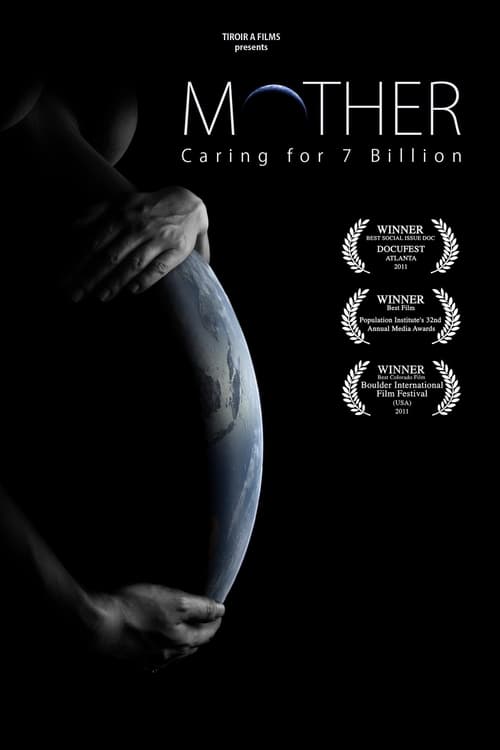
Mother, the film, breaks a 40-year taboo by bringing to light an issue that silently fuels our largest environmental, humanitarian and social crises - population growth. Since the 1960s the world population has nearly doubled, adding more than 3 billion people. At the same time, talking about population has become politically incorrect because of the sensitivity of the issues surrounding the topic- religion, economics, family planning and gender inequality. The film illustrates both the over consumption and the inequity side of the population issue by following Beth, a mother, a child-rights activist and the last sibling of a large American family of twelve, as she discovers the thorny complexities of the population dilemma and highlights a different path to solve it.
Mother: Caring for 7 Billion

Biologists estimate 20,000 to 40,000 species go extinct every year, many times higher than the "background extinction rate" built into the evolutionary process. The cause? Human environmental impact, the product of consumption times population. Many environmentalists focus on our excessive consumption, but discussing the latter factor in the equation - population - has fallen out of vogue. Welcome to environmentalism's radical fringe: the Voluntary Human Extinction Movement and the Church of Euthanasia. Armed with slogans like "Thank You For Not Breeding" and "Live Long and Die Out," their ideas are usually greeted with laughter or hostility. But beneath the silliness, do they have a point? Through humorous animation and live-action interviews with academics, economists, and activists across the political spectrum, "Thank You For Not Breeding" takes a new look at our species, our environment, and our future.