Acting
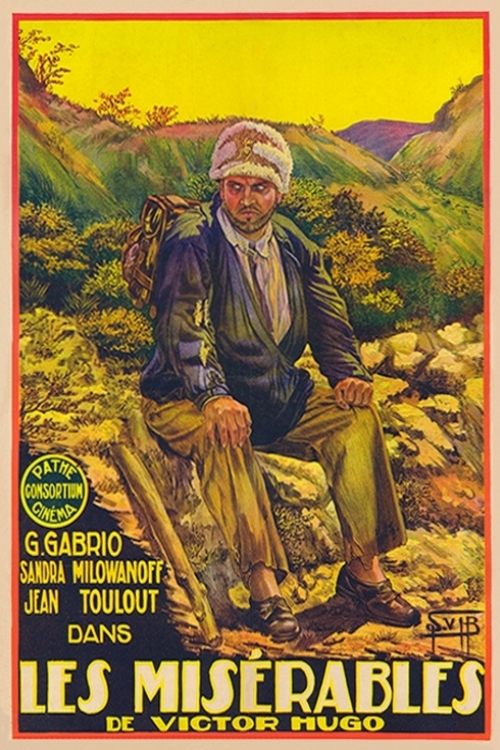
In 19th century France, Jean Valjean, a man imprisoned for stealing bread, must flee a relentless policeman named Javert. The pursuit consumes both men's lives, and soon Valjean finds himself in the midst of the student revolutions in France.
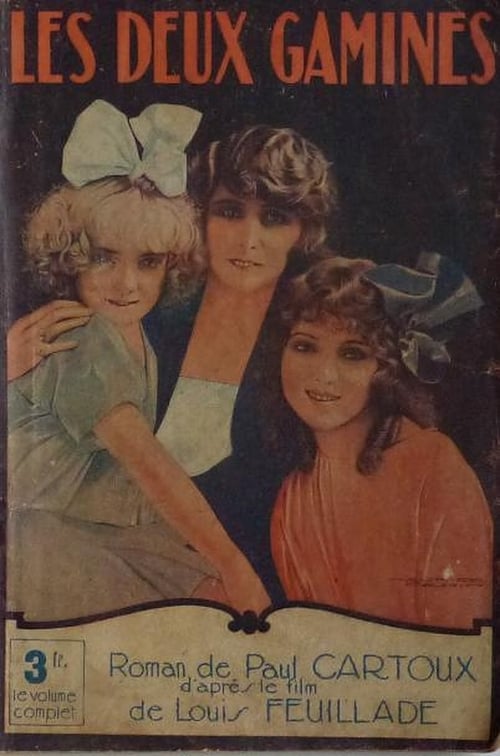
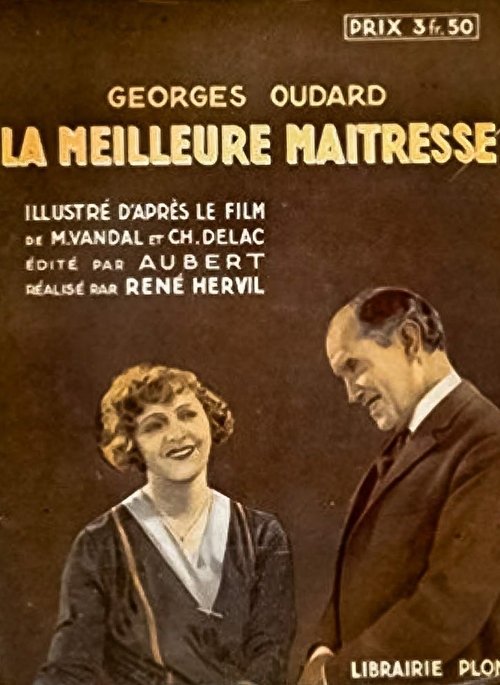
Michel Corbier, a widower, remarries Madeleine. His children, Lalie and Jo, see her as their second mother and call her "Nène."
No description available.
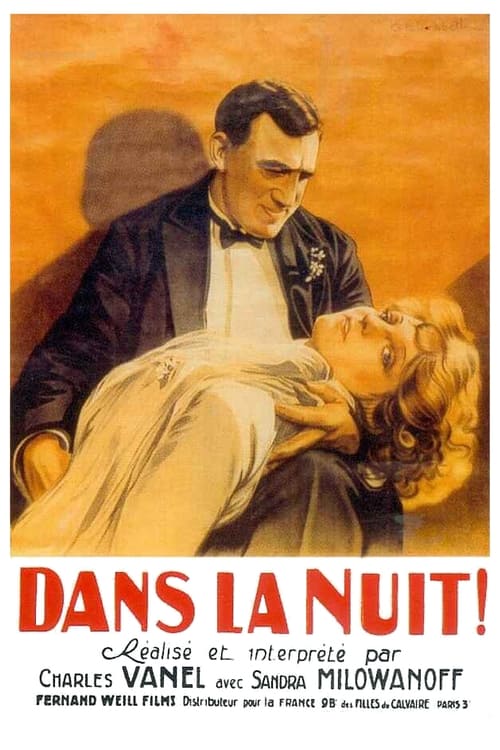
Following her father's advice, Hélène Haviland (Sandra Milovanoff) accepts the marriage proposal of Fellaire de Sizac (Abel Tarride). Later she finds Dr. Groult (Henri Fabert), one of their friends, trying to kill her husband by poisoning slowly over a long period of time. It's painful but she keeps silence...
Directed by Louis Feuillade.
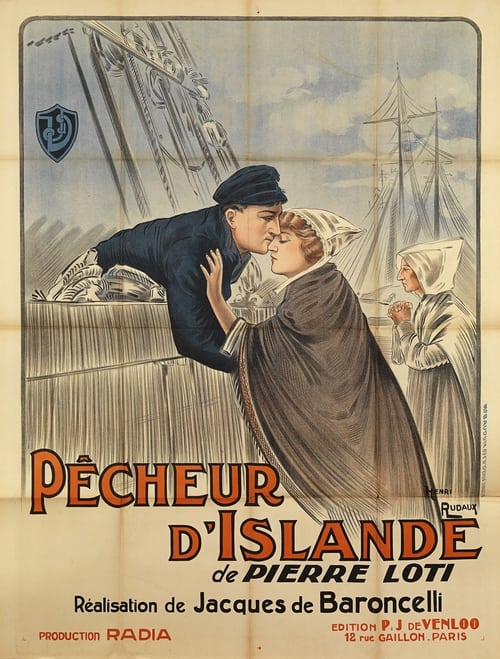
Faithfully reproduced observations of Breton fisherfolk in story of the man a local woman really loves who will not at first give himself to her because of his fondness for the sea that takes him away.
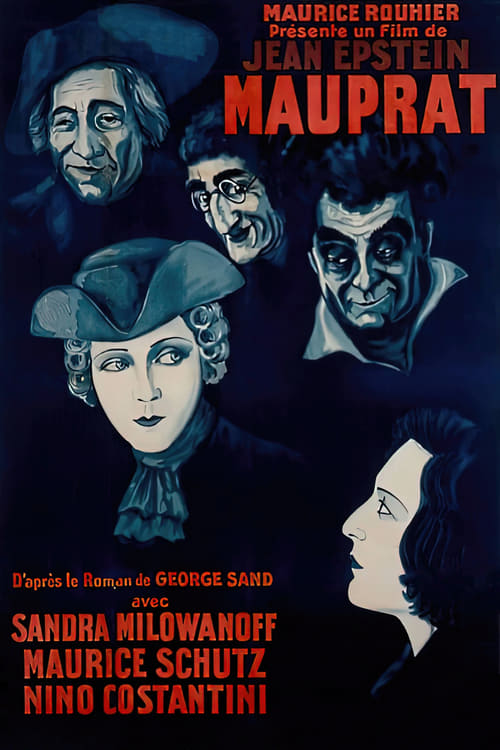
Romantic novelist George Sand's Mauprat as adapted by cinema visionary Jean Epstein. As a child, orphan Bernard de Mauprat was adopted by Tristan, a brigand who brought him up with his biological sons to hate, kill and pillage. Hubert de Mauprat, the elder brother of Tristan, the very incarnation of nobility, and his daughter, the beautiful and intrepid Edmée, undertake to tear wild-eyed Bernard away from his uncle. Still uncouth and rough, Bernard endeavors to wrest the love of Edmée away from her betrothed.
A melodrama.
In Central Europe, resistance to the Germans in growing. But the partisan leader is denounced and killed. His daughter and the son of the traitor love each other. Condemned by his comrades, the informer commits suicide in front of the young couple.
Two small girls whose father is in prison are collected by their grandfather after losing their mother in a shipwreck.
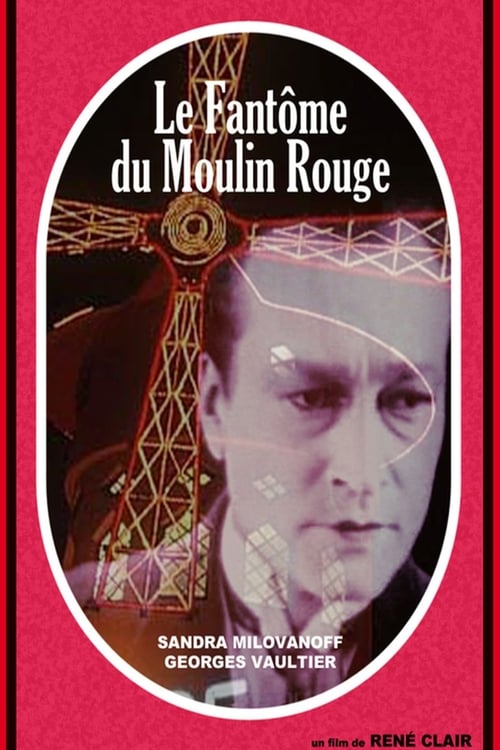
A young man, unsuccessful in love, manages to leave his body and tours Paris, disembodied and invisible, playing practical jokes: a row of coats walks off from a hotel cloakroom; an unattended taxi drives itself away; a row of top hats appears on the pavement.
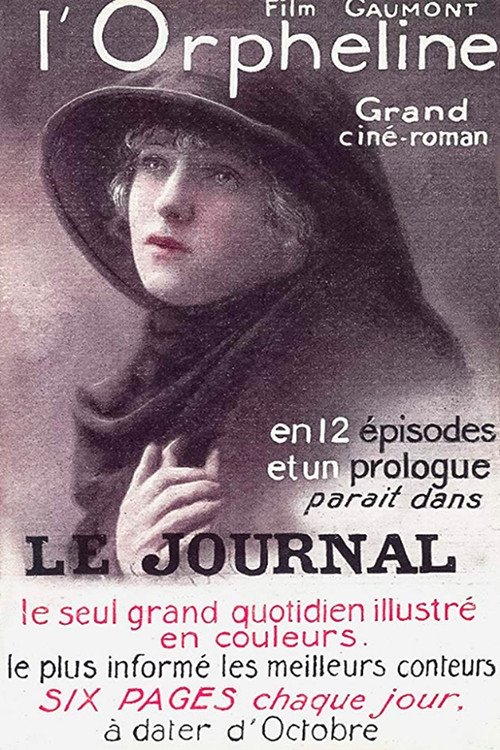
This twelve-part melodrama details the intertwined fates of a Portuguese nobleman, a Carmelite nun, and a mysterious look-alike.
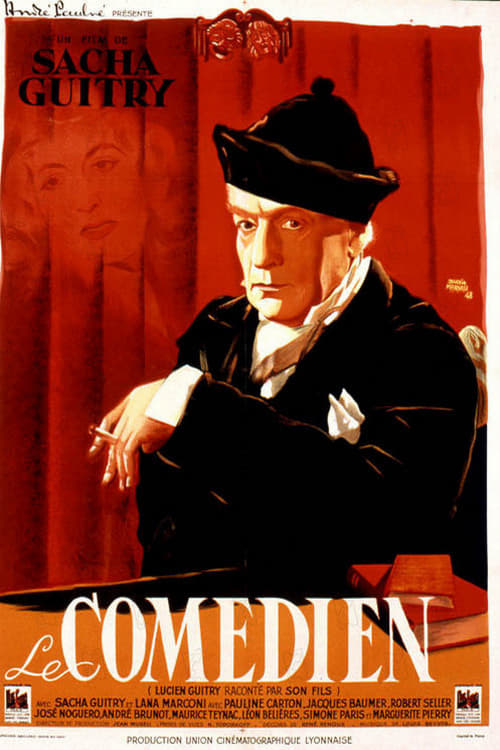
Biography of Lucien Guitry, stage comedian, by his son, movie director, and a poetic reflection on the passionate love of both men for their chosen art forms.
Two war orphans, Joseph, apprentice printer, and Lisette, typist, live with their grandmother in Belleville. Lisette loves his next door neighbor, the painter Amedee, but this one does not offer him a union. Joseph Amedee learning is the son of a general, advocates for Lisette and everything ends in marriage.
The film is based on a story by Guy de Maupausant. The story details several years in the life of convent-bred Angela (Mona Mårtenson) who leaves her convent in Italy to go live with her aunt Peppina (K. Swanstrom), whose husband Giambastista wants to take advantage of her. She flees and takes refuge with the painter Frank Wood ( handsome Louis Lerch) and winds up in a romance with Wood. Alas, Wood is already married, and when Martenson finds out, she returns to the convent in disgrace. On the verge of shutting herself off from the world and taking her vows as a nun, the heroine once again crosses the path of Wood, who is now free to marry her. Sandra Milowanoff has a big scene where she commits suicide on discovering that her husband no longer loves her.
A quarry worker gets married and lives his marital bliss, until an explosion at his workplace, a mine, disfigures him...
After the divorce of her parents, Colette gets sent to her grandfather's who she never really knows. Mrs. Lapierre, her new governess is very severe indeed. Later, due to their disputes, Colette runs away from home and gets sick.
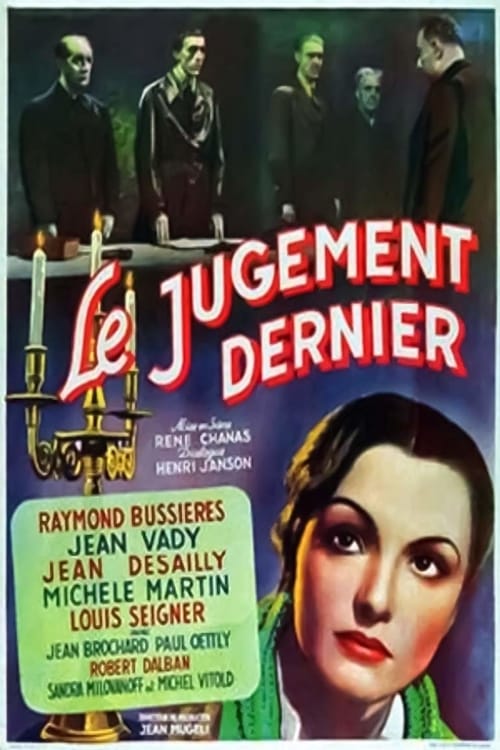
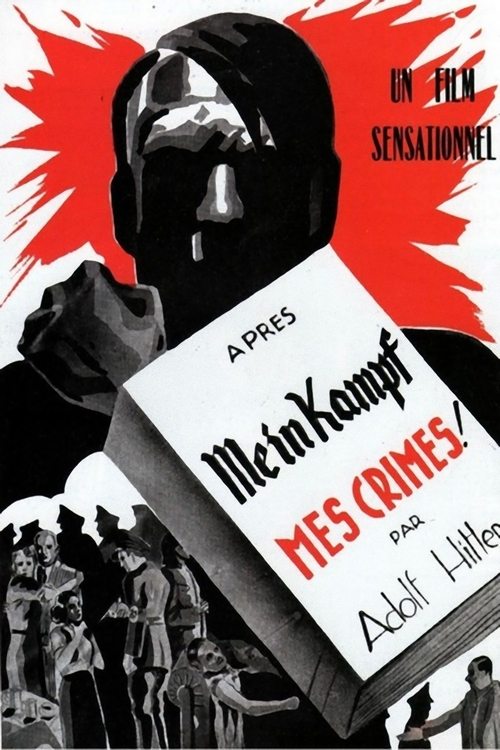
The film shows the seizure of power by the Nazis and Hitler wants a trial, at a time when France has just declared war on Germany (Sept. 3, 1939). Hybrid composition, it alternates originals and reconstructions performed by actors (docudrama). A not-so-subtle condemnation of Hitler, Nazism and Germany by the movie's French film makers, which conveniently makes no mention of how the policies of Great Britain and France created Hitler and allowed him to go as far as he did prior to the beginning of the Second World War.