
João Batista de Andrade
Directing
Known For
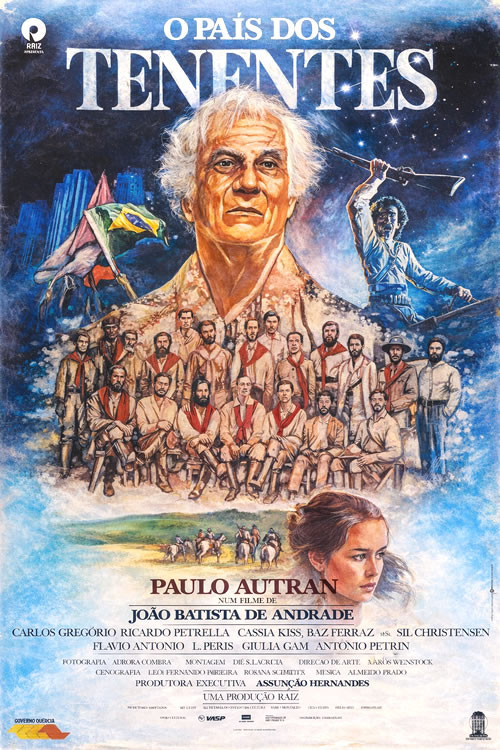
With death getting near, a retired officer remembers the most important passages in his life and his participation in historical events in Brazil, such as the Lieutenants' Movement, and the 1964 coup.
O País dos Tenentes
Am unemployed man receives a package from a dying stranger to be delievered to a certain Maira at 6th Street but he never learns the number.
6th Street, No Number
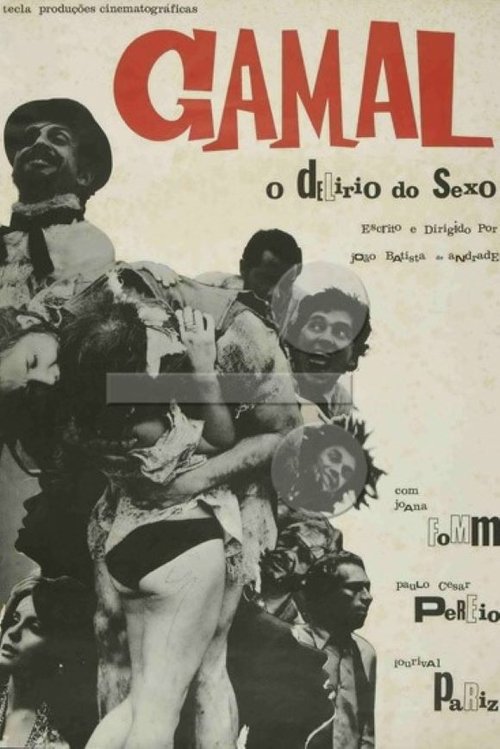
Symbolic film from the Underground Movement of Brazilian Cinema (Cinema Marginal) about a woman, three men and some apes. In the director's own words: “a fable where realism and logic have no place, and in which sex is a translation of all the tortures, circumstances and violent actions.”
Gamal, O Delírio do Sexo
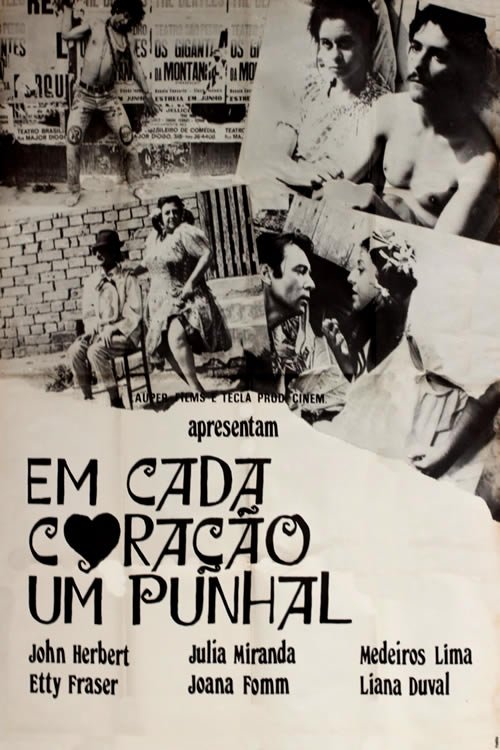
A woman asks her boyfriend for his mother's heart as a proof of love. Another, a kleptomaniac, has an affair with a TV professional. And a young man becomes a sex symbol after an advertising campaign.
Em Cada Coração um Punhal
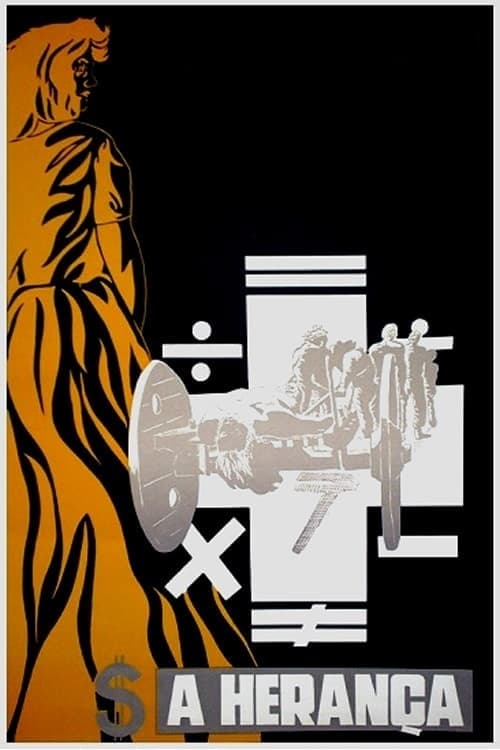
An experimental adaptation of Hamlet to Brazil's rural areas. Farmer's son returns home after his father's death and can't stand the thought of his mother marrying his uncle.
The Inheritance
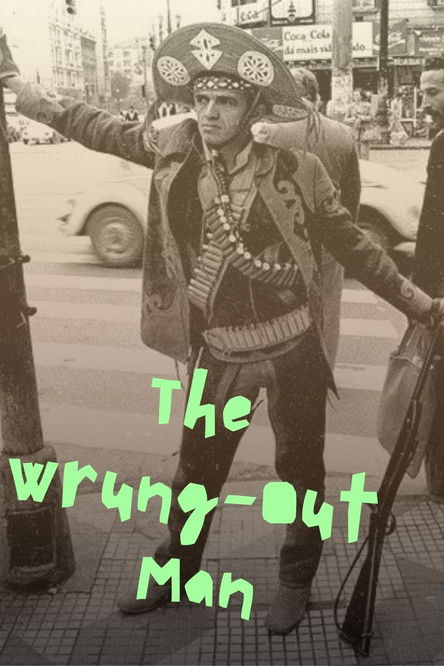
Deraldo, a popular poet from Northeast Brazil, arrives in the capital of São Paulo, making a living only from his poetry and pamphlets. All is well until he is mistaken for a multinational worker who killed the boss at a party where he received the title of symbolic worker.
The Wrung-Out Man
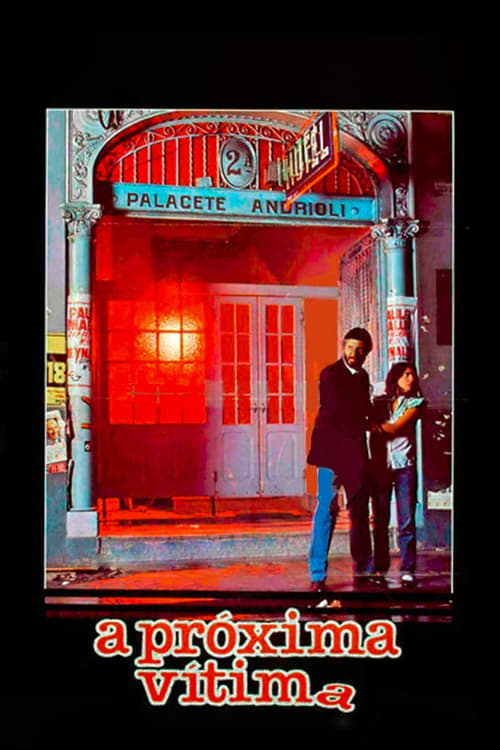
A TV reporter tries to find out who is killing prostitutes in a São Paulo neighbourhood.
The Next Victim
Documentary wich tries to capture the iconoclastic spirit of the 1922 Week of Modern Art, to tell about the beginning of cinema made in the city of São Paulo.
Paulicéia Fantástica
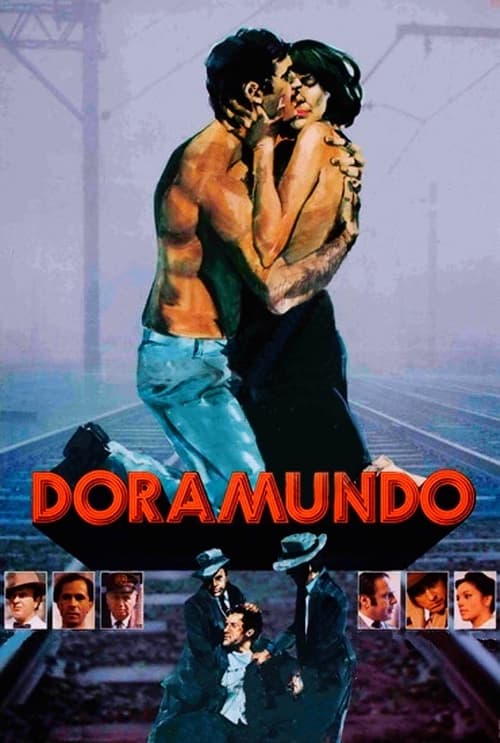
A series of murders begins to haunt Cordilheira, a small town near São Paulo, Brazil. The investigations show there is a love triangle involved.
Doramundo
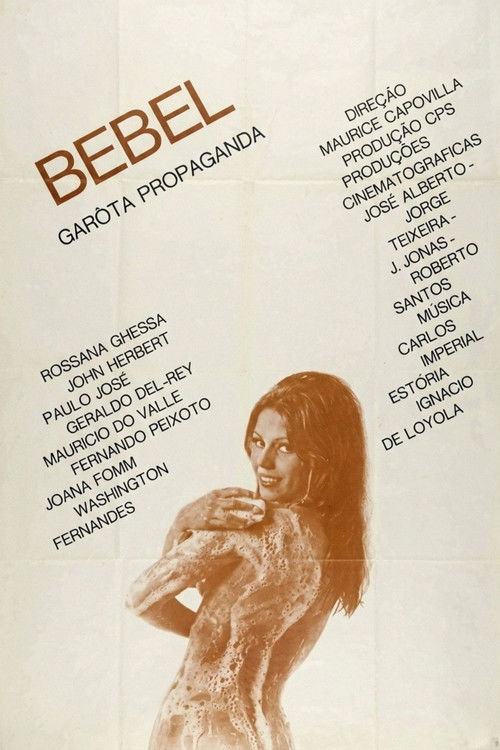
Poor and beautiful girl is hired by a sales promoter to advertise a new brand of soap. The success is immediate, but the need for a new face hinders her way to stardom.
Bebel, Garota Propaganda
No description available.
Tribunal Bertha Lutz
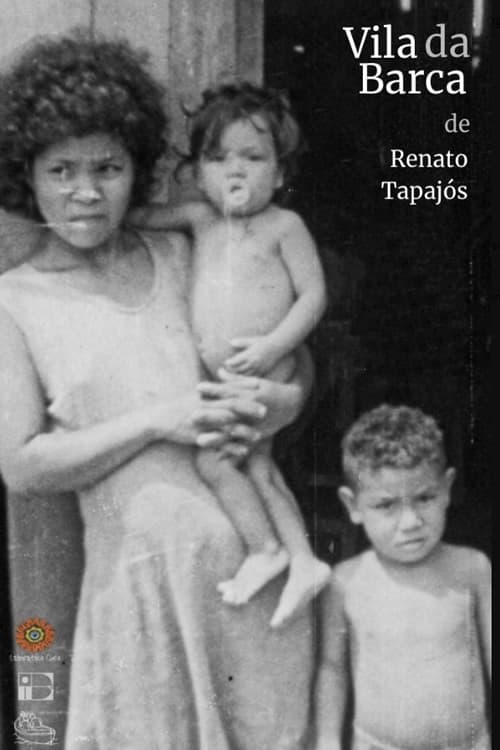
The first work by documentary master Renato Tapajós, "Vila da Barca" focuses on the daily struggles faced by the people who live on the shanty town of Vila da Barca, Pará, Brazil.
Vila da Barca

No description available.
Soberano

No description available.
Por Um Fio
No description available.
Alice
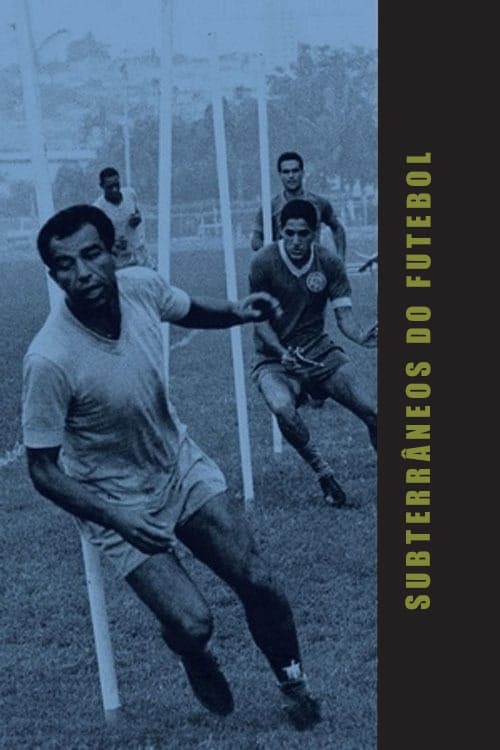
The practices of football in Brazil and the issues surrounding the sport. Press, players as a commodity, the popular passion, the practice on the fields of várzea. The statements of Luiz Carlos de Freitas, a young promise of Palmeiras, and Feola's coach, as well as an interview with Pelé.
Subterrâneos do Futebol
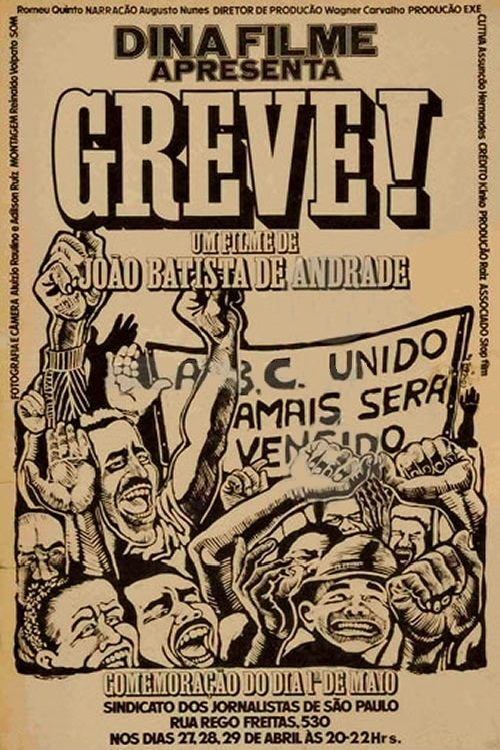
A documentary about the 1979 workers strike.
Greve
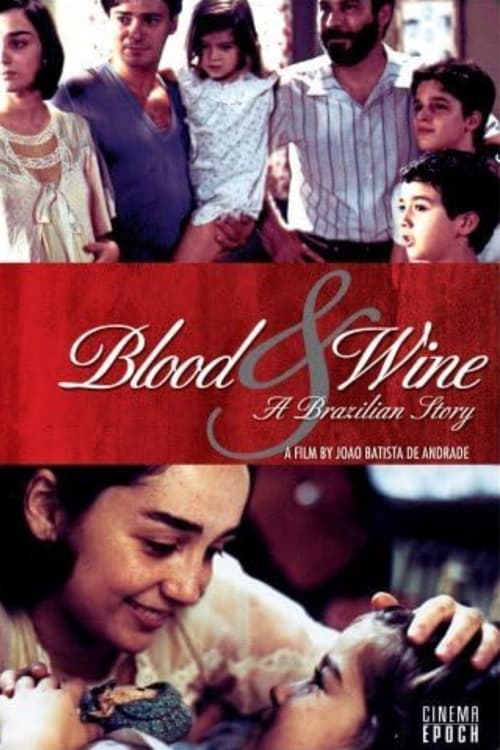
Mateus, his wife Antônia, their three kids and his brother Pedro opened a grocery/bar in Goiânia, Brazil, in 1959, called "Armazém Brazil". But in the opening party, the Police, headed by a violent inspector nicknamed "Capitão", arrive to arrest, with extreme violence, an outlaw known as "Flexa". This violent scene scars the family permanently and becomes the prelude to a tragedy.
Blood and Wine: A Brazilian Story
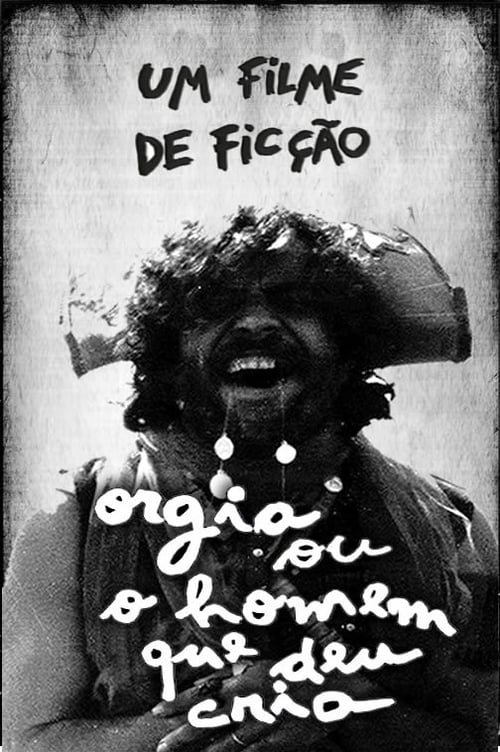
A countryman kills his father and heads for the big city. On his way, he meets the most bizarre and allegorical types: a robber, a drag queen who thinks he's Carmen Miranda, a black king, a fallen black angel, a priest, two whores, a pregnant cowboy, among others.
Orgy or The Man Who Gave Birth
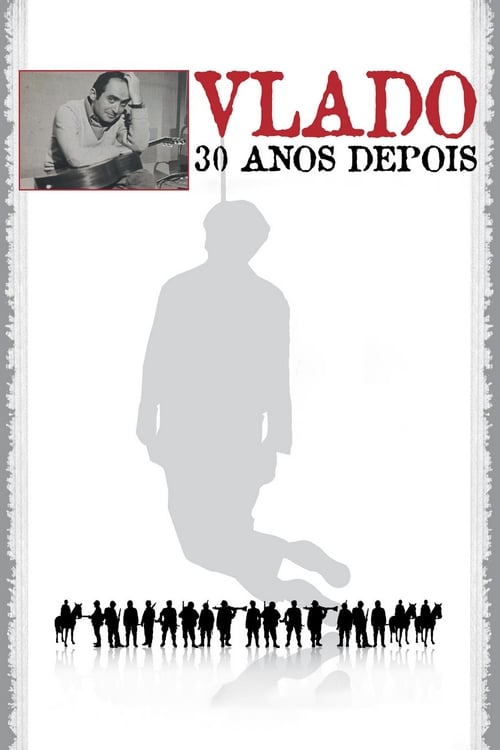
The documentary tells the story of journalist Vladimir Herzog, nicknamed Vlado, who has been tortured and murdered during the repression years of Brazilian military dictatorship.