João Batista de Andrade
Directing
Known For

An experimental adaptation of Hamlet to Brazil's rural areas. Farmer's son returns home after his father's death and can't stand the thought of his mother marrying his uncle.
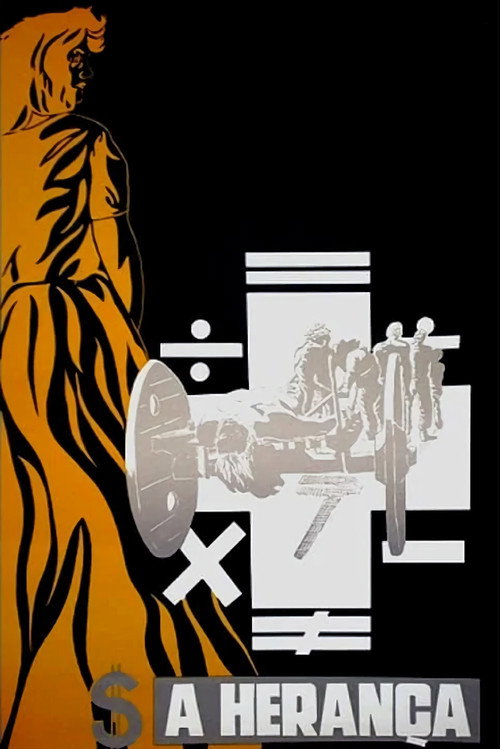
The Inheritance

Vicente, a tax collector, is sent to a distant region to defy the dominion of Melo, a powerful landowner. When Melo's henchmen burn down the collector's office building, the government retaliates by deploying soldiers, overseen by Carvalho, a hard-headed judge. Carvalho orders the soldiers to invade Melo's land, which prompts the start of a full-blown war.
O Tronco

A countryman kills his father and heads for the big city. On his way, he meets the most bizarre and allegorical types: a robber, a drag queen who thinks he's Carmen Miranda, a black king, a fallen black angel, a priest, two whores, a pregnant cowboy, among others.
Orgy or The Man Who Gave Birth

The documentary tells the story of journalist Vladimir Herzog, nicknamed Vlado, who has been tortured and murdered during the repression years of Brazilian military dictatorship.
Vlado: Thirty Years Later

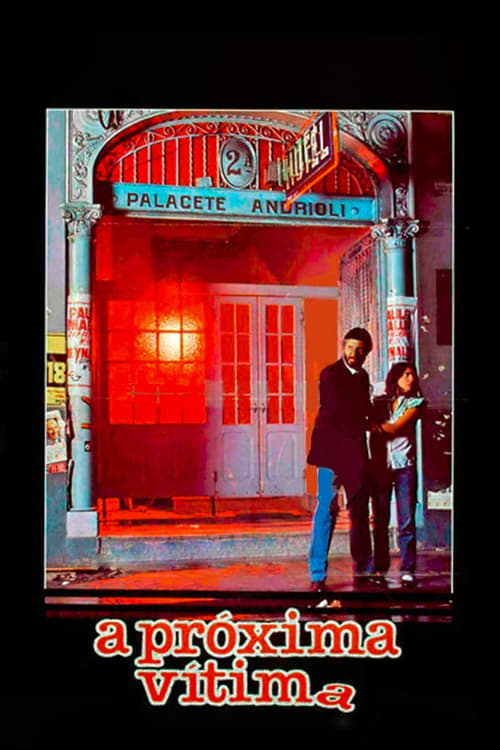
A TV reporter tries to find out who is killing prostitutes in a São Paulo neighbourhood.
The Next Victim
No description available.
Alice

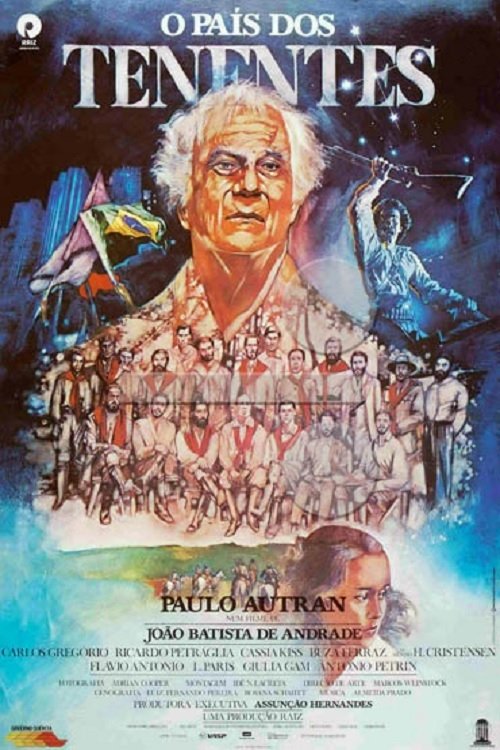
With death getting near, a retired officer remembers the most important passages in his life and his participation in historical events in Brazil, such as the Lieutenants' Movement, and the 1964 coup.
O País dos Tenentes

Deraldo, a popular poet from Northeast Brazil, arrives in the capital of São Paulo, making a living only from his poetry and pamphlets. All is well until he is mistaken for a multinational worker who killed the boss at a party where he received the title of symbolic worker.
The Wrung-Out Man

A brief tribute to Brazilian painter Cândido Portinari relating to his humble beginnings as a citizen born in the town of Brodósqui, located on the countryside of São Paulo. Some of his paintings and poems are presented along with some archive images.
Cândido Portinari, um Pintor de Brodósqui

Mateus, his wife Antônia, their three kids and his brother Pedro opened a grocery/bar in Goiânia, Brazil, in 1959, called "Armazém Brazil". But in the opening party, the Police, headed by a violent inspector nicknamed "Capitão", arrive to arrest, with extreme violence, an outlaw known as "Flexa". This violent scene scars the family permanently and becomes the prelude to a tragedy.
Blood and Wine: A Brazilian Story

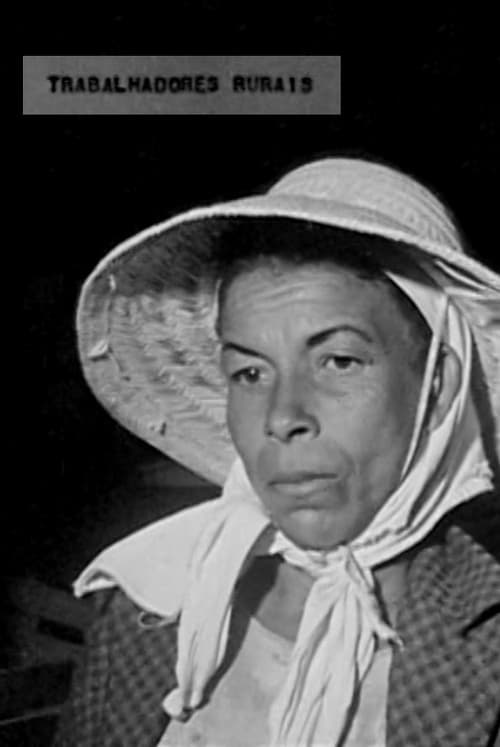
A panel of Brazilian political scenery in 1967, alternating images of the main events and politicians and specialists' statements about freedom of the press.
Freedom of Press

A series of murders begins to haunt Cordilheira, a small town near São Paulo, Brazil. The investigations show there is a love triangle involved.
Doramundo
Documentary wich tries to capture the iconoclastic spirit of the 1922 Week of Modern Art, to tell about the beginning of cinema made in the city of São Paulo.
Paulicéia Fantástica

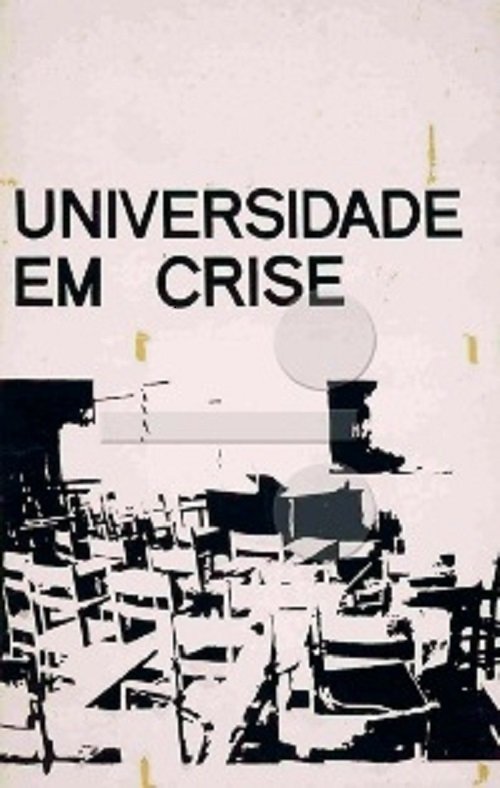
No description available.
Universidade em Crise

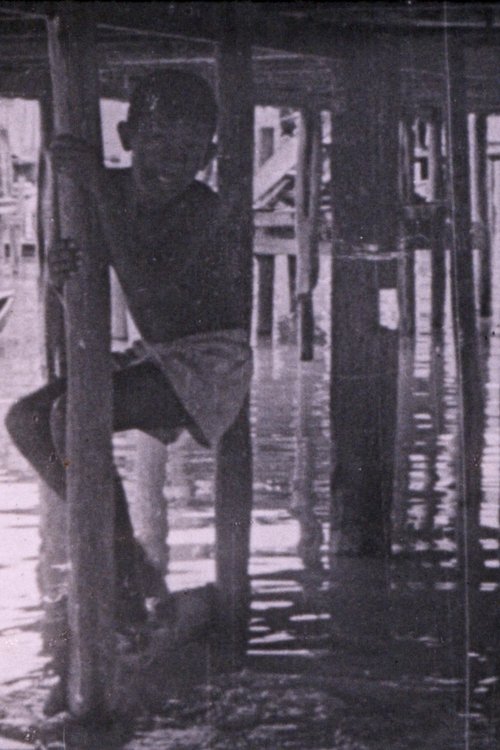
The first work by documentary master Renato Tapajós, "Vila da Barca" focuses on the daily struggles faced by the people who live on the shanty town of Vila da Barca, Pará, Brazil.
Vila da Barca

Poor and beautiful girl is hired by a sales promoter to advertise a new brand of soap. The success is immediate, but the need for a new face hinders her way to stardom.
Bebel, Garota Propaganda

Symbolic film from the Underground Movement of Brazilian Cinema (Cinema Marginal) about a woman, three men and some apes. In the director's own words: “a fable where realism and logic have no place, and in which sex is a translation of all the tortures, circumstances and violent actions.”
Gamal, O Delírio do Sexo

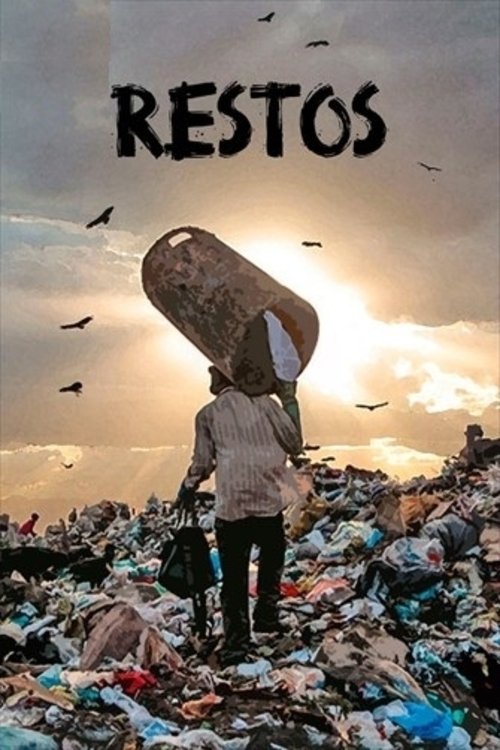
Inspired by the testimony of an American technician who, examining the São Paulo dump, stated: "Sao Paulo rubbish is the richest in the world." The film shows the misery of those who live on this garbage and the police repression on the scavengers.
Remains
A documentary of profound irony about the bourgeois dream of establishing a film industry in Brazil in the 1930s. The project in question, the Companhia Americana de Filmes, went bankrupt before finishing its only film, which was called 'Eterna Esperança' (Eternal Hope).
A Eterna Esperança: Sem Pressa e Sem Pausa, Como as Estrelas

No description available.