Writing
A look at the Brazilian black movement between 1977 and 1988, going by the relationship between Brazil and Africa.
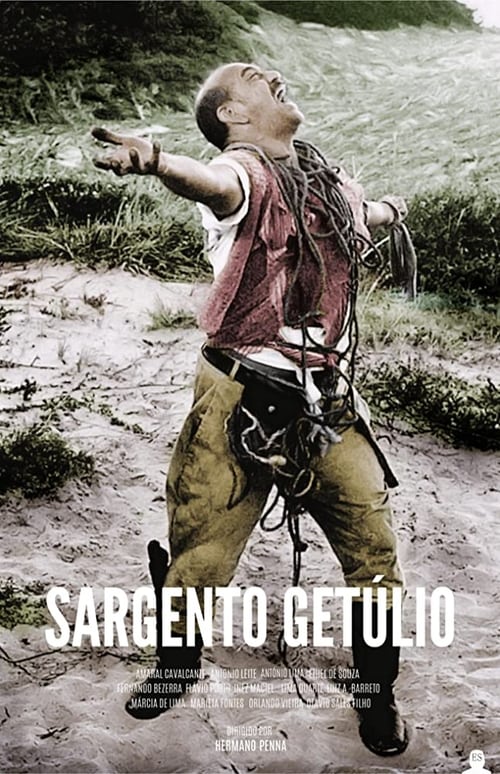
In the 40s, a sergeant is ordered to escort a political prisoner from Paulo Afonso to Aracaju, Brazil. During the trip, there's a change in the Government and he is ordered to release the prisoner. But he decides to go all the way.
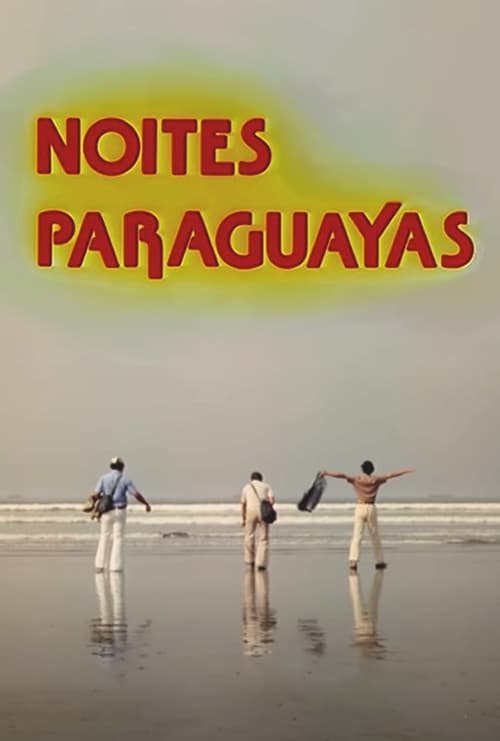
The path of Paraguayan immigrants who drive to Asuncion and then arrive in São Paulo. They are rural workers, musicians, vendors and underemployed people. Two parallel worlds: the Guarani culture and the Brazilian adventure in São Paulo juxtaposed with Paraguayan songs and the Guarani language, spoken by the main characters.
No description available.
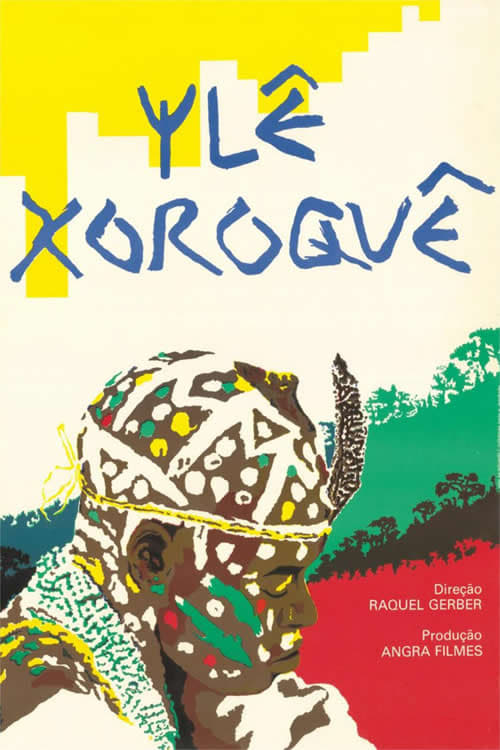
The process of formation of the person and its identity from an African conception of the world. The orixás (gods), linked to the forces of nature, are equal to people, and are not transcendent. of the person with their orixá, within the family and the culture. Filmed in a Candomblé terreiro of Bantu origin.
Documentary--with reconstituted scenes and interviews--about some of the more than 50 women who were in Cangaço, a phenomenon of social banditry from the Northeastern region of Brazil in the early 20th century.
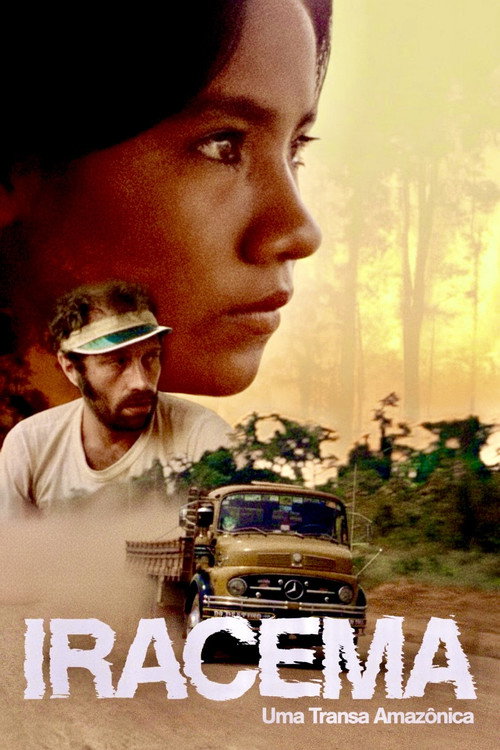
A girl from the countryside goes to the city of Belém to take part in the Círio de Nazaré celebrations. Led to prostitution, she wishes to move to the wealthiest Southeast region of Brazil. In a dance club, she meets a truck driver that transports wood. Dreaming with the big city, she asks for a ride, and the two begin a journey through the Trans-Amazon road. In tension with the Brazilian military authorities of the time, the film registers several aspects of the Amazon social tragedy – forest fires, slave work and child prostitution. Awarded in several international festivals, the film was forbidden by Brazilian censors. It was only released years later, winning the Brasília Film Festival in 1981.
A farm laborer is stunned for pain and for the jealousy when its godson assures to it that his wife is betraying with the proper brother. Both they go in revenge search, following for a tragic destination.
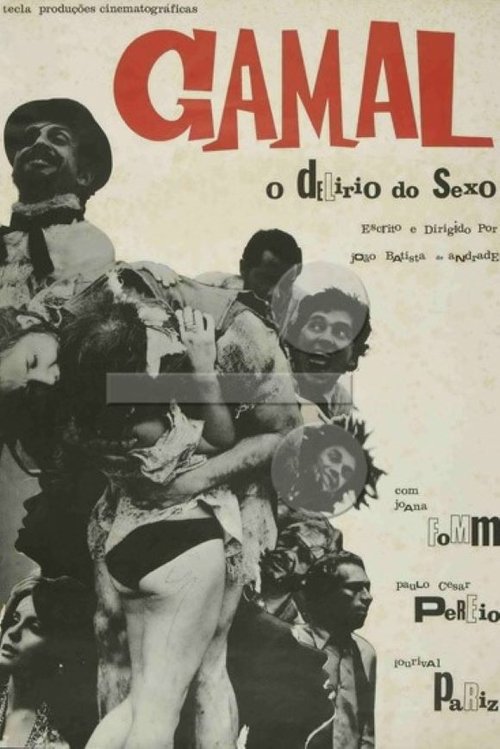
Symbolic film from the Underground Movement of Brazilian Cinema (Cinema Marginal) about a woman, three men and some apes. In the director's own words: “a fable where realism and logic have no place, and in which sex is a translation of all the tortures, circumstances and violent actions.”
The story of two brothers who are trying to farm in the Brazilian Amazon.
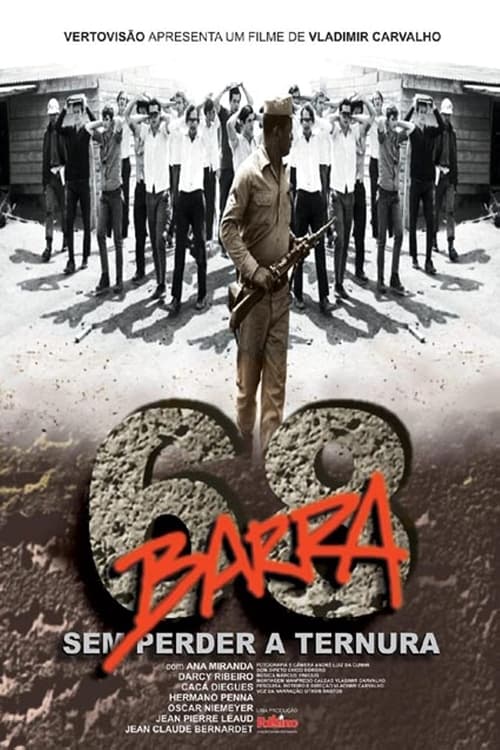
The story of the University of Brasília, since it was only a project in Darcy Ribeiro's head until the fateful events in August 1968 when its campus was invaded by the police, during the military dictatorship, thus putting an end to its independence.
It is the first film produced at the extinct ICA (Instituto Central de Artes), in a co-production between UnB (Universidade de Brasília) and the also extinct INC (Instituto Nacional de Cinema). Held at the Festa do Culto ao Mito do Divino Espírito Santo in Pirenópolis, state of Goiás, in 1968, it was completed in 1969, in Rio de Janeiro. The film is extremely important for the memory of Brazilian popular culture and the state of Goiás, as it is a work of art about this popular festival, and not just a documentary record, as it reflects its cultural character. Today the party is considered Cultural Heritage of Brazil by IPHAN.