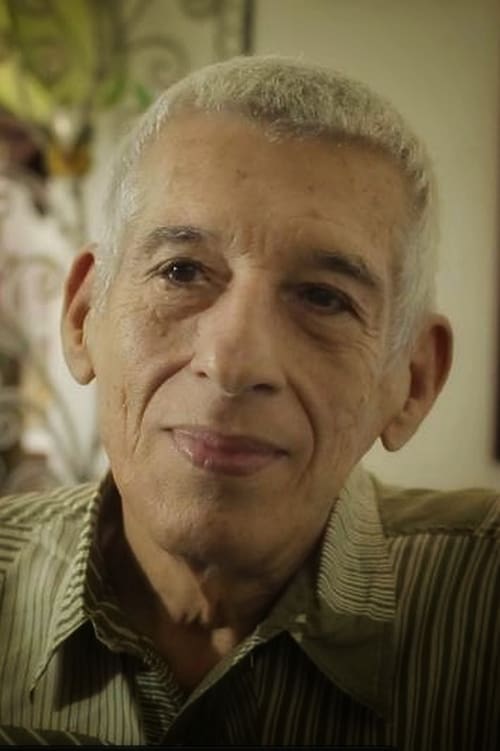
Orlando Senna
Directing
Biography
Orlando Sales de Senna (Lençóis, April 25, 1940) is a Brazilian filmmaker, writer and journalist.
Known For
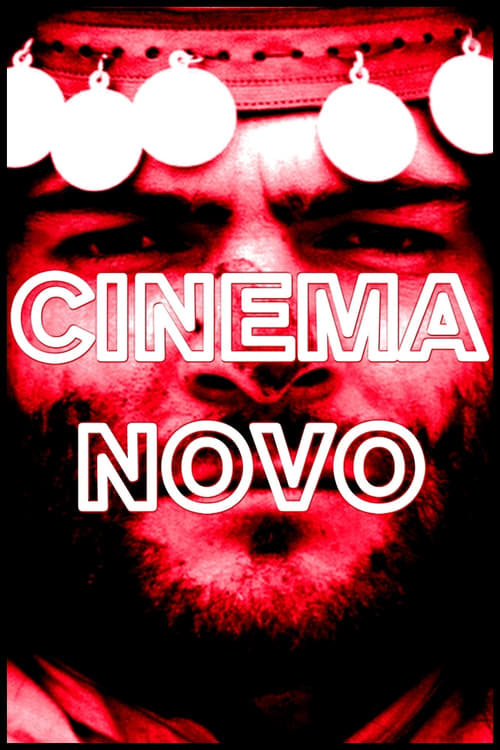
A deep investigation, in the way of a poetic essay, on one of the main Latin American movements in cinema, analyzed via the thoughts of its main authors, who invented, in the early 1960s, a new way of making movies in Brazil, with a political attitude, always near to people's problems, that combined art and revolution.
Cinema Novo
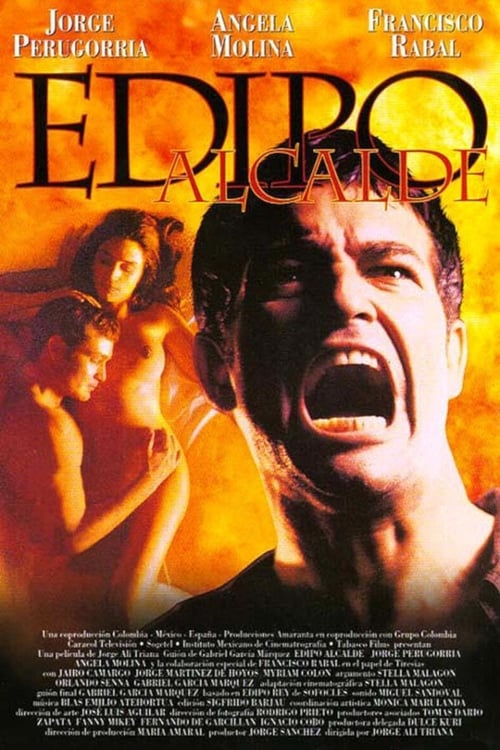
Edipo, is appointed mayor of a town plunged in misery and violence. His first mission is to discover and punish the murderers of Layo, a well-known potentate of the region. His investigation is directed towards all the armed factions that exist in Colombia.
Oedipus Mayor
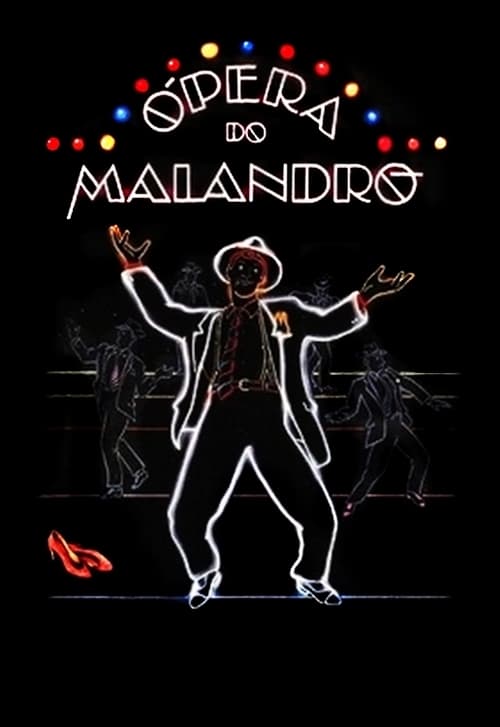
In Rio de Janeiro's bohemian district called Lapa, during the '40s, a stylish and popular scoundrel exploits a cabaret singer, and earns his living by means of petty swindles. But then he meets Ludmila, the cabaret owner's daughter, who wants to get rich smuggling goods in times of war.
Malandro
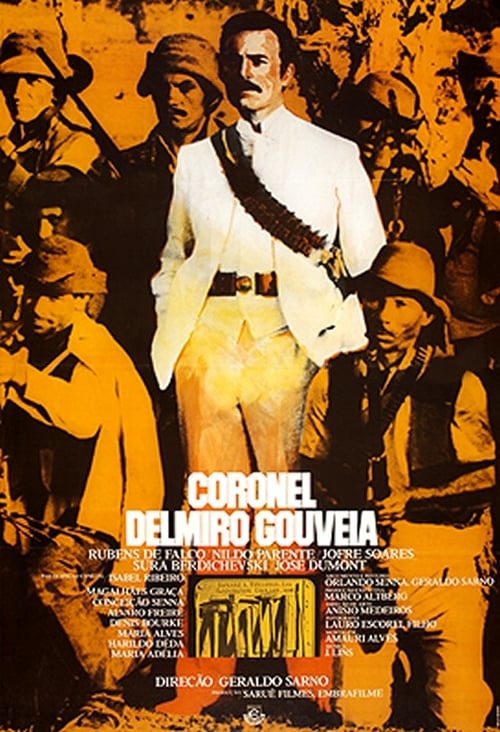
In the beginning of the 20th Century, in the Northeast of Brazil, one of the first Brazilian industrialists is persecuted because he refuses to sell his business to a British company.
Colonel Delmiro Gouveia
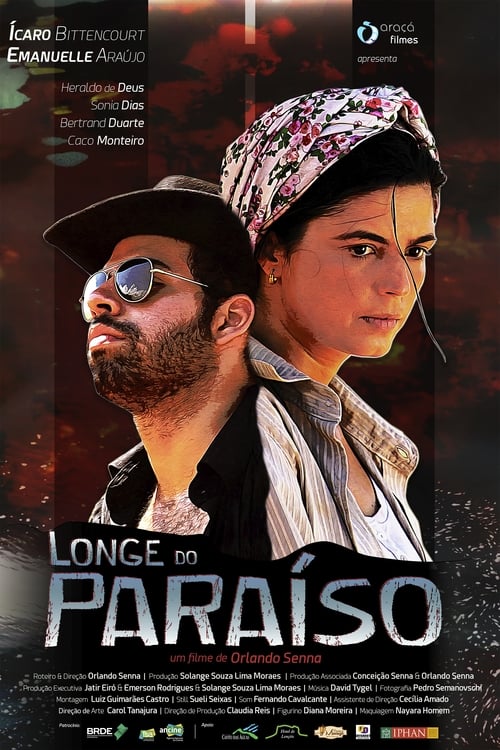
Kim is a hitman who commits a serious mistake and is about to be executed by the criminal organization he works for. His only chance to escape punishment is to assassinate the peasant leader Bel. She is his sister and the only person in the world that he truly loves.
Far From Paradise
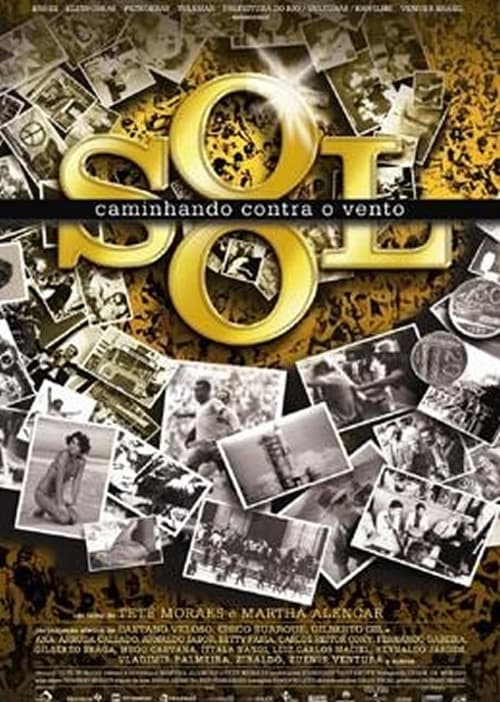
Documentary about the 68-generation, told through the story of the newspaper “O Sol”, one of the first vehicles of the alternative Brazilian press, produced daily for six months, in the 1960s. The newspaper spoke of culture, politics and education through satires and prominent figures in the cultural scene of the time passed through him. Archive scenes and music from the period seek to reconstitute the spirit of the 68-generation. The film has the participation of personalities such as Ziraldo, Zuenir Ventura, Arnaldo Jabor, Chico Buarque, Caetano Veloso, Carlos Heitor Cony, Fernando Gabeira, Betty Faria, Hugo Carvana, among others.
O Sol - Caminhando contra o vento
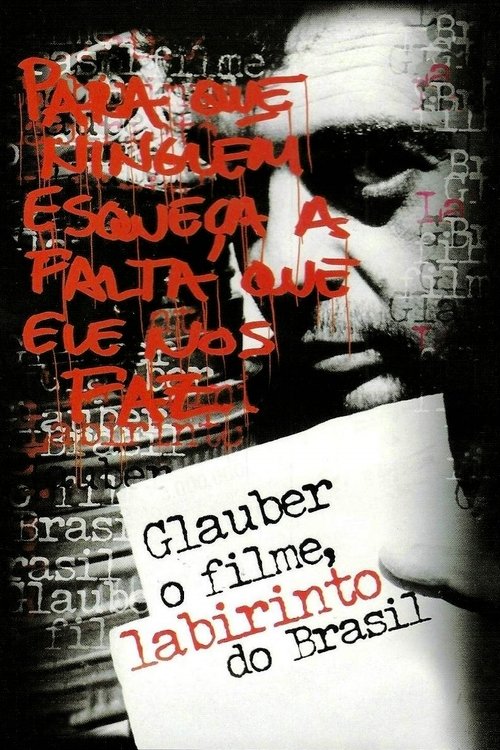
Documentary about Brazilian filmmaker Glauber Rocha, one of the most important names in the Cinema Novo, with interviews with some of his friends and colleagues.
Glauber Rocha - The Movie, Brazil's Labyrinth
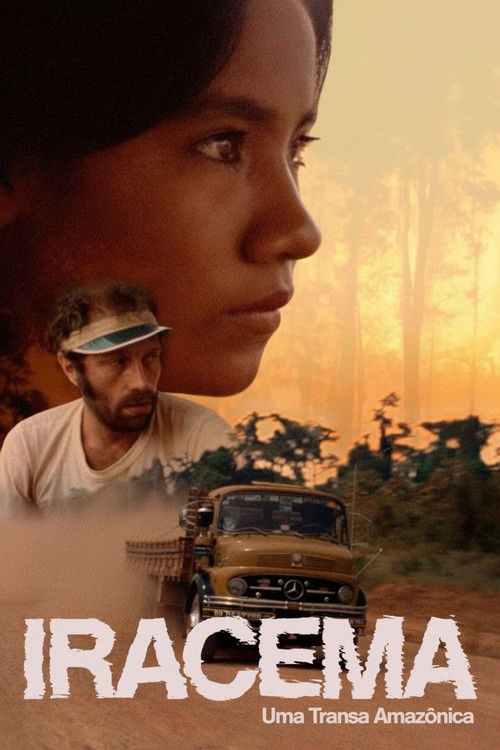
A girl from the countryside goes to the city of Belém to take part in the Círio de Nazaré celebrations. Led to prostitution, she wishes to move to the wealthiest Southeast region of Brazil. In a dance club, she meets a truck driver that transports wood. Dreaming with the big city, she asks for a ride, and the two begin a journey through the Trans-Amazon road. In tension with the Brazilian military authorities of the time, the film registers several aspects of the Amazon social tragedy – forest fires, slave work and child prostitution. Awarded in several international festivals, the film was forbidden by the Brazilian censorship. It was only released years later, winning the Brasília Film Festival in 1981.
Iracema
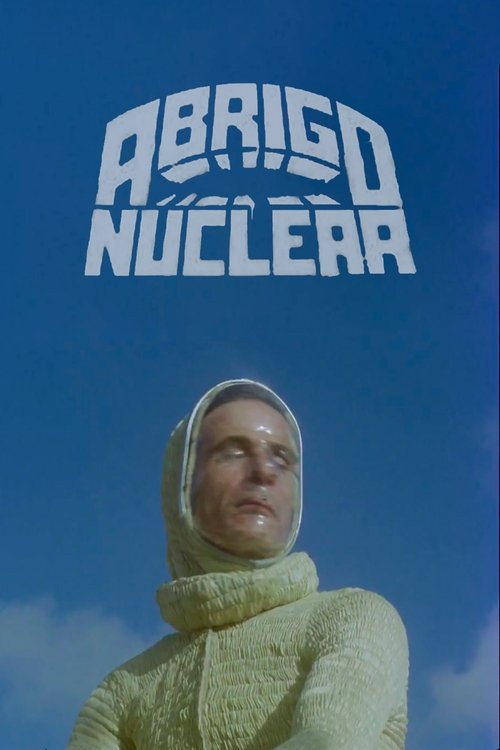
Our planet was contaminated by many nuclear explosions that left the soil and the air filled with radiation, and now the few survivors of those catastrophic events live under the ground on a shelter controlled by scientists. After an incident inside the shelter, a group of rebellious scientists defy their leadership when they find a good possibility of returning to the surface.
Nuclear Shelter
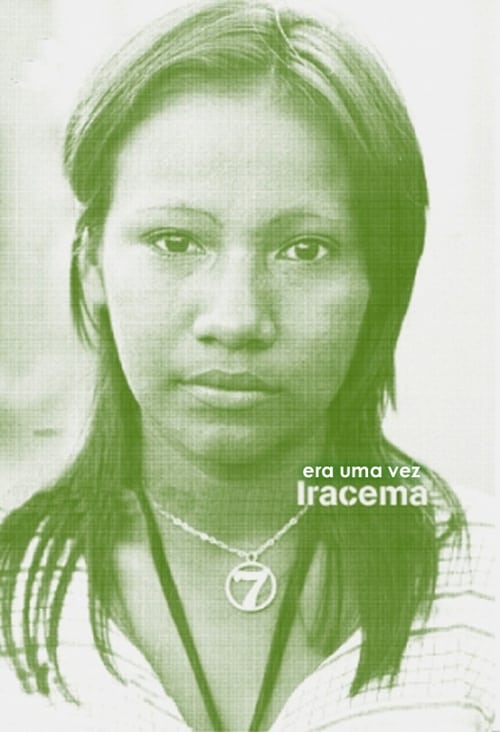
A making-of directed by Bodanzky himself, the documentary discusses the language of the film Iracema - Uma Transa Amazônica 30 years after it was made, gathering interviews with the authors, actors, critics and the filmmakers themselves.
Once Upon a Time There Was Iracema
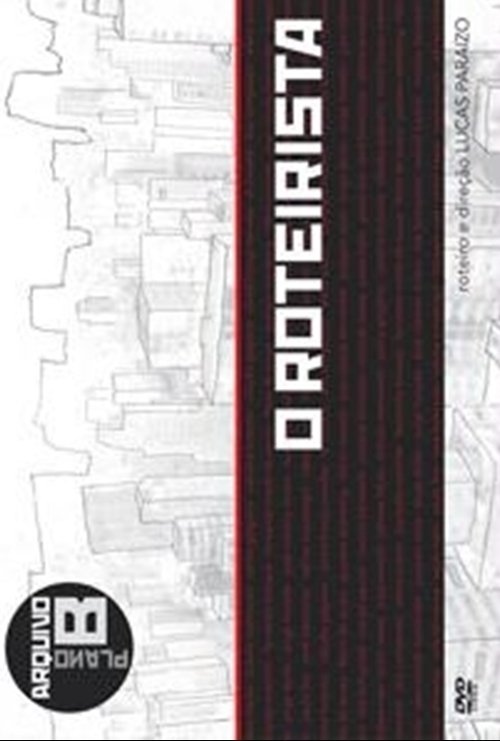
32 renowned Brazilian screenwriters of the contemporary Brazilian cinema talk about their creative processes. From the concept of script to their agreements and disagreements, going through their experiences with filmmakers, their reaction to the finished film, critic, and even controversies on auteurism.
The Screenwriter
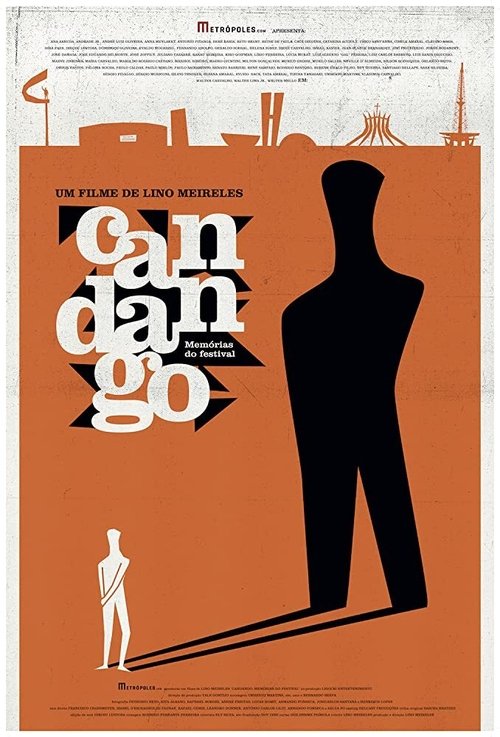
In 1965, a year after the military coup in Brazil, an oasis of freedom opened in the country's capital. The Brasília Film Festival: a landmark of cultural and political resistance. Its story is that of Brazilian cinema itself.
Candango: Memoirs from a Festival
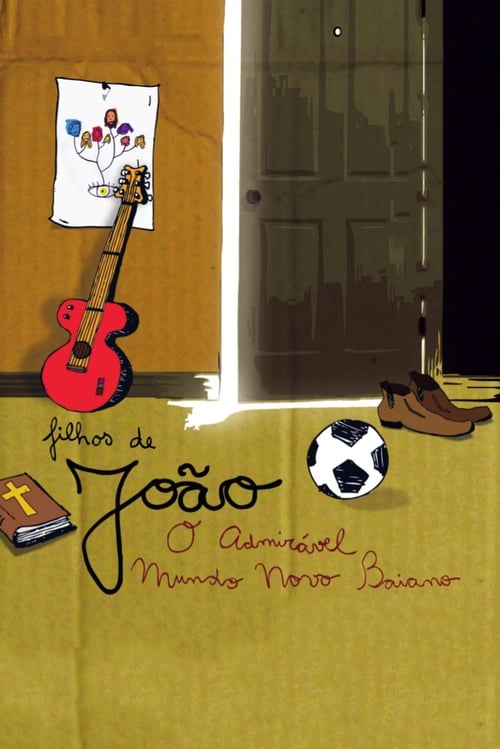
A panorama of Brazilian popular music from the 60s and 70s through the musical group Novos Baianos. A retrospective of the community lifestyle adopted by its members and the influence inherited from singer João Gilberto.
Filhos de João, O Admirável Mundo Novo Baiano
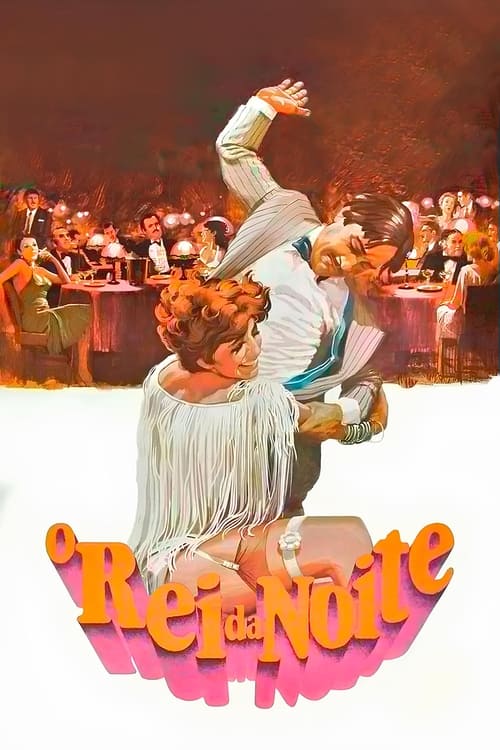
In the 1940s, São Paulo nightlife is the setting for Tezinho's love affairs. In love with Aninha, he needs to get away from the girl and ends up getting involved with other women, including an obsessive relationship with a prostitute.
King of the Night
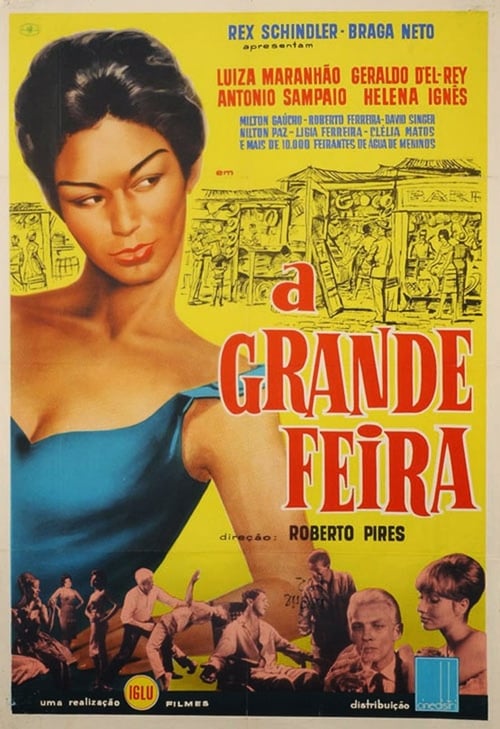
The naive sailor Ron arrives in Bahia to visit the famous Água dos Meninos street market. There, however, he is passed behind by the prostitute Maria, lover of the bandit Chico Diabo, who stabs him. He, however, can't forget her.
A Grande Feira
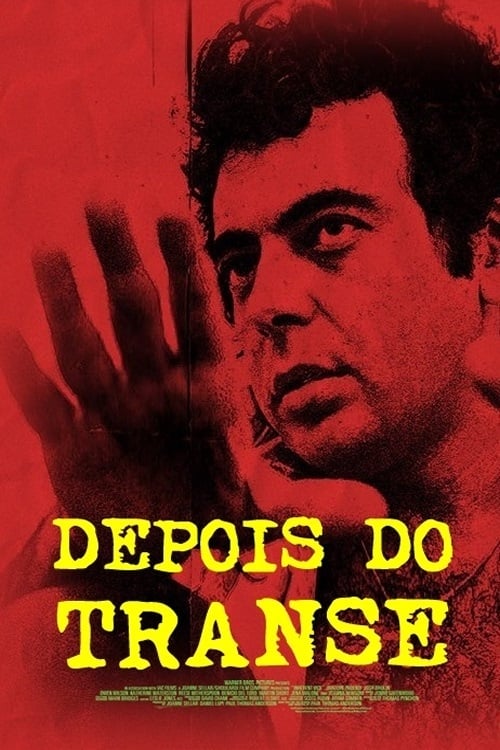
The documentary "Depois do Transe" covers the entire process of creating the masterpiece "Entranced Earth", which was released and awarded at the Cannes Film Festival in 1967. "Entranced Earth" charmed the world and won great admirers such as filmmaker Martin Scorsese and the writer Marguerite Duras, who at the time considered a "fabulous filmic opera."
Depois do Transe
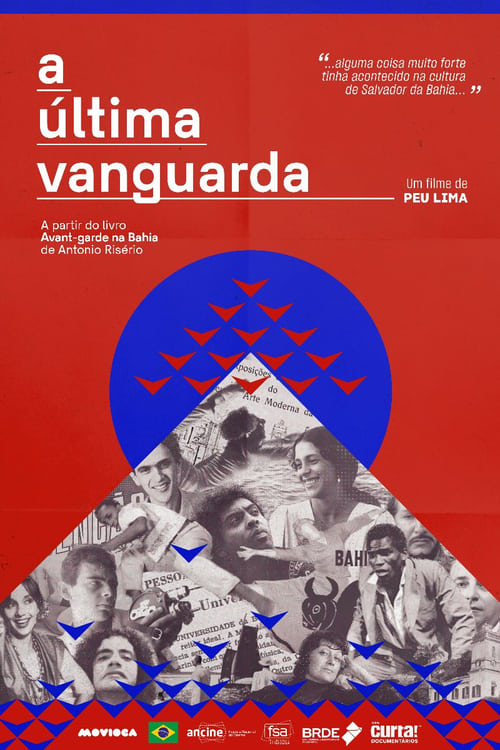
70 years ago, a visionary management in education and culture as a political strategy for the dissemination and development of Bahia gave rise to an artistic vanguard that still impacts Brazilian culture today.
A Última Vanguarda

The last few months in the life of María Elena Moyano, who was killed at the age of 33 by the Peruvian revolutionary movement Sendero Luminoso.
Courage
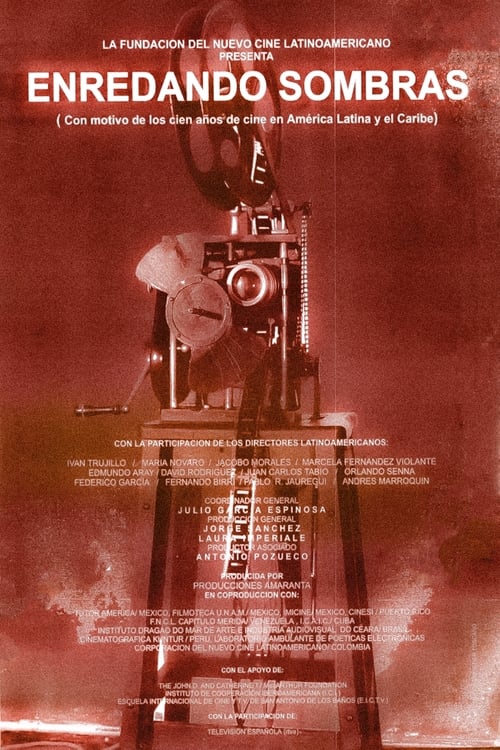
Documentary that celebrates 100 years of cinema in Latin America and talks about the origins and the development of cinema in this subcontinent. Its structure is based in 12 short films directed by various Latin American directors. These are: 1) "Los inicios", Iván Trujillo 2) "Cuando comenzamos a hablar", María Novaro 3) "Jugando en serio", Jacobo Morales 4) "De cuerpo presente [Las espirales perpetuas del placer y el poder] Cine Mexicano [1931- 1997]", Marcela Fernández Violante 5) "Cuando quisimos ser adultos", Edmundo Aray and David Rodríguez 6) "Cinema Novo", Orlando Senna 7) "Memorias de una isla, Juan Carlos Tabío 8) "Un grito, 24 cuadros por segundo", Julio García-Espinosa 9) "El día de la independencia", Federico García 10) "¿Sólo las formas permanecen?", Fernando Birri and Pablo Rodríguez Gauregui 11) "Todo final es un principio", Andrés Marriquín.
Entangling Shadows
No description available.