Directing
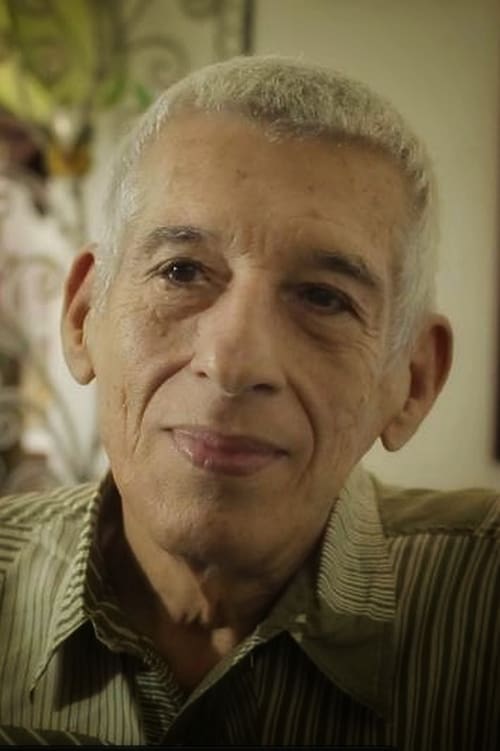
Orlando Sales de Senna (Lençóis, April 25, 1940) is a Brazilian filmmaker, writer and journalist.
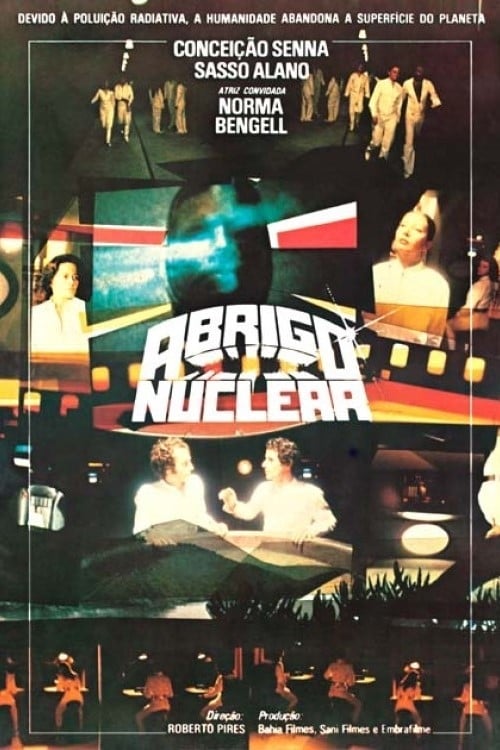
Our planet was contaminated by many nuclear explosions that left the soil and the air filled with radiation, and now the few survivors of those catastrophic events live under the ground on a shelter controlled by scientists. After an incident inside the shelter, a group of rebellious scientists defy their leadership when they find a good possibility of returning to the surface.
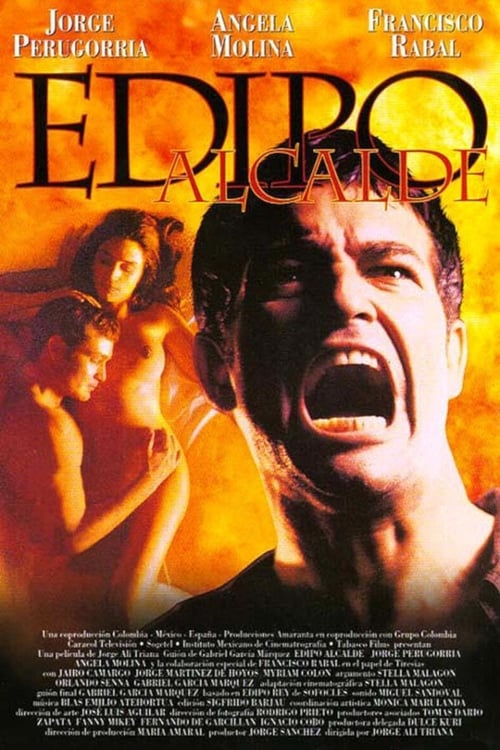
Edipo, is appointed mayor of a town plunged in misery and violence. His first mission is to discover and punish the murderers of Layo, a well-known potentate of the region. His investigation is directed towards all the armed factions that exist in Colombia.
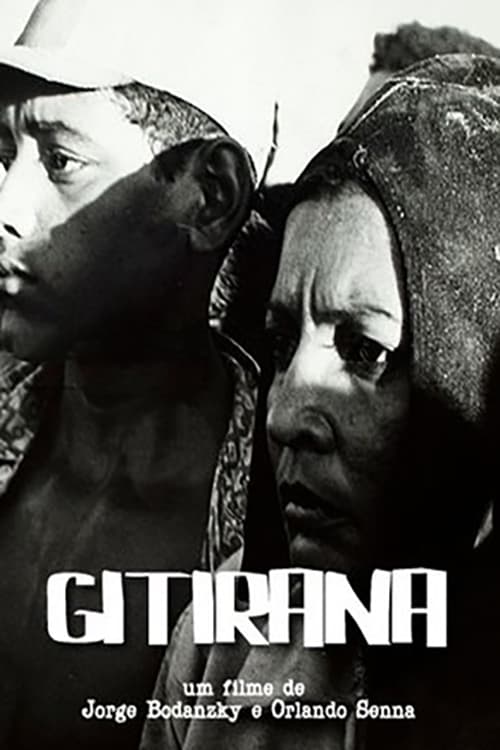
No description available.
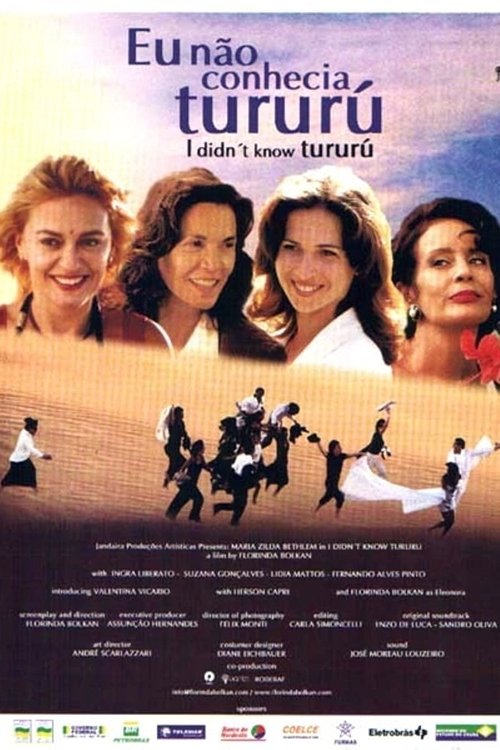
As Carmen prepares to marry for the fourth time, her three sisters find themselves juggling romantic predicaments of their own in this offbeat comedy from Brazil.
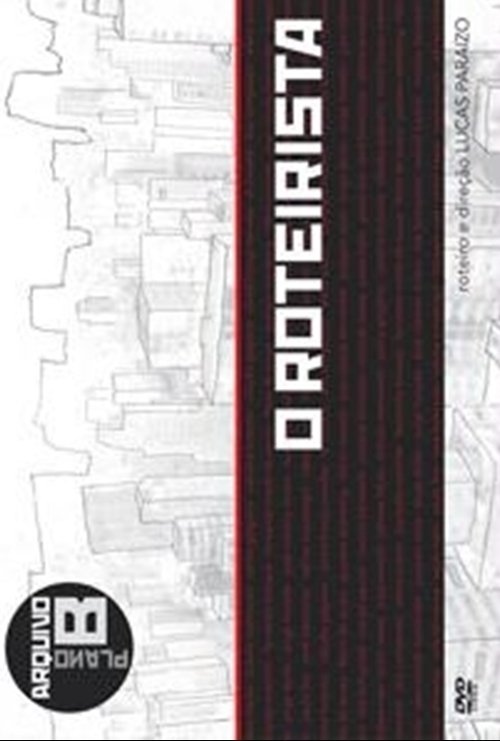
32 renowned Brazilian screenwriters of the contemporary Brazilian cinema talk about their creative processes. From the concept of script to their agreements and disagreements, going through their experiences with filmmakers, their reaction to the finished film, critic, and even controversies on auteurism.
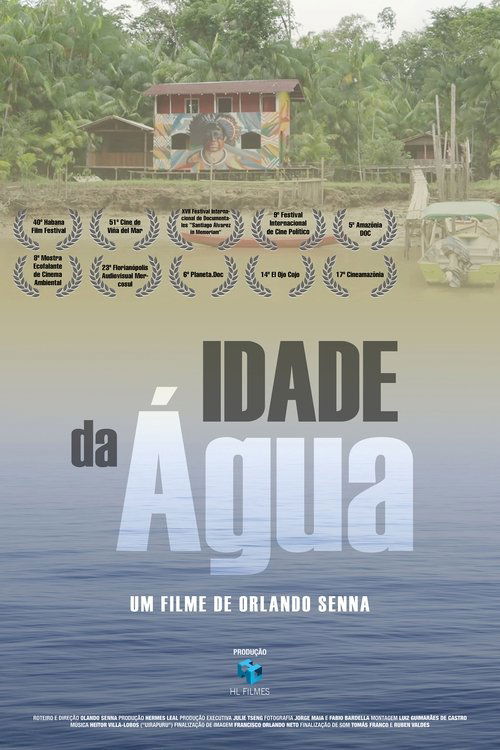
The film warns us about the world's water crisis and the international greed for the Amazon Forest, the largest fresh water reservoir on the planet. In addition to concentrating 20% of the world's drinking water, the Amazon is the region with the greatest chance of maintaining its water sources in the next decades, thanks to the humidity of its forest.
Yesterday, the inhabitants of the Nordeste had to abandon their land for lack of water. Today, floods are driving them out... Deprived of their roots, the people continue to remain faithful to their traditions and beliefs, while progress is imposed by the power of money.
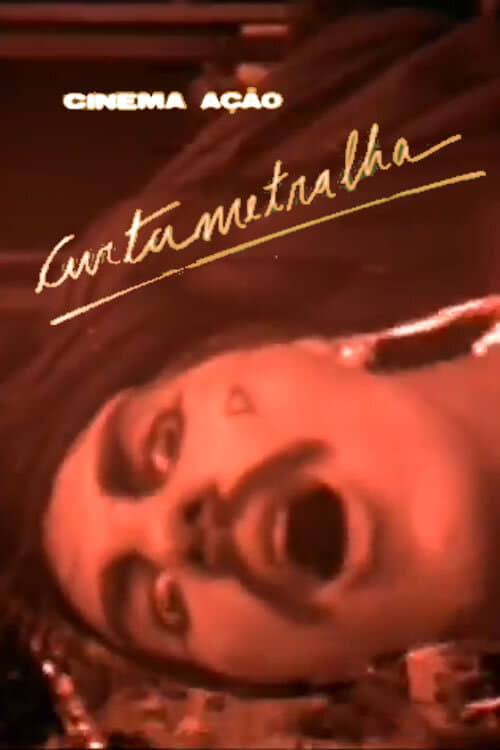
Documentary-manifest in defense of the inclusion of the Brazilian short film in the national cinema circuit, accompanying each foreign feature film as a market reserve
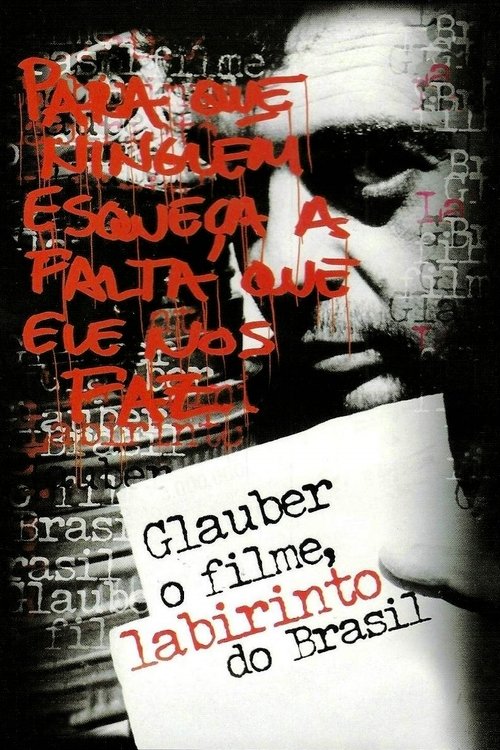
Documentary about Brazilian filmmaker Glauber Rocha, one of the most important names in the Cinema Novo, with interviews with some of his friends and colleagues.
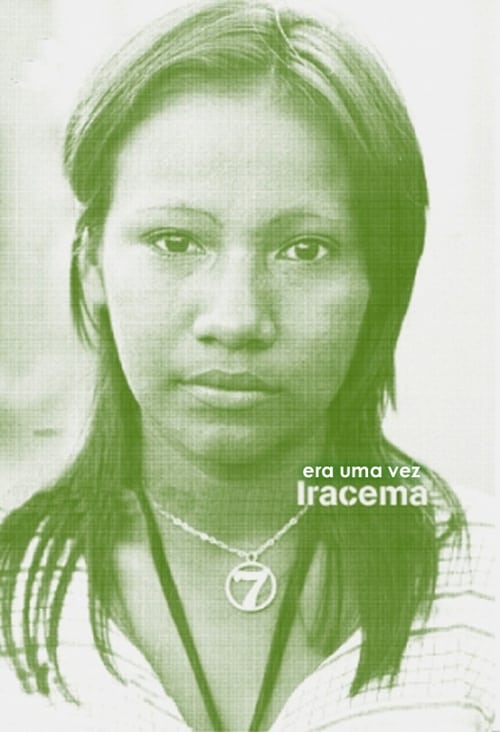
A making-of directed by Bodanzky himself, the documentary discusses the language of the film Iracema - Uma Transa Amazônica 30 years after it was made, gathering interviews with the authors, actors, critics and the filmmakers themselves.
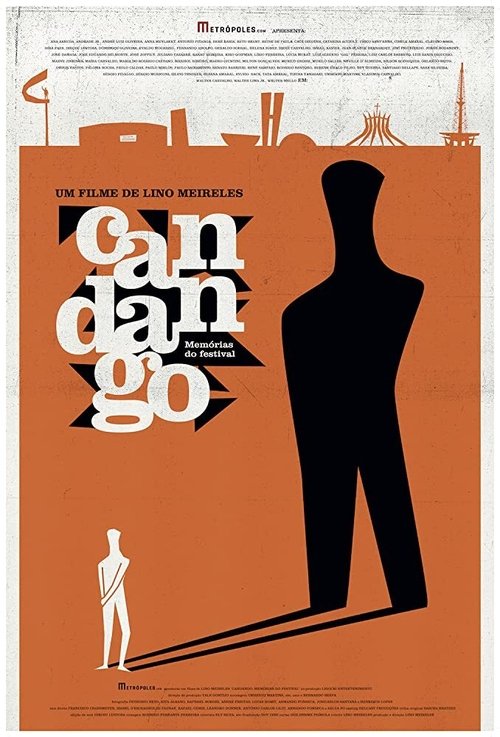
In 1965, a year after the military coup in Brazil, an oasis of freedom opened in the country's capital. The Brasília Film Festival: a landmark of cultural and political resistance. Its story is that of Brazilian cinema itself.
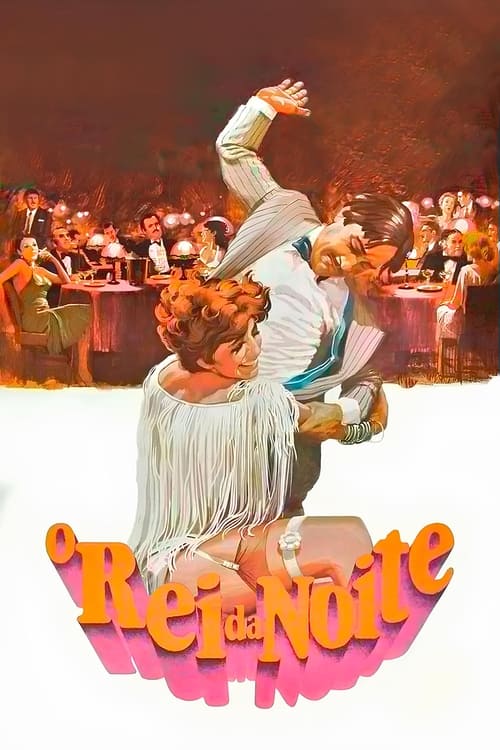
In the 1940s, São Paulo nightlife is the setting for Tezinho's love affairs. In love with Aninha, he needs to get away from the girl and ends up getting involved with other women, including an obsessive relationship with a prostitute.
The last few months in the life of María Elena Moyano, who was killed at the age of 33 by the Peruvian revolutionary movement Sendero Luminoso.
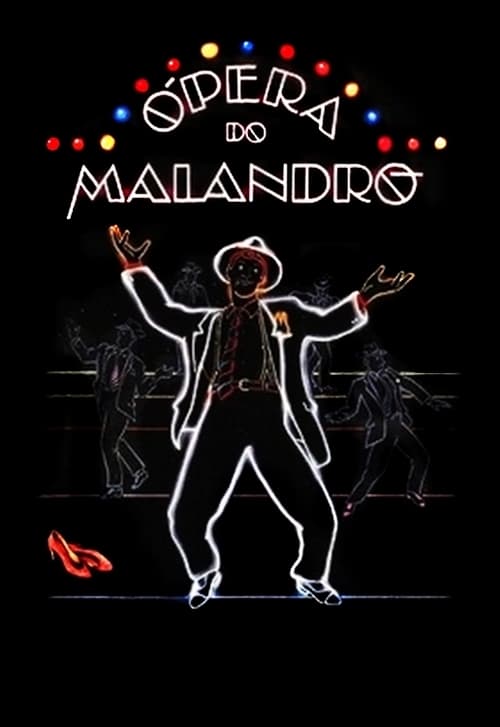
In Rio de Janeiro's bohemian district called Lapa, during the '40s, a stylish and popular scoundrel exploits a cabaret singer, and earns his living by means of petty swindles. But then he meets Ludmila, the cabaret owner's daughter, who wants to get rich smuggling goods in times of war.
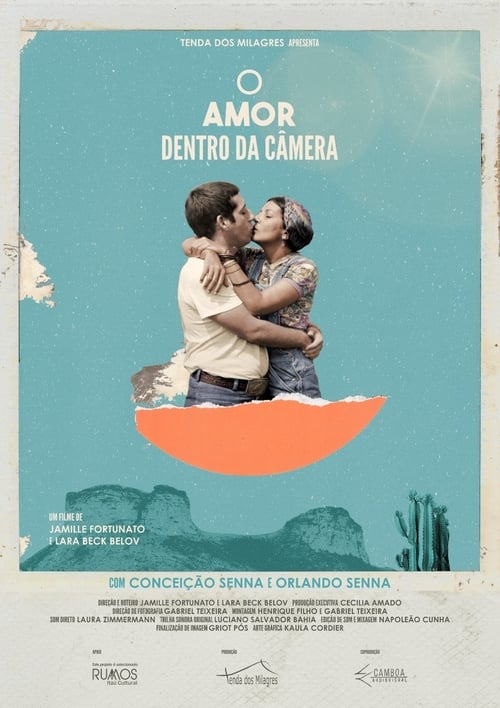
O AMOR DENTRO DA CÂMERA is an essay documentary that tells the story of Conceição and Orlando Senna, pioneers of Audiovisual, who live a romance of almost 60 years, crossed by the History of cinema and Latin America. Intimate and metalinguistic, portrayed in the warmth of the home and through archival materials, when telling a love story, it takes us through the cinematographic and political networks that have woven across the continent.
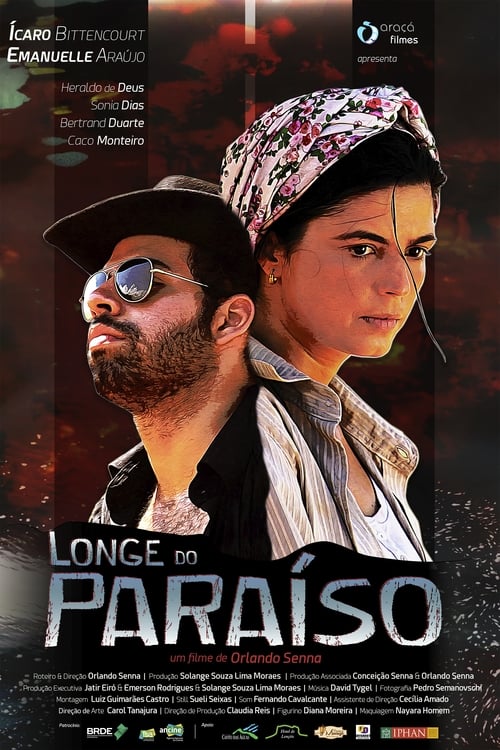
Kim is a hitman who commits a serious mistake and is about to be executed by the criminal organization he works for. His only chance to escape punishment is to assassinate the peasant leader Bel. She is his sister and the only person in the world that he truly loves.
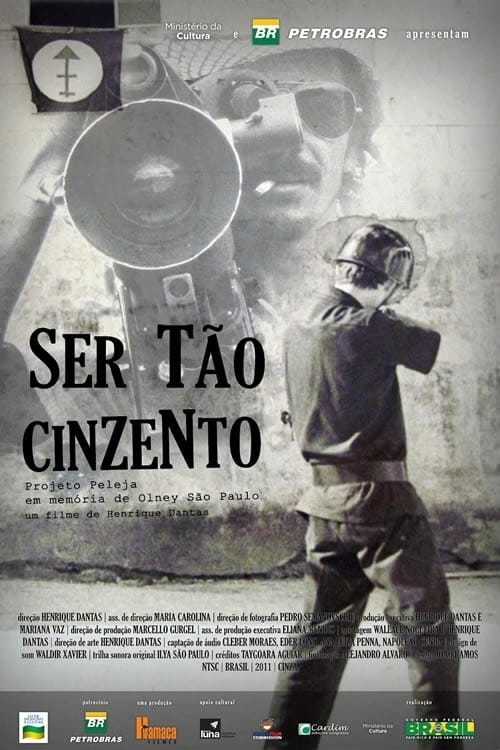
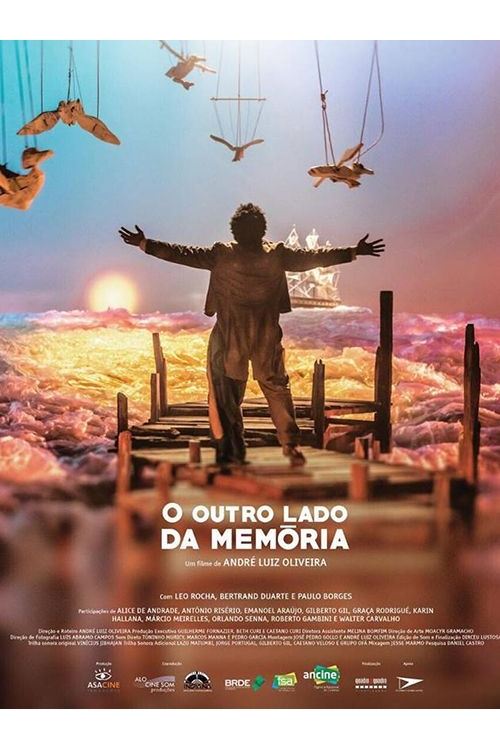
In 1996, filmmaker André Luiz Oliveira started preproduction of Viva o Povo Brasileiro, a film adaptation of the novel by João Ubaldo Ribeiro. Principal photography went on for nine years, but the production was shut down after a series of unfortunate events. This documentary retells that story, repurposing the fictional footage and chronicling the work both in front and behind the scenes.