
Jorge Bodanzky
Directing
Biography
Jorge Bodanzky (São Paulo, December 22, 1942) is a Brazilian filmmaker, screenwriter and photographer.
Known For
Stories of extraordinary lives and extraordinary lands across the globe.
360° Reportage
Besieged by cancer and nearing the end, the genius Argentine-Brazilian filmmaker Héctor Babenco (1946-2016) asks Bárbara Paz, his wife, for one last wish: to be the protagonist of his own death.
Babenco: Tell Me When I Die
The Transamazon highway was a gigantic saga, the greatest example of the pharaonic works of the Brazilian military government. But the road that would promote national integration was best known for linking the famine of the Northeast with the misery of the Amazon. This haunting docuseries follows the story of the construction of this highway and its morbid consequences.
Transamazonica: A Highway to the Past
No description available.
Rito do Amor Selvagem

No description available.
Um Olhar Inquieto: O Cinema de Jorge Bodanzky
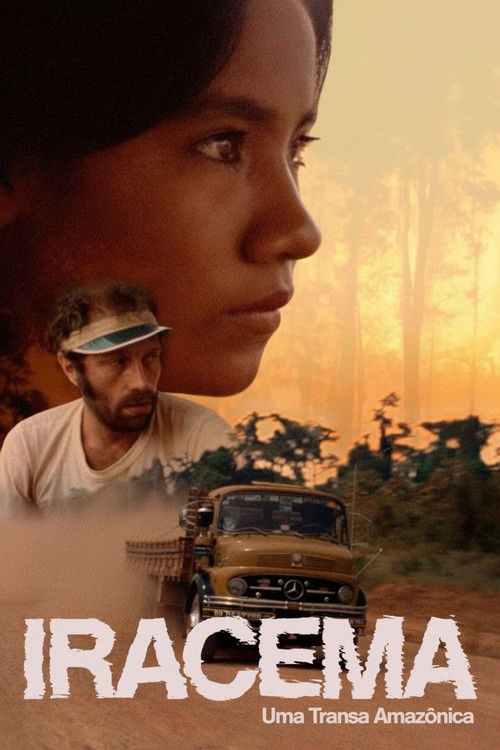
A girl from the countryside goes to the city of Belém to take part in the Círio de Nazaré celebrations. Led to prostitution, she wishes to move to the wealthiest Southeast region of Brazil. In a dance club, she meets a truck driver that transports wood. Dreaming with the big city, she asks for a ride, and the two begin a journey through the Trans-Amazon road. In tension with the Brazilian military authorities of the time, the film registers several aspects of the Amazon social tragedy – forest fires, slave work and child prostitution. Awarded in several international festivals, the film was forbidden by the Brazilian censorship. It was only released years later, winning the Brasília Film Festival in 1981.
Iracema
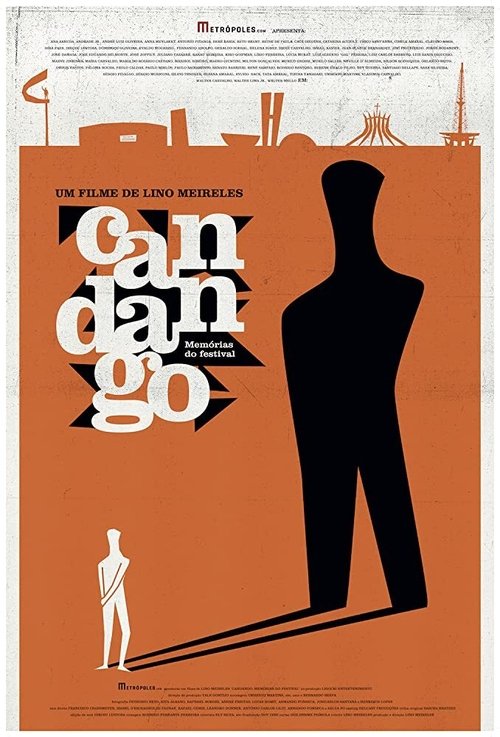
In 1965, a year after the military coup in Brazil, an oasis of freedom opened in the country's capital. The Brasília Film Festival: a landmark of cultural and political resistance. Its story is that of Brazilian cinema itself.
Candango: Memoirs from a Festival

Paranoia, guilt, misery, and technology in the developing country. A fragmented narrative, distorted frames, shouts, and noises. The Nazis take over São Paulo: prison and torture of revolutionaries, a samurai lost in chaos, locked lovers, a dictator and his bunch. Considered one of the most influential films of the marginal period.
Hitler in the Third World
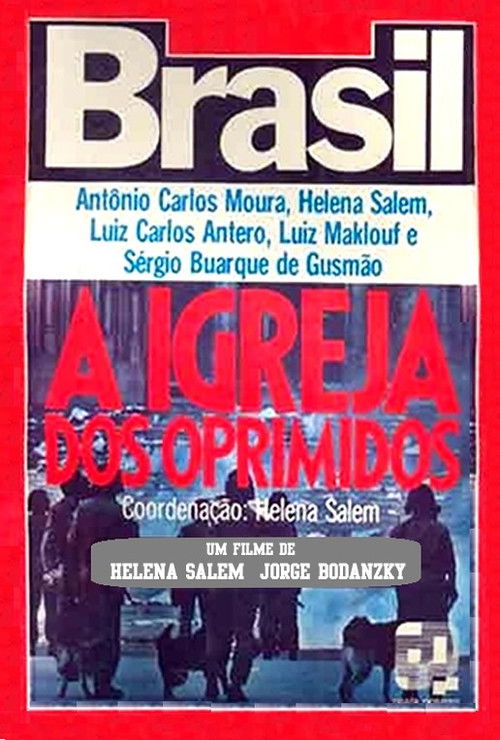
Documentary that tells several stories: of the struggle of rural workers in Conceição to recover their union; of Dona Mariquinha, widow of a murdered squatter and her miraculous effort to survive with her six children; de Rosa and community work in the Olaria neighborhood; the peasant Pé de Ouro and his family living in extreme poverty; de Oneide, the widow of Gringo, the rural leader killed by gunmen when he disputed in 1980 the presidency of the Sindicato de Conceição, etc.
A Igreja dos Oprimidos
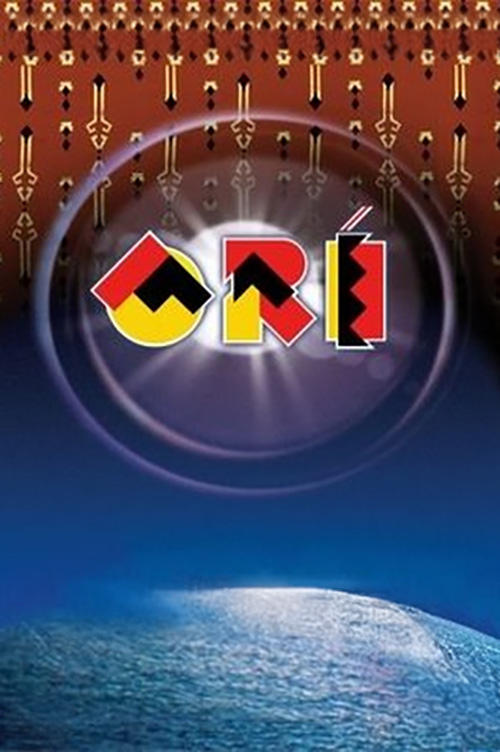
A look at the Brazilian black movement between 1977 and 1988, going by the relationship between Brazil and Africa.
Ôrí

Jorge de Oliveira is an Afro-Brazilian poet who works in a publicity agency in São Paulo. Torn between his rich white lovers and his black family and friends, Jorge's situation serves as a springboard to a discussion about racial issues in Brazil.
Compasso de Espera
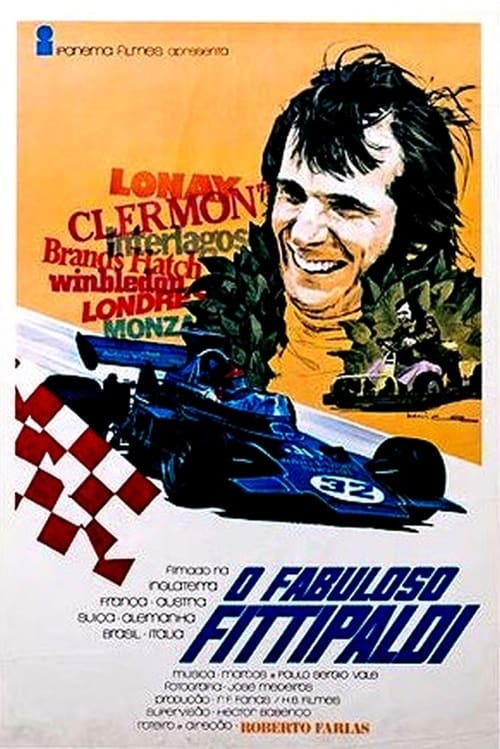
Documentary about race car driver Emerson Fittipaldi
O Fabuloso Fittipaldi
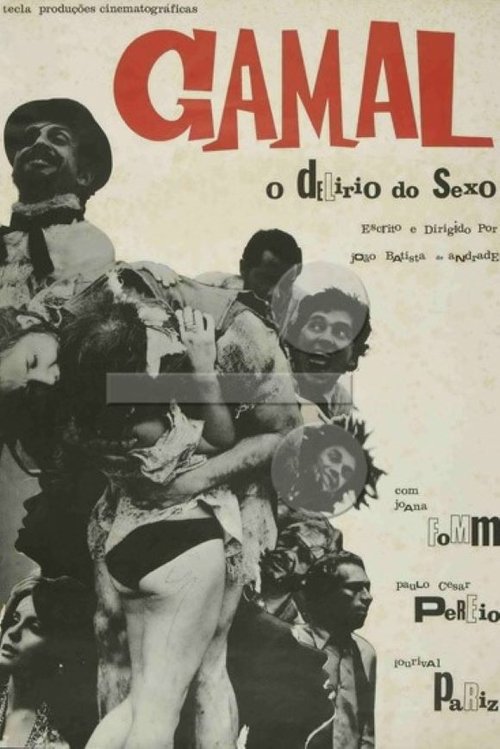
Symbolic film from the Underground Movement of Brazilian Cinema (Cinema Marginal) about a woman, three men and some apes. In the director's own words: “a fable where realism and logic have no place, and in which sex is a translation of all the tortures, circumstances and violent actions.”
Gamal, O Delírio do Sexo
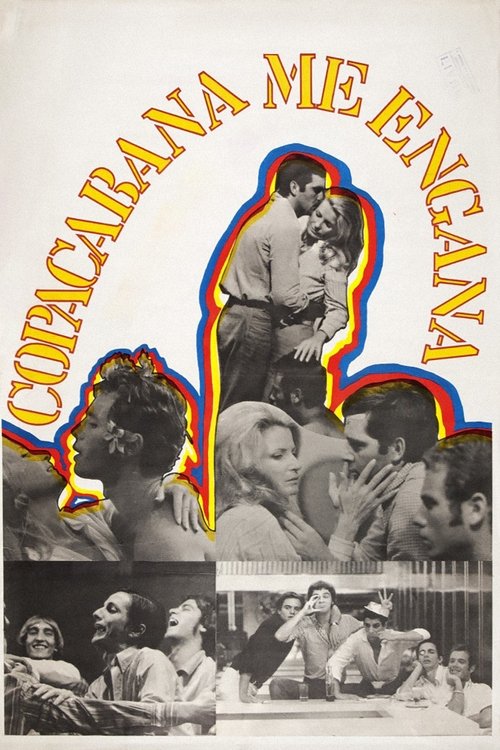
Marquinhos is in his early 20s and lives in Copacabana with his petits bourgeois parents and older brother. He doesn't have a job, he doesn't go to school, he just lives on the spur of the moment, watches TV, plays soccer on the beach by day and goes out with his mates by night. He meets Irene, a 40 year-old woman and they have a love affair that is going to change his life - for a while.
Copacabana Fools Me
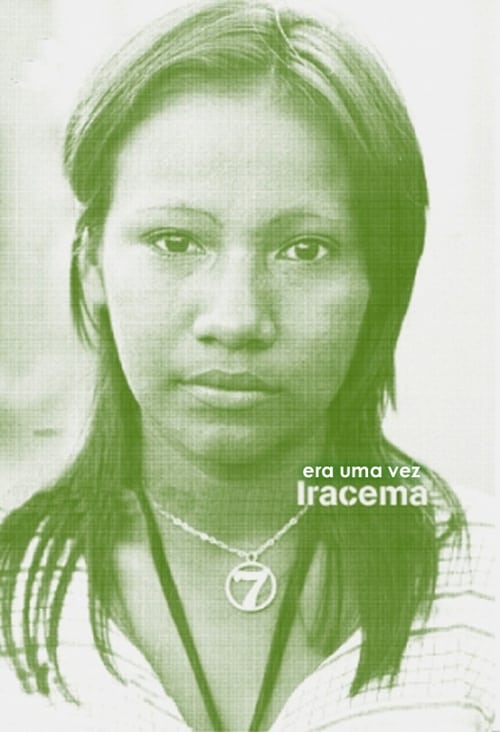
A making-of directed by Bodanzky himself, the documentary discusses the language of the film Iracema - Uma Transa Amazônica 30 years after it was made, gathering interviews with the authors, actors, critics and the filmmakers themselves.
Once Upon a Time There Was Iracema
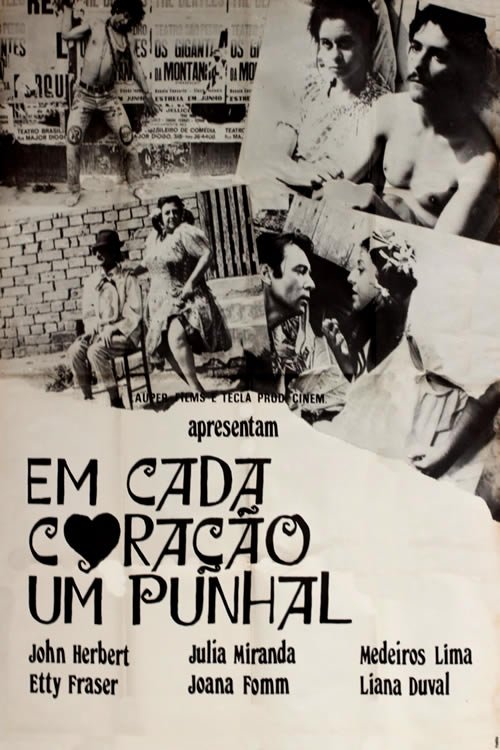
A woman asks her boyfriend for his mother's heart as a proof of love. Another, a kleptomaniac, has an affair with a TV professional. And a young man becomes a sex symbol after an advertising campaign.
Em Cada Coração um Punhal
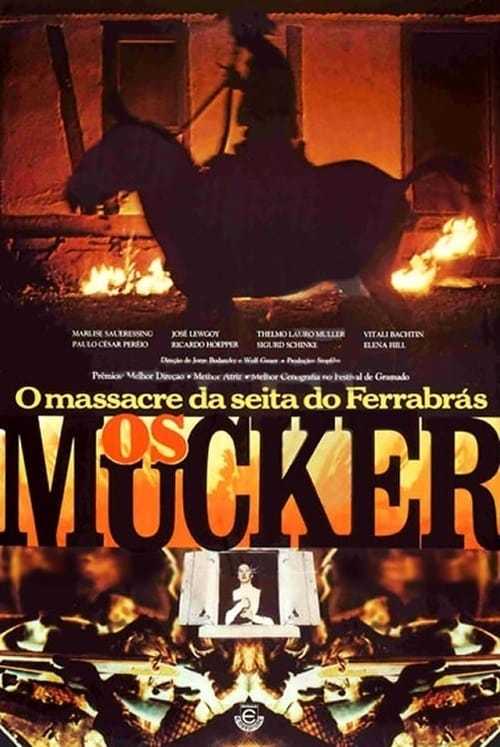
In 1873 in Rio Grande do Sul, a group of peasants come together to form a community of brothers, arousing the enmity of the rest of the population. They are immigrants from the German region and develop a communitary social model, having the Bible as a code of morals, faith and conduct. The group's economic independence ends up irritating the locals to the point of provoking successive aggressions that culminate in a bloody massacre.
Os Mucker
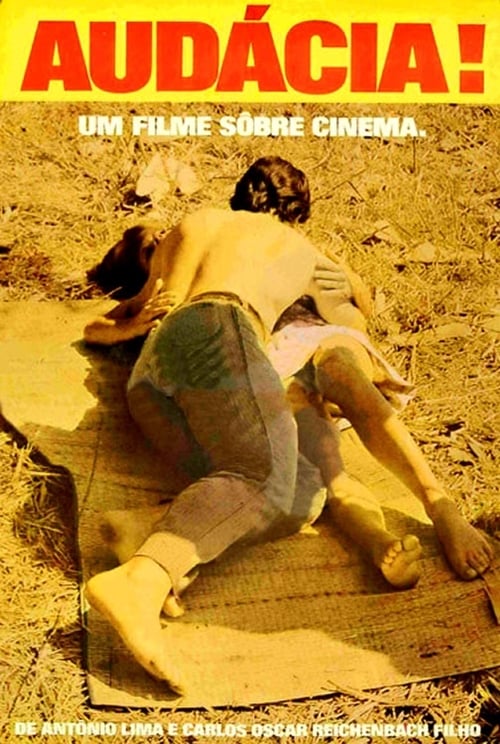
Segment "Prólogo": interviews and scenes with some of the most important filmmakers of the "Boca do Lixo" of São Paulo. Segment "A Badaladíssima dos Trópicos x Os Picaretas do Sexo": shenanigans of a troubled fictional film production. Segment "Amor 69": Actress Maria Vargas is expected to appear nude in a scene, but ultimately refuses to do so.
Audácia!
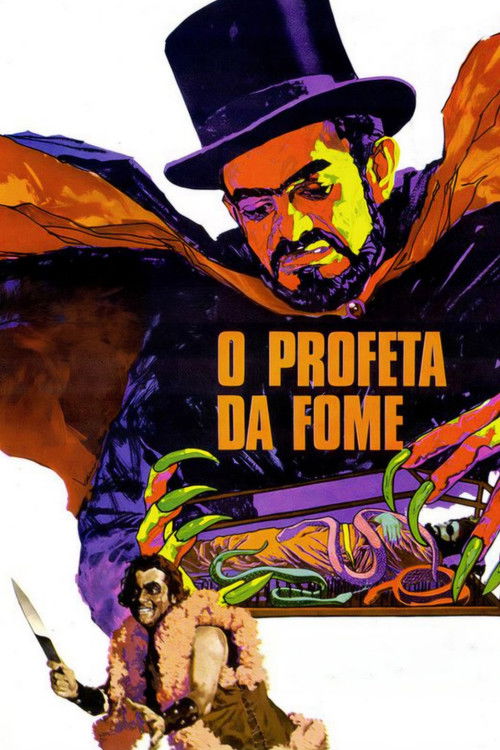
The story of a fakir who works in a decadent circus. He and his colleagues do weirder numbers each day to attract audience, and warrant their survival. The numbers resemble a horror-show and they get marginalized. Through fable and allegory, reality turns stronger and stronger, and more absurd.
The Prophet of Hunger

Fragments of fairy tales alternate with observations of children. Documentary and staged sequences are combined. There is no break and no contrast between reality, the children's behavior and the imagination; they merge into one another.