Orhan Eskikoy
Directing
Biography
He was born in 1980 in Kartal, Istanbul. He graduated from the Faculty of Communication at Ankara University in 2004 and worked at the same institution for two years. In 2007, he resigned from his academic position to direct his first feature film, On the Way to School (İki Dil Bir Bavul), co-directed with Özgür Doğan. In 2012, he wrote and co-directed the film Voice of My Father (Babamın Sesi) with Zeynel Doğan. In 2017, he wrote and directed The Stone (Taş). His films have received numerous national and international awards. His short story collection Neighbors (Komşular) was published in 2021.
Known For

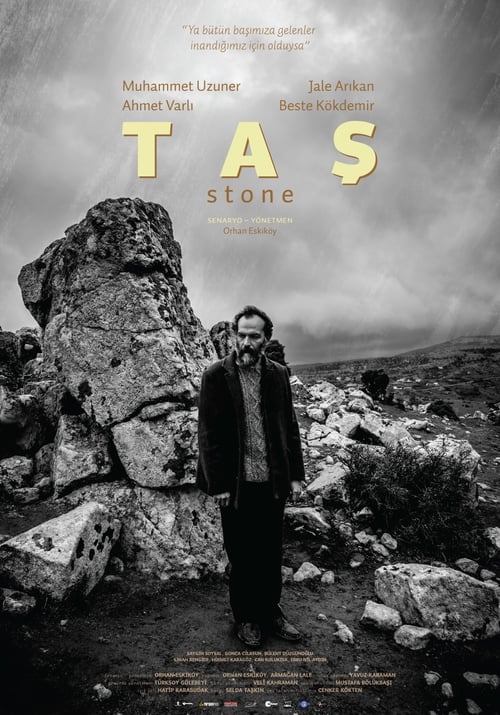
Tas (Rock) is a film that presents a cross-section of the life of a family living a hard life in the countryside. It is a touch of sadness in the life of people living in nature- even as a part of it. And that life is nothing more than the waiting of a woman and man who lost their son. After waiting for many years, the family tries to get rid of the uncertainty by believing that the wounded man they found at the door is Selim (Ahmet Varli), their son.
The Stone

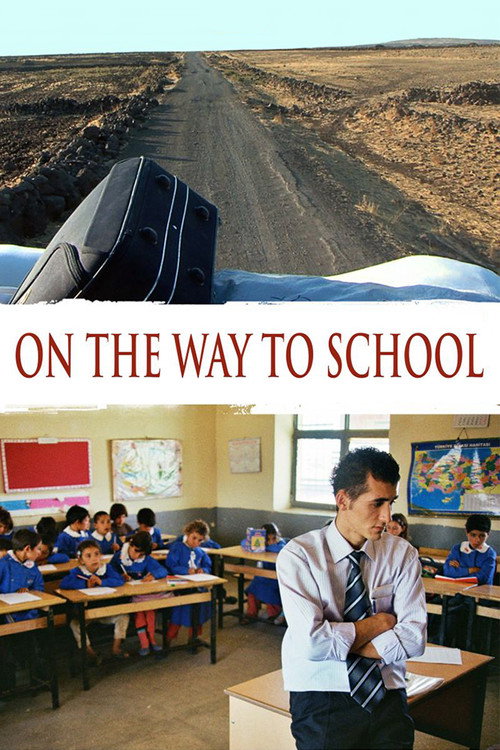
One year in the life of a Turkish teacher, teaching the Turkish language to Kurdish children in a remote village in Turkey. The children can't speak Turkish, the teacher can't speak Kurdish and is forced to become an exile in his own country. On the Way to School is a film about a Turkish teacher who is alone in a village as an authority of the state, and about his interaction with the Kurdish children who have to learn Turkish. The film witnesses the communication problem emphasizing the loneliness of a teacher in a different community and culture; and the changes brought up by his presence into this different community during one year. The film chronicles one school year, starting from September 2007 until the departure of the teacher for summer holiday in June 2008. During this period, they begin to know and understand each other mutually and slowly.
On the Way to School

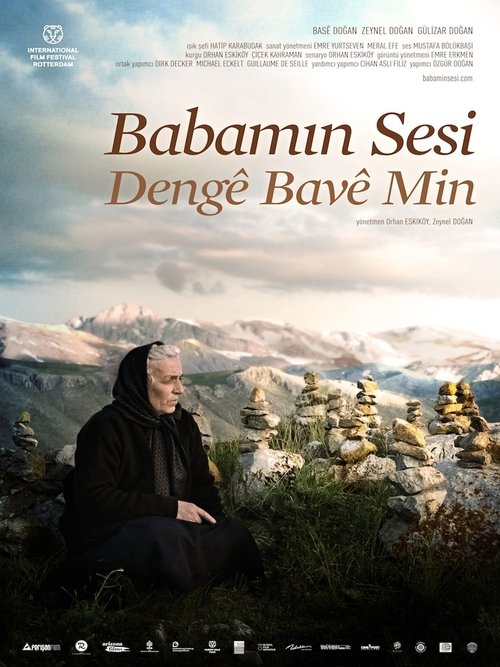
A haunting sociopolitical drama blending fiction and documentary to elucidate the turbulent history of a Kurdish family. Mehmet (co-director Zeynel Dogan) lives with his pregnant wife in Diyarbakir, eastern Turkey. His father was fatally injured while working in Saudi Arabia and all he has left is an audio tape letter. Now he is to become a father himself, he visits his mother to ask about more of these cassettes but she’s evasive, reluctant to upset Mehmet’s view of his father with the whole dark story.
Voice of My Father

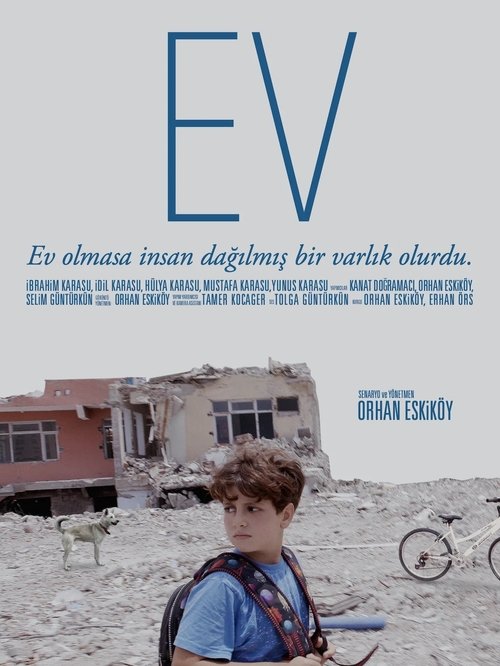
Hülya and Mustafa try to organize their tent life so that their children can continue with their lives. The youngest child, İbo, is an exuberant boy full of joy. Having suddenly become homeless, he has also tasted the freedom of being able to go out to the streets at any moment, and prefers to spend all his time playing outside instead of going to school. Neither İbo nor his family are fully aware of the traumatic impact of homelessness. They act as if they had always lived in a tent, behaving as though everything were perfectly normal. They believe that their life in the tent is temporary and spend their days making plans to build a new home. From a distance, they appear ordinary, just like any happy family. However, as time passes quickly, their plans gradually give way to despair.
House

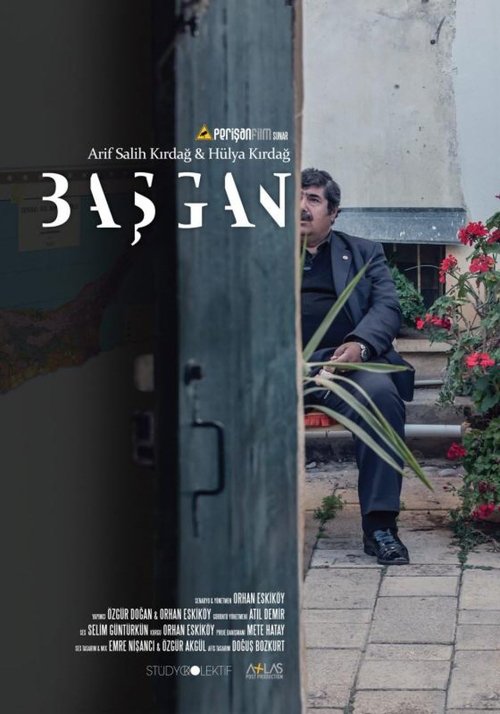
No description available.