FEEL IT.STREAM
?

Helen van Dongen

Editing

Biography

Helen Victoria van Dongen (January 5, 1909 – September 28, 2006) was a pioneering editor of documentary films who was active from about 1925–1950. She collaborated with filmmaker Joris Ivens from 1925 to 1940, made several independent documentaries, and edited two of Robert Flaherty's films before retiring from filmmaking in her 40s.
Known For

A Salute to France
10.0

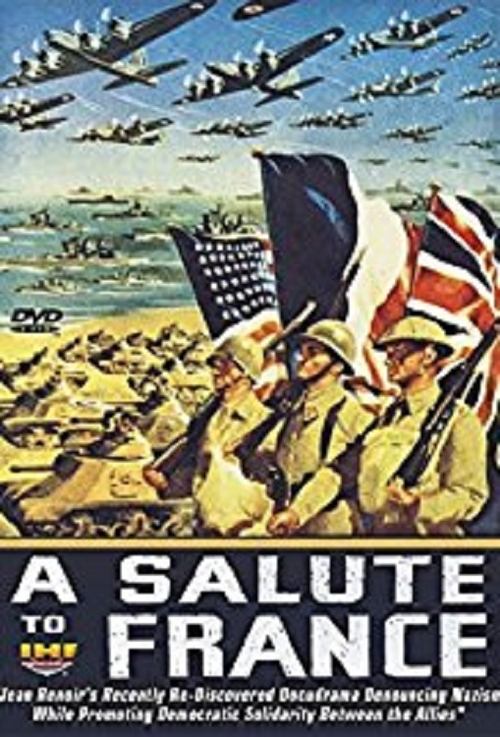
Commissioned to prepare Allied troops for the liberation of Europe, the film uses a blend of staged narratives and historical footage to promote solidarity and dispel the myth that France was a nation of willing collaborators.

A Salute to France

1944
Borinage
6.3

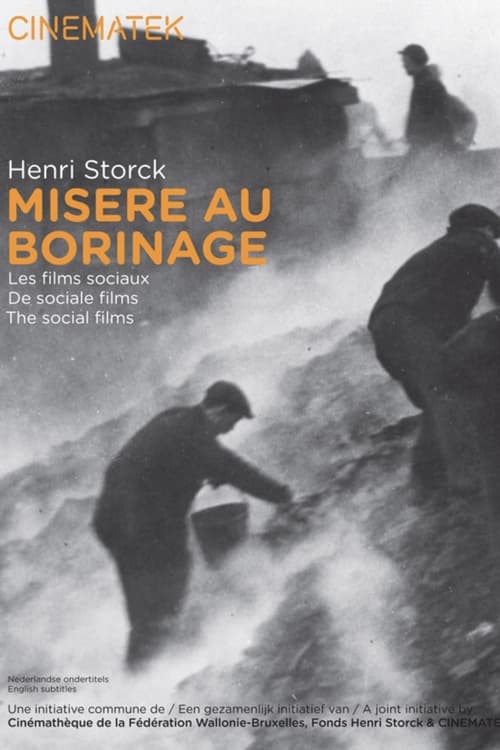
Henri Storck and Joris Ivens’ landmark of social documentary, blending staged scenes with locals and on-the-spot reportage to depict the 1932 miners’ strike in Belgium’s Borinage—evictions, hunger, and police repression—transforming outrage into a call for solidarity.

Borinage

1934
Louisiana Story
6.3

The idyllic life of a young Cajun boy and his pet raccoon is disrupted when the tranquility of the bayou is broken by an oil well drilling near his home.

Louisiana Story

1948
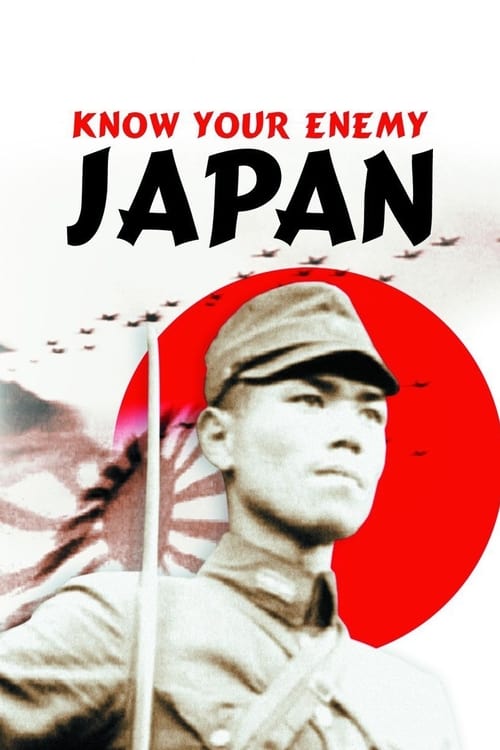
Know Your Enemy: Japan
5.9

Frank Capra-directed propaganda film produced during World War II depicting the United States' new enemy: Japan.

Know Your Enemy: Japan

1945
The Spanish Earth
6.6

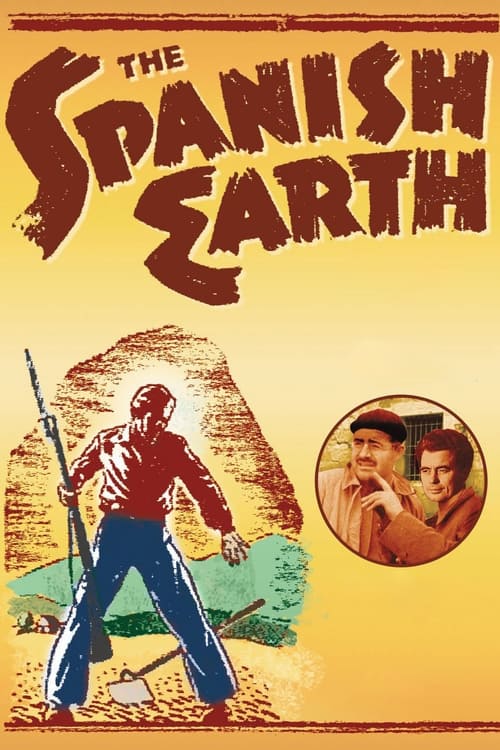
Joris Ivens’s advocacy documentary for the Republican cause intercuts a besieged Madrid with a nearby village digging an irrigation canal, linking the war to bread, land, and survival. Produced by the writers’ collective Contemporary Historians, edited by Helen van Dongen, scored by Marc Blitzstein, and narrated in its U.S. version by Ernest Hemingway (after an initial Orson Welles track), it blends frontline reportage with persuasion against Franco’s forces and their German–Italian backers.

The Spanish Earth

1937
The 400 Million
6.3

Joris Ivens’s wartime documentary of China’s resistance to the Japanese invasion, cross-cutting civilian exodus and bombing with the Nationalist state’s mobilization—schools, industry, dispersed war production, foreign relief—and guerrilla fighting. Framing an ancient nation of “400 million,” it contrasts tradition with modernization and closes on the unresolved question of victory.

The 400 Million

1939
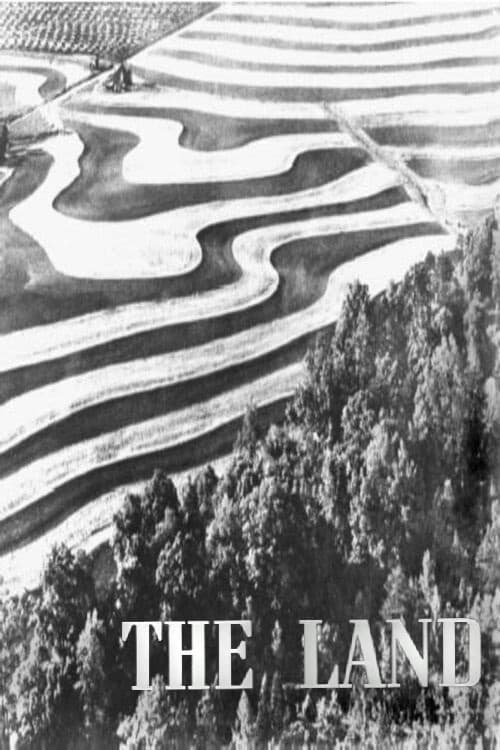
The Land
7.3

Documentary showing the poor state that American agriculture had fallen into during the Great Depression.

The Land

1942
Pete-Roleum and His Cousins
7.7

Pete Roleum, an oil droplet, narrates a presentation about the history and uses of oil: He starts by introducing some of his relations, with illustrations of the things that they have done throughout history. He then turns to the modern era, and shows that oil has a great many important uses, some of which might come as something of a surprise.

Pete-Roleum and His Cousins

1939
Philips-Radio
6.6

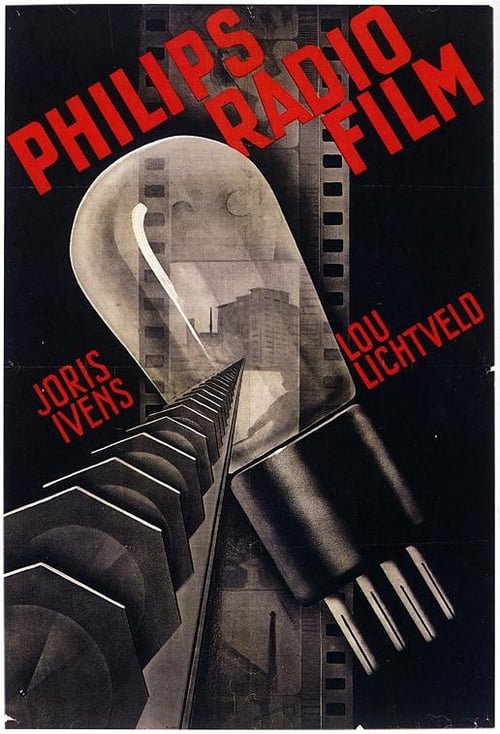
A poetic industrial short that follows a radio from molten glass to finished set: glassblowers shape valves, conveyors and assembly lines build chassis, cabinets, and speakers, engineers test and prototype—ending on a playful stop-motion “dance” of loudspeakers.

Philips-Radio

1931
Power and the Land
6.3

A documentary showing the struggle to bring electricity to rural areas of the United States.

Power and the Land

1940
No image
N/A

A compilation propaganda film produced during the Spanish Civil War.

Spain in Flames

1937
New Earth
6.8

The film is a documentary portraying a struggle as man tries to subdue nature. To prevent flooding and for purposes of land reclamation, the people of the Netherlands struggle and succeed in building a breaker, thereby eliminating the wild inland body of water once known as the Zuider Zee (now called Ijsselmeer).

New Earth

1933