Directing
37-year-old Sara Shahverdi, a motorcycle riding, land owning, former midwife-turned-fierce citizen advocate and recent divorcée, just won a landslide local election in her remote Iranian village and everyone has an opinion about it.
Extraordinary behind-the-scenes access reveals a drug company's fevered race to develop the first FDA-approved Viagra for women - and offers a humorous but sobering look inside the cash-fueled pharmaceutical industry.
A Brooklyn teenager juggles conflicting identities and risks friendship, heartbreak, and family in a desperate search for sexual expression.
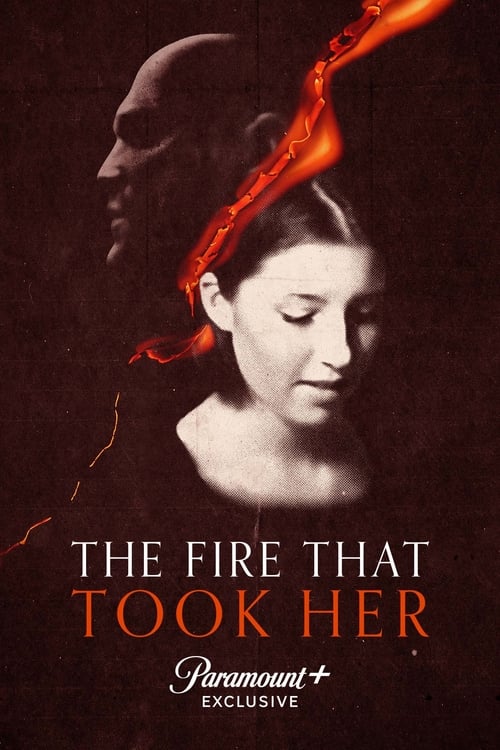
Mother-of-two Judy Malinowski, then 31, was doused in gasoline and set on fire by her crazed boyfriend – and one of the first ever to testify from beyond the grave, at the trial for her own murder. A story that lives at the intersection of true crime and #MeToo, THE FIRE THAT TOOK HER goes deep inside a landmark case to ask a timely question: How much must women suffer in order to be believed?
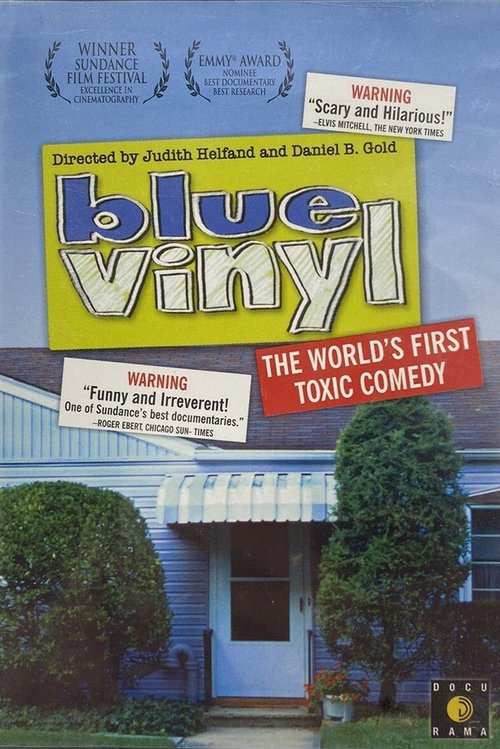
With humor, chutzpah and a piece of vinyl siding firmly in hand, Peabody Award-winning filmmaker Judith Helfand and co-director and award-winning cinematographer Daniel B. Gold set out in search of the truth about polyvinyl chloride (PVC), America's most popular plastic. From Long Island to Louisiana to Italy, they unearth the facts about PVC and its effects on human health and the environment.
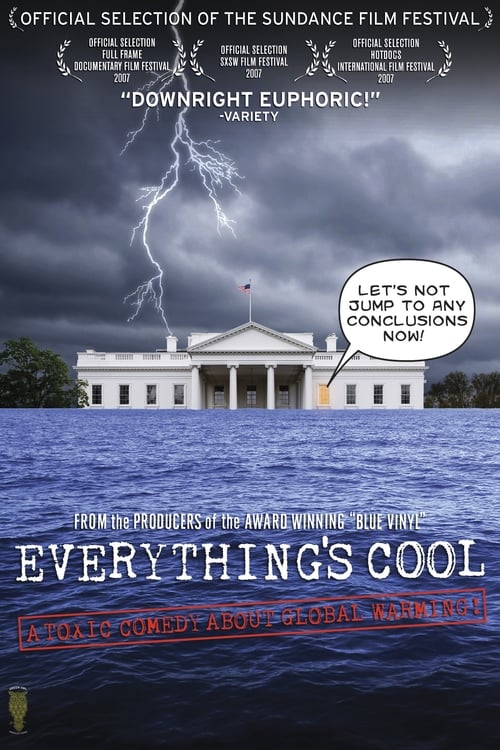
In this documentary, filmmakers Daniel B. Gold and Judith Helfand (Blue Vinyl) follow a troupe of self-proclaimed global warming "warriors" on a mission to get the world to care about rising temperatures and melting polar ice caps. Taking a topic that's inherently serious and applying their signature blend of humor and emotional heft, Gold and Helfand advance the environmental dialogue in a surprisingly entertaining way.
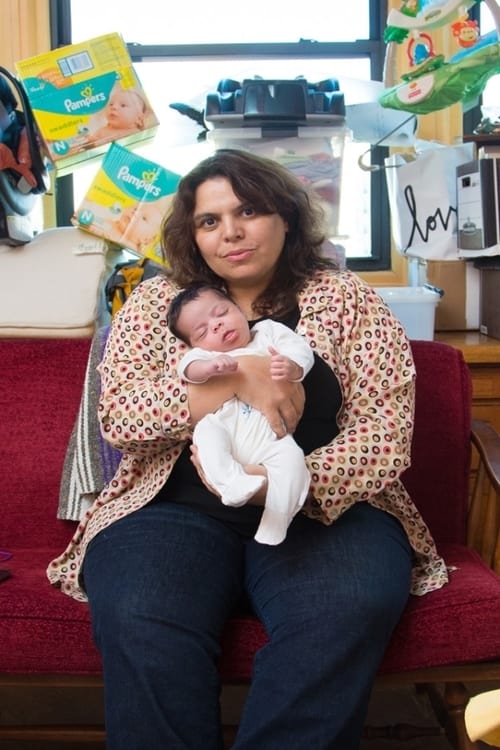
Seven months after helping her terminally ill mother during the end of her life in home-hospice, filmmaker Judith Helfand becomes a "new old" single mother at 50. Overnight, she's pushed to deal with her stuff: 63 boxes of her parent's heirlooms overwhelming her office-turned-future-baby's room, the weight her mother had begged her to lose, and the reality of being a half century older than her daughter.
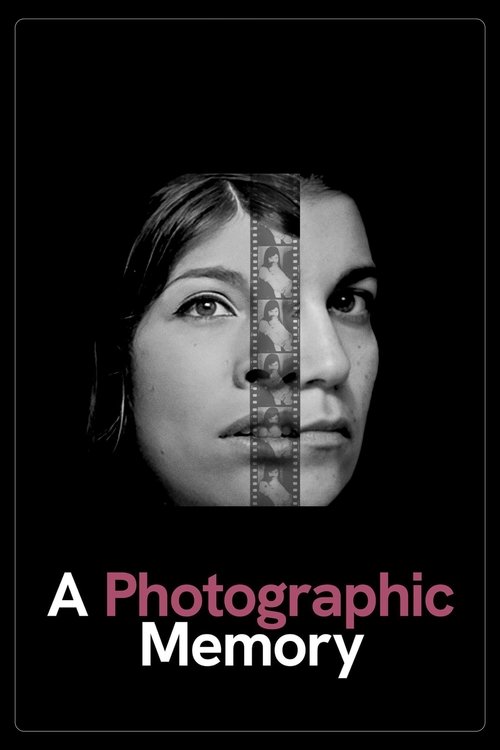
A filmmaker ventures into the archives of her photographer mother to construct a personal story of love, loss, and finding someone in the work they leave behind.
From 2000 to 2008, China was the leading country for U.S. international adoptions. There are now approximately 70,000 Chinese adoptees being raised in the United States. Ninety-five percent of them are girls. Each year, these girls face new questions regarding their adopted lives and surroundings. This is a film about Chinese adopted girls, their American adoptive families and the paradoxical losses and gains inherent in international adoption. The characters and events in this story will challenge our traditional notions of family, culture and race.
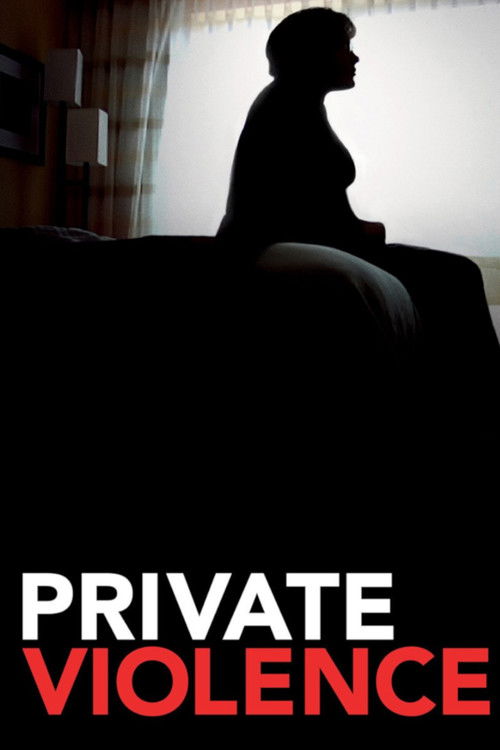
One in four women experience violence in their homes. Have you ever asked, “Why doesn't she just leave?” Private Violence shatters the brutality of our logic and intimately reveals the stories of two women: Deanna Walters, who transforms from victim to survivor, and Kit Gruelle, who advocates for justice.
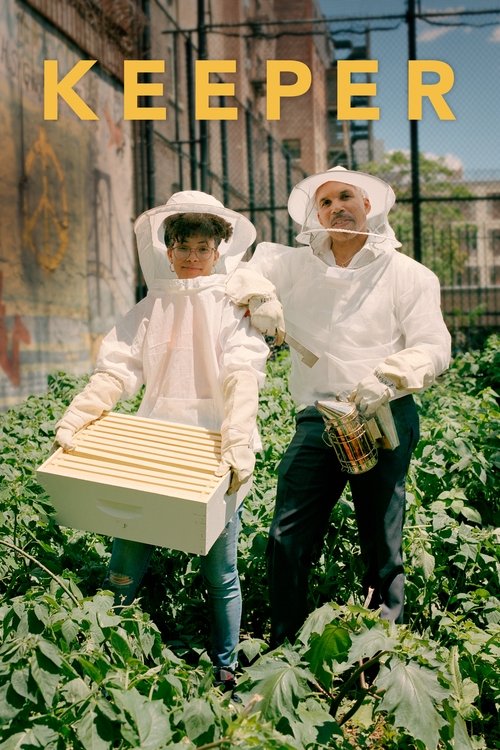
For Flynn, a single father and empty nester in the Bronx, beekeeping is a source of calm, wisdom, and healing. Undeterred by his severe allergy to bee stings, he cares for hives across the city—including several inside his daughter Alaura's childhood bedroom. When Flynn receives a life-threatening diagnosis, he reluctantly steps away from the bees under Alaura's care. Battling cancer while fretting about his hives' survival, Flynn prepares his daughter to continue living powerfully—with or without him.
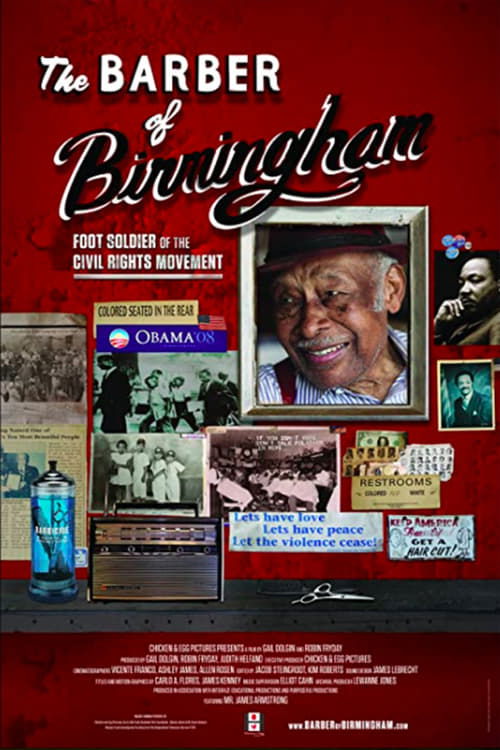
The film features 85-year-old Mr. Armstrong, an African American barber in Birmingham, Alabama, as he experiences the manifestation of an unimaginable dream: the election of the first African American president. This colorful and courageous activist of the Civil Rights era casts his vote, celebrates Obama's victory and proudly unfurls the American flag as he is inducted into the Foot Soldiers Hall of Fame. Mr. Armstrong links the magnitude of the present paradigm shift with challenges he faced in the past: from his sons' integration into an all white school to the Bloody Sunday march for voting rights. The documentary raises questions about democracy and patriotism in the face of adversity, and the vigilance and action required to ensure continued forward movement to end racial injustice.
Filmmaker Judith Helfand turns the camera on herself to document her battle with cancer caused by DES, a drug prescribed to her mother during pregnancy. Refusing to confine the tears, rage, laughter and hope to dinner table conversations, Helfand invites us to witness her personal journey from radical hysterectomy patient to vocal opponent of toxic exposure. From her suburban home to the halls of Congress, the intensely private becomes widely public, and an American family is transformed and strengthened.
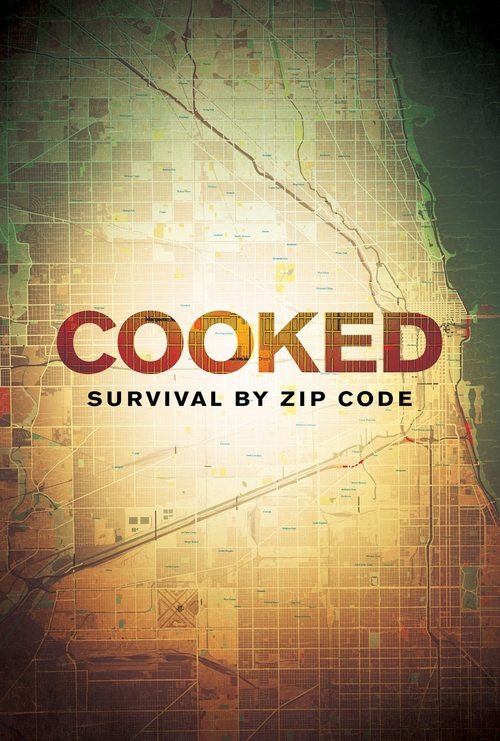
Filmmaker Judith Helfand's searing investigation into the politics of “disaster” – by way of the deadly 1995 Chicago heat wave, in which 739 residents perished (mostly Black and living in the city’s poorest neighborhoods).
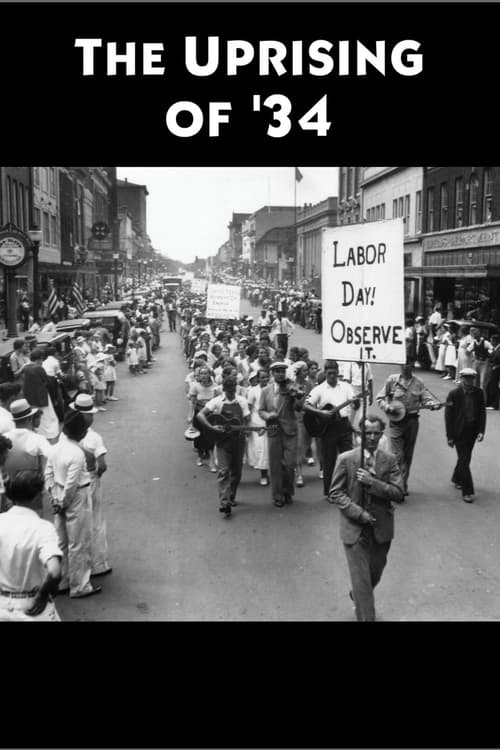
Textile workers recall with pride the long- suppressed story of the General Textile Strike of 1934 when 500,000 Southern mill laborers walked off their jobs.
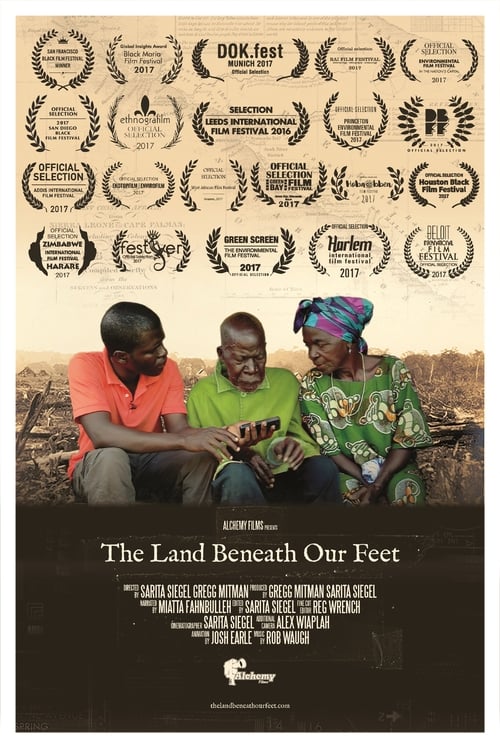
The Land Beneath Our Feet follows a young Liberian man, uprooted by war, who returns from the USA with never-before-seen footage of Liberia’s past. The uncovered footage is embraced as a national treasure. Depicting a 1926 corporate land grab, it is also an explosive reminder of eroding land rights.
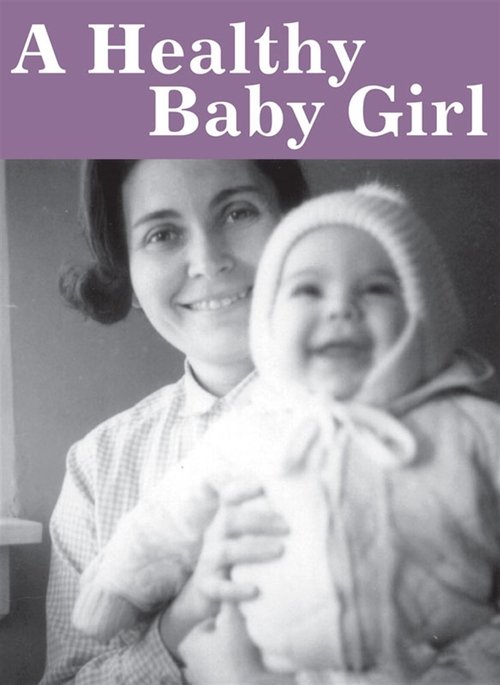
Documentarian Judith Helfand adopts z daughter at the age of 50.
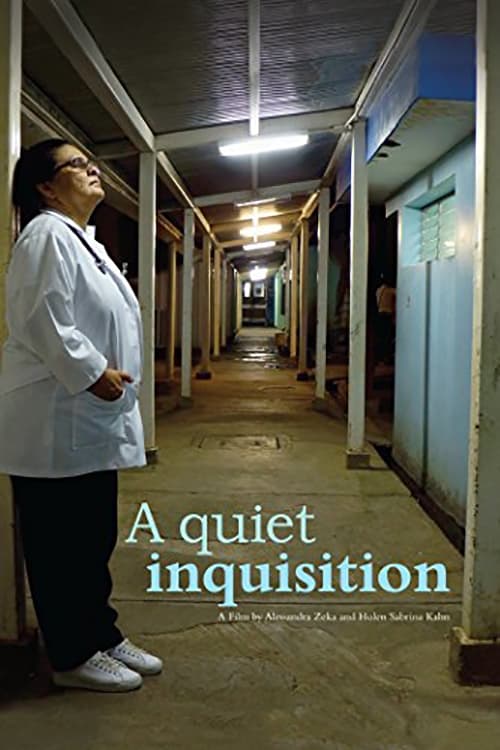
At a public hospital in Nicaragua, Ob/Gyn Dr. Carla Cerrato must choose between following a law that bans all abortions and endangers her patients or taking a risk and providing the care that she knows can save a woman's life. In 2007, Dr. Cerrato’s daily routine took a detour. The newly elected government of Daniel Ortega, a former Marxist revolutionary who converted to Catholicism to win votes, overturned a 130-year-old law protecting therapeutic abortion. The new law entirely prohibits abortion, even in cases of rape, incest, or when a woman’s life is at stake. As Carla and her colleagues navigate this dangerous dilemma, the impact of this law emerges—illuminating the tangible reality of prohibition against the backdrop of a political, religious, and historically complex national identity. The emotional core of the story—the experiences and situations of the young women and girls who are seeking care—illustrate the ethical implications of one doctor's response.
My Favorite Neoconservative offers a rare glimpse of intimate Washington politics through a unique father-daughter relationship. The main character is the filmmaker’s father, Edward Luttwak, who makes a living as a military strategist. He devised the air campaign of the first Iraq War; his life was threatened on the nightly news by the notorious terrorist, Abu Nidal. The film tells a father-daughter story with a massive military and political twist.
Two days after the Russian invasion of Ukraine, Lesya Verba, a Brooklyn-based artist and performer, gets through to her older sister in Odessa, Ukraine via FaceTime.