Writing
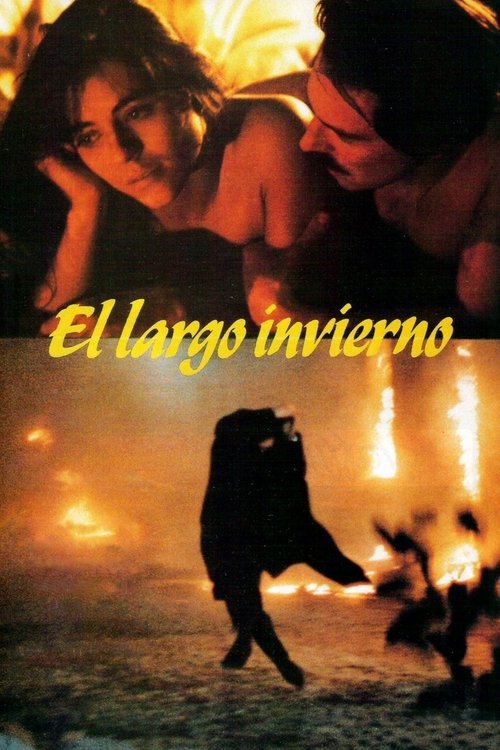
In 1939, Ramón was a young man, caught up in his Barcelona family's involvement on the Republic side in the brutal Spanish Civil War. He and his family fled into exile ahead of Franco's troops. Now it is many years later, and he has come back to see how his old homestead fared in the intervening years. The only person he can find who is able to remember those years clearly is his family's old butler Claudio.
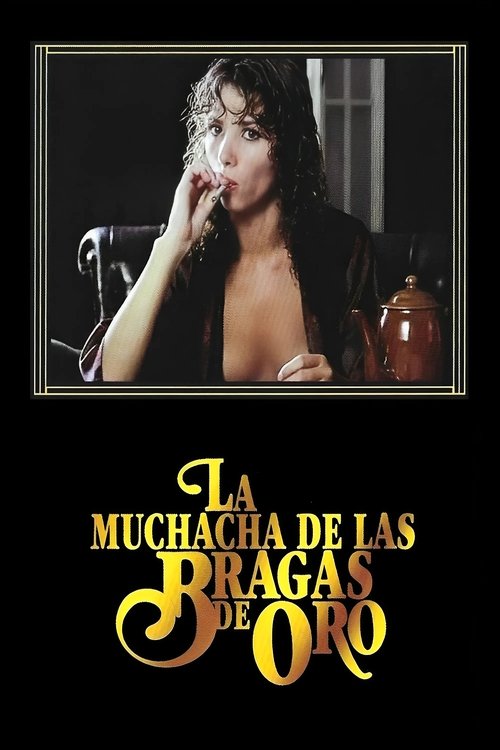
Joan Mares obsession for the lovely and luscious Norma Valenti takes epic proportions because he cannot let go of her. After he is injured by some skin heads, he uses his scars to pursue his life as a street musician. He devices a plan to get to Norma and she never catches on to his deceit, except she realizes that as Juan Faneca his performance in bed is exactly what she had experienced with Joan Mares because she concludes they were taught sex by the same prostitute.
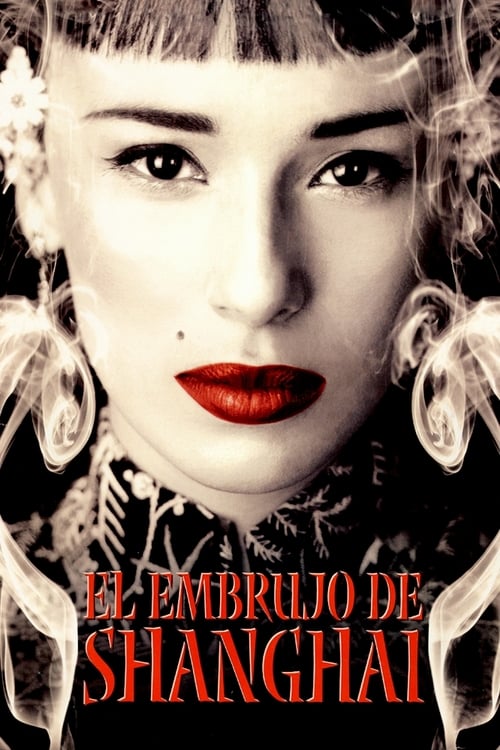
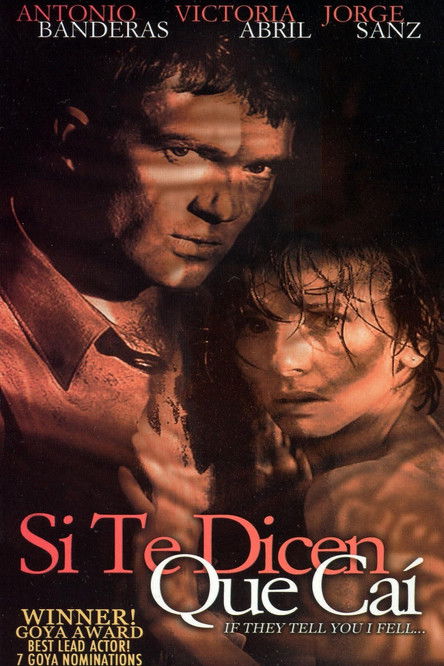
A fourteen year old lad discovers his first love at the point of his pencil whilst drawing the portrait of a sickly but coquettish fifteen year old girl. In the neighbourhood an old freedom-fighter pits himself against bad types, a pretty cinema-ticket girl takes to the streets at night and a young anarchist dedicates himself to telling tall stories. Far away, in Shanghai, a hero of the Republic meets a beautiful femme fatal with oriental eyes. Reality and fiction become fused in an embrace.
Luys Forest is a writer with a Falangist political past. He lives isolated in a coastal town, writing his memoirs (actually rewriting and adapting his autobiography with the times), and brooding over his failed marriage. His sister is worried about him and decides to send her daughter Mariana to stay with him. Mariana and a seemingly mute and artistic lesbian companion come to town to shake the stable world of Luys with their free and uninhibited ways. Soon begins a game of seduction that ends up exposing the intellectual game of Luys.
In the post Spanish civil war years, Catalan kids would sit in circles among the ruins and tell stories, known as "aventis" (the film's original title in Catalan, its original language). These tales mix war stories, local gossip, comic book characters, fantasy and real events. The "aventis" told in this film are told in flashback. In the mid 80s, 45 or so years after the age of the "aventis," a doctor and a nurse-nun (who grew up together, and now are co-workers in a hospital) identify the corpse of one of the main characters of the "aventis" of their childhood and adolescence. Besides the interesting flashbacks - a chronical of the Civil War in a "typical" Barcelona microcosm itself, the discovery of this body (belonging to someone long presumed dead) leads to other surprises and unresolved doubts, several decades later
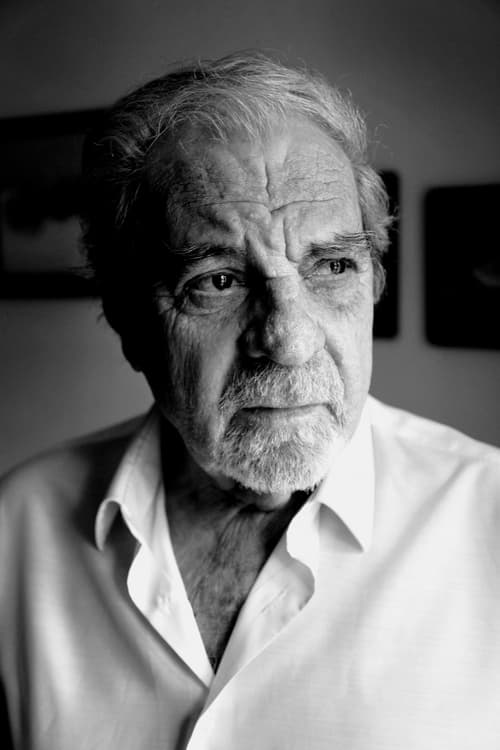
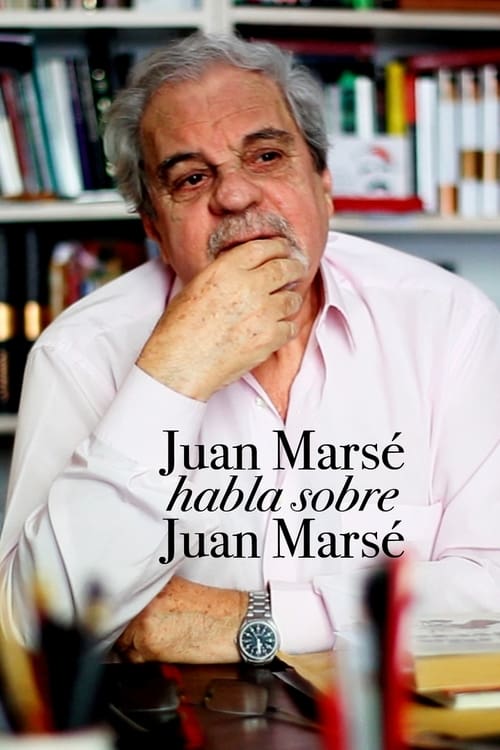
From his office in Barcelona, where he usually works, Spanish writer Juan Marsé speaks of his novels, the movies that have been made from them, their relations with the classic American cinema and its influence on his narrative.
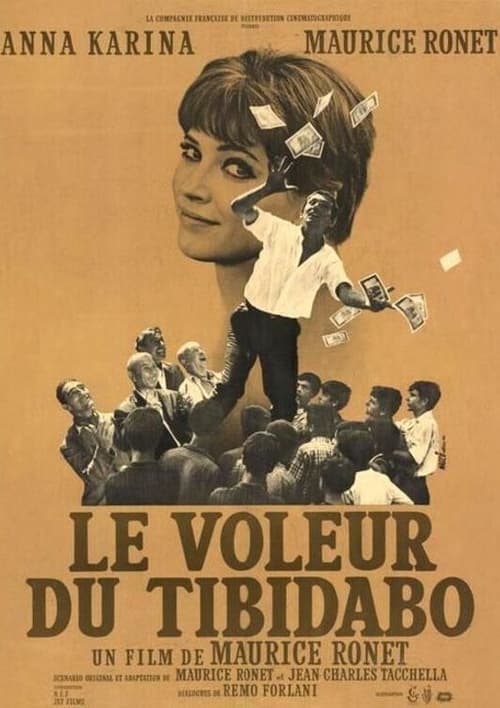
In this lighthearted crime comedy, Nicolas is a Barcelona ice cream vendor who inadvertently helps a friend who has just committed a robbery. He is chased by several shady underworld characters trying to get their hands on the stolen loot.
Life and work of Antonio Perez, important personality of Spanish culture because of its relationship with key artistic and social events that occurred in Spain since the early fifties. Unique character, Antonio Perez developed an interesting activity as an artist-editor-collector. It is precisely this aspect of "search objects" which he equated with contemporary artists such as Duchamp.
The divergent lives of twin brothers, Raúl, a violent policeman, and Valentín, a mentally handicapped man, cross paths again when the former decides to visit his family.
Adapted from the novel by Juan Marse, the film shows two distant worlds in the Spain of the 50's, the suburban and the bourgeois, which are related through two characters, Manolo Reyes, vulgar motorcycle thief who aspires to escape poverty and Teresa Serrat, university student of bourgeois extraction seduced by the revolutionary cause.
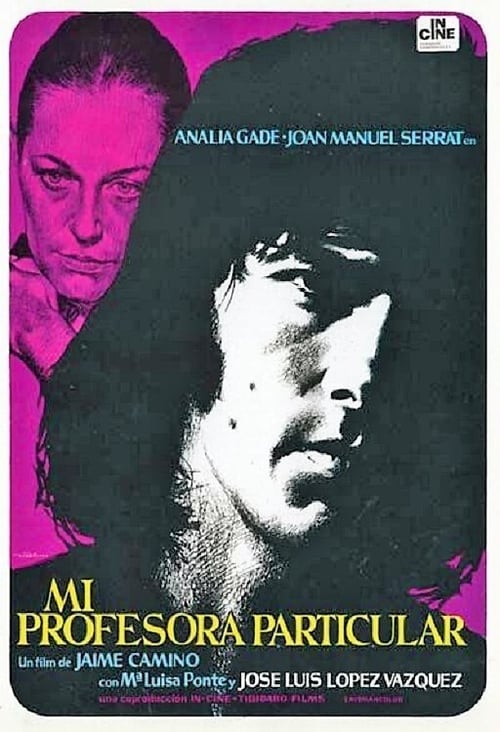
Loris is a young man who begins a romance with Francisca, his piano teacher, a forty-year-old who lives dominated by her mother, who was a successful soprano in her youth. Loris goes to live at Francisca's house. They will have as neighbor a sexual obsessive, fan of carnivorous plants and spying on people with binoculars. When they are preparing a trip, Francisca's mother shows up at the house. Her initial indignation soon gives way to a great interest for the young man, which will provoke the terrible jealousy of Francisca.
A collection of documentaries on the most outstanding figures of 20th century Spanish culture.
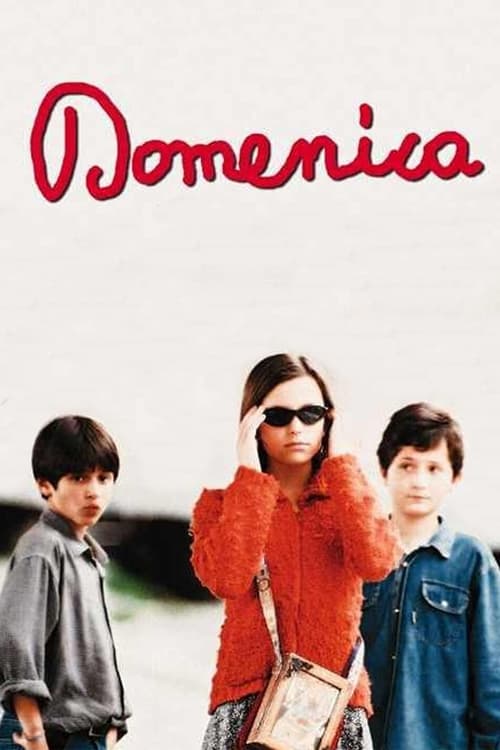
Police inspector Sciarra, struggling with an identity crisis, and Domenica, an orphan who would like to know about her mother, spend one day together along the streets of Naples. It's Sciarra's last day of work and he has to take Domenica to the morgue, to identify a man who might have raped her. To Domenica, Sciarra is a father she never had, to him she is the daughter he couldn't have.
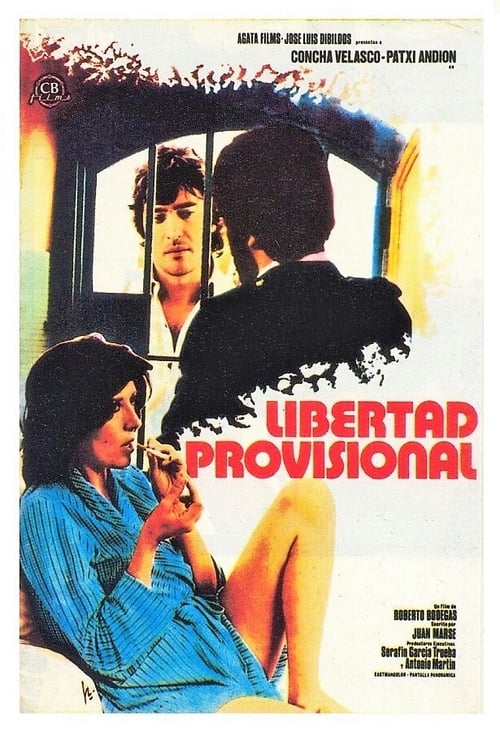
A small-time delinquent young man and a book saleswoman at home delivery, who occasionally engage in prostitution as a derivative of her work, try a way of coexistence on the basis of mutual freedom schemes.
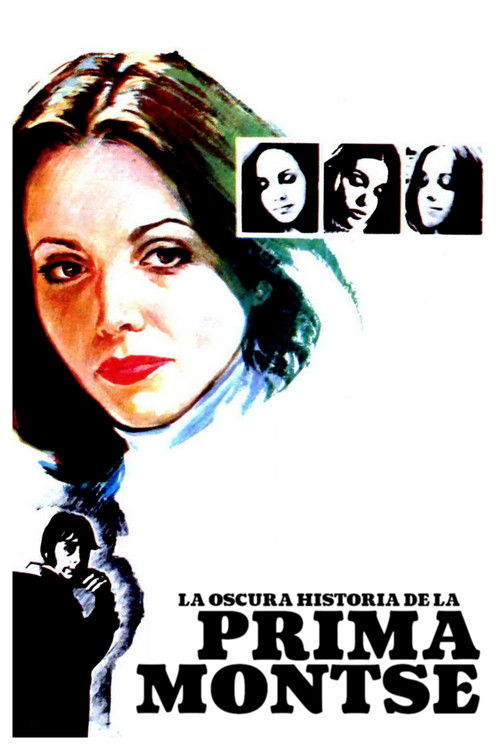
Paco, a middle-class young man, tells his lover the shady story of his cousin Montse, a social worker.
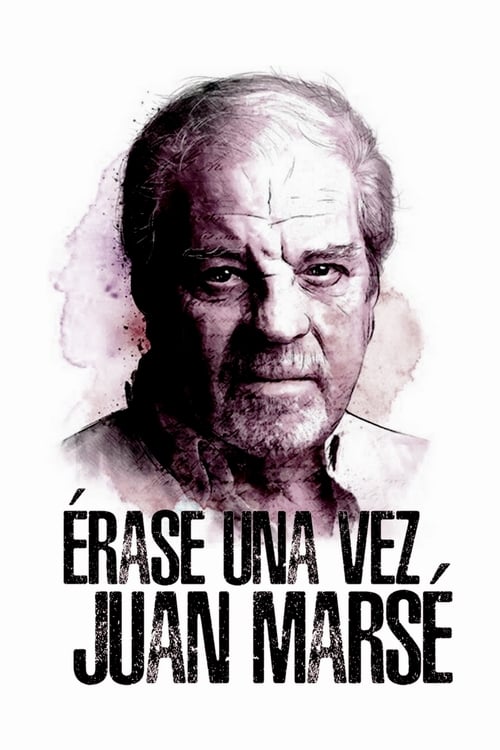
On the occasion of awarding the Cervantes Prize to the Catalan writer Juan Marsé on 23 April 2009, family members, friends and writers offer a sincere portrait of the best chronicler of life in Barcelona, Catalonia, during the post-war period and the worst days of the General Franco dictatorship, in the forties and fifties, and during the economic development and the hard conquest of freedom, in the sixties and seventies.