Acting
No description available.
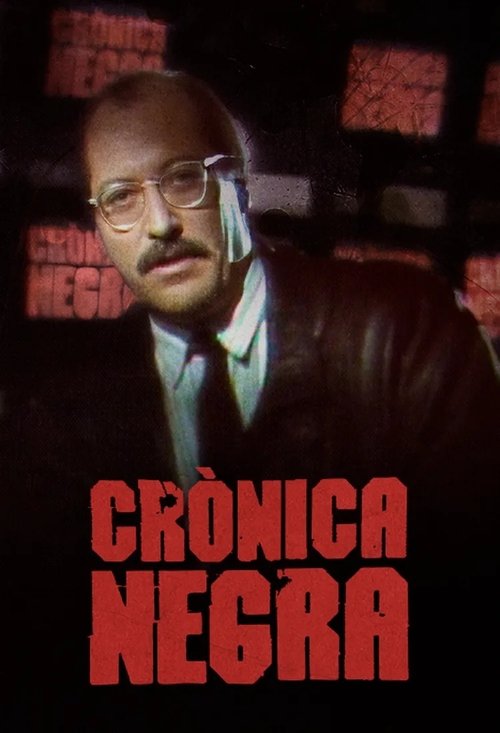
Crònica negra is a gripping anthology crime series based on the short stories of renowned Spanish author Andreu Martín. Inspired by actual, real-life headlines from the crime and mystery sections of local newspapers, each self-contained episode masterfully blends reality with fiction. The series delves into the shadows of everyday life, reconstructing the unexpected events, psychological motives, and human tragedies behind some of the era's most shocking crimes.
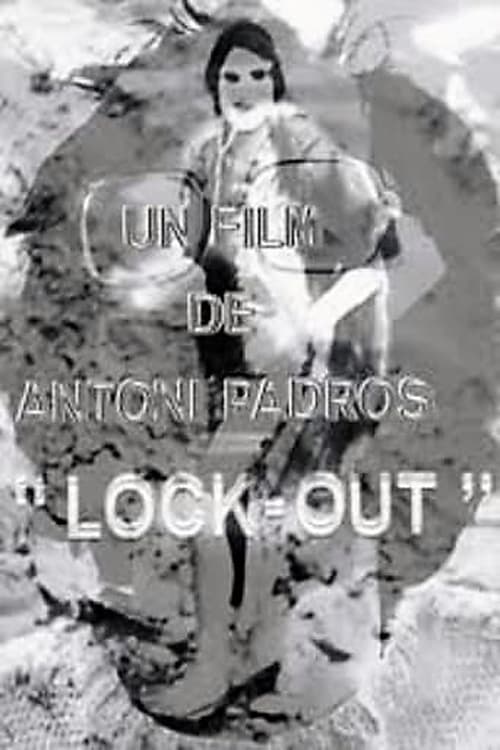
An allegory of political oppression under Franco, with a plot alternating between narrative sequences and dream-like moments styled after the Spanish avant garde. Padrós employs a range of musical forms including opera, scores, and choreography to underscore a plot featuring a group of dropouts living in a junkyard who try to re-integrate with "The System" as represented by a party.
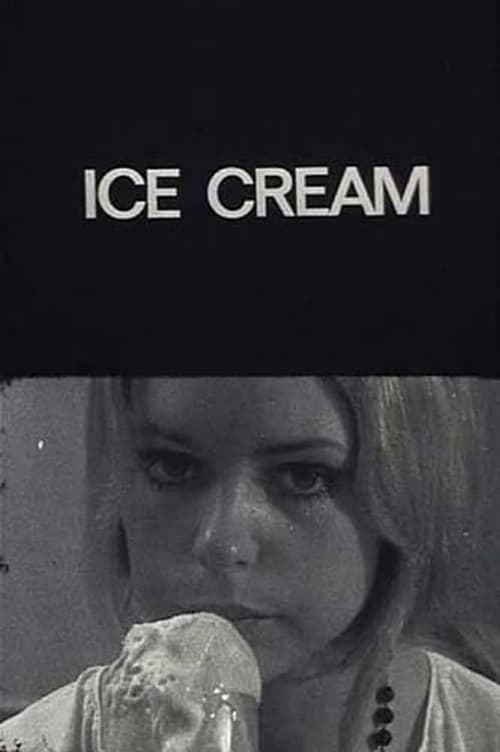
Short film based on a real news item in which a student from Ohio was sentenced to spend three hours in a pigsty to learn to differentiate between a pig and a policeman. It shows a group of friends which make up a surreal symphony of people counting pigs and the actress Rosa Morata, dressed like a decadent cabaret performer, who unsuccessfully tries to escape from a runaway herd of men.
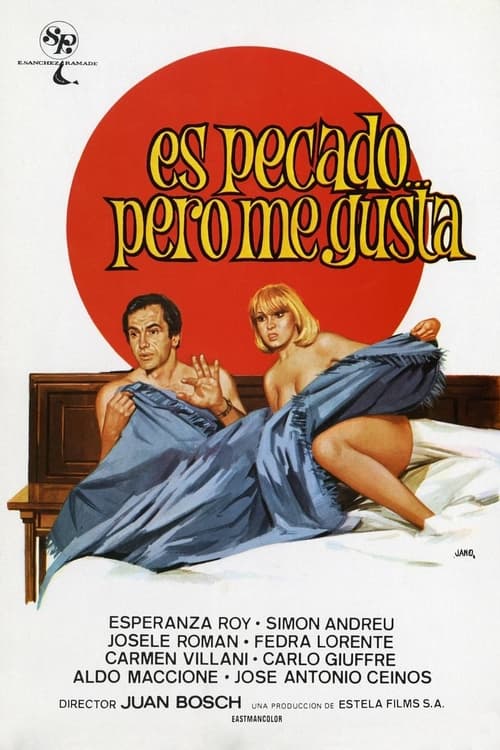
Fabrizzio hired the services of a prostitute to pretend to be his wife and accompany him to spend a weekend in the country house of his friend Romolo, where Aristides Almirante, an important official of the Ministry of Health, has also been invited. the approval of a new medicine of doubtful effectiveness called Fagatín, whose patent Fabrizzio owns.
Young José María goes through a painful journey until he discovers that he is a transsexual.
Spanish actress María de Montenegro marries a Nazi officer, von Herzig, in Berlin during World War II, and years later is forced to return to Barcelona. There she hopes to find what could be her last chance to regain her lost success.
A short film about a mysterious ceremony, based on an essay by William S. Burroughs.
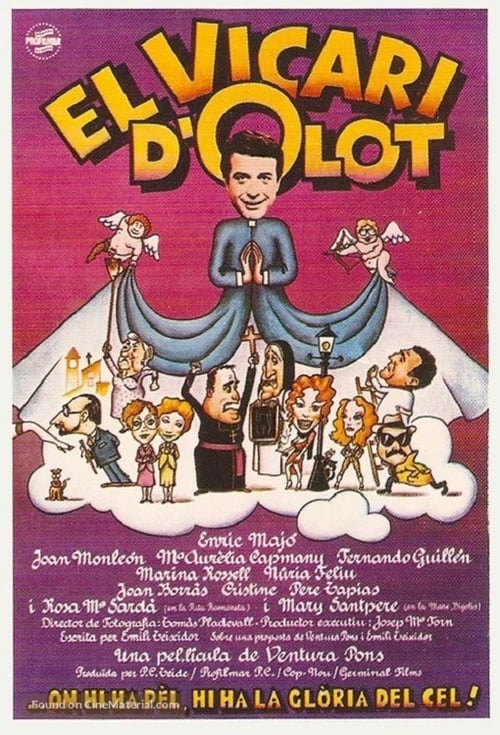
In a small Catalan village take advantage of the visit of an ecclesiastical authority of Rome, during vacations, to organize a conference on the topic of religion and sex. This causes the people to divide into two camps, those who favor and those against the "Congress", until finally after a series of negotiations between both sides, we arrive at consensus. A large mosaic of characters carry the story to end happily, through critical situations with the conservative church.
Short film that addresses family repression through the bond between a brother and a sister in which the stronger takes advantage of the weaker.
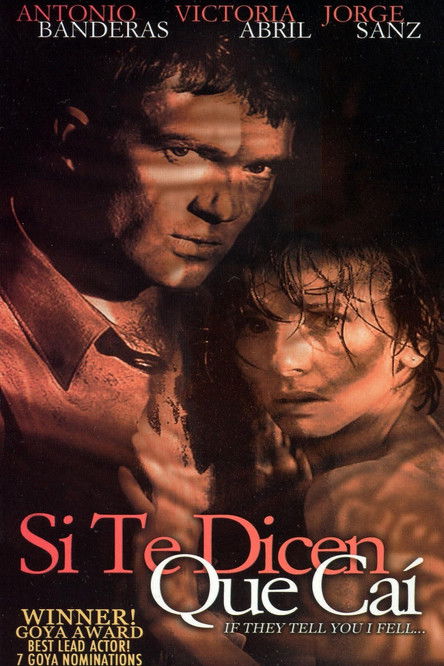
In the post Spanish civil war years, Catalan kids would sit in circles among the ruins and tell stories, known as "aventis" (the film's original title in Catalan, its original language). These tales mix war stories, local gossip, comic book characters, fantasy and real events. The "aventis" told in this film are told in flashback. In the mid 80s, 45 or so years after the age of the "aventis," a doctor and a nurse-nun (who grew up together, and now are co-workers in a hospital) identify the corpse of one of the main characters of the "aventis" of their childhood and adolescence. Besides the interesting flashbacks - a chronical of the Civil War in a "typical" Barcelona microcosm itself, the discovery of this body (belonging to someone long presumed dead) leads to other surprises and unresolved doubts, several decades later
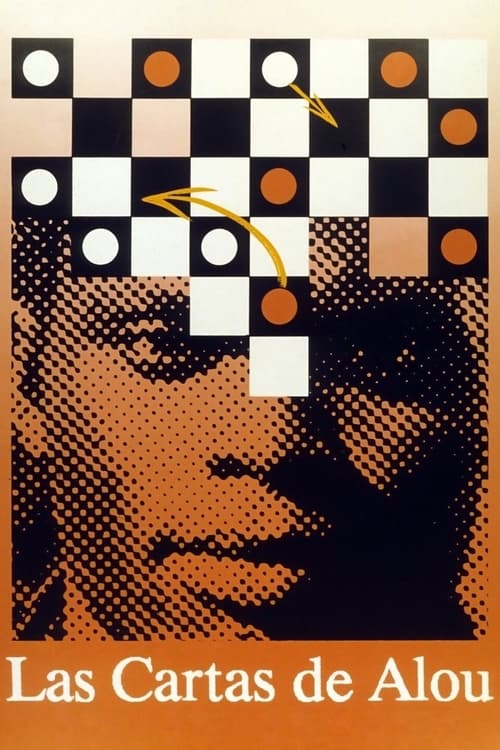
A group of Africans clandestinely reaches the coast of southern Spain. Among them is Alou, a 28 years old Senegalese. As all his belongings are stolen while in Almsería, he has no choice but to engage in street vending. His only pleasure are the letters he writes to his family to tell the vicissitudes of his Spanish adventure.
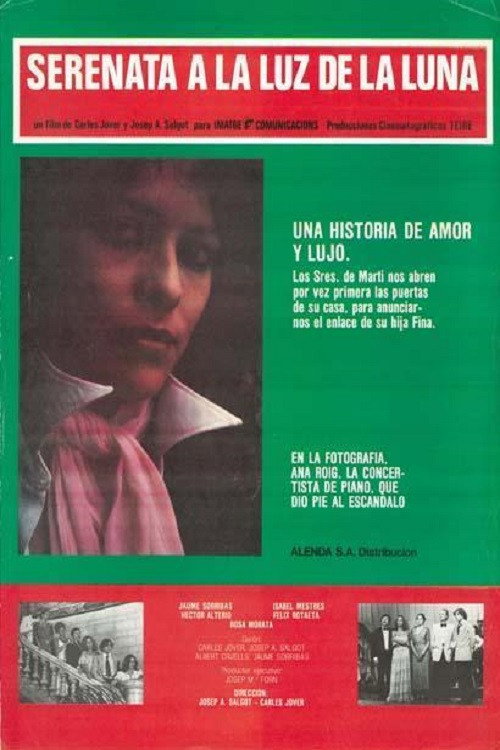
An upper-class family celebrates their daughter's upcoming marriage to a young man who appears to be of the same social standing. The fiancé has sexual relations with another woman, and this sets off a chain of humiliations.
A tragedy that does not avoid irony while showing a couple in a romantically disastrous state.
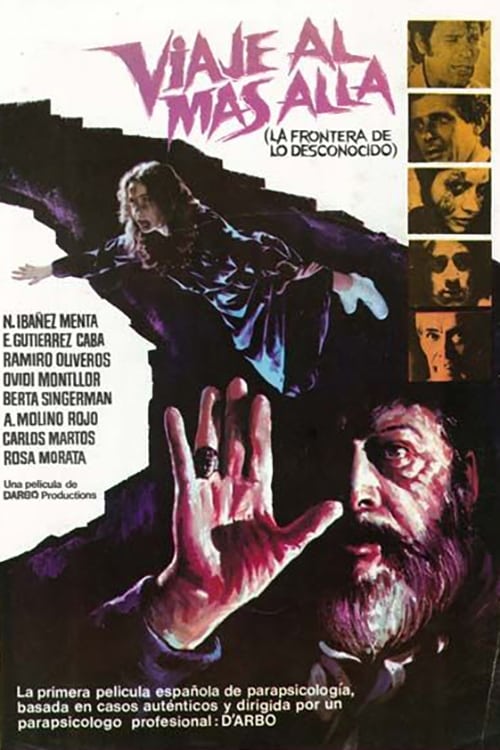
A doctor in parapsychology invites some people to their mansion. They all have lived some kind of paranormal experiences.
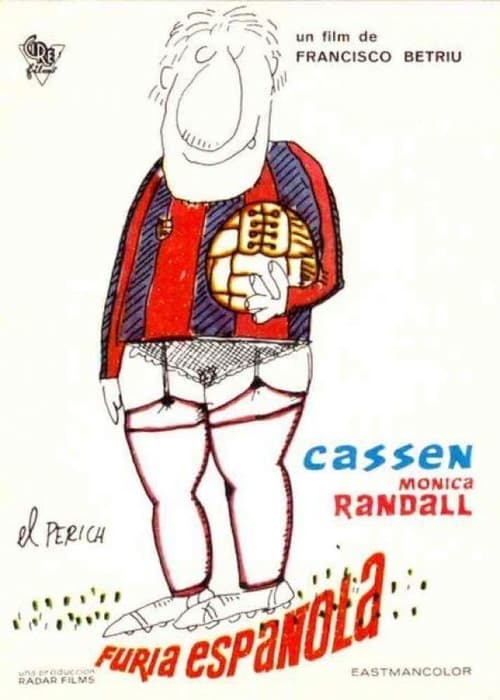
Season 1973-1974. After fourteen years of drought, the FC Barcelona of Johan Cruyff is making a spectacular campaign. Sebastián, a great fan of soccer, decides then to join a Barça's supporters club. There he will meet the daughter of his friend Amadeo, an attractive young woman who will not stop until Sebastián agrees to marry her. The couple will celebrate their wedding on the same day that Barça and Madrid compete for the League.
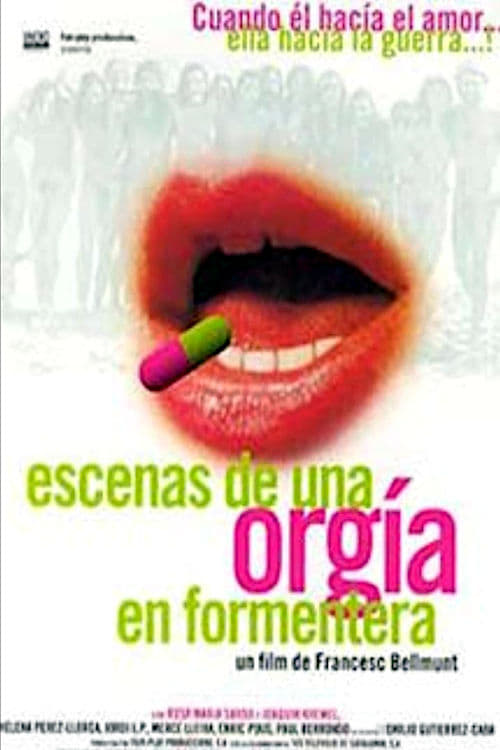
Having gained success and artistic acknowledgement for his performances on the stage, Joan Barnat has now definitively abandoned the theatre to work exclusively for television. But a turn of events causes him to lose control of his mind and he becomes obsessed with leaving his work to seek out a past love from the 70’s in the island of Formentera.
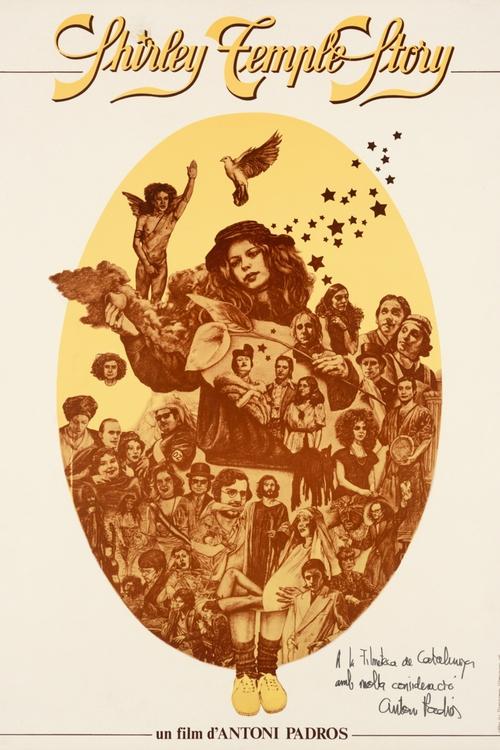
A humorously distorted version of the life of Shirley Temple, and described by its director as a terrorist musical. Shirley Temple sets off for the Emerald City to tell the Wizard that she is upset that Judy Garland has been selected for the role of Dorothy in The Wizard of Oz. On this trip she is accompanied by a group of characters who make reference to a fragmented, bipolar society. The film was begun as Franco was ill and completed after his death, and makes reference to the oppression of Spain during this period.
Short film dedicated to the "established order" (yet made clearly outside of it) and drawing from the protests of 1968 and the struggle for socialist revolution, it also challenges the Catholicism and nationalism of Franco's Spain. It depicts the breakdown of a relationship, as the woman leaves for Germany where the Marxist struggle needs her help, and the man mocks her revolutionary ideals.