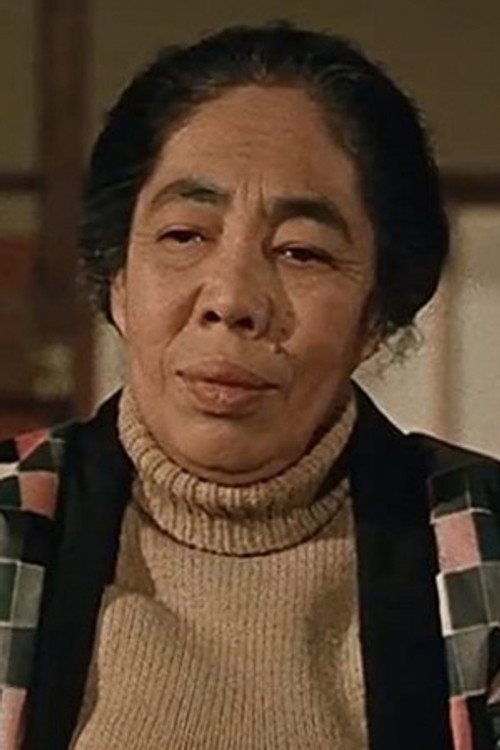
Eiko Miyoshi
Acting
Biography
Eiko Miyoshi (April 8, 1894 – July 28, 1963) was a Japanese actress. She was born in Tokyo. Her husband was the film producer Nobuyoshi Morita. She appeared in many Toho films, including those directed by Akira Kurosawa. Her birth name was Haru Miyata, and her real name after marriage was Haru Morita. After the Second World War , she entered the film industry at the request of director Akira Kurosawa. In 1946, at the age of 52, she made her first film appearance in Kurosawa's first postwar film, No Regrets for My Youth. From then on, through the 1950s, she was cast in a succession of films by Japan's leading directors, including Kurosawa, Keisuke Kinoshita, Mikio Naruse, Yasujirō Ozu, Kenji Mizoguchi, Heinosuke Gosho, Kon Ichikawa, and Shirō Toyoda. She also appeared in many Toho salaryman comedies.
Known For
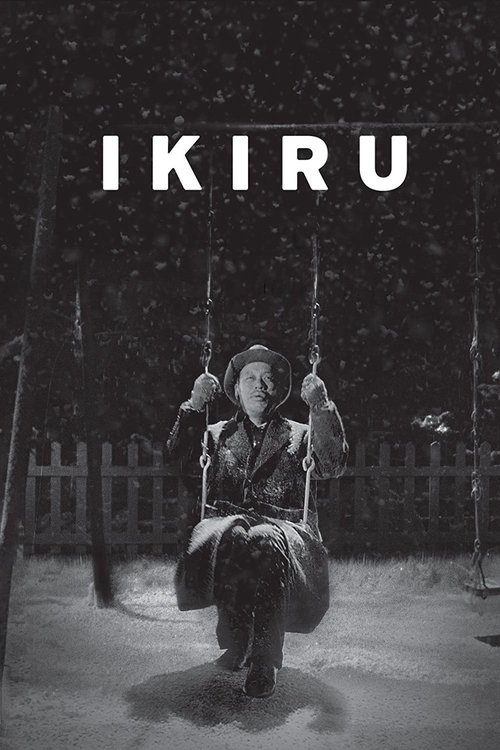
Kanji Watanabe is a middle-aged man who has worked in the same monotonous bureaucratic position for decades. Learning he has cancer, he starts to look for the meaning of his life.
Ikiru
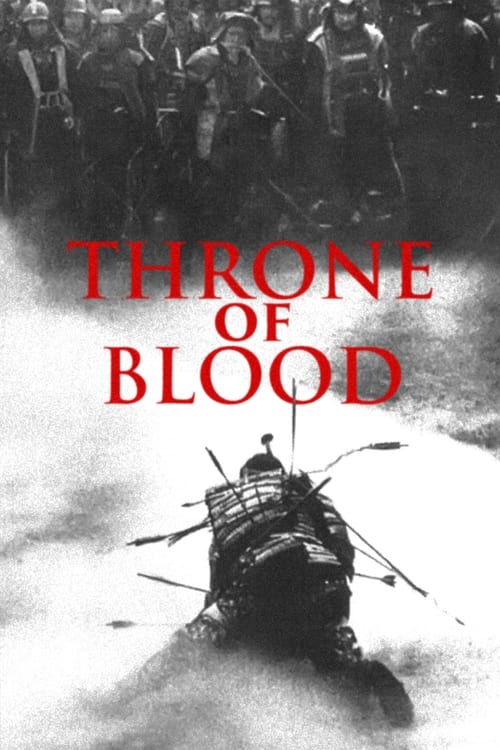
Returning to their lord's castle, samurai warriors Washizu and Miki are waylaid by a spirit who predicts their futures. When the first part of the spirit's prophecy comes true, Washizu's scheming wife, Asaji, presses him to speed up the rest of the spirit's prophecy by murdering his lord and usurping his place. Director Akira Kurosawa's resetting of William Shakespeare's "Macbeth" in feudal Japan is one of his most acclaimed films.
Throne of Blood
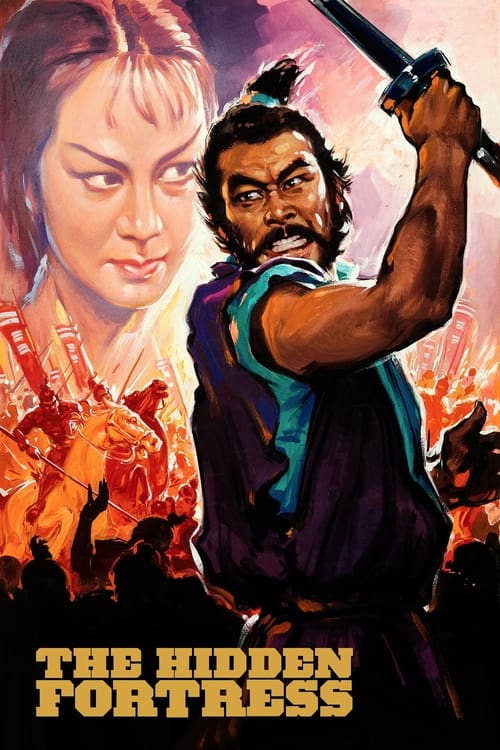
In feudal Japan, during a bloody war between clans, two cowardly and greedy peasants, soldiers of a defeated army, stumble upon a mysterious man who guides them to a fortress hidden in the mountains.
The Hidden Fortress
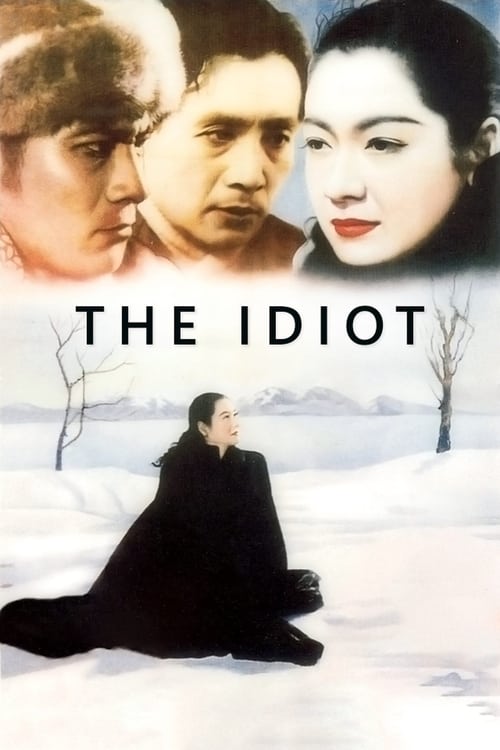
A gentle, war-shattered ex-soldier, Kinji Kameda, arrives in wintry Hokkaidō and is pulled into a volatile tangle of love and pity between the disgraced Taeko Nasu, the proud Ayako, and his possessive friend Akama. Kameda’s saintly compassion exposes everyone’s wounds, steering the quartet toward jealousy, violence, and inexorable tragedy. Adapted from Dostoevsky’s novel.
The Idiot
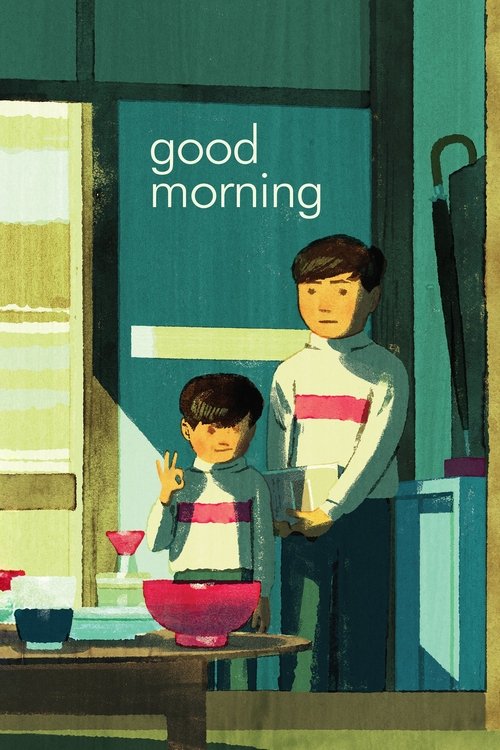
A lighthearted take on director Yasujiro Ozu’s perennial theme of the challenges of intergenerational relationships, Good Morning tells the story of two young boys who stop speaking in protest after their parents refuse to buy a television set. Ozu weaves a wealth of subtle gags through a family portrait as rich as those of his dramatic films, mocking the foibles of the adult world through the eyes of his child protagonists. Shot in stunning color and set in a suburb of Tokyo where housewives gossip about the neighbors’ new washing machine and unemployed husbands look for work as door-to-door salesmen, this charming comedy refashions Ozu’s own silent classic I Was Born, But . . . to gently satirize consumerism in postwar Japan.
Good Morning
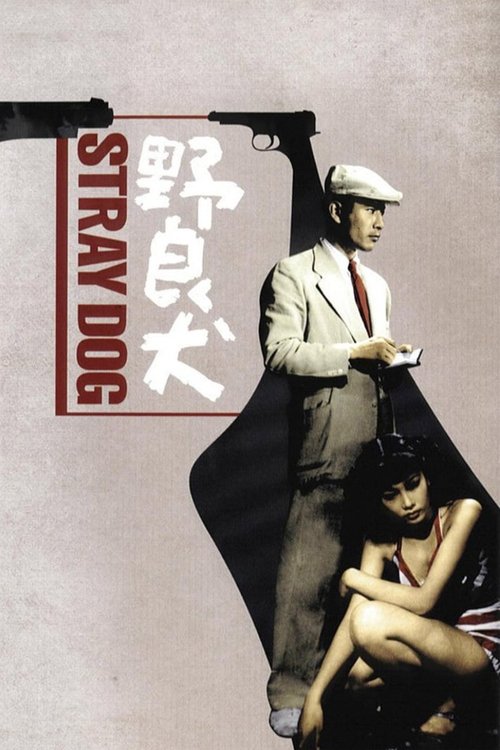
A bad day gets worse for young detective Murakami when a pickpocket steals his gun on a hot, crowded bus. Desperate to right the wrong, he goes undercover, scavenging Tokyo’s sweltering streets for the stray dog whose desperation has led him to a life of crime. With each step, cop and criminal’s lives become more intertwined and the investigation becomes an examination of Murakami’s own dark side.
Stray Dog
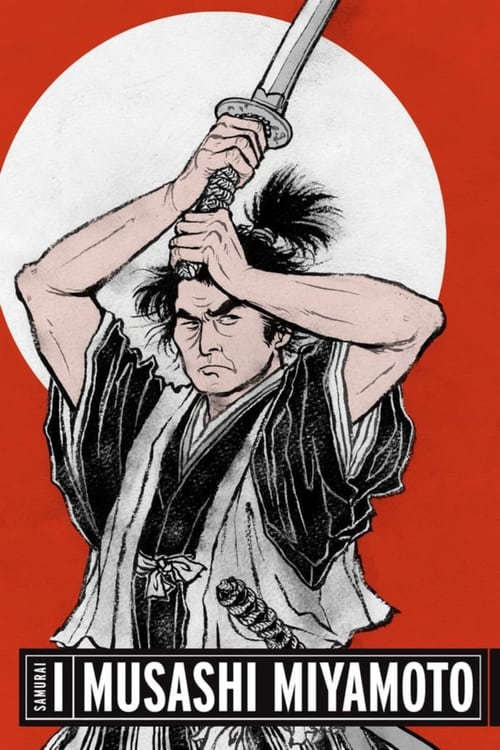
Struggling to elevate himself from his low caste in 17th century Japan, Miyamoto trains to become a mighty samurai warrior.
Samurai I: Musashi Miyamoto
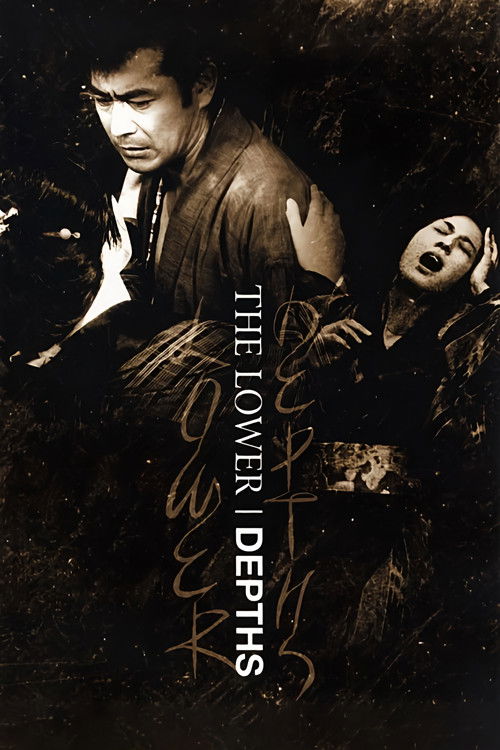
Residents of a rundown boardinghouse in 19th-century Japan, including a mysterious old man and an aging actor, get drawn into a love triangle that turns violent. When amoral thief Sutekichi breaks off his affair with landlady Osugi to romance her younger sister, Okayo, Osugi extracts her revenge by revealing her infidelity to her jealous husband.
The Lower Depths
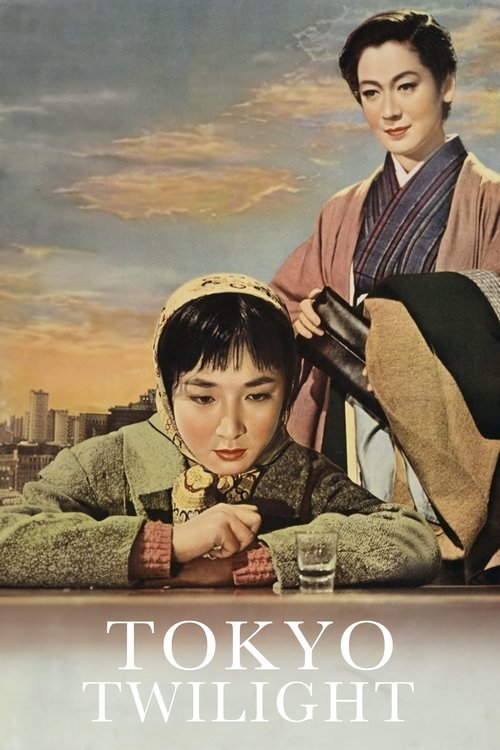
Two sisters find out the existence of their long-lost mother, but the younger cannot accept the fact that she was abandoned as a child.
Tokyo Twilight

Follows five sex workers employed at a Japanese brothel while the nation debates the passage of an anti-prostitution law.
Street of Shame
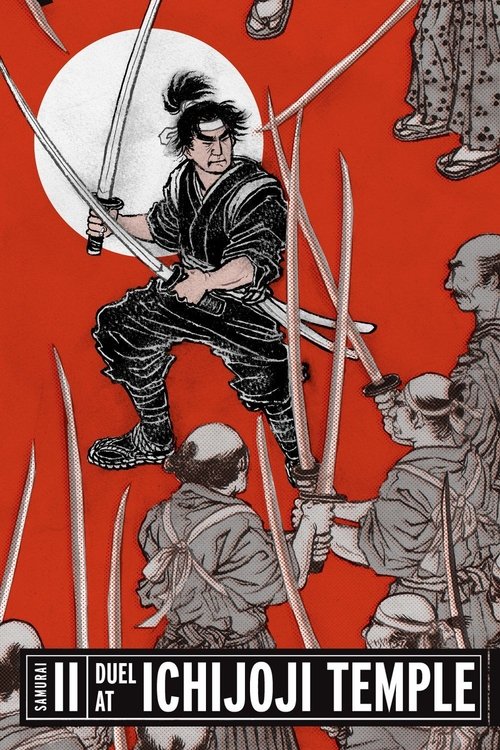
After years on the road establishing his reputation as Japan's greatest fencer, Takezo returns to Kyoto. Otsu waits for him, yet he has come not for her but to challenge the leader of the region's finest school of fencing. To prove his valor and skill, he walks deliberately into ambushes set up by the school's followers.
Samurai II: Duel at Ichijoji Temple
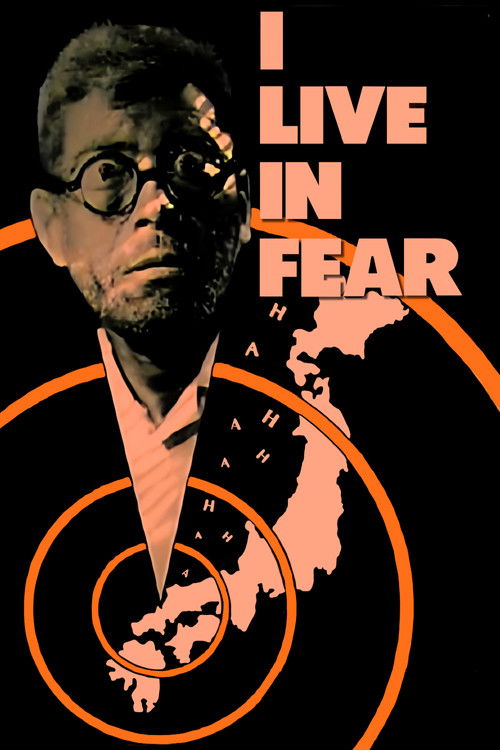
An aging foundry patriarch, gripped by terror of nuclear annihilation, tries to uproot his family to Brazil. When they petition to have him declared incompetent, a family-court counselor witnesses his obsession slide into ruin—and asks whether ignoring the atomic threat is any saner.
I Live in Fear
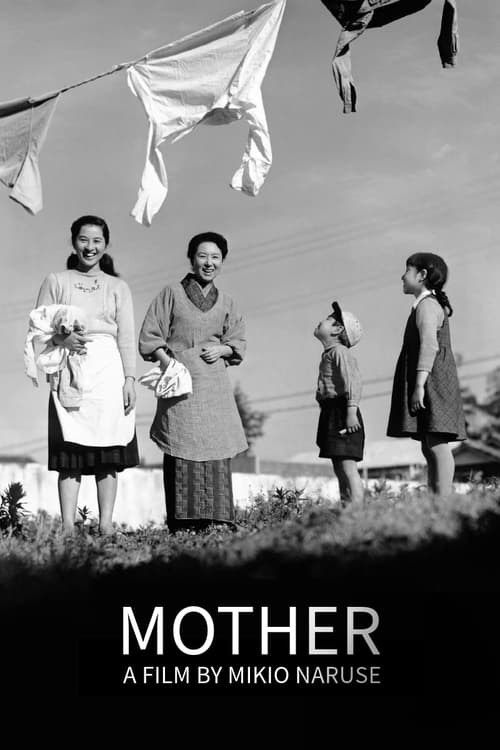
A teenaged girl witnesses her widowed mother's attempt to sustain her family.
Mother

After her anti-fascist professor father is dismissed, Yukie navigates love, political repression, and wartime upheaval—ultimately forging her own path in pre- and post-WWII Japan.
No Regrets for Our Youth
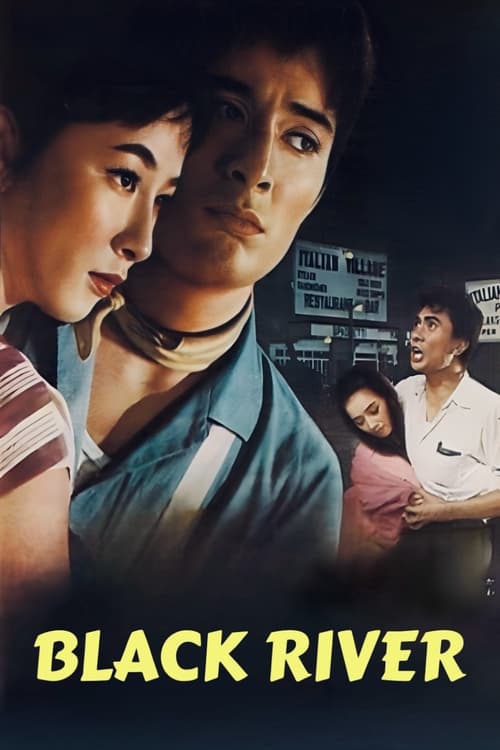
A love triangle develops between a benevolent student, his innocent girlfriend, and a cruel petty criminal, all as a point of diagnosis of a social disease that had Japan slowly succumbing to lawlessness during the post-War era.
Black River
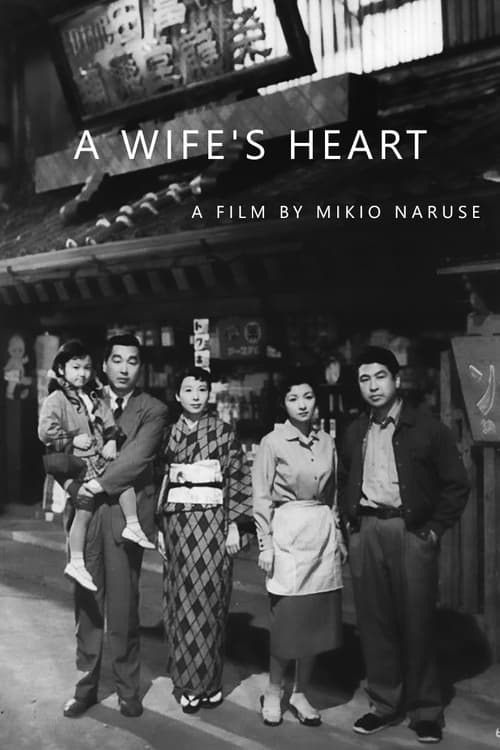
A young woman tries to raise money to open her own coffee shop. She arranges a loan when her rigid family won't help and then her husband becomes jealous of the loan officer.
A Wife's Heart
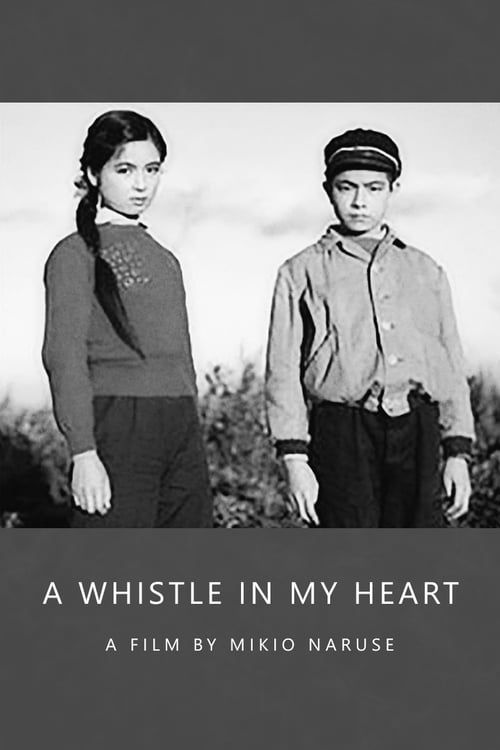
The story is about the social problems faced by Japan's indigenous Ainu, mostly centered on the reactions of the characters to their oppressed state.
A Whistle in My Heart
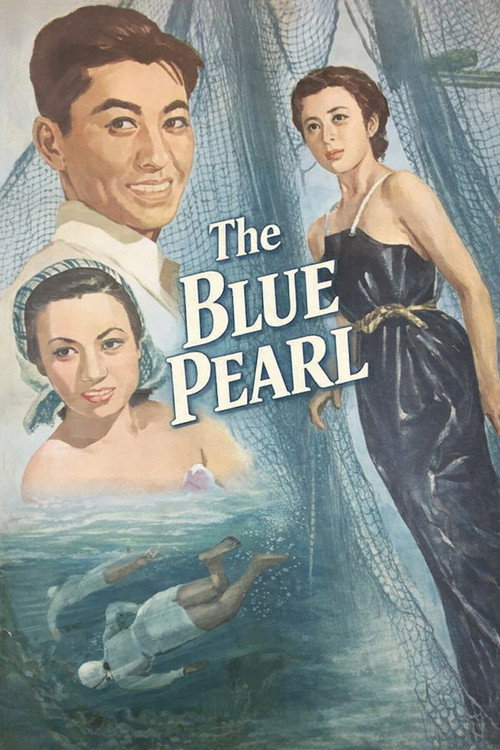
The Blue Pearl depicts the interplay between a young man from Tokyo and two ama (pearl divers; literally “women of the sea”) in a superstitious coastal town. Though raised within the same tradition-bound crucible, the two women – Noe and Riu – are portrayed as diametric opposites; the former meek but affectionate, the latter strong-willed but jaded by a tryst with metropolitan life.
The Blue Pearl
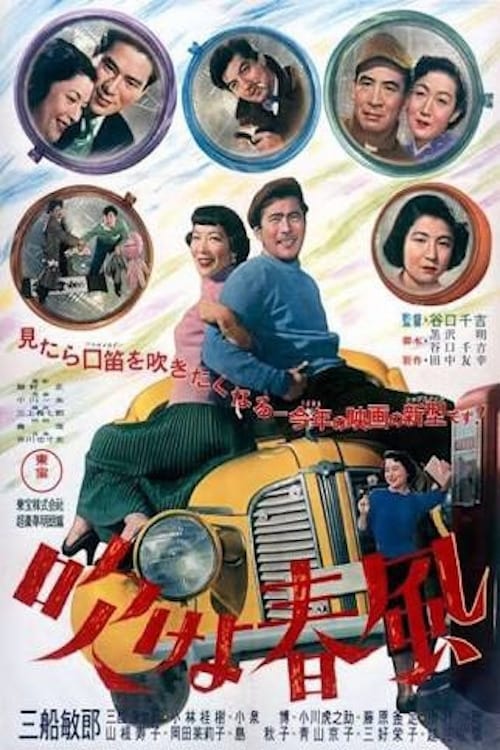
No description available.
My Wonderful Yellow Car
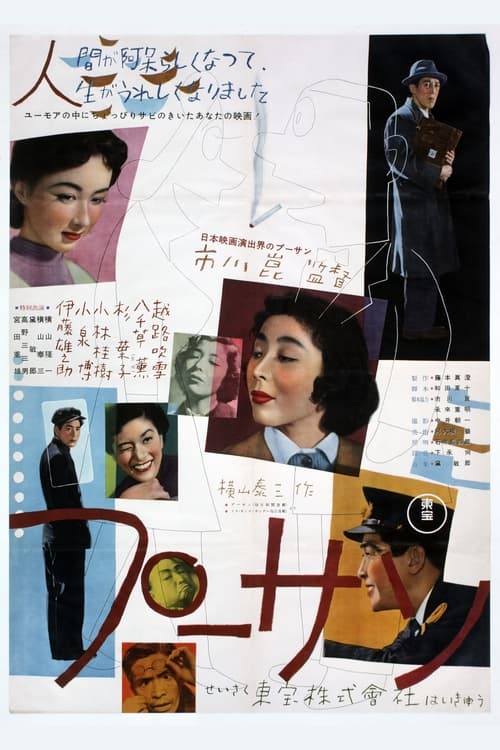
A math teacher loses his job while falling in love with a local girl.