FEEL IT.STREAM
Robert Kramer

Robert Kramer

Directing

Biography

Robert Kramer (June 22, 1939 – November 10, 1999) was a left leaning American film director, screenwriter and actor. He directed 19 films between 1965 and 1999, most of them political cinema made from a left-wing point of view. His film À toute allure was entered into the 1982 Cannes Film Festival. Description above from the Wikipedia article Robert Kramer, licensed under CC-BY-SA, full list of contributors on Wikipedia.​

Known For

Swing troubadour
7.0

In Brazzaville, in 1944, Alex Emmerich was sentenced to wander the seas by Hélène Latray, the wife of Félix Beauvois, the man Alex loved. In 1962, exiled on Hatray cruises and feeling the coming death, Alex decides to compose for his love a testament: the photographic report of his agony.

Swing troubadour

1991
L'ennui
5.4

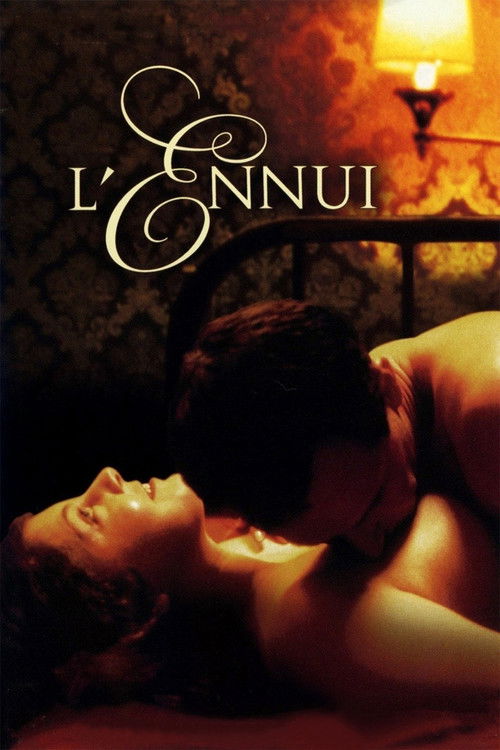
A philosophy teacher restless with the need to do something with his life meets a young woman suspected of driving an artist to his death. He finds the very simple Cecilia irritating but develops a sexual rapport with her. Obsessed with the need to own and tormented by her inability to respond to him, he becomes increasingly violent in a quest he can't name - a quest that slowly begins to undermine his certainties.

L'ennui

1998
Room 666
6.6

During the 1982 Cannes Film Festival, Wim Wenders asked a number of global film directors to, one at a time, go into a hotel room, turn on the camera, and answer a simple question: "What is the future of cinema?"

Room 666

1985
Cinématon
4.9

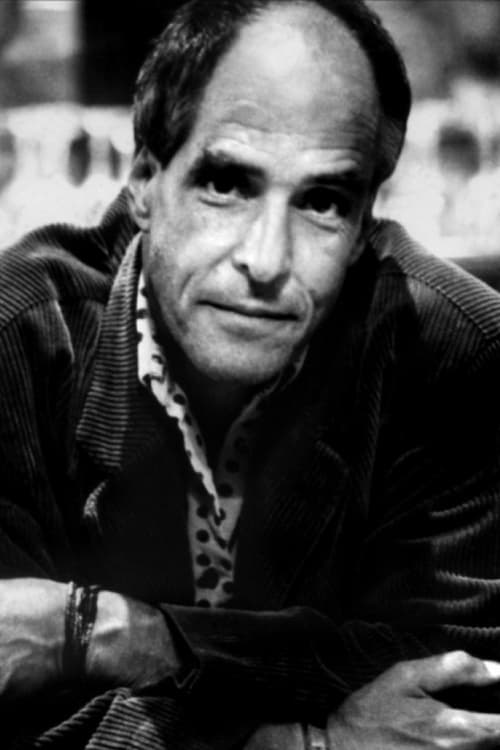
Cinématon is a 156-hour long experimental film by French director Gérard Courant. It was the longest film ever released until 2011. Composed over 36 years from 1978 until 2006, it consists of a series of over 2,821 silent vignettes (cinématons), each 3 minutes and 25 seconds long, of various celebrities, artists, journalists and friends of the director, each doing whatever they want for the allotted time. Subjects of the film include directors Barbet Schroeder, Nagisa Oshima, Volker Schlöndorff, Ken Loach, Benjamin Cuq, Youssef Chahine, Wim Wenders, Joseph Losey, Jean-Luc Godard, Samuel Fuller and Terry Gilliam, chess grandmaster Joël Lautier, and actors Roberto Benigni, Stéphane Audran, Julie Delpy and Lesley Chatterley. Gilliam is featured eating a 100-franc note, while Fuller smokes a cigar. Courant's favourite subject was a 7-month-old baby. The film was screened in its then-entirety in Avignon in November 2009 and was screened in Redondo Beach, CA on April 9, 2010.
Cinématon

1978
The State of Things
6.4

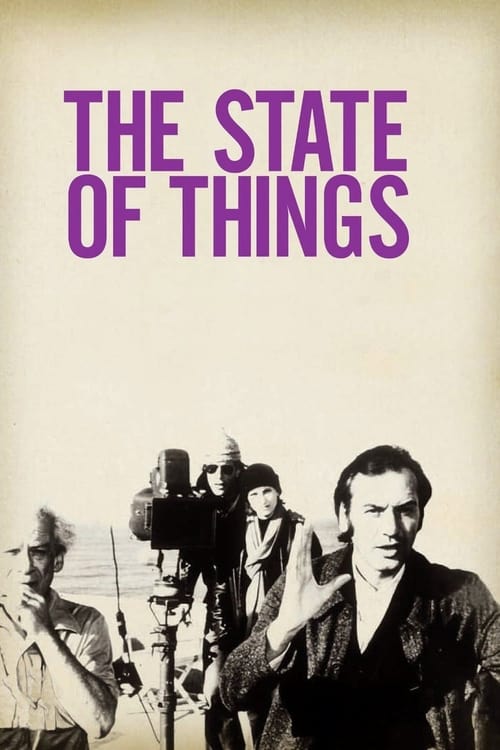
On location in Portugal, a film crew runs out of film while making their own version of Roger Corman's The Day the World Ended (1956). The producer is nowhere to be found and director Munro attempts to find him in hopes of being able to finish the film.

The State of Things

1982
No image
N/A

No description available.

Live

1990
Lest We Forget
7.0

A compilation of 30 French filmmakers, Alain Resnais and Jean Luc Godard among them, who use film to make a plea on behalf of a political prisoner. Jean Luc Godard and Anne Marie Mieville's film concerns the plight of Thomas Wanggai, West Papuan activist who has since died in prison. The short films were commissioned by Amnesty International.

Lest We Forget

1991
Diesel
5.1

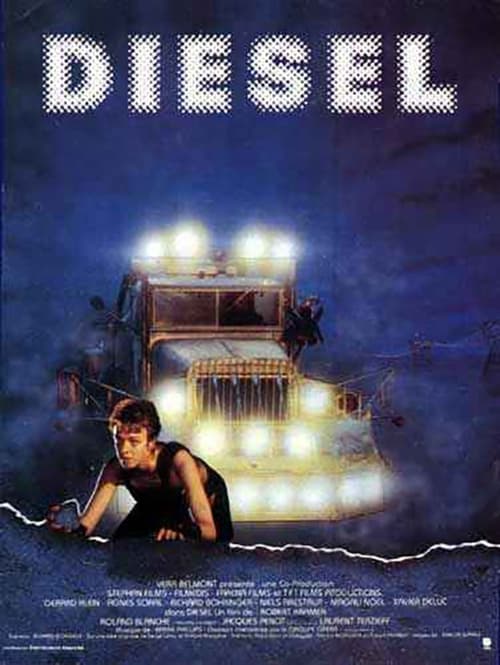
A prostitute, released from prison, tries to change her life, but a murderous slave organization, the Consortium, is determined to bring her back to the fold or kill her, which forces her to seek help from Liberty, an anti-Consortium group.

Diesel

1985
Devotion: A Film About Ogawa Productions
10.0

Devotion investigates the extremely complex and heirarchical relationships among a committed group of Japanese filmmakers who dedicated up to 30 years of their lives making films for one man-Ogawa Shinsuke. Members of Ogawa Pro filmed the student movement of the late 60's; the fight by farmers to save their land from government confiscaton for the Narita airport at Sanrizuka; and the village life of a small farming community, Magino Village, in northern Japan. These heartbreaking and sometimes funny stories have never been told on film before. Rare footage, stills, and diaries with interviews with Oshima Nagisa, Hara Kazuo and Robert Kramer make this historical inquiry visually exciting as well as valuable.

Devotion: A Film About Ogawa Productions

2002
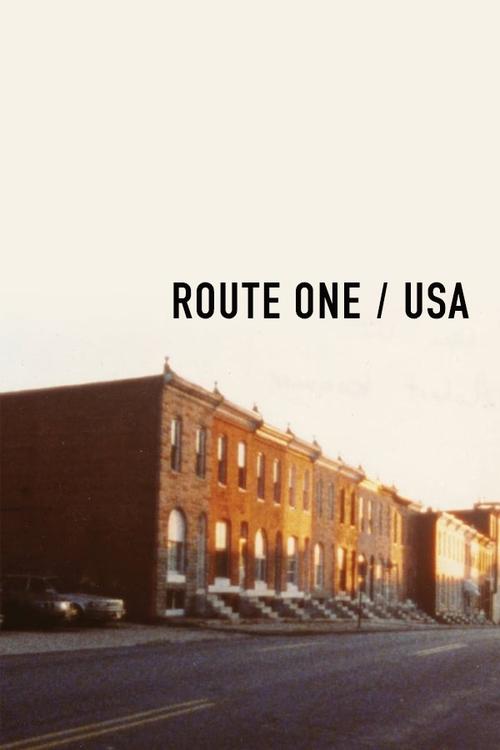
Route One/USA
7.4

Route One is the first major U.S. highway. 5000 km along the Atlantic coast, from the Canadian border to the tip of Florida. Doc, a physician who spent many years in Africa, returns to the U.S. and decides to reconnect with his home country by walking the legendary Route One.

Route One/USA

1989
My Conversations on Film
3.2

This distinctly personal journey into the artistic possibilities of independent film is not to be missed. Jonas Mekas, Jean-Pierre Gorin, Robert Kramer and many other visionaries and mavericks of the silver screen – as well as a book seller, a critic and a psychoanalyst – discuss what cinema has meant to them, what it is and what it could be and, implicitly, how it has changed over the 18 years in which this film was shot. Director Boris Lehman leads the charge, drawing in moments of absurdist humour and inventive camera work; he keeps things raw and spontaneous. His encounters with the now much-missed Jean Rouch and Stephen Dwoskin are particularly touching and stand testament to their personal playfulness and candour. An engaging, absorbing, epic odyssey of a movie.

My Conversations on Film

2013
Modern Life
6.1

The lives of three people faced with an uncertain future. Marguerite, 17, is uncomfortable with her family enviroment and turns to God. Claire, who desperately wants a child, encounters again a former lover. Eva asks the unemployed Jacques, who has been left by his wife and his daughter, to find a missing friend.

Modern Life

2000
Doc's Kingdom
5.9

An angry young man goes to Europe to find his father, a '60s radical turned doctor in exile.

Doc's Kingdom

1988
Guns
6.0

The film concerns a group of disparate types who support themselves by running guns to the Arabs. On the surface, it would seem that these characters are bad guys. In fact, the guns are to be used by a resistance group who hope to continue shipping oil to the West, despite the despotic curbs imposed upon fuel shipments by their leaders.

Guns

1980
Our Nazi
8.7

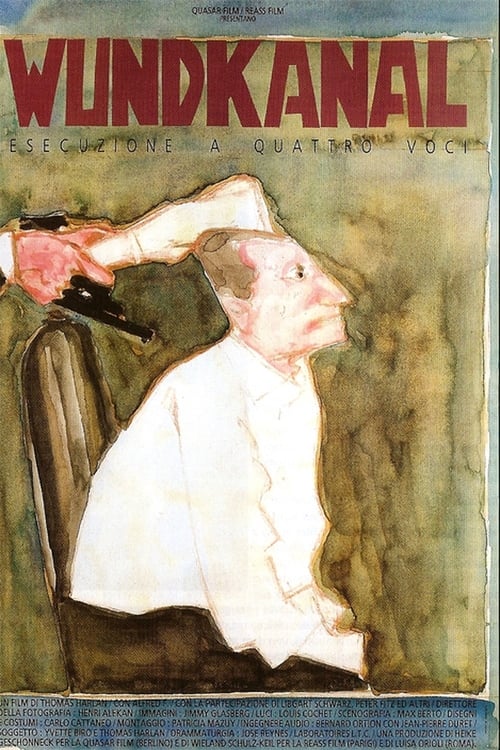
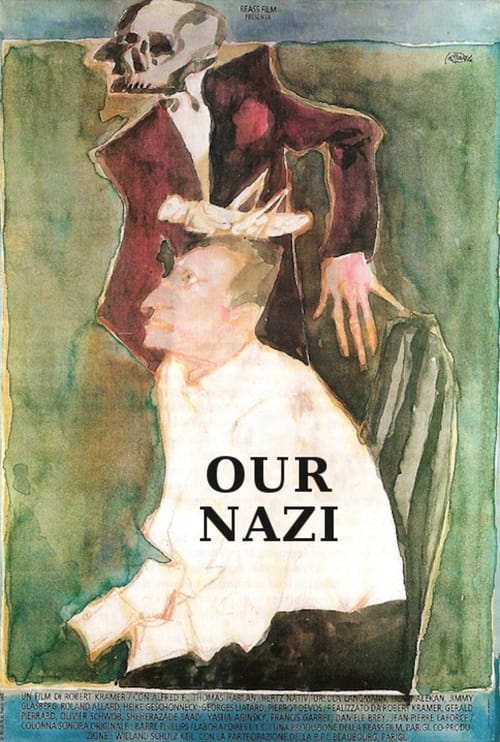
In Our Nazi, we are plunged into a situation we barely, and only slowly, understand: the filming of Thomas Harlan’s experimental feature Wundkanal (1984), in which true-life ex-SS officer Alfred Filbert, now very old, is ‘put on trial’ for the camera, without him suspecting what is to come or why he is really there. Kramer’s confronting film is an essay about the sticky complicity of everyone present at this event, each bringing their own history, their own political ideology, their own desires to take revenge, to seek redemption or compassion, or just to put their heads down and ‘get the job done’ professionally, or (in the case of Filbert) to be a star, a part of the magnificent, magical, seductive world of cinema, even if it kills him.

Our Nazi

1984
Celebrate Cinema 101
N/A

This film project was made in 1996 to commemorate the 100th anniversary of the birth of the cinema.

Celebrate Cinema 101

1996
Scenes from the Class Struggle in Portugal
7.4

Combining newsreel footage, still photographs, interviews, and analytical narration, this documentary focuses on the antifascist, anti-imperialist efforts of labor groups, peasants, and working-class soldiers to liberate Portugal from the control of the government of Antonio de Oliveira Salazar.

Scenes from the Class Struggle in Portugal

1977
Milestones
7.2

A portrait of those individuals who sought radical solutions to social problems in the United States during the 1960s and 1970s. Cutting back and forth between six major story lines and more than fifty characters. Exploring the lifestyles and attitudes of the American left during the period following the Vietnam War.

Milestones

1975
Gestures and Fragments
7.0

"Essay on the Military and the Power", a phrase that also belongs to the title of "Gestures & Fragments", sums up the spirit of the film, based on three points of view on the same theme: Otelo Saraiva de Carvalho and Eduardo Lourenço, in their own roles, and the one played by Robert Kramer, as an American journalist bent on seeking explanations for the process of the Portuguese Revolution.

Gestures and Fragments

1983
Effraction
4.0

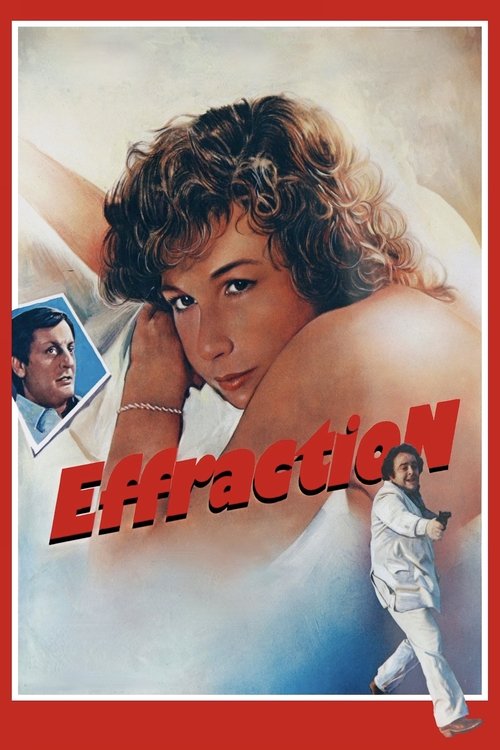
During a robbery that goes wrong, Valentin Tralande kills his accomplices and bank customers.

Effraction

1983