Directing
Arkham Asylum has been destroyed, and all its inmates have been unleashed upon Gotham City. As Batman races to round up some of his greatest enemies, he is pushed to his physical and mental limits and into a final confrontation with a new threat: the man called Bane!
A tranquil tale about two boys from very different upbringings. On one hand you have Kai, born as the son of a prostitute, who's been playing the abandoned piano in the forest near his home ever since he was young. And on the other you have Syuhei, practically breast-fed by the piano as the son of a family of prestigious pianists. Yet it is their common bond with the piano that eventually intertwines their paths in life.
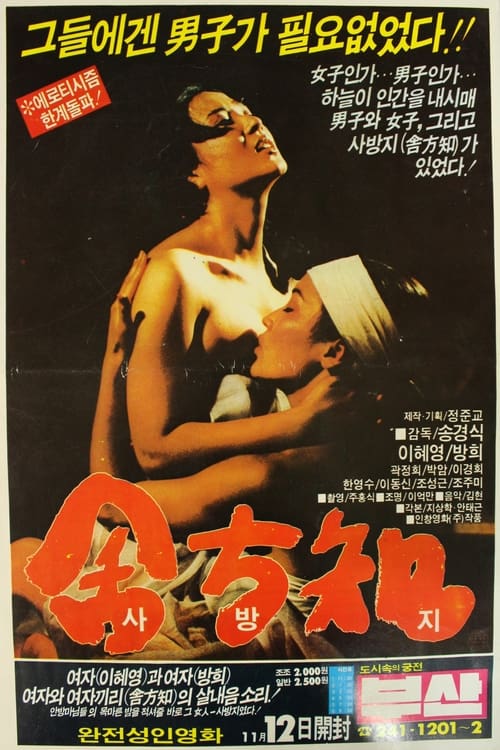
Sa Bangji was an intersex person who according to historical records lived during Korea’s Joseon Dynasty. Taken in by a kindly benefactor, Sa Bangji lives in a monastery that is one day visited by a young widow, Lee So-sa, who is in mourning following the death of her husband. The pair’s meeting seems predestined, with the erotic attraction between Sa Bangji and Lee So-sa soon evolving into something far more transcendent – and dangerous. While aspects of the film – its stylised depiction of female actors and sex – identify it as a product of its time, Sa Bangji is undeniably a milestone in screen representations of intersex people, a film that refuses to shy away from the horrendous stigmatization faced by its titular character.
Mangchi is a young boy with few problems and an easy disposition. Living on a building in the middle of the sea, he flies around on his little flying bike looking for adventures and longs for the day when he's finally an adult. So, when a princess named Poplar is being chased by two fighter planes, he rescues her. Little does he know that he will be pulled away from the city he has lived all his life, and dragged by Poplar into an adventure smack dab in between two countries at war and the evil plans of Moonk, usurper to Poplar's throne, who seeks world domination.