
Bernardo Atxaga
Writing
Biography
Bernardo Atxaga, pseudonym of Jose Irazu Garmendia, is a Basque writer and self-translator. His book of short stories, 'Obabakoak' ('Individuals and things of Obaba'), published in 1988 won him much fame and several prizes. So far, the book has been translated into more than 25 languages.
Known For
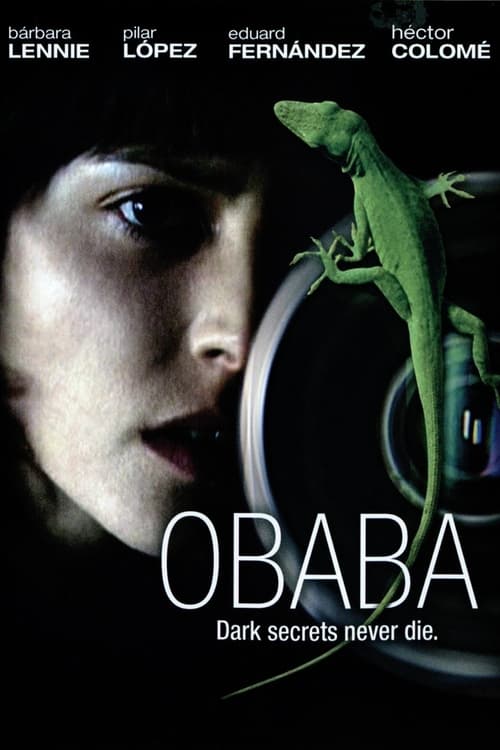
A rural drama set in Obaba, a mythical region in northern Spain, where a young filmmaker struggled to capture the feel of the area, which in turn leads to a wealth of self-discovery.
Obaba
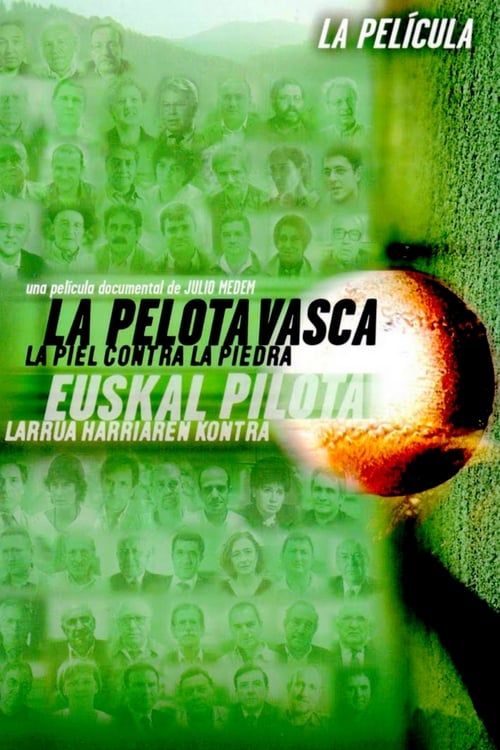
An attempt to create a bridge between the different political positions that coexist, sometimes violently, in the Basque Country, in northern Spain.
The Basque Ball: Skin Against Stone
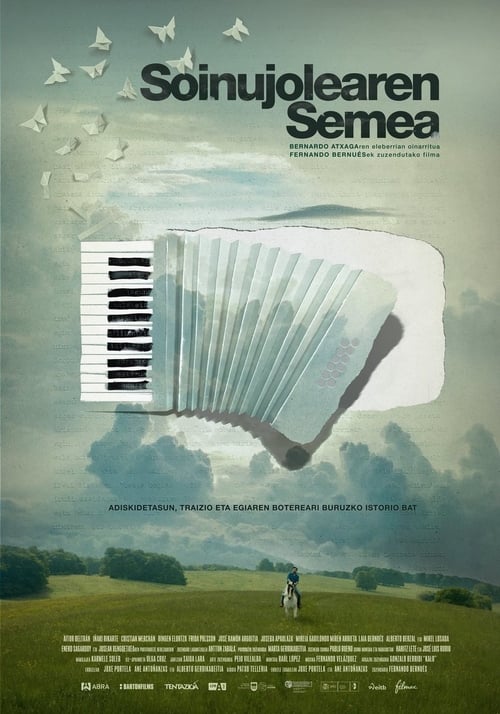
David Imaz had to flee from the Basque Country in the mid-seventies, repudiated by his people, accused of betrayal. Despite having found happiness in California, his past still weighs him down and the feeling of guilt prevents him from being able to settle down and peacefully enjoy the last days of his life. Joseba Altuna, his childhood friend, comes to say goodbye and to settle the score while he's at it. It's been a long time since they saw one another, but the time has come to face the truth.
The Accordionist's Son
No description available.
De lo urbano y lo rural
Irene, a former member of the terrorist gang ETA recently released from prison in Catalonia, recalls her past during her return trip to the Basque Country.
Zeru horiek
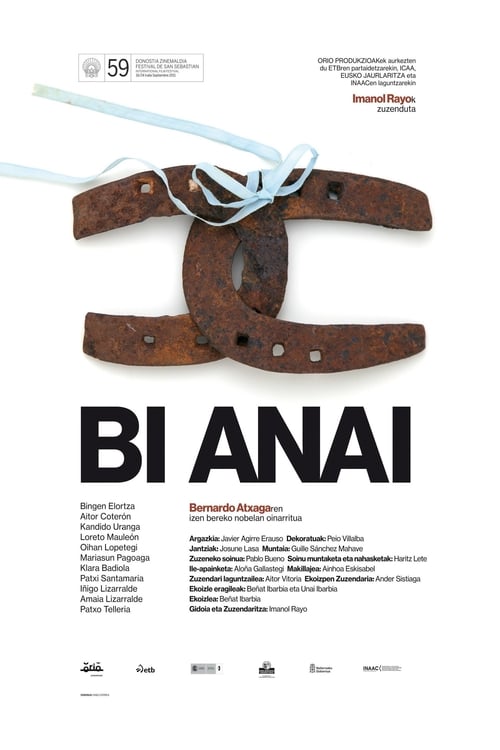
At the death of his father, Paulo, the youngest son, will have to be in charge of his mentally handicapped brother Daniel. Based on the novel by Bernardo Atxaga.
Bi anai
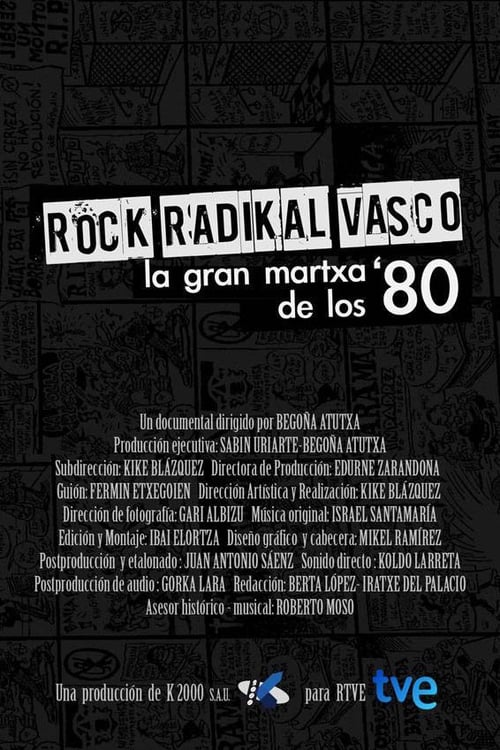
In this documentary, we travel to the main locations where the musical movement known as "Basque Radical Rock" exploded, emerging in the Basque Country and Navarre in the 1980s. It recalls bands from that era, such as Cicatriz, Zarama, RIP, Eskorbuto, and Kortatu, and interviews some of its leading figures.
Rock Radikal Vasco: La gran martxa de los 80
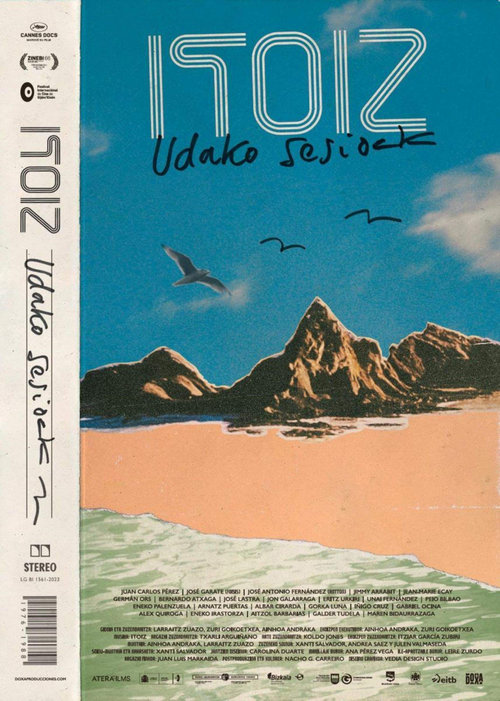
The discovery of a series of unreleased tapes leads Juan Carlos Pérez, leader of the iconic group Itoiz, to reflect on the dissolution of the band at its peak, after a clear change of style towards pop that he still denies today. Juan Carlos will thus begin a cathartic journey to the essence of the group, reliving the beginnings of the band as a progressive rock group in Mutriku in the 70's, which will serve him to reconcile with the past.
Itoiz Summer Sessions
According to an ancient proverb, “every dress has its reverse side.” Based on this, Bernardo Atxaga explains the origin of his texts, the underbelly of his novels and poems, in this documentary. Topics include: a passage from the life of so-called “enfant sauvage” Victor de l'Aveyron, an old photograph of the school at Asteasu and its message, the prevalent mood in Bilbao around 1970 and the influence it had on writers of the period, the literary consecuences of a man's insipid illness.
Empty Places, Full Words
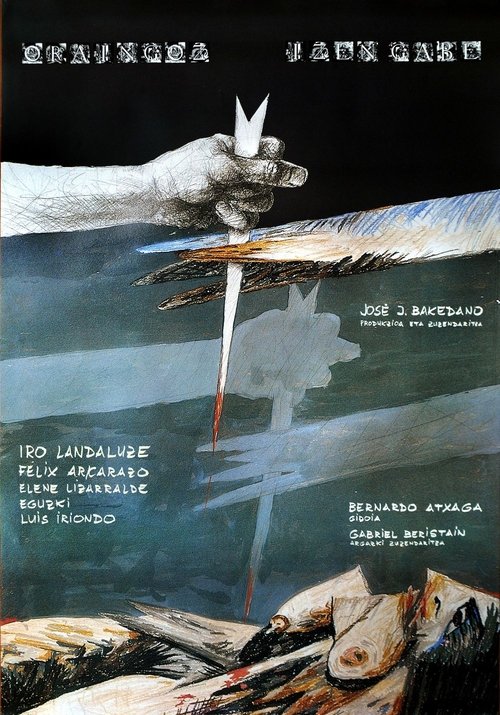
Ramón and Manuel, brothers, live alone in the mountain. One day, Ramón arrives home with a prostitute, who disturbs their monotonous and peaceful life.
Oraingoz izen gabe

A documentary film about the origins of the Basque trikitixa. It reflects how the small accordion brought by one of the Italian workers who came to build the Madrid-Paris railway tunnels in 1859, starting from Zumarraga, has become a symbol of contemporary Basque music.