Maxie Rosenbloom
Acting
Biography
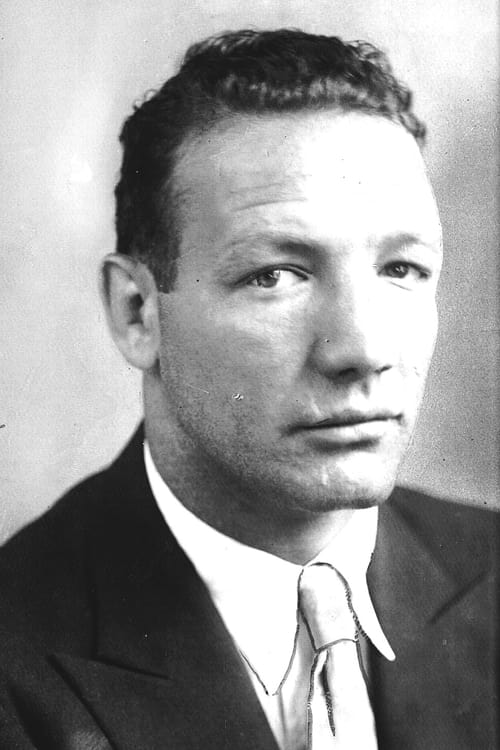
From Wikipedia, the free encyclopedia Max Everitt Rosenbloom (November 1, 1907 – March 6, 1976) was an American boxer, actor, and television personality. Born in Leonard Bridge, Connecticut, Rosenbloom was nicknamed "Slapsie Maxie" by a journalist due to his open-gloved style of boxing. In 1930, he won the New York light heavyweight title. In 1932, he won the World Light Heavyweight Championship. He held and defended the title until November 1934, when he lost it to Bob Olin. As a professional boxer, Rosenbloom relied on hitting and moving to score points. He was very difficult to hit cleanly with a power punch and his fights often went the full number of required rounds. In his boxing career, he received thousands of punches to the head, which eventually led to the deterioration of his motor functions. In 1937, he accepted a role in a Hollywood film. He became a character actor, portraying comical "big guys" in movies that included Each Dawn I Die, and Maxie retired from boxing permanently in 1939. Slapsy Maxie's, the first comedy club, opened in San Francisco and Los Angeles. He continued acting on radio, television, and in a number of films, usually playing comedy roles as a big, clumsy, punch-drunk—but lovable—character. He appeared in a number of episodes (playing himself) of The Fred Allen Show—including a skit with Marlene Dietrich. Rosenbloom played an important part in television's first 90-minute drama, Requiem for a Heavyweight, written by Rod Serling, and starring Jack Palance as a boxer at the end of his career. Rosenbloom played an ex-boxer, whose life revolved around retelling old boxing stories night after night to other ex-boxers in a down-and-out bar. It is the fate that looms for Mountain McClintock, Palance's character, if he cannot adjust to a new life outside the ring. Slapsy Maxie's, his nightclub, is prominently featured in a 2013 crime film, Gangster Squad, which is set in 1949. The club, which actually operated in 1939 at 7165 Beverly Blvd and from 1943 to 1947, was located at 5665 Wilshire Blvd. in Los Angeles.
Known For

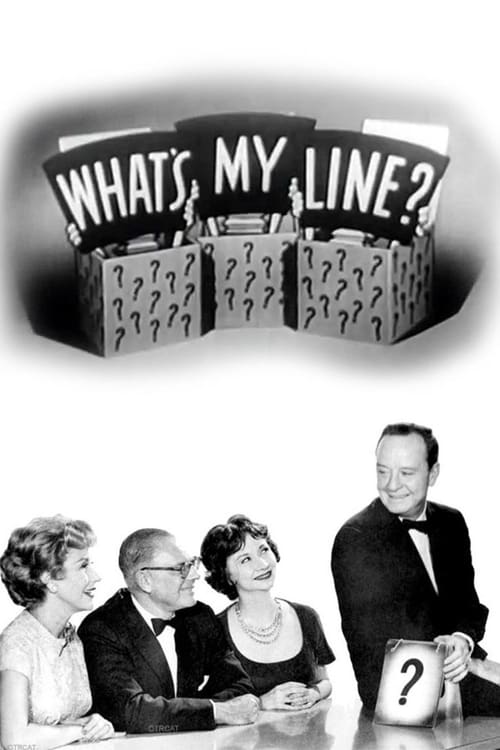
Four panelists must determine guests' occupations - and, in the case of famous guests, while blindfolded, their identity - by asking only "yes" or "no" questions.
What's My Line?

No description available.
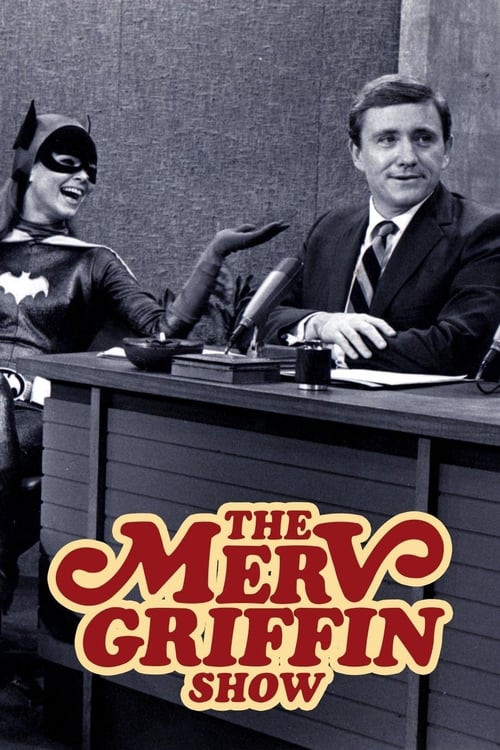
The Merv Griffin Show

Revolves around typical family problems, such as firing a clumsy housekeeper, throwing a retirement bash for a colleague, and finding quality time away from the children.
The Donna Reed Show

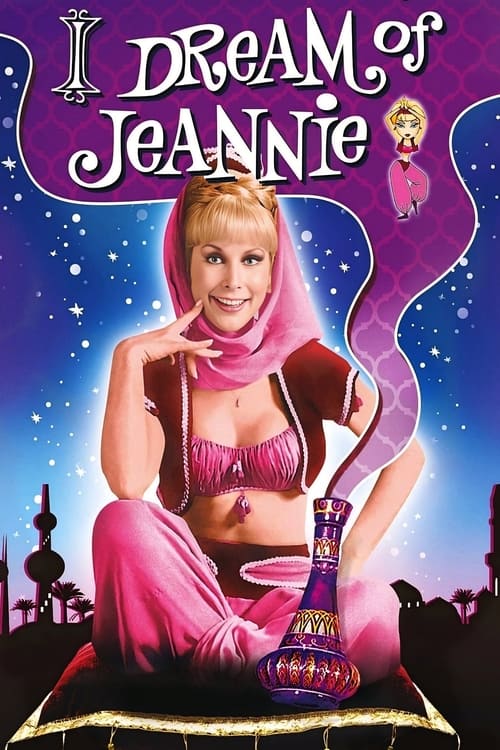
While on a mission, American astronaut Captain Tony Nelson is forced to make an emergency landing that will forever change his life. On a deserted South Pacific island, Captain Nelson happens upon a bottle containing a beautiful two-thousand-year-old female genie named Jeannie. Rescuing her from the bottle nets Tony the requisite three wishes, and then some, when Jeannie pledges total devotion to her new "master".
I Dream of Jeannie

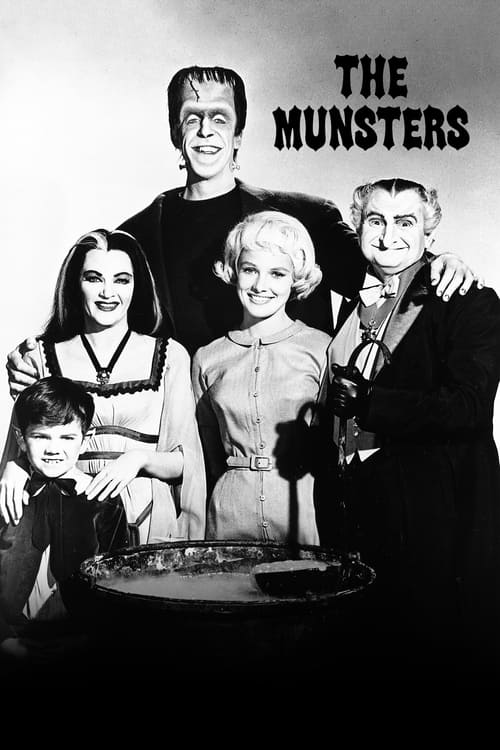
A family of friendly monsters that have misadventures all while never quite understanding why people react to them so strangely.
The Munsters

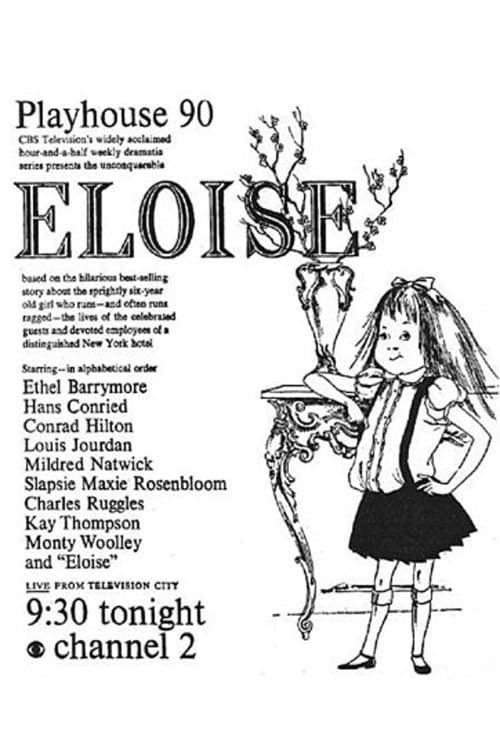
Playhouse 90 is an American television anthology series that was telecast on CBS from 1956 to 1960 for a total of 133 episodes. It originated from CBS Television City in Los Angeles, California. Since live anthology drama series of the mid-1950s were usually hour-long shows, the title highlighted the network's intention to present something unusual, a weekly series of hour-and-a-half dramas rather than 60-minute plays. Playhouse 90 began as a pitch by Frank Stanton—the formidable, forward-thinking right-hand man to CBS chairman William S. Paley—during a brainstorming session for program ideas. The project was ultimately developed by Hubbell Robinson, a CBS vice president who received no screen credit on Playhouse 90 but is often described as its creator.
Playhouse 90

Agents Napoleon Solo and Illya Kuryakin work for a secret intelligence service working under the auspices of the U.N. Their immediate superior is Mr. Waverly. Together they operate out of a secret base beneath the streets of New York City, and accesses through several cover business such as Del Floria's Tailor Shop and the Masque Club. This secret intelligence service is called U.N.C.L.E. United Network Command for Law and Enforcement.
The Man from U.N.C.L.E.

Westinghouse Desilu Playhouse is an American television anthology series produced by Desilu Productions. The show ran on CBS television between 1958 and 1960. Two of its 48 episodes served as pilots for the 1950s television series The Twilight Zone and The Untouchables.
Westinghouse Desilu Playhouse
No description available.
The Joe Palooka Story

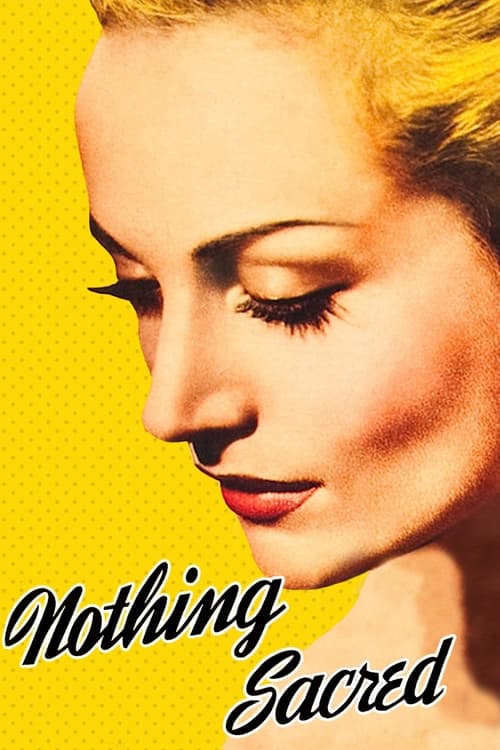
When a small-town girl is incorrectly diagnosed with a rare, deadly disease, an unknowing newspaper columnist turns her into a national heroine.
Nothing Sacred

A wealthy society doctor decides to research the medical aspects of criminal behaviour by becoming one himself. He joins a gang of thieves and proceeds to wrest leadership of the gang away from its extremely resentful leader.
The Amazing Dr. Clitterhouse

Stanley is a bellboy at the Fountainbleau Hotel in Miami Beach, where he performs his duties quietly and without a word to anyone. All he displays are facial expressions and a comedic slapstick style. And anything that can go wrong, does go wrong when Stanley is involved. One day, Jerry Lewis arrives at the hotel and some of the staff notice the striking resemblance.
The Bellboy

A young divorcee tries to convert a historic house into a hotel despite its oddball inhabitants and dead bodies in the cellar.
The Boogie Man Will Get You

Harry and Willie are scammed into buying the Thomas Edison studio lot by a man named Gorman. They decide to follow Gorman's trail to Hollywood where, unbeknownst to them, he has taken the identity of a foreign film director. The lads wind up as stunt doubles in film the which Gorman is now shooting, while the conman tries to have the bungling pair done away with before they realize who he really is.
Abbott and Costello Meet the Keystone Kops

Anna and Joe are newly married, playful and deeply in love. Joe is scraping by as cab driver in New York City during a period of corruption, mob control and violence between cab companies.
Big City

Slapsie Rosenbloom receives an award from the satirical Harvard Lampoon for his well-known stupidity. Instead of being enraged, Slapsie Maxie is delighted by the "honor", and promptly tries to enroll at the ivy-league university. Upon arriving on campus, he is pounced upon by a group of eccentric scientists led by Professor Alvin, who is convinced that Rosenbloom is the "missing link" that science has long been searching for.
Harvard Here I Come

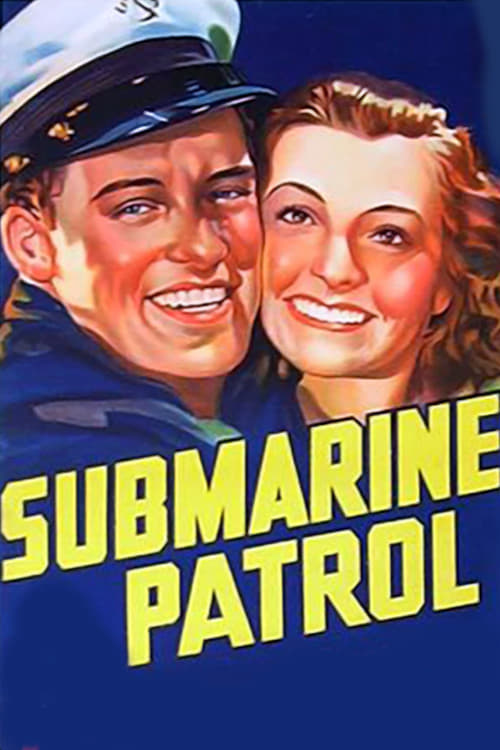
A naval officer is demoted for negligence and put in command of a run-down submarine chaser with a motley crew.
Submarine Patrol

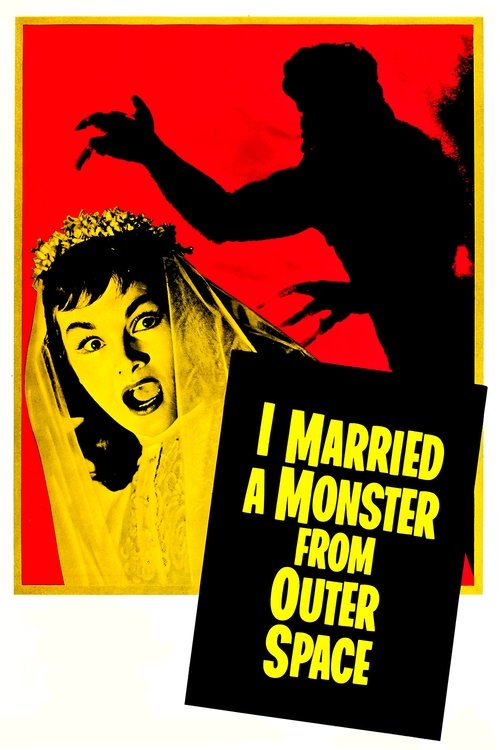
Aliens from Outer Space are slowly switching places with real humans -- one of the first being a young man about to get married. Slowly, his new wife realizes something is wrong, and her suspicions are confirmed when her husband's odd behaviour begins to show up in other townspeople.
I Married a Monster from Outer Space

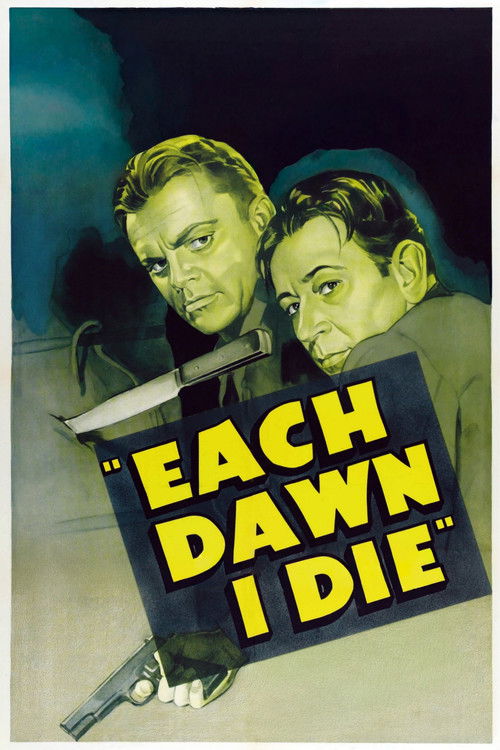
A corrupt D.A. with governatorial ambitions is annoyed by an investigative reporter's criticism of his criminal activities and decides to frame the reporter for manslaughter in order to silence him.
Each Dawn I Die

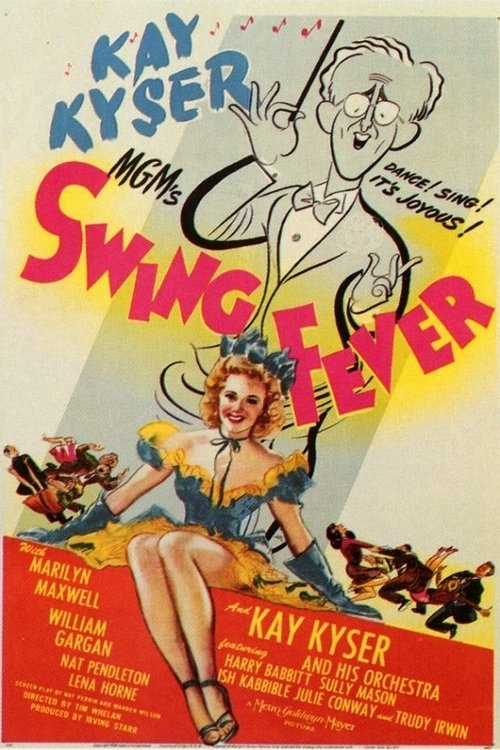
Donald Hardwick (Dick Powell) is a stuffed-shirt, classical music professor. His family and small-town music college that he works are of equal mindset. When Don visits his black-sheep aunt in New York in order to find a buyer for his Rhapsody he is exposed to her shocking swing music crowd. His life begins to make dramatic changes after drinking a "lemonade" that turns out to be a Hurricane.