Acting
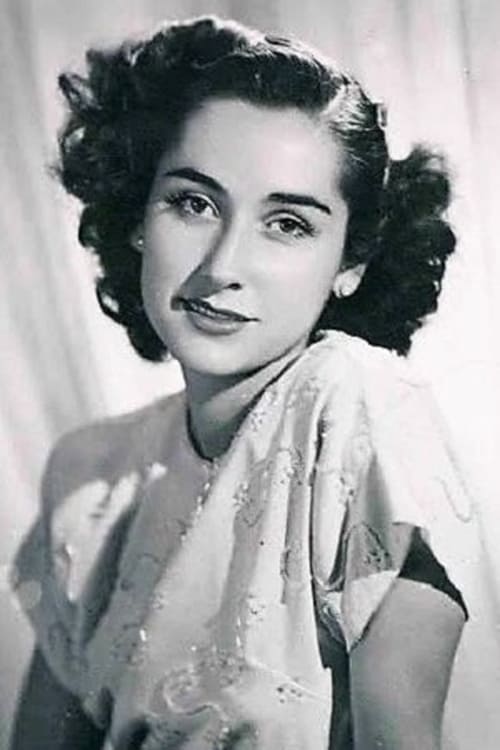
Beatriz Ofelia Aguirre Valdez was a Mexican film and television actress.
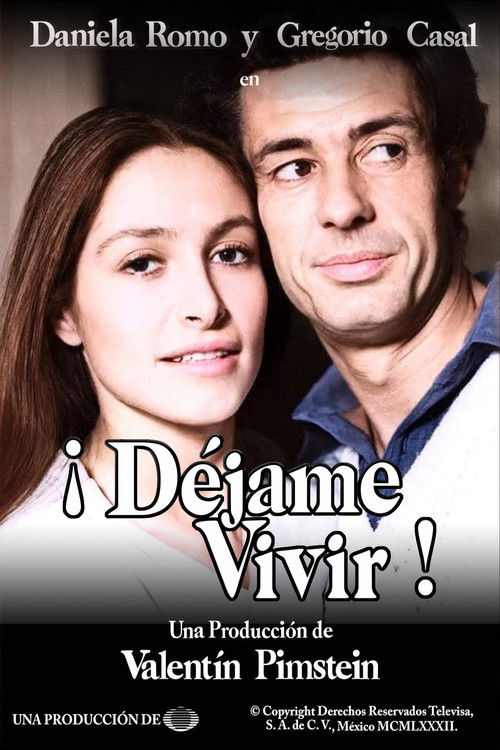
Déjame vivir is a telenovela made by Mexican TV network Televisa. This telenovela was broadcast in 1982. This is a remake of the 1969 Venezuelan soap opera Cristina starred by Marina Baura and Raul Amundaray. The reception for this telenovela was not good, in fact it was selected as the worst one of 1982.
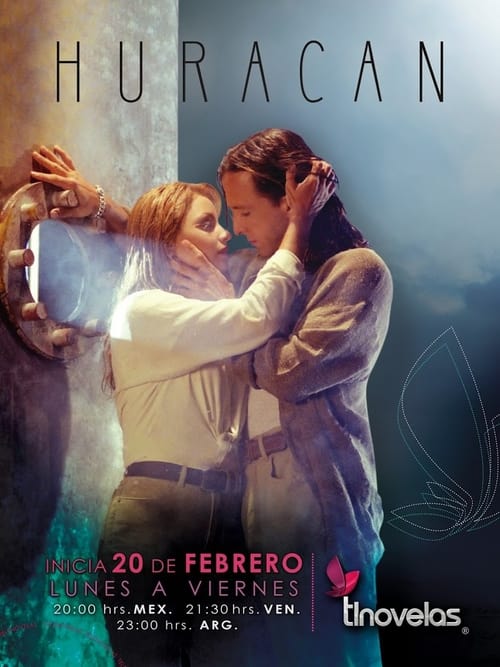
Huracán is a Mexican telenovela shown in Mexico from October 13, 1997 to March 27, 1998, starring with the late Jorge Russek, Fernando Balzaretti, and Eduardo Palomo.
When Marichuy was born, her mother—believing she was on the verge of death—handed her over to a priest, who took her to an orphanage. At the age of fourteen, Marichuy ran away from the institution and began wandering from place to place, scraping together a living however she could. Years later, she was attacked by a drunkard; the incident left her harboring resentment toward men and plagued by harrowing nightmares.
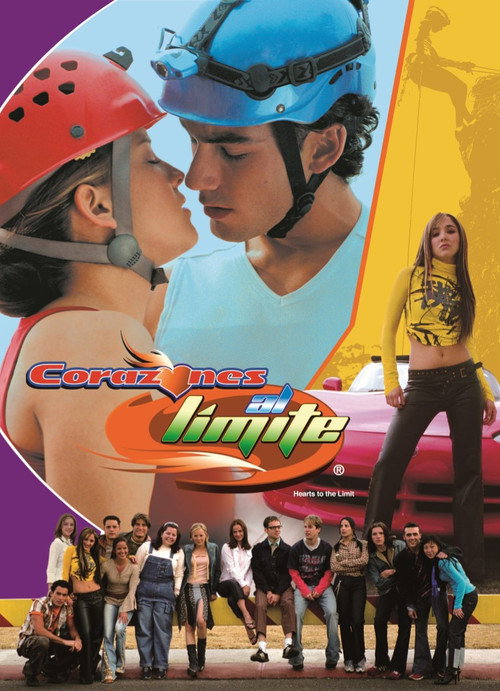
Corazones al límite is a Mexican telenovela about a teenage girl named Diana who was emotionally neglected from her parents, and felt unwanted. After being expelled from her boarding school in Switzerland, Diana goes back to live with her parents.
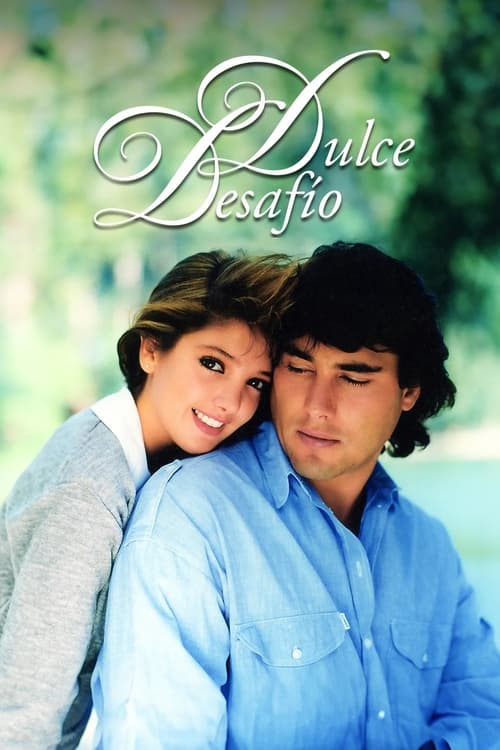
Dulce Desafío is a Mexican telenovela starring Adela Noriega and Eduardo Yáñez.
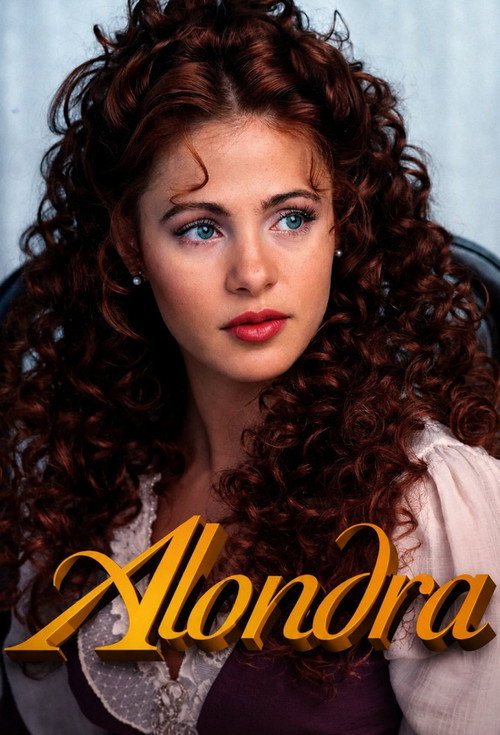
Alondra is a Mexican telenovela shown in 1995, written by Yolanda Vargas Dulché and produced by Carla Estrada, starring with Ana Colchero and the late Beatriz Sheridan. This telenovela contains 78 episodes.
No description available.
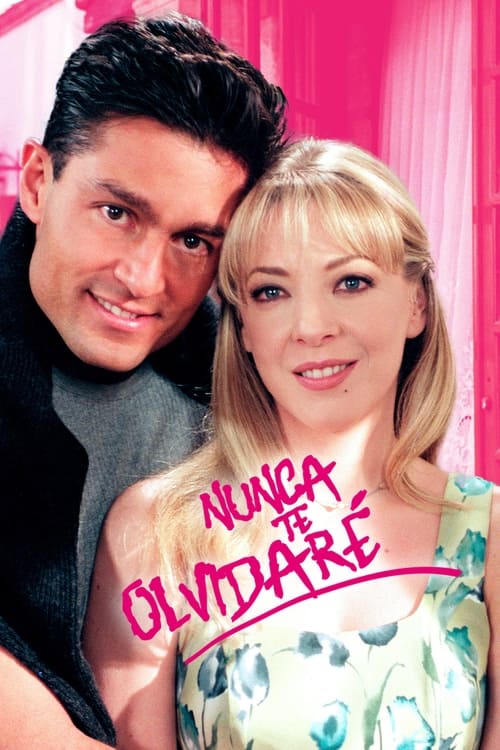
Nunca te olvidaré is a Mexican telenovela produced by Juan Osorio for Televisa in 1999. It is based on a novel by Caridad Bravo Adams and starring Edith González, Fernando Colunga and antagonistic interests of Alma Muriel, Eugenia Cauduro and Humberto Elizondo.
Locura de amor is a 2000 Mexican telenovela produced by Roberto Gómez Fernández for Televisa. It was broadcast by Canal de las Estrellas in 2000. It stars Juan Soler, Adriana Nieto and Irán Castillo.
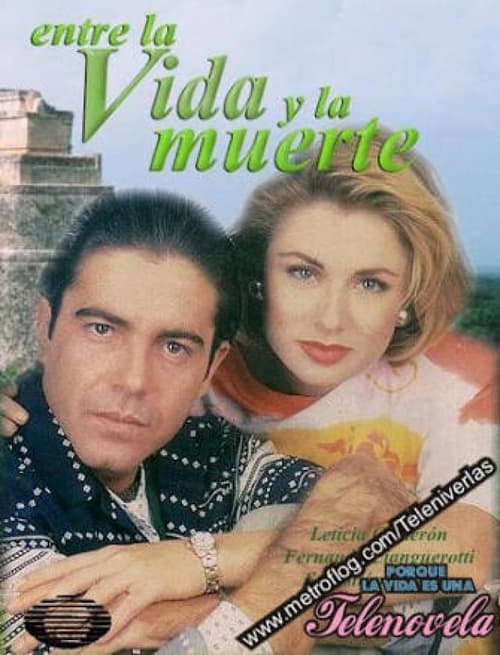
Entre la vida y la muerte is a Mexican telenovela produced by Angelli Nesma Medina for Televisa and originally broadcast on Canal de las Estrellas from January 11 to July 2, 1993. It was the first telenovela produced by Angelli Nesma Medina for Televisa. The story follows Dr. Susana Trejos, who is about to marry the ambitious lawyer Andrés del Valle, unaware that he plans to kill her to inherit her fortune. After a series of unexpected events leads everyone to believe she has died, Susana finds herself stranded in the Lacandon Jungle, where she meets an archaeologist who shares the same name as her fiancé. As she uncovers the truth behind the conspiracy against her, Susana must fight for justice, love, and a new beginning.
Volver a Vivir is a Venezuelan telenovela that was produced by and seen on Venezuela's Radio Caracas Televisión. Carmen C. Urbaneja was its executive producer, Hernando Faría was its general producer, and César Bolívar and Luis Manzo were its directors. This telenovela lasted 127 episodes and was distributed internationally by RCTV International.
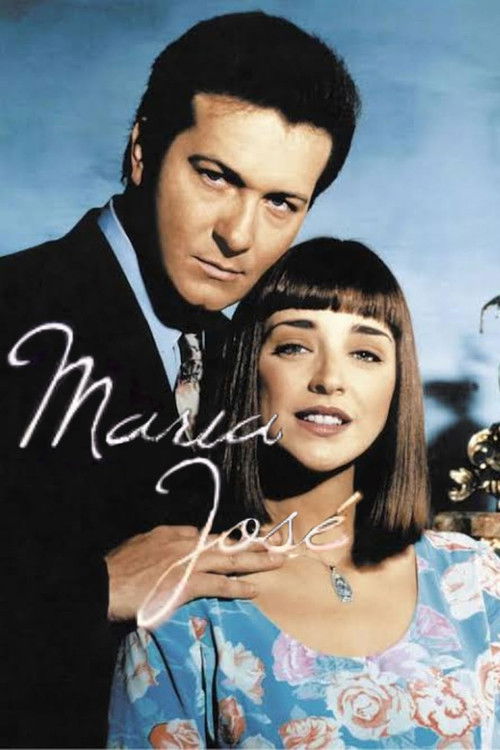
María José is a Mexican telenovela produced by Juan Osorio for Televisa and originally broadcast on Canal de las Estrellas from February 13 to May 18, 1995. It is a remake of the 1982 telenovela Bianca Vidal, based on the original story by Inés Rodena and freely adapted by Gabriela Ortigoza. The story follows María José, a beautiful and humble young woman who works as a domestic servant while caring for her ailing foster father. She falls in love with Carlos Alberto Almazán, but their relationship is threatened by family secrets, social differences, and the schemes of Imperia, a woman determined to keep them apart. As hidden truths about María José's past come to light, she must fight for love, justice, and her rightful place in the Almazán family.
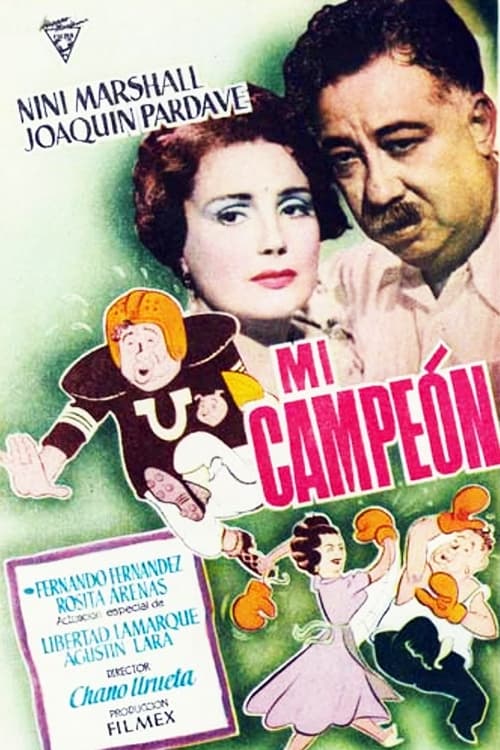
Catita is a simple and poor woman who dreams of that her son stands out on something important to help her out of his humble. But she opposes to him being boxer, therefore constantly fighting with her husband.
Adrián is the son of Claudio and Amparo Martorel, the owners of a perfume factory and the ranch "La Encantada", where Mariana also used to live when she was a little girl under Amparo's protection. However, a terrible event forces Mariana to leave the house and to enter a boarding school, while her brothers and father stay at the ranch. In the convent she meets mother Ángeles and sister Jovita, who along with father Gonzalo, become her spiritual advisors, and she thinks of becoming a nun. Five years later her father dies and she has to take care of her brothers, so she returns back to the ranch where again she meets Adrián, who has just returned back after getting his master degree in Chicago. Both discover that their adolescence love is still alive, but Adrián is now engaged with the ambitious Raquel, who will not stop at anything to separate them.
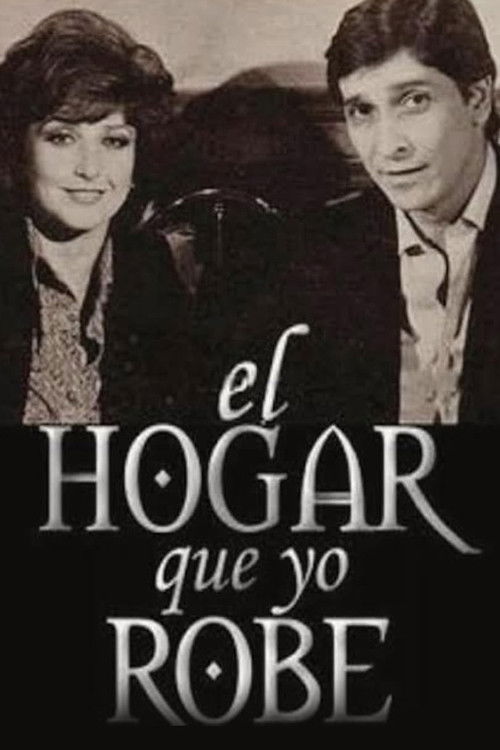
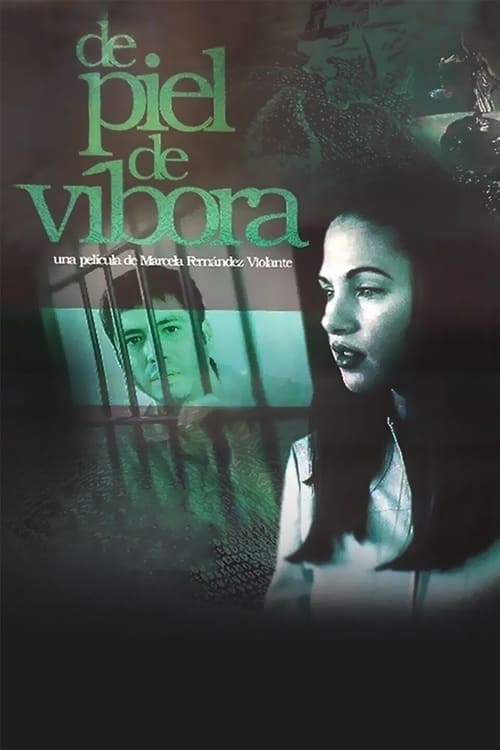
After returning from a trip, a young dentist discovers that her home has been ransacked. Determined to recover part of her belongings, the protagonist initiates a criminal process within a corrupt and ineffective justice system that turns her life into a nightmare.
Family life of a widowed father with four teenaged and young-adult children.
Papá soltero was a series on the Televisa network that began on February 11, 1987 and ended on July 6, 1994. It was produced by Luis de Llano Macedo and broadcast on Canal de las Estrellas It was starred by César Costa, along with Luis Mario Quiroz, Edith Márquez, Gerardo Quiroz, with stellar performances by José Luis Cordero, Aurora Alonso and Octavio Galindo.
Mimí Derba is a documentary about one of the pioneers in acting and film production in México. In 1917, along with photographer Enrique Rosas, she founded one of the first film production companies: Azteca Films. Alejandra Moya captures a brief glimpse into the first Mexican female director.