Péter Zimre
Writing
Known For
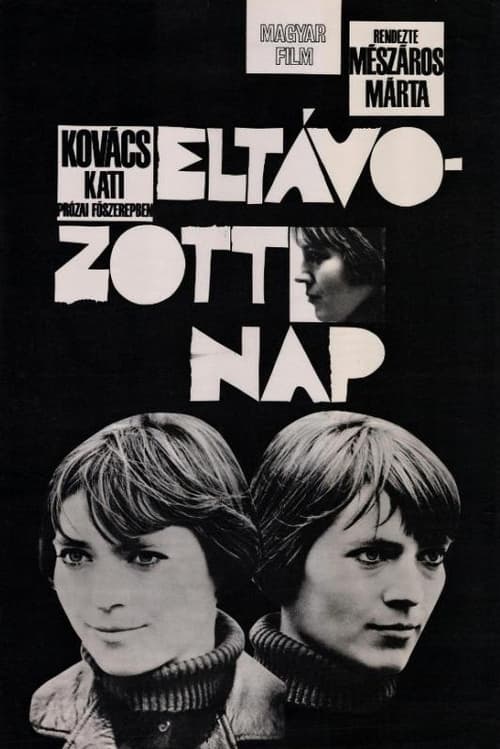
A young woman leaves a state orphanage to find her mother in this interesting examination of how the overt repression of women in the older pattern of village life has been replaced by the more subtle exploitation inherent in the apparently freer existence of young girls in the contemporary city.
The Girl
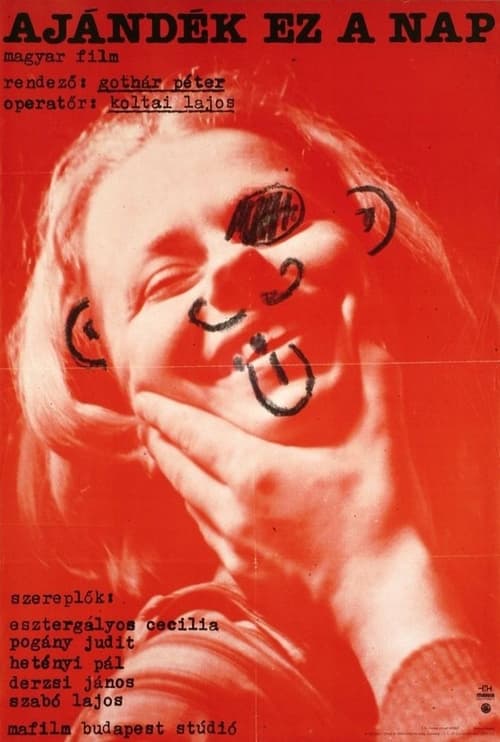
Irén and Attila, a not-so-young couple, are in love. All they want is a flat of their own where they could live together. Unfortunately, Hungary in the 70s is no place for dreams.
A Priceless Day
Mózes Imre, the quality inspector of a big factory in Budapest loses his job overnight because he did not obey the director's instructions and refused some bad products of the company. When he brings the case before a court his arguments are not really appreciated. The director, however, recognises that, to a certain extent, Mózes is right and lets him re-enter as a head of a smaller operational section.
Present Indicative
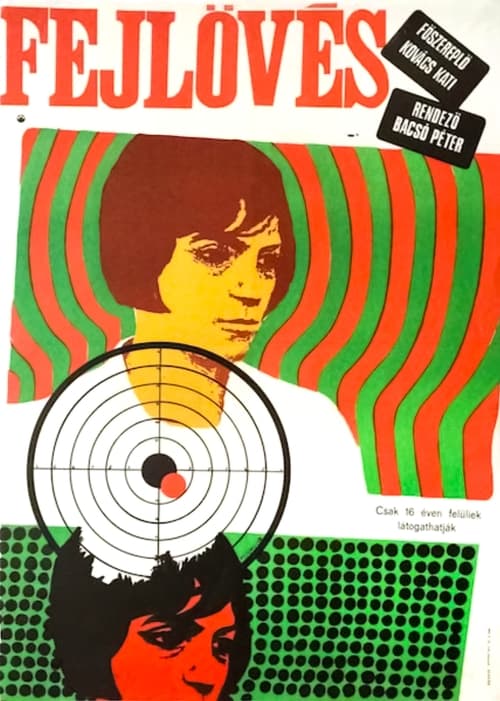
Laci and the divorced Klári decide to commit suicide, since neither's parents give them shelter, they have no place to sleep, no decent job and no future. Béla, who lives on stealing cars, joins them. He has a gun. Based on a true story.
The Fatal Shot

Allegory of the suppression of the 1919 revolution and the advent of fascism in Hungary; in the countryside, a unit of the revolutionary army spares the life of father Vargha, a fanatical priest. He comes back and leads massacres. A new force, represented by Feher, apparently avenges the people, but only to impose a different, more refined and effective kind of repression.
Agnus Dei

Two arts students, András and Viktor who are writing their thesis on detective stories, make up a story and keep nagging the famous film-director, who just came back from Hollywood, until he undertakes the job. At night they work on the film, in which two youths kill a director returning from the US. In the morning the director is found dead - a knife in his back.
Innocent Assassins
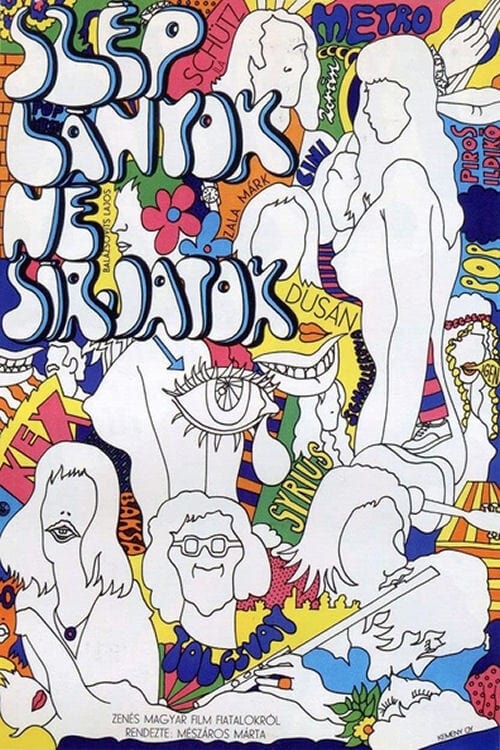
Savanyú and his friend work at a plant. After the monotonous shifts they engage in the pleasures of the afternoon and the night, i.e. parties and concerts. Savanyú dates Juli, they are already engaged. The young men live as sub-tenants, the young women in workers' hostels. None of these places are suited for spending time together. They are in need of an apartment. Out of the ruinous apartment which they lay siege on, however, they are sent away by the otherwise friendly policeman. At a concert held in the Park of Youth, Juli gets to know Géza. They flirt, then go to the country with a pop-group. Savanyú and his friends follow them. A minor fight cools the atmosphere.
Don’t Cry, Pretty Girls!
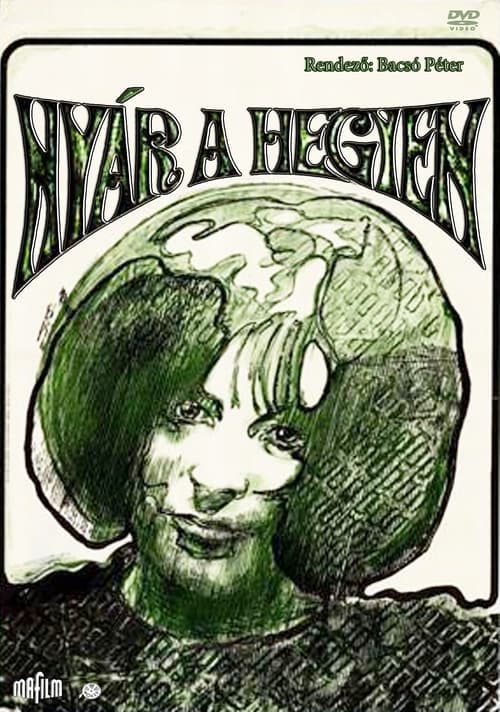
Komora, a young painter and his friends, Mari, a teacher, and the elderly doctor, Szabó, buy a barrack-building situated at the foot of the stone mine of Badacsony. Earlier, the place served as an internment camp. Now, they intend to establish a camp with workshop sessions for fine artists. Mari and the painter fall in love.
Summer on the Hill
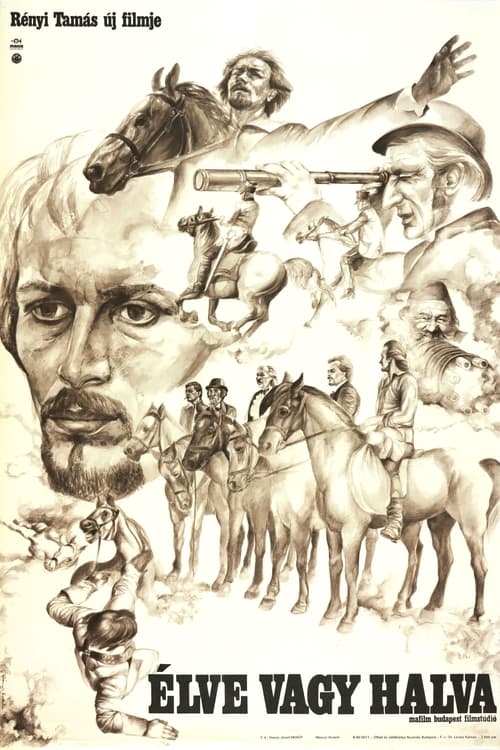
1852. Gáspár Noszlopy escapes from prison in order to capture the emperor, who is to visit Hungary, with his companions and force him to sign the Declaration of Independence. He is only able to find four fanatic men, as his one-time soldiers have already accepted the established order as unalterable, each of them having found a satisfactory way of life and unwilling to undertake a suicidal experiment.
Dead or Alive
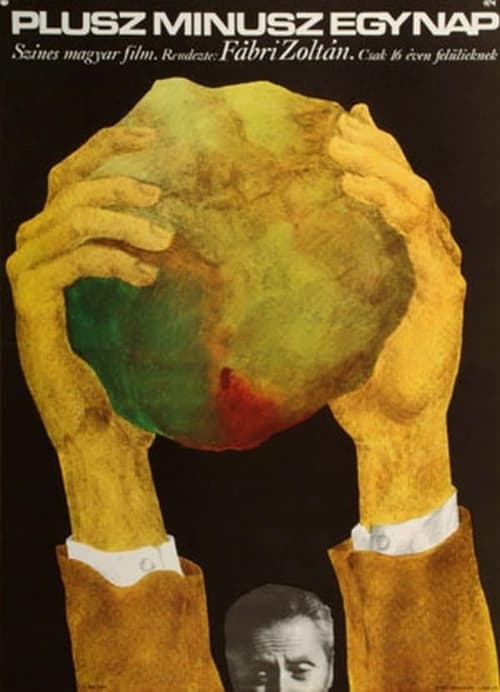
Baradla Géza, war criminal, returns after 25 years, with his ex-accomplice, Obrád Simon, to the village where he burned houses with people inside and executed partisans. The ex squad-leader is chased to this place by his "heroic deed" and the memory of his love. Like a maniac, he wants to forgive the village residents for having killed six of his soldiers.
One Day More or Less
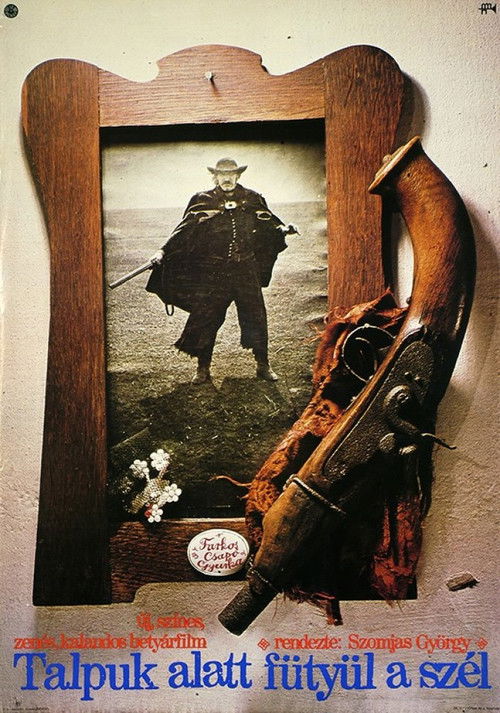
In the 1830s, legendary outlaw Farkos Csapó Gyurka escapes from prison and returns to the Hungarian Great Plain to avenge his betrayal and reclaim his dominance over the puszta. While the local impoverished herdsmen protect him, a determined peace officer relentlessly hunts the bandit to establish modern legal order.
The Wind Is Whistling Under Their Feet
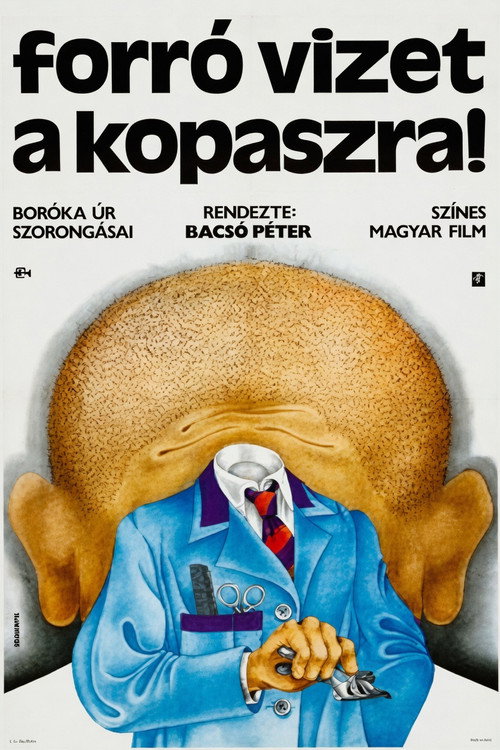
In this naturalistic satire enriched with burlesque, Boróka, the haircutting artist once cuts a hair so, that the customer has to be shaved bald. Sajtár Dezső wants to kill the barber, who feels to be a victim himself immediately. In his anguish he mixes up his apartment, his wife and everything in the uniform world of the block of flats and like a maniac, tries to find after his pursuer. They find each other at a neurological clinic.
Bald Head for Bald Head
A musical farce about women in the canning factory. The pretty Brigitta tries to commit suicide, because Laci left her, pregnant, but her mates save her.
Dashing Girls
The film is based on a true story. Jakus, managing director of a scooter-factory suddenly resigns, since he disagrees with his superiors in the ministry on several points. Disregarding the attacks of his family and friends, he returns to his original job and becomes a welder, which is not very easy because of his records.
The Last Chance

A Béla Vajda Cartoon