Acting
Recognized as the longest and most award-winning drama anthology in the country, Charo Santos-Concio narrates real-life stories of people with well-crafted storylines, excellent performances by its actors, and topnotch production details.
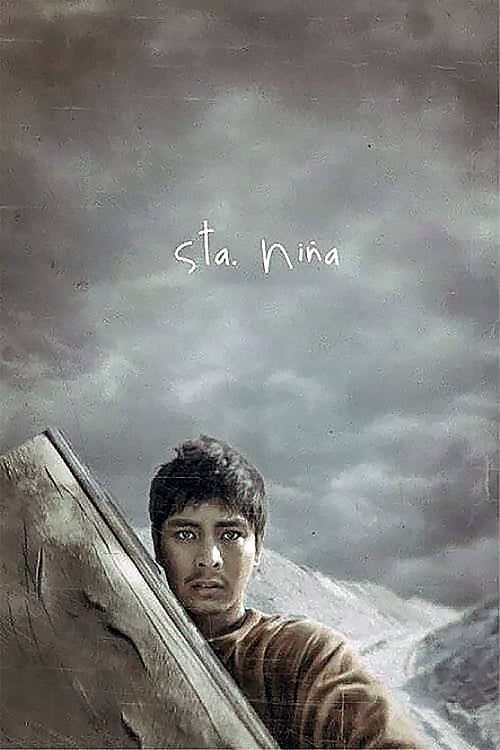
When Paulino Mungcal and his co-worker in a lahar-filled quarry unexpectedly dig up the remains of his 2-year daughter Marikit, they discover that she showed no signs of decay. Could this be a miracle, and could she -- despite death – cure the sick? Inspired by whatever healing power the deceased child may have, Pol asks the church to declare her a saint. But how, when her resurgence stirs up emotions buried by time, and shores up questions about pure love, guilt, sin and salvation?
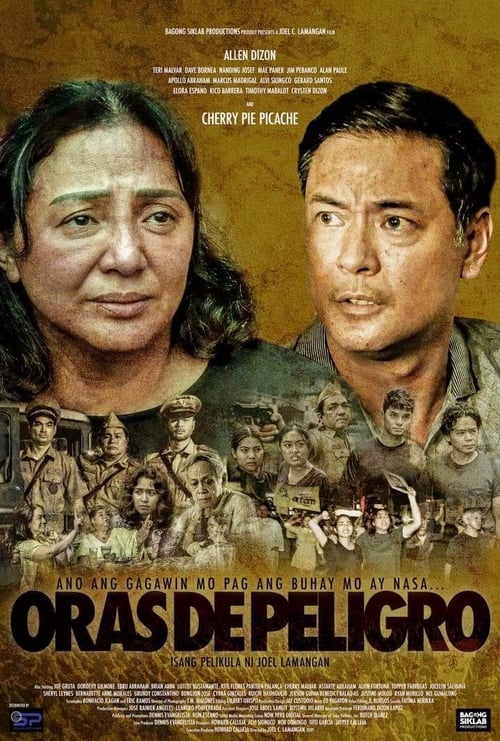
Rafael is a village mayor caught in the murderous crossfire of the Philippine-American War. When U.S. troops occupy his village, Rafael comes under pressure from a tough-as-nails officer to help the Americans in their hunt for Filipino guerilla fighters. But Rafael's brother is the head of the local guerillas, and considers anyone who cooperates with the Americans to be a traitor. Rafael quickly finds himself forced to make the impossible, potentially deadly decisions faced by ordinary civilians in an occupied country.
Three boys are confronted with what they perceive as a challenge to prove their masculinity in a story about sexual awakening. Paul is a show-off whose obnoxious ways mask deep insecurities. Cris is the klutz who tries to please everyone but ends up pleasing no one. And Caloy is the scholarly over-protected son more interested in surfing the net than meeting people. They are out to prove themselves real men but they almost always fall flat on their faces. During an out-of-town school seminar, the trio sees a good chance to finally visit a prostitution house with the three other villains in their lives trying also vainly to thwart their every move by picturing them as bad boys. So Paul, Cris and Caloy enter the red house but, instead of losing their innocence, they uncover the shocking reality that girls forced to work there are minors.
Julio, a young fisherman from a provincial village, descends into social alienation as he arrives in Manila to search for his loved one.
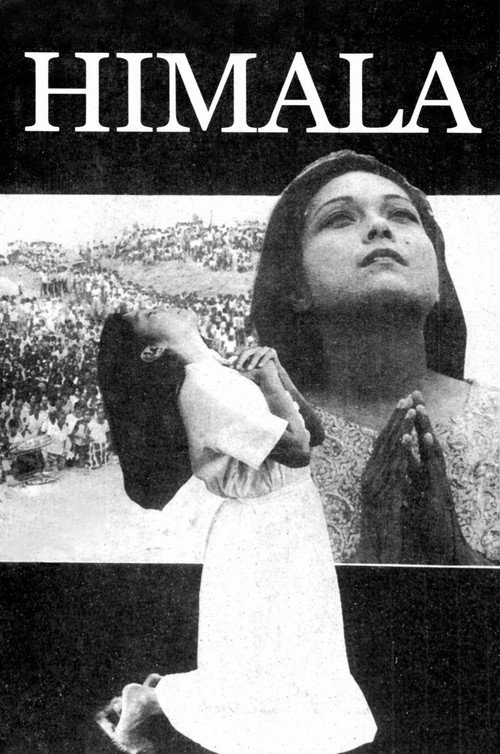
When plain orphan Elsa begins having visions of the Virgin Mary, the rest of the residents of her isolated village find themselves questioning their own beliefs and values. Soon, Elsa is healing people with a variety of ailments. As word of this phenomenon spreads, tourists, pilgrims, patients and a documentary filmmaker all arrive on a quest to partake in the miracle.
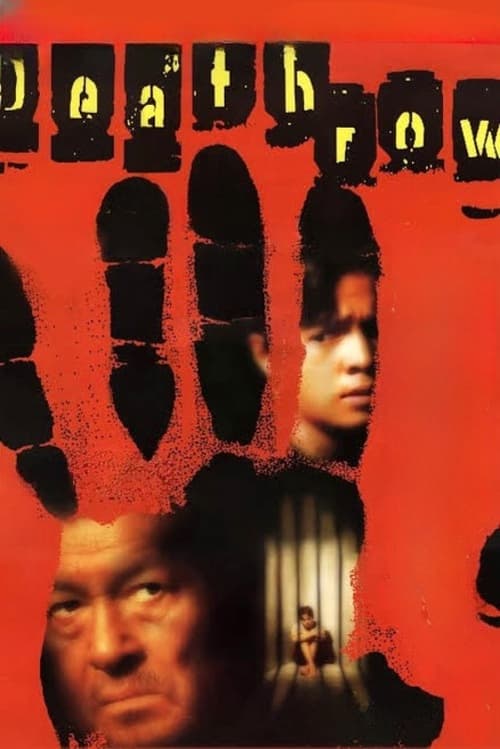
A neglected and unloved orphan raised by poor relatives in the slums of Manila is wrongfully convicted of murder that resulted from a heist he was compelled to join. Unable to prove his innocence and his minor age, he is thrown into the cruel, perilous and horrifying world of death row where he is introduced to other inmates all awaiting their execution by lethal injection. One of them is a 70-year-old man who detests the jungle of jail and is feared by all the convicts. He would serve as the boy’s protector and savior and in the process touch and shape enormously the violated youth’s life in prison and beyond.
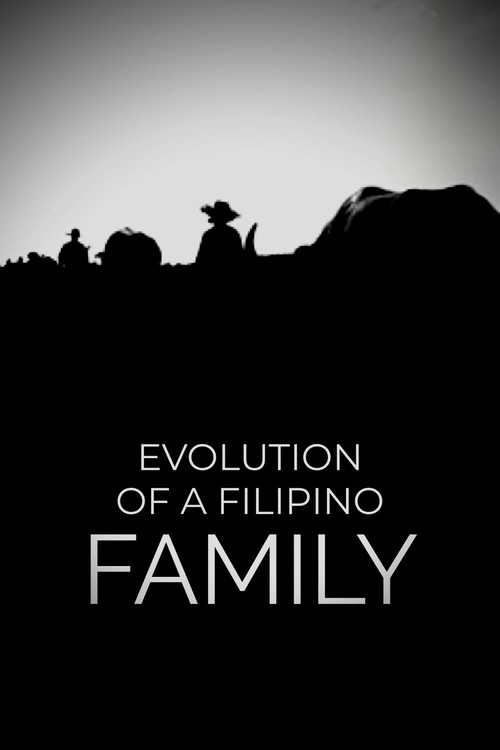
Spanning from 1971 to 1987, in rural areas under the Marcos regime, a poor farming family struggle to overcome challenges brought on by corruption and greed for power.
The film splits itself between two timelines. In 2006, Ada is basing her thesis on a massacre that occurred twenty years prior in a village called Acacia. Her mother Cecilia was part of a fact-finding mission into a massacre, and Ada’s inquiries bring up her history as a member of the NPA. The other timeline traces the relationship of Ka Felix and Ka Jimmy, two rebels who fall in love, despite the movement’s laws against such a pairing.
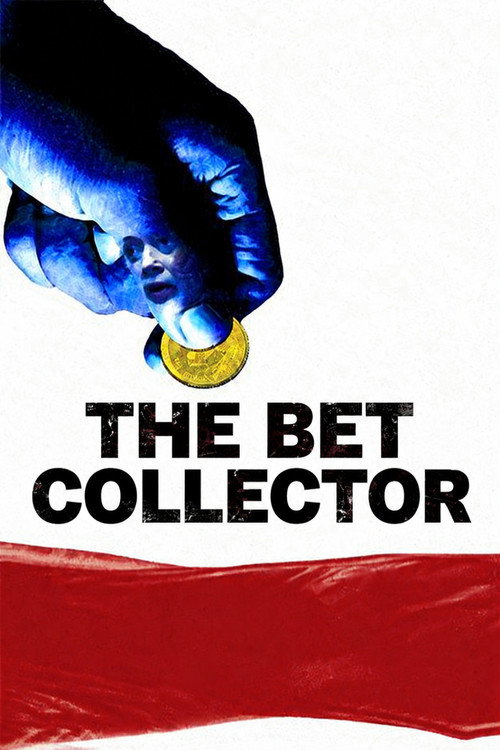
Middle-aged Manila storeowner Amelita supplements her tiny income by collecting bets for the popular numbers game of jueteng. While looking out for police crackdowns, the masterfully persuasive Amelita cajoles all comers into placing wagers.
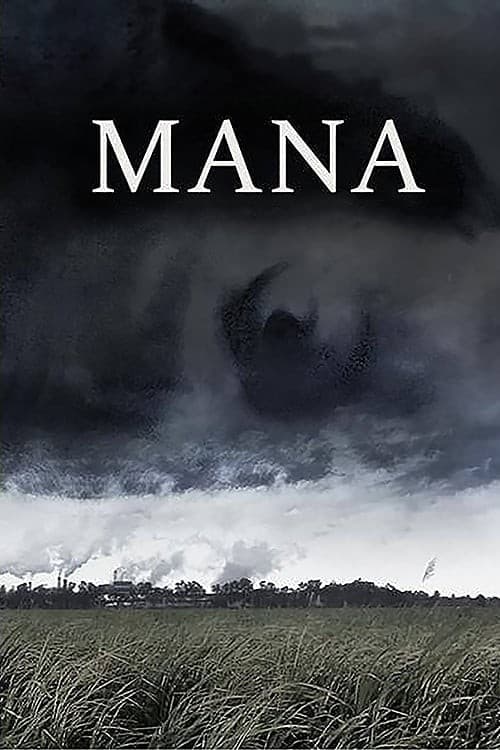
Amidst the vast sugar plantations of Negros in Southern Philippines, a matriarch lies in the throes of death. Her children rush home to confront the crisis as news of the impending death of their well-loved mother spreads among the community. There, in their ancestral house, the siblings are forced to deal with the issues of inheritance, tradition and the family legacy. It is a familiar tale. After all, every family has its story. And to each one, its own deserved secrets.
In the 1970s, a widow in a remote village takes over her husband’s barber shop. She becomes the laughing stock of the male-dominated community and in the process discovers freedom and liberation.
Years ago, Tina (Andi Eigenmann) was sent away to the United States to live with her aunt because of an incident involving her parents that has never been explained to her. She moves back to the Philippines into their old home, hoping for a new start. Unfortunately for her, shes not alone in the house. The kitchen is home to a demonic, human-eating refrigerator. Tina must dig into the past to discover the truth about what happened to her parents, and to find a way to defeat the infernal appliance.
As the EDSA Revolution unfolds, a mother, son, and daughter who live in a slum near Malacañang Palace grapple with the murder of their patriarch in the hands of corrupt policemen, turning from passive victims of social injustice into active participants in the final hours of the uprising.
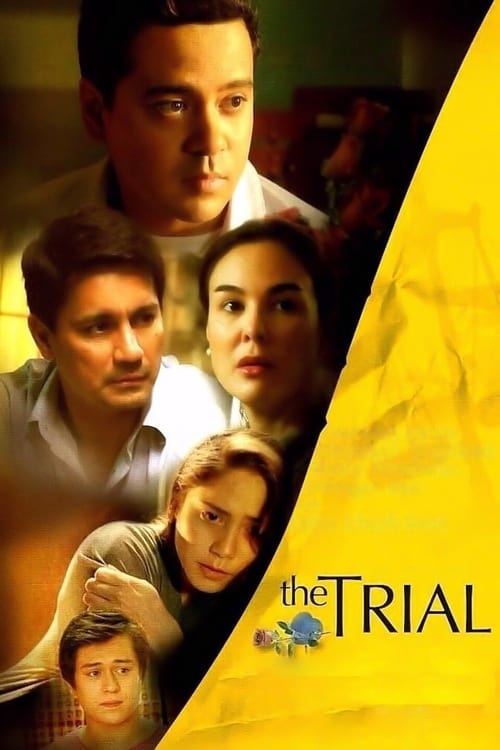
A mentally-challenged guy was put into trial after allegedly raping his teacher. And as Amanda, Julian, and Ronald try to mount a convincing defense, they discover soon that they're all connected in more ways than just the case.
No description available.
A man appears to a female reporter and claims he is the famous kidnapper that has the world astir and promises to turn himself in if she listens to his story. Though she is suspicious of him, she starts to fall more and more into his story.
Only the famous family that doesn't weep can help reunite a desperate woman with her own.
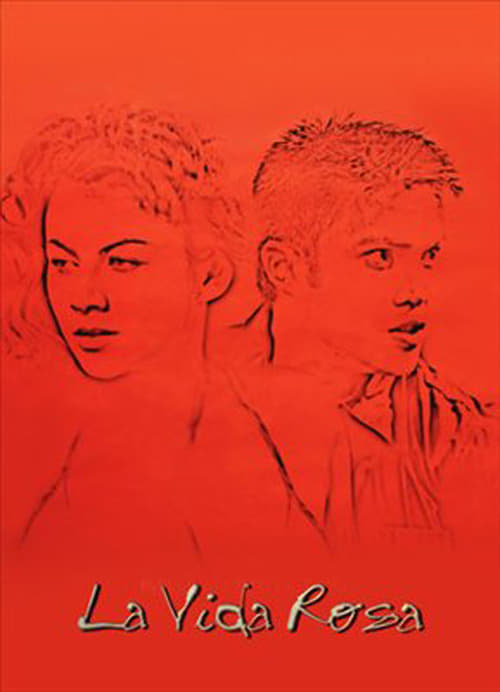
Crime does not pay, so the adage goes. But feisty and outspoken Rosa (Rosanna Roces)--however sharp-witted--does not know any better. Doggedly out for bigger money, she is quick to rebuff even her lover Dado's (Diether Ocampo) pitch for a new life. What will they risk to succeed? What will they give to taste the sweet pleasure of living peacefully and not running away from law and the syndicate anymore? Will their love for each other endure in the end?
After suffering from a vehicular accident, Rosa and her sons transfer to the province. She hopes that the new place will heal the rift between her and her younger son, Rommel. Little does she know that their lives will be at risk when the vengeful ghost of the woman without face threatens them. As she struggles to find a way to end the hauntings, she discovers a truth that will change her life forever.