Grant Munro
Directing
Biography
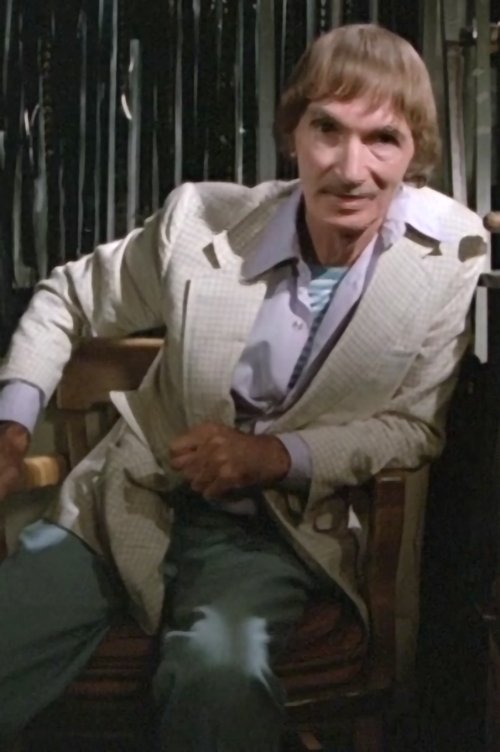
Grant Munro was a Canadian animator, filmmaker, and actor, celebrated for his innovative contributions to animation and documentary filmmaking. He joined the NFB in 1945 and co-starred in Norman McLaren's Oscar-winning short Neighbours (1952). Munro's film Christmas Cracker (1963) was nominated for an Academy Award. His versatility in various filmmaking roles and his pioneering work in animation techniques have left a significant legacy in Canadian cinema.
Known For

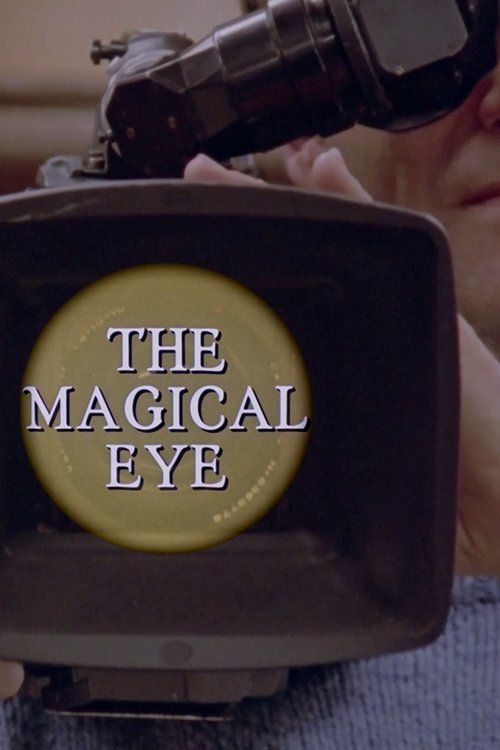
Features clips from 21 documentary and animation film classics, interviews with NFB filmmakers past and present, and incisive commentary from film critics and historians on the role and influence of the NFB during its first half century of existence.
The Magical Eye

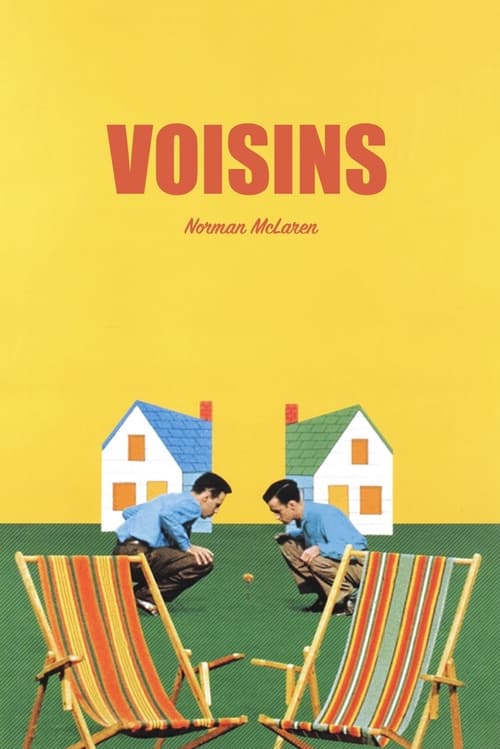
In this Oscar-winning short film, Norman McLaren employs the principles normally used to put drawings or puppets into motion to animate live actors. The story is a parable about two people who come to blows over the possession of a flower.
Neighbours
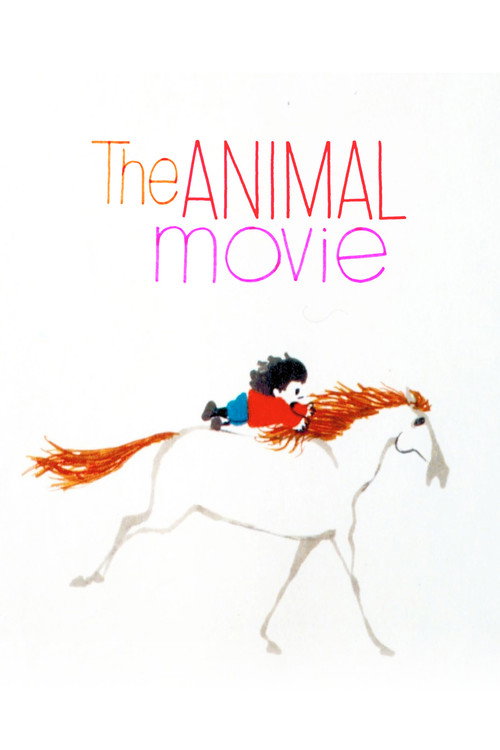
An animated cartoon to help children explore why and how animals move as they do. A little boy discovers that he cannot compete with a monkey, a snake or a horse by imitating the way they move. He can only outdistance them when he climbs into a vehicle that can travel in any environment, proving that while other animals are trapped by their environment, humans, the inventors, aren't.
The Animal Movie

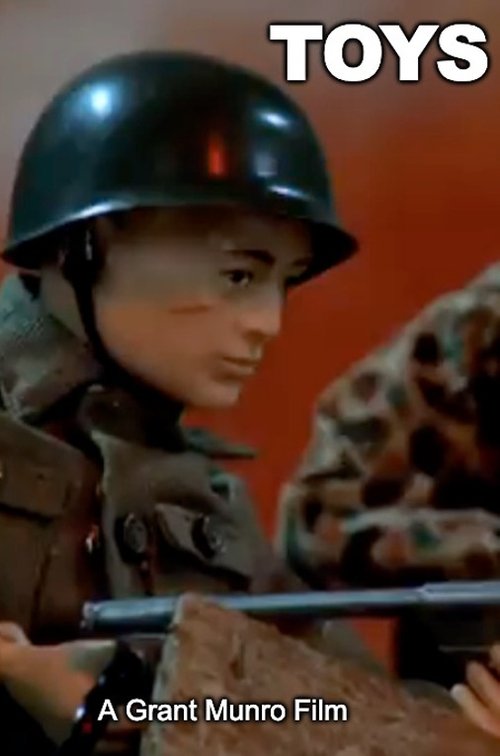
Three separate sequences related to Christmas, animated in different styles: cutout animation of children dancing in the snow to "Jingle Bells," stop-motion animation of toys come to life, and cel animation of a man who seeks the ideal star to top his Christmas tree.
Christmas Cracker

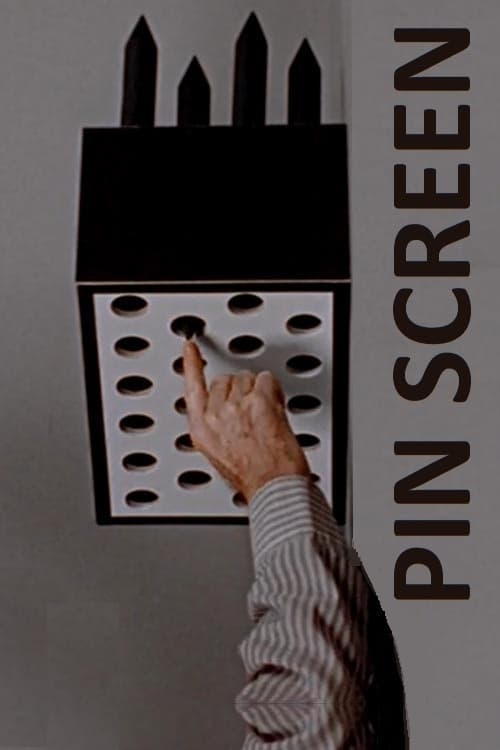
Pinscreen animation makes use of a screen filled with movable pins, which can be moved in or out by pressing an object onto the screen. The screen is lit from the side so that the pins cast shadows.
Pinscreen
In this short animation film, Norman McLaren presents the first 3 of the 5 categories of motion: constant, accelerated and decelerated. Various types of acceleration and deceleration are demonstrated, and examples are shown of how these types of motion may be applied in regard to gesture, gravity and perspective.
Animated Motion: Part 2

The Eye Hears, the Ear Sees is a 1970 documentary exploring the career of Norman McLaren, a Scots-Canadian animator known for his pioneering work in experimental animation, using innovative techniques to blend visual art with sound design.
The Eye Hears, the Ear Sees
In this fifth part, Norman McLaren deals not with motion (if motion is defined as a change of location in two- or three-dimensional space) but with change--change in the amount and color of light within an otherwise static screen. Normally, the animator combines such change with motion, but here it is studied in isolation.
Animated Motion: Part 5

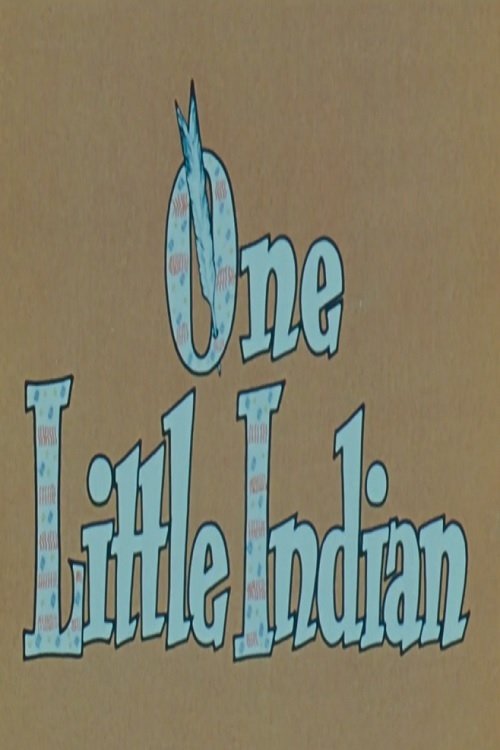
This short puppet animation from the fifties tells the story of Magic Bow, a First Nations boy endowed with magic gifts. Magic Bow is in the big city for the first time, thrilling audiences with his tricks at the Wild West Rodeo. Outside the arena, cars, trucks and buses zip by at dizzying speeds. With the help of some savvy city dwellers, Magic Bow learns a few important traffic rules to help him navigate the streets safely.
One Little Indian

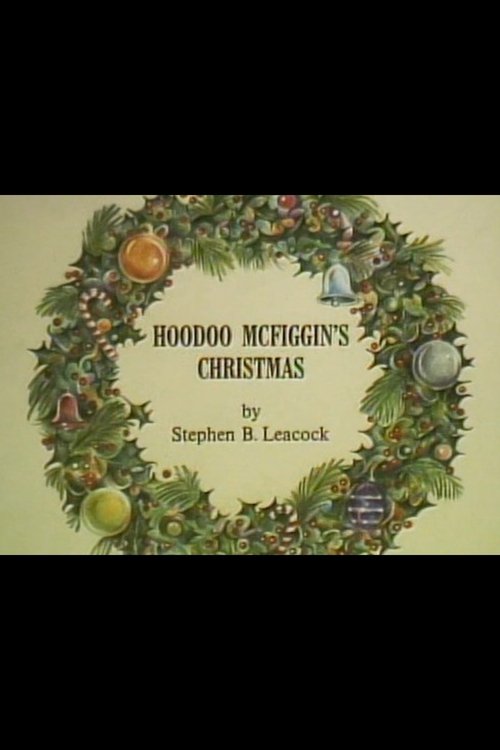
Based on the short story by Stephen Leacock, this is a satirical camera-animated story about Christmas expectations and the loss of innocence. Young Hoodoo has bought his parents cigars and a brooch for Christmas. As he opens his presents expectantly on Christmas morning, he keeps his hopes up until the end--will the next gift from Santa Claus be a pair of skates, a puppy dog, Noah's Ark, a sleigh or a drum...? When none of the gifts meets his expectations, he decides to do things differently next year.
Hoodoo McFiggin's Christmas

An unconventional version of The Christmas Carol.
The Energy Carol
In this fourth film, Norman McLaren explains and illustrates composite motion, where two of the categories of motion occur simultaneously in one action, such as the motions of jointed or pivoted parts (as occur in animal and human movements). Also shown is a human gesture with increasing amounts of emotion; and finally, the phenomenon of 'strobing' in animation is examined.
Animated Motion: Part 4
The third in a series of five colour films that offer an introduction to the basic techniques of film animation. McLaren explains and demonstrates different aspects of movement that are essential to the animator’s art. In this case it is the pause and irregular movement.
Animated Motion: Part 3

The importance of a balanced diet, told in story form for children through the medium of two-dimensional cut-out animation. Stanley is a little boy who is lethargic from lack of a balanced diet. Some animals take him for a trip on the back of a "train engine" bull, to discover what are the proper foods for health and where they come from.
Stanley Takes a Trip
A compilation of satirical anti-smoking clips.
Where There's Smoke
For all who enjoy ballet, this English-language film presents an insight into the dance that only dancers ordinarily see. It is an engaging film portrait of the famous Canadian husband-and-wife team, Anna Marie and David Holmes. We see their busy lives as international dance stars, their private interests and, above all, their dedication to the absolute refinement of ballet movement.
Tour en l'air
Norman McLaren was a cinematic genius who made films without cameras, and music without instruments. He produced sixty films in a stunning range of styles and techniques, collecting over 200 international awards, and world recognition. In Creative Process, director Donald McWilliams demystifies the process of artistic creation. Drawing on McLaren's private film vaults, a gold mine of experimental footage and uncompleted films, McWilliams explores McLaren's methods, including his celebrated "pixillation" technique, and his daring forays into animated surrealism.
Creative Process: Norman McLaren
The first part of this series by Norman McLaren deals only with tempo. It starts by showing the disc travelling in one move (1/24 of a second) from A to B, and progressively demonstrates slower and slower tempos.
Animated Motion: Part 1

A cemetery in St. John, New Brunswick, Canada is seen through the eyes of its former superintendent.
Boo Hoo

An opening address, a tribute and highlights of a long and productive career--McLaren on McLaren is Norman McLaren on camera. The occasion is the opening of a prestigious festival in Arnhem, the Netherlands, in November, 1983, marking the tenth anniversary of Holland Animation. The renowned animator pays homage to those who merged their arts with his, and to the National Film Board, which gave him forty-two years of artistic freedom.