Anton Leader
Directing
Biography
Anton Leader (December 23, 1913 – July 1, 1988) was an American radio and television director. He was born in Boston, Massachusetts, on December 23, 1913. He directed radio dramas in New York in the 1940s and moved to Los Angeles in 1948. Subsequently, he worked as a free-lancer for Universal Studios and Columbia Pictures, among others. From the middle 1950s to the middle 1970s he directed many episodes of the popular television series of that era. Known as "Tony" to friends and colleagues, his screen credits alternated between "Tony Leader" and the more formal "Anton M. Leader." He died in Los Angeles, California, on July 1, 1988.
Known For

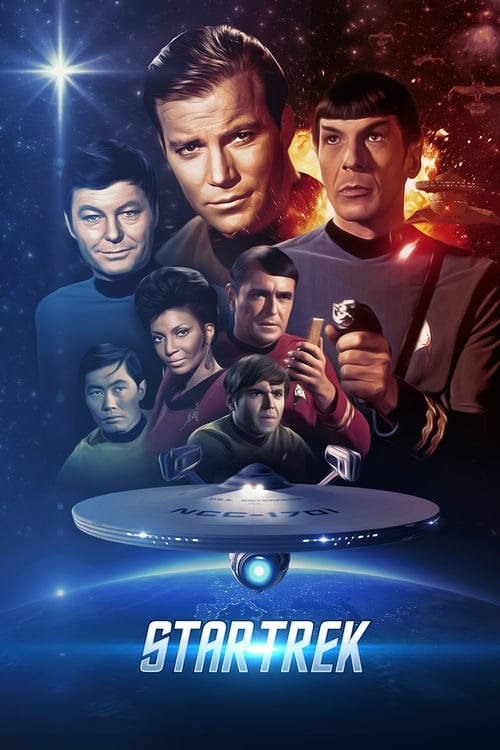
Space. The Final Frontier. The U.S.S. Enterprise embarks on a five year mission to explore the galaxy. The Enterprise is under the command of Captain James T. Kirk with First Officer Mr. Spock, from the planet Vulcan. With a determined crew, the Enterprise encounters Klingons, Romulans, time paradoxes, tribbles and genetic supermen led by Khan Noonian Singh. Their mission is to explore strange new worlds, to seek new life and new civilizations, and to boldly go where no man has gone before.
Star Trek

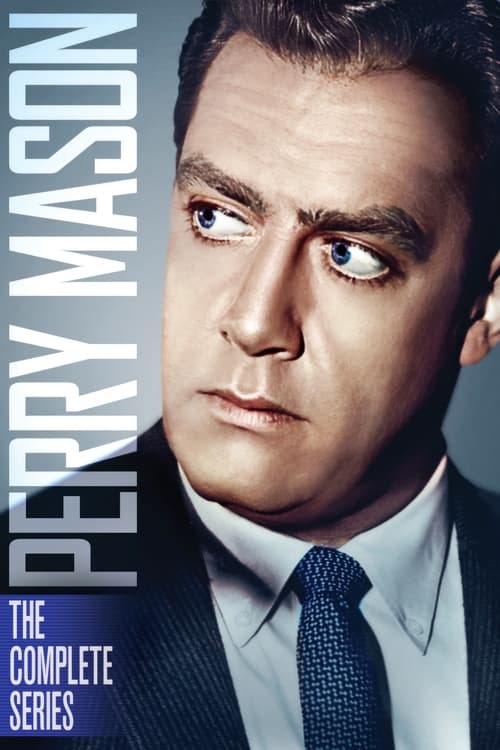
The cases of master criminal defense attorney Perry Mason and his staff who handled the most difficult of cases in the aid of the innocent.
Perry Mason

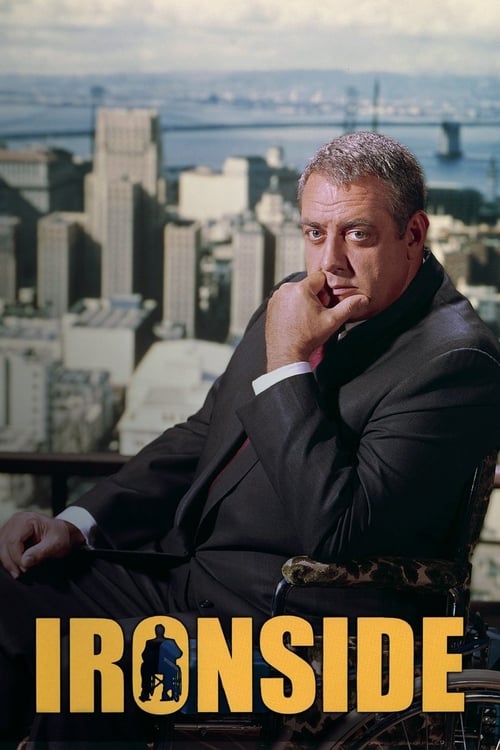
When an assassin's bullet confines him to a wheelchair for life ending his career as Chief of Detectives, Robert T. Ironside becomes a consultant to the police department. Detective Sergeant Ed Brown and policewoman Eve Whitfield join with him to crack varied and fascinating cases. Ex-con Mark Sanger is employed by the chief as home help but eventually becomes a fully fledged member of the team also. Officer Whitfield leaves after 4 years service, and is replaced by Officer Fran Belding.
Ironside

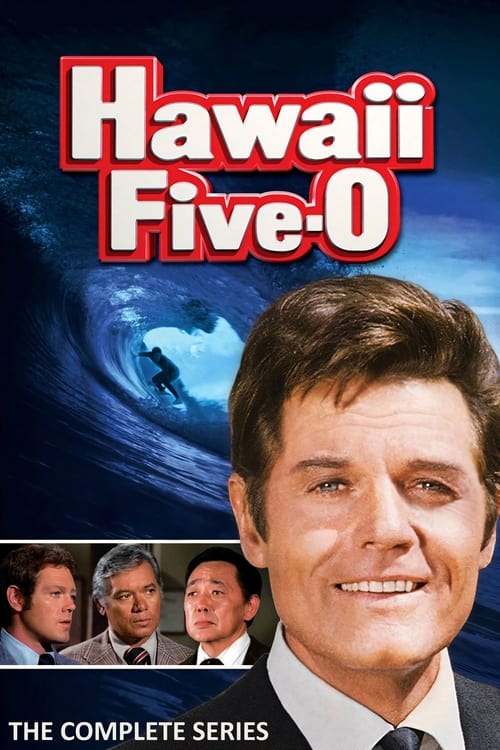
Hawaii Five-O is an American police procedural drama series produced by CBS Productions and Leonard Freeman. Set in Hawaii, the show originally aired for 12 seasons from 1968 to 1980, and continues in reruns. Jack Lord portrayed Detective Lieutenant Steve McGarrett, the head of a special state police task force which was based on an actual unit that existed under martial law in the 1940s. The theme music composed by Morton Stevens became especially popular. Many episodes would end with McGarrett instructing his subordinate to "Book 'em, Danno!", sometimes specifying a charge such as "murder one".
Hawaii Five-O

Get Smart is an American comedy television series that satirizes the secret agent genre. Created by Mel Brooks with Buck Henry, the show stars Don Adams, Barbara Feldon, and Edward Platt. Henry said they created the show by request of Daniel Melnick, who was a partner, along with Leonard Stern and David Susskind, of the show's production company, Talent Associates, to capitalize on "the two biggest things in the entertainment world today"—James Bond and Inspector Clouseau. Brooks said: "It's an insane combination of James Bond and Mel Brooks comedy." This is the only Mel Brooks production to feature a laugh track. The success of the show eventually spawned the follow-up films The Nude Bomb and Get Smart, Again!, as well as a 1995 revival series and a 2008 film remake. In 2010, TV Guide ranked Get Smart's opening title sequence at No. 2 on its list of TV's Top 10 Credits Sequences, as selected by readers.
Get Smart

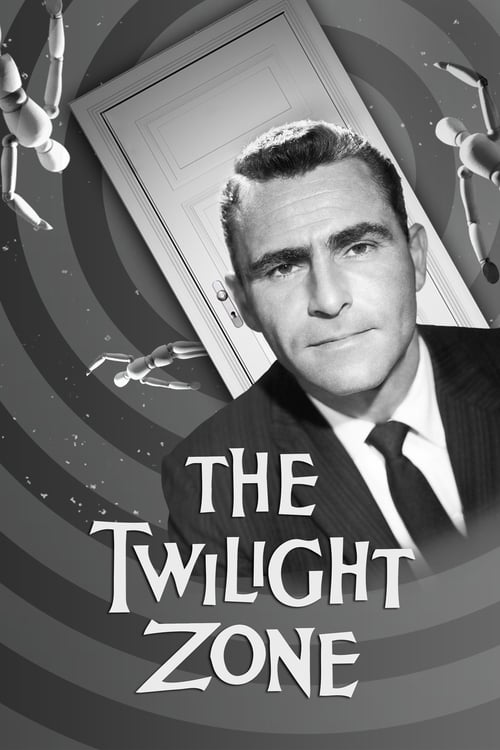
An anthology series containing drama, psychological thriller, fantasy, science fiction, suspense, and/or horror, often concluding with a macabre or unexpected twist.
The Twilight Zone

The Shiloh Ranch in Wyoming Territory of the 1890s is owned in sequence by Judge Henry Garth, the Grainger brothers, and Colonel Alan MacKenzie. It is the setting for a variety of stories, many more based on character and relationships than the usual western.
The Virginian

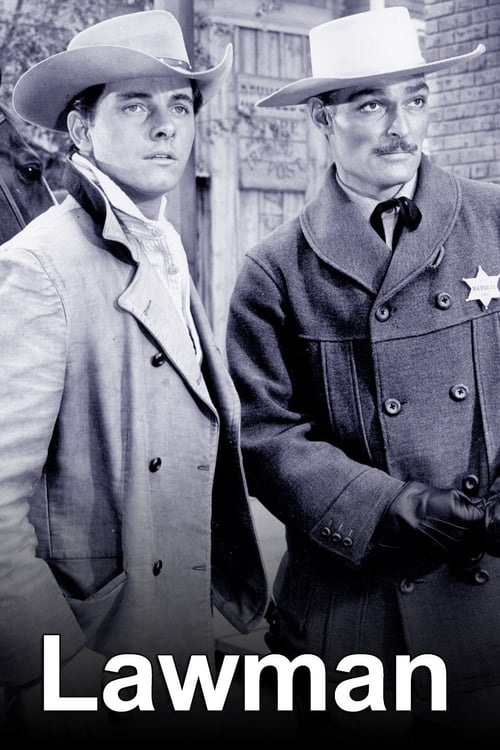
Lawman is an American western television series originally telecast on ABC from 1958 to 1962 starring John Russell as Marshal Dan Troop and featuring Peter Brown as Deputy Marshal Johnny McKay. The series was set in Laramie, Wyoming during 1879 and the 1880s. Warner Bros. already had several western series on the air at the time, having launched Cheyenne with Clint Walker as early as 1955. The studio continued the trend in 1957 with the additions of Maverick with James Garner and Jack Kelly, Colt .45 with Wayde Preston, and Sugarfoot with Will Hutchins. One year later, Warner Bros. added Lawman and Bronco with Ty Hardin. Prior to the beginning of production, Russell and Brown and producer Jules Schermer made a pact to maintain the quality of the series so that it would not be seen as "just another western." At the start of season two, Russell and Brown were joined by Peggie Castle as Lily Merrill, the owner of the Birdcage Saloon, and a love interest for Dan.
Lawman

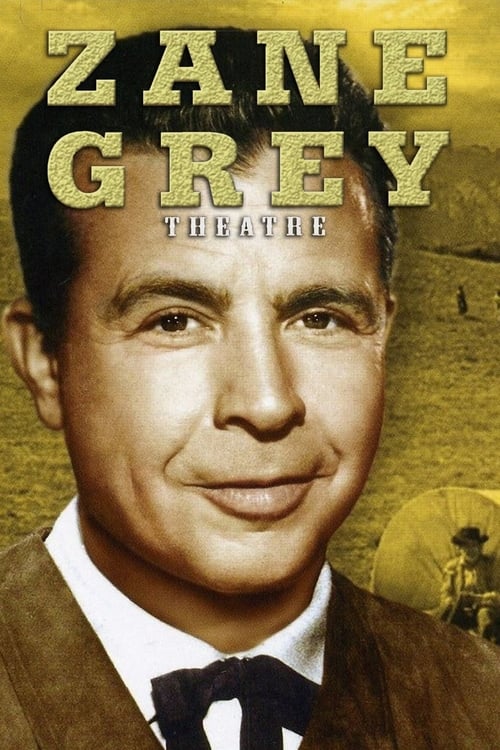
Dick Powell's Zane Grey Theatre, sometimes simply called Zane Grey Theatre, is an American Western anthology series which ran on CBS from 1956 to 1961.
Dick Powell's Zane Grey Theatre

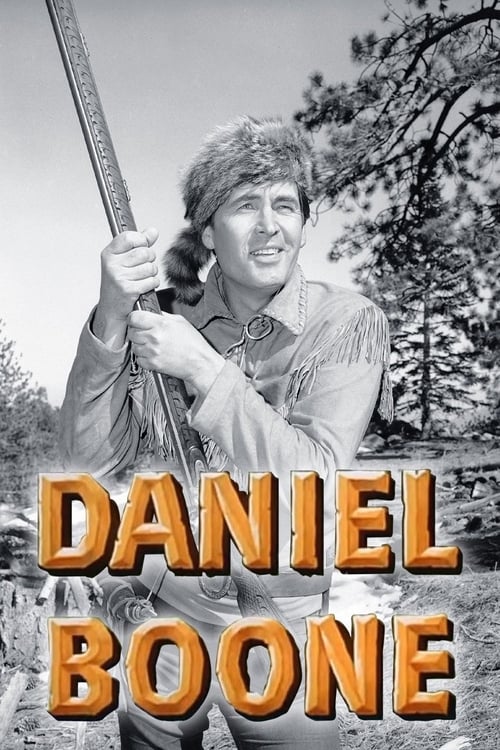
Daniel Boone is an American action-adventure television series starring Fess Parker as Daniel Boone that aired from September 24, 1964 to September 10, 1970 on NBC for 165 episodes, and was made by 20th Century Fox Television. Ed Ames co-starred as Mingo, Boone's Cherokee friend, for the first four seasons of the series. Albert Salmi portrayed Boone's companion Yadkin in season one only. Dallas McKennon portrayed innkeeper Cincinnatus. Country Western singer-actor Jimmy Dean was a featured actor as Josh Clements during the 1968–1970 seasons. Actor and former NFL football player Rosey Grier made regular appearances as Gabe Cooper in the 1969 to 1970 season. The show was broadcast "in living color" beginning in fall 1965, the second season, and was shot entirely in California and Kanab, Utah.
Daniel Boone

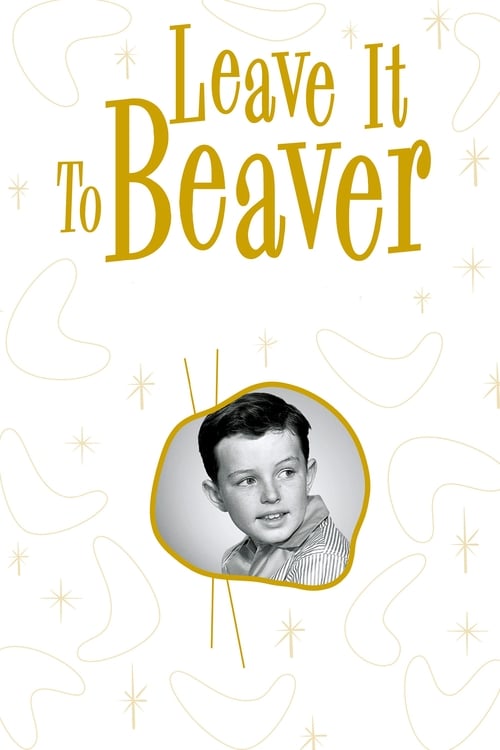
An inquisitive and often naïve boy, Theodore 'The Beaver' Cleaver, has adventures at home, in school, and around his suburban neighborhood. The show also starred Barbara Billingsley and Hugh Beaumont as Beaver's parents, June and Ward Cleaver, and Tony Dow as Beaver's brother Wally. The show has attained an iconic status in the US, with the Cleavers exemplifying the idealized suburban family of the mid-20th century.
Leave It to Beaver

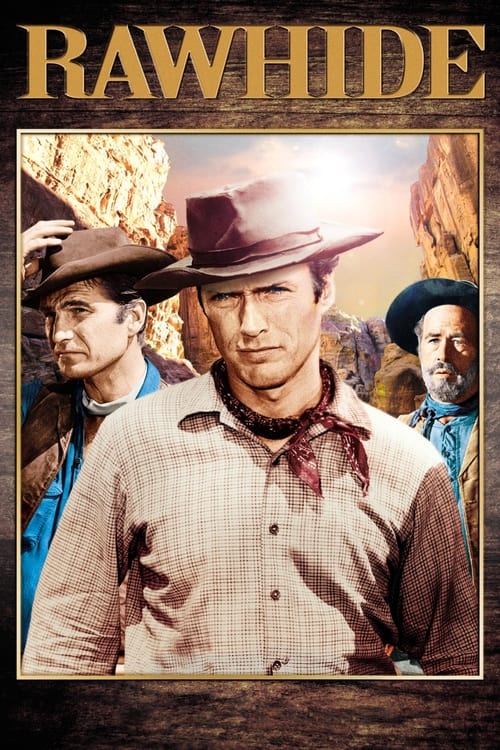
The tale of trail boss Gil Favor and his trusty foreman Rowdy Yates as they drives cattle across the old west. Along the way they meet up with adventure and drama.
Rawhide

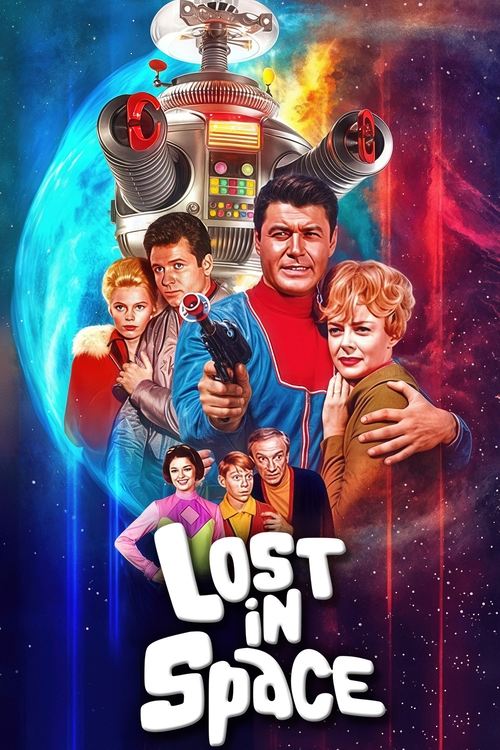
The space family Robinson is sent on a five-year mission to find a new planet to colonise. The voyage is sabotaged time and again by an inept stowaway, Dr. Zachary Smith. The family's spaceship, Jupiter II, also carries a friendly robot who endures an endless stream of abuse from Dr. Smith, but is a trusted companion of young Will Robinson
Lost in Space

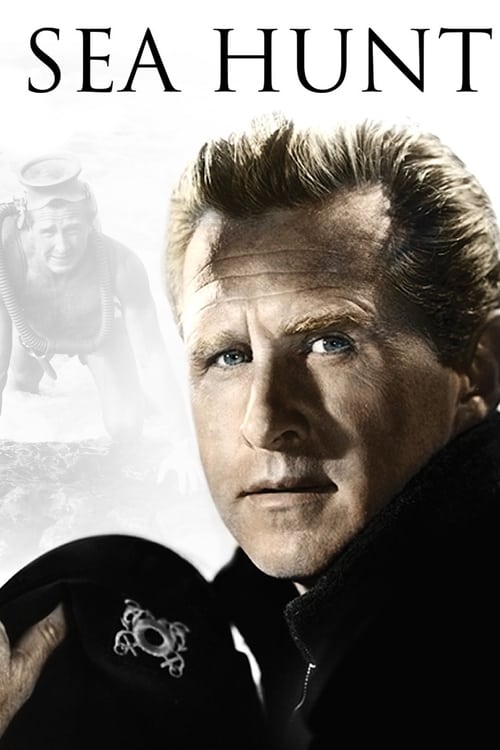
Sea Hunt is an American adventure television series that aired in syndication from 1958 to 1961 and was popular in syndication for decades afterwards. The series originally aired for four seasons, with 155 episodes produced. It stars Lloyd Bridges as ex-Navy frogman Mike Nelson, and was produced by Ivan Tors.
Sea Hunt

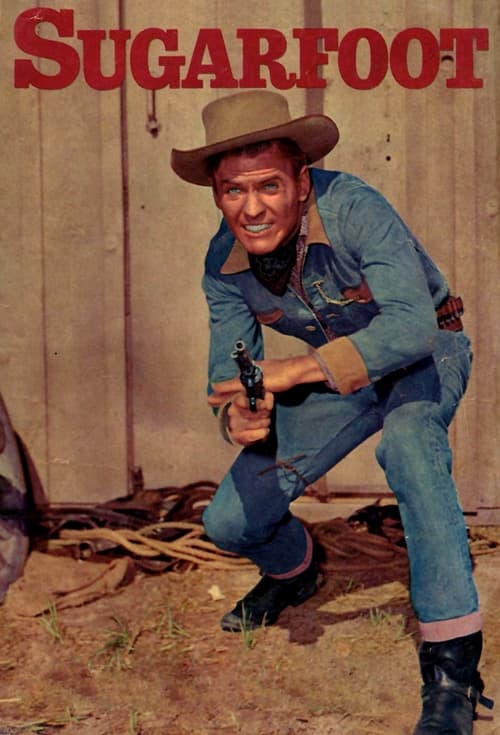
Sugarfoot is an American western television series that aired on ABC from 1957 to 1961. The series stars Will Hutchins as Tom Brewster, an Easterner who comes to the Oklahoma Territory to become a lawyer. Jack Elam is cast in occasional episodes as sidekick Toothy Thompson. Brewster was a correspondence-school student whose apparent lack of cowboy skills earned him the nickname "Sugarfoot", a designation even below that of a tenderfoot.
Sugarfoot

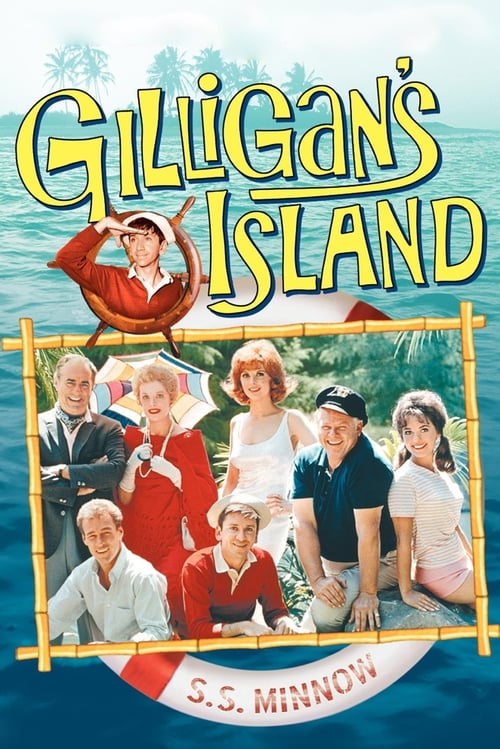
The slapstick adventures of hapless Gilligan, long-suffering Skipper and their gang of mismatched castaways, all stranded on an uncharted desert isle after their tiny ship hit stormy weather.
Gilligan's Island

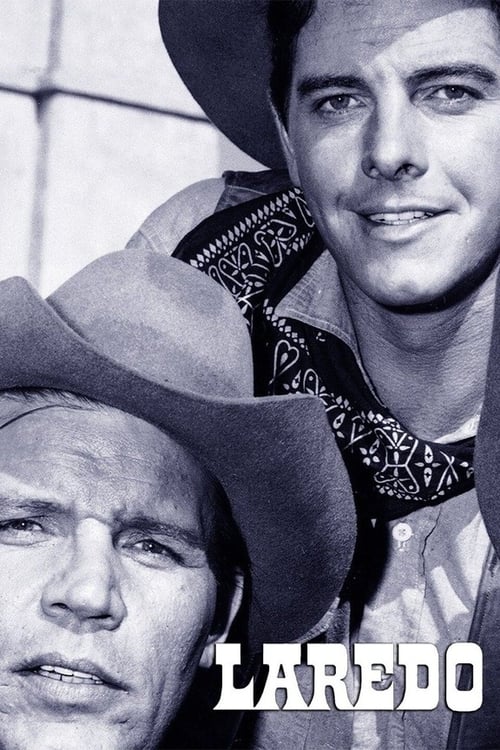
Laredo is an American Western television series that aired on NBC from September 16, 1965, to April 7, 1967. Laredo stars Neville Brand, William Smith, Peter Brown, and Philip Carey as Texas Rangers. It is set on the Mexican border about Laredo, Texas. The program was produced by Universal Television. The pilot episode of Laredo aired on NBC's The Virginian under the title, "We've Lost a Train". It was released theatrically in 1969 under the title Backtrack. Three episodes from the first season of the series were edited into the 1968 feature film Three Guns for Texas.
Laredo

Tarzan is a series that aired on NBC from 1966 – 1968. The series portrayed Tarzan as a well-educated character, one who, tired of civilization, had returned to the jungle where he had been raised. The show retained many of the trappings of the classic movie series, including Cheeta, while excluding other elements, such as Jane, as part of the "new look" for the fabled apeman that producer Sy Weintraub had introduced in previous motion pictures starring Gordon Scott, Jock Mahoney, and Mike Henry. CBS aired repeat episodes the program during the summer of 1969.
Tarzan

The Adventures of Jim Bowie is an American Western television series that aired on ABC from 1956 to 1958. Its setting was the 1830s-era Louisiana Territory. The series was an adaptation of the book Tempered Blade, by Monte Barrett. The series stars Scott Forbes as the real-life adventurer Jim Bowie. The series initially portrayed Jim Bowie as something of an outdoors-man, riding his horse through the wilderness near his home in Opelousas, where he would stumble across someone needing his assistance. He was aided by the Bowie Knife, his ever-present weapon. He designed it in the first episode, The Birth of the Blade.
The Adventures of Jim Bowie

Cavalcade of America is an anthology drama series that was sponsored by the DuPont Company, although it occasionally presented a musical, such as an adaptation of Show Boat, and condensed biographies of popular composers. It was initially broadcast on radio from 1935 to 1953, and later on television from 1952 to 1957. Originally on CBS, the series pioneered the use of anthology drama for company audio advertising. Cavalcade of America documented historical events using stories of individual courage, initiative and achievement, often with feel-good dramatizations of the human spirit's triumph against all odds. This was consistent with DuPont's overall conservative philosophy and legacy as an American company dating back to 1802. The company's motto, "Maker of better things for better living through chemistry," was read at the beginning of each program, and the dramas emphasized humanitarian progress, particularly improvements in the lives of women, often through technological innovation.