FEEL IT.STREAM
Antonio Tabucchi

Antonio Tabucchi

Writing

Biography

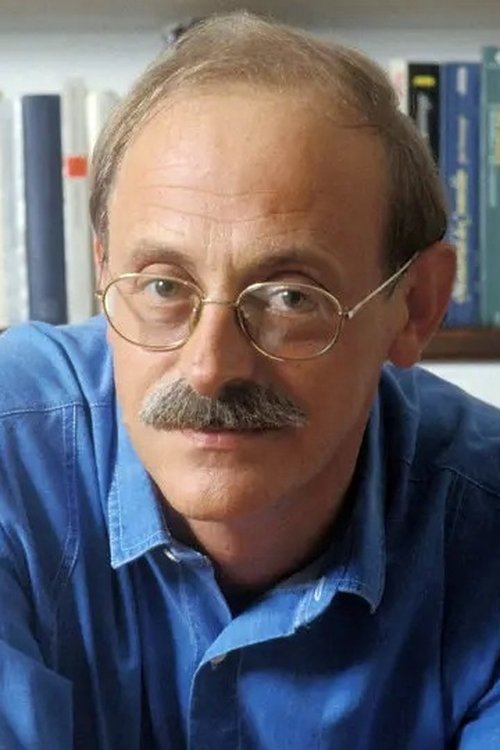
Antonio Tabucchi (24 September 1943 – 25 March 2012) was an Italian writer and academic who taught Portuguese language and literature at the University of Siena, Italy. Deeply in love with Portugal, he was an expert, critic and translator of the works of Fernando Pessoa from whom he drew the conceptions of saudade, of fiction and of the heteronyms. Tabucchi was first introduced to Pessoa's works in the 1960s when attending the Sorbonne. He was so charmed that when he returned to Italy, he took an introductory course in Portuguese for a better comprehension of the poet. His books and essays have been translated in 18 countries. Together with his wife, Maria José de Lancastre, he translated many works by Pessoa into Italian and has written a book of essays and a comedy about the writer. Tabucchi was awarded the French prize "Médicis étranger" for Indian Nocturne (Notturno indiano) and the premio Campiello, and the Aristeion Prize for Sostiene Pereira. In later life, he was mentioned as a contender for the Nobel Prize in Literature, a feat he never achieved. Antonio Tabucchi was born in Pisa but grew up at his maternal grandparents' home in Vecchiano, a nearby village. During his years at university, he travelled widely around Europe on the trail of the authors he had encountered in his uncle's library. During one of these journeys, he found the poem "Tabacaria" (tobacco shop) in a bookstall near the Gare de Lyon in Paris, signed by Álvaro de Campos, one of the pen names of the Portuguese poet Fernando Pessoa. It was in the French translation by Pierre Hourcade. The book was a major influence on his writing life for at least twenty years. A visit to Lisbon sparked his love of the city of the fado and of that country as a whole. As a result, he graduated in 1969 with a thesis on "Surrealism in Portugal". He specialized at the Scuola Normale Superiore di Pisa in the seventies and in 1973 he was appointed as a teacher of Portuguese Language and Literature in Bologna. That year he wrote his first novel, Piazza d'Italia (Bompiani 1975), in which he tried to describe history from the losers' point of view, in this case, the Tuscan anarchists, in the tradition of great Italian writers of a more or less recent past, such as Giovanni Verga, Federico De Roberto, Giuseppe Tomasi Di Lampedusa, Beppe Fenoglio, and contemporary authors, like Vincenzo Consolo. In 1978, he was appointed to the University of Genoa, and published Il piccolo naviglio, followed by Il gioco del rovescio e altri racconti in 1981, and Donna di porto Pim (1983). His first important novel, Indian Nocturne, was published in 1984, and became the basis of a 1989 film directed by Alain Corneau. The protagonist tries to trace a friend who has disappeared in India but is actually searching for his own identity. ... Source: Article "Antonio Tabucchi" from Wikipedia in English, licensed under CC-BY-SA 3.0.
Known For

Apostrophes
8.5

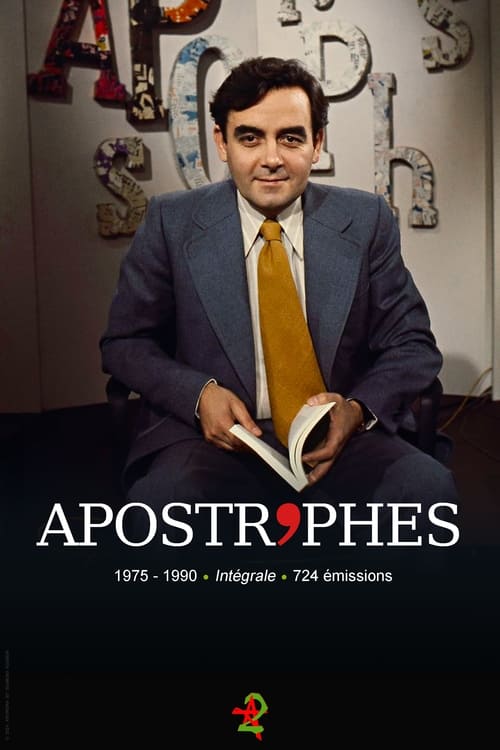
Apostrophes was a live, weekly, literary, prime-time, talk show on French television created and hosted by Bernard Pivot. It ran for fifteen years (724 episodes) from January 10, 1975, to June 22, 1990, and was one of the most watched shows on French television (around 6 million regular viewers). It was broadcast on Friday nights on the channel France 2 (which was called "Antenne 2" from 1975 to 1992). The hourlong show was devoted to books, authors and literature. The format varied between one-on-one interviews with a single author and open discussions between four or five authors.

Apostrophes

1975
Pereira Declares
6.7

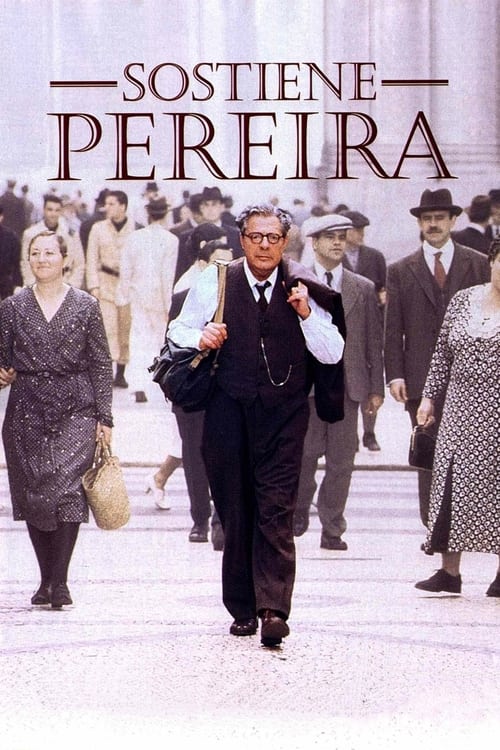
Lisbon, 1938. Mr. Pereira is the editor of the culture section of an evening paper. Although fascism is on the rise in Europe, like in nearby civil war Spain or even inside Portugal itself in the form of Salazar's regime, Pereira only concerns himself with writing bios and translating French novels. Things change after he hires a young writer as his assistant, getting to know also his girlfriend – both opponents to the regime – and reluctantly helps them when they begin to get in trouble for subversive activities. Eventually, he's forced to take a stand...

Pereira Declares

1995
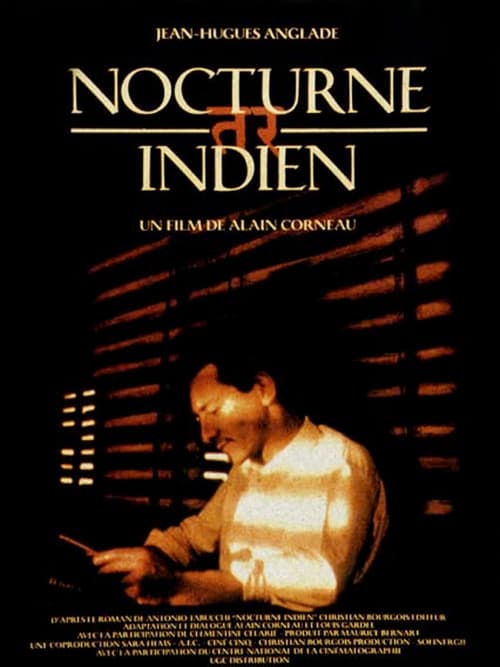
Nocturne Indien
6.9

The enigmatic but vivid imagery of this loosely plotted film is based on a similarly evocative novel by the Italian author Antonio Tabucchi, Noturno Indiano. An old friend of the hero's has been living in Bombay with a prostitute. His friend Peter Schlemihl (Otto Tausig) is a concentration camp survivor, who went to India after being captivated by a photograph he saw there. When the prostitute writes to him in Europe asking that he rescue his friend from a mysterious malaise, he flies into India to try and help. When he gets to Bombay, he discovers that his friend has disappeared. Following the clues left behind by the friend, and based on his acquaintance with him, he journeys to Madras to speak to a Theosophist dignitary there, and then journeys on to Portugues Goa. With each step of his journey, the hero (Jean-Hugues Anglade) becomes more identified with his friend, and re-enacts in his own person the transformations he must have experienced.

Nocturne Indien

1989
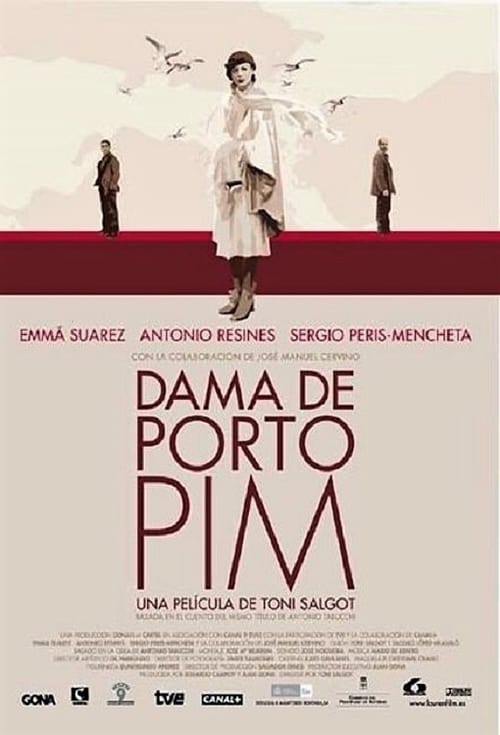
Dama de Porto Pim
8.0

"Dama de Porto Pim" tells the story of a rich woman who arrives at a little Portuguese island while her husband is in the II World War; there, a humble fisherman, promised to marry a girl of the town, falls in love with her, and she will also fall in love with him, but his husband could come back.

Dama de Porto Pim

2001
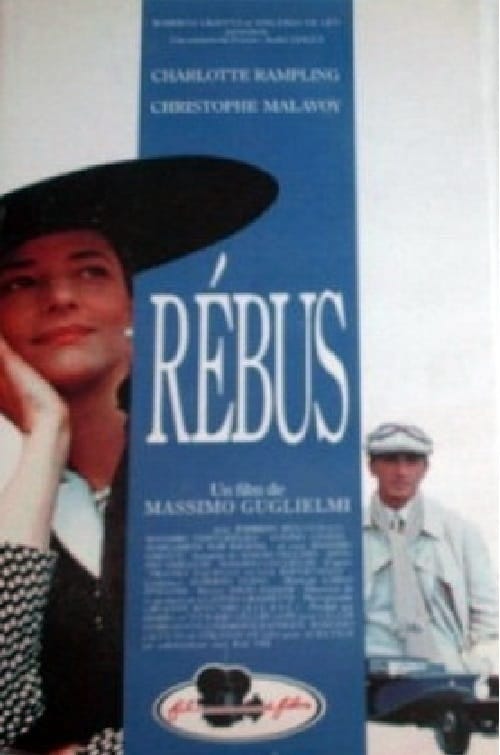
Affairs
3.5

What is the shady affair in which the woman is involved, and what is her role? Is or isn't the man a marquis? Who is the young man played by Fabrizio Bentivoglio, and why does he own that car? Does Basque nationalism have to do anything with the story? Everybody has something to hide, everybody seems guilty.

Affairs

1989
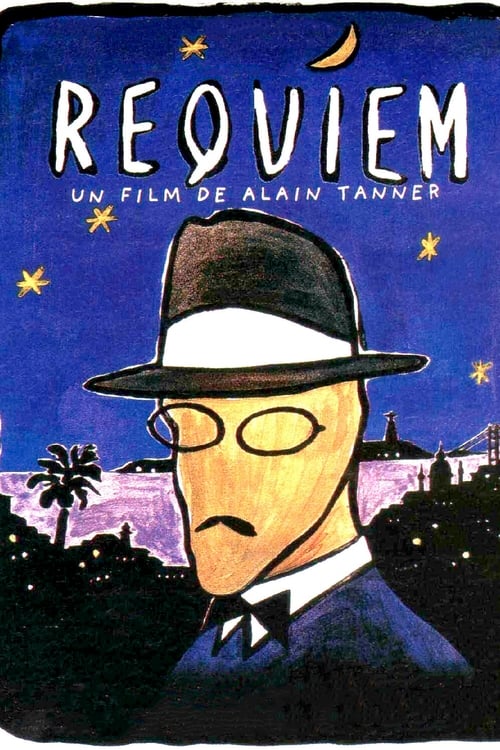
Requiem
7.8

In Lisbon, French author Paul meets various people from his past who uncover forgotten memories.

Requiem

1998
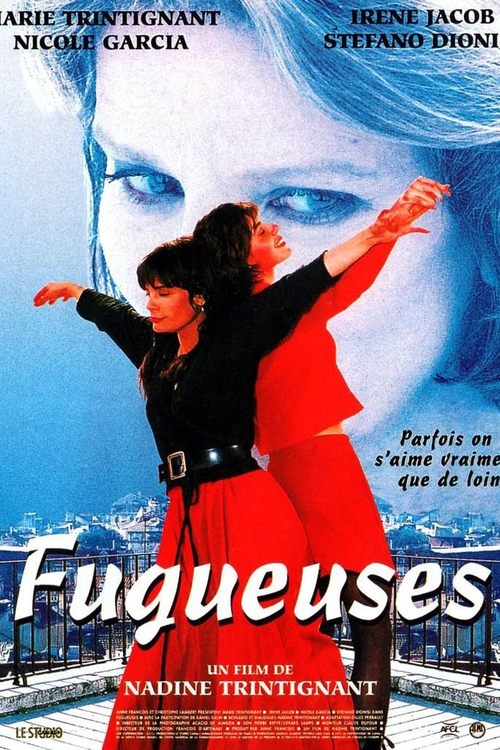
Runaways
6.5

On the Paris-Lisbon train, Marina has just accidentally killed her ‘friend’ Bruno during an argument. Rushing down the aisle, she meets Prune, who is looking for her father. The two young women hit it off and arrive in Lisbon...

Runaways

1995
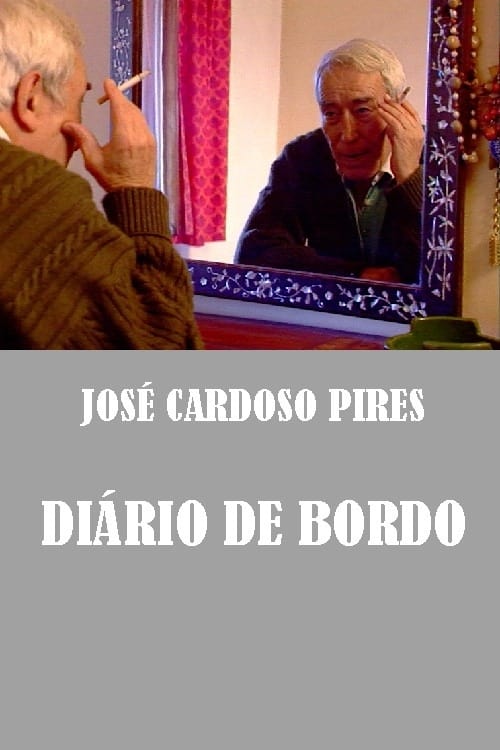
José Cardoso Pires - Diário de Bordo
8.0

A documentary about the life and work of José Cardoso Pires. The information was gathered through a series of interviews made by the journalist Clara Ferreira Alves during autumn and winter of 1997 and also by people who were close to him.

José Cardoso Pires - Diário de Bordo

1998
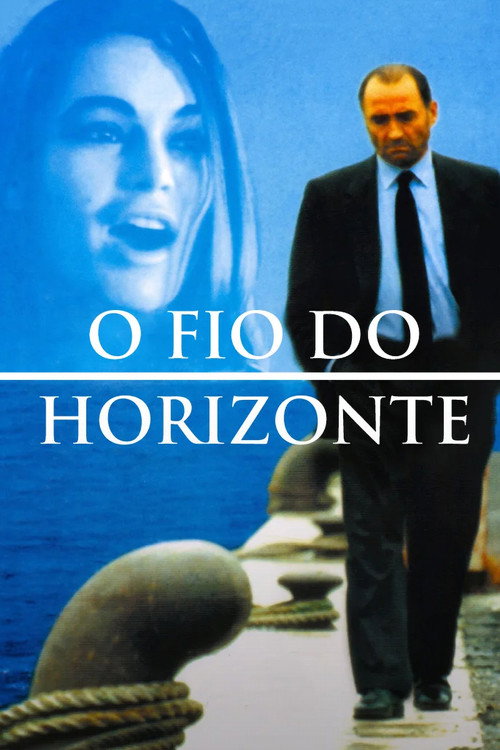
On the Edge of the Horizon
5.6

Spino, a pathologist, receives an unidentified body which looks familiar to him... himself, 30 years younger.

On the Edge of the Horizon

1993
No image
6.0

No description available.

Cinema

1989
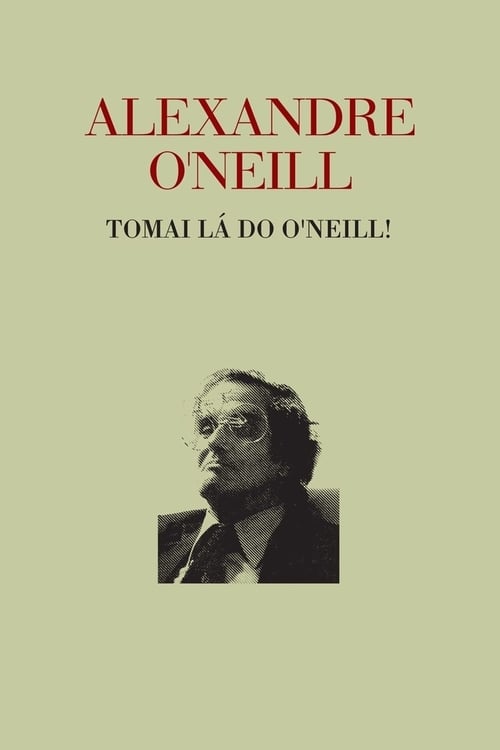
Alexandre O’Neill - Tomai lá do O’Neill
N/A

A personal tribute to the poet Alexandre O'Neill by his dear friend Fernando Lopes.

Alexandre O’Neill - Tomai lá do O’Neill

2004