Elizaveta Svilova
Directing
Biography
Yelizaveta Ignatevna Svilova (Russian: Елизаве́та Игна́тьевна Сви́лова, rendered in Latin as Elizaveta Svilova) (5 September 1900, Moscow – 11 November 1975, Moscow) was a Russian filmmaker and film editor. She is perhaps best known for making films with her husband Dziga Vertov and her brother-in-law Mikhail Kaufman. She is also known for her documentaries about World War II and for appearing in and editing Man with a Movie Camera (1929).
Known For

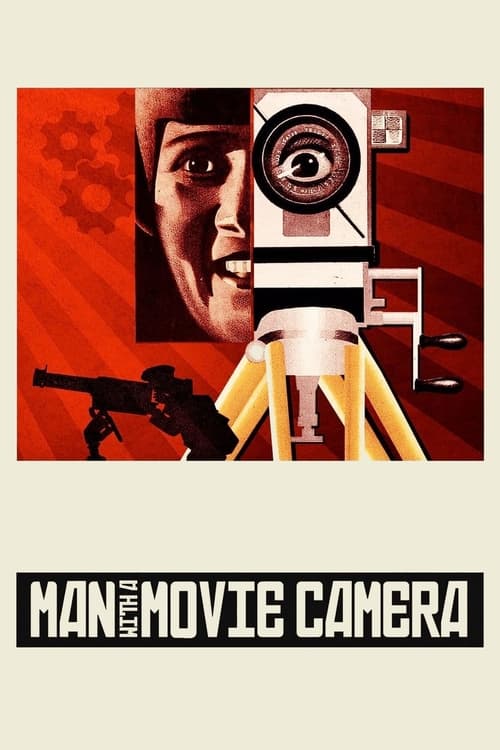
A cameraman wanders around with a camera slung over his shoulder, documenting urban life with dazzling inventiveness.
Man with a Movie Camera

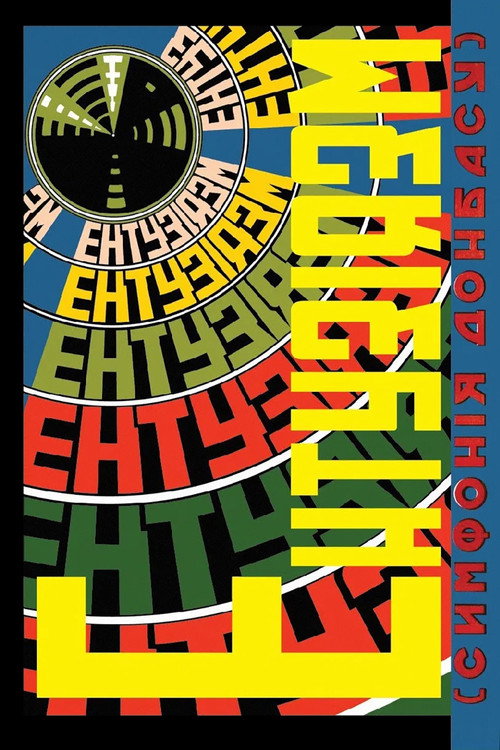
An audiovisual symphony that delves into the industrial, agrarian, and cultural fabric of the Donbas region during the inaugural Soviet Five Year Plan. It spotlights anti-religious campaigns, propagandistic marches, and the vibrant athletic culture of its time
Enthusiasm. Symphony of Donbas

Popular neighborhoods that are open-air prisons. Where beauty flirts with violence. The kingdom of the insubordinate children, veterans of the lead. A garden of amputated flowers, which with crutches on their backs, still grow and dance.
Lluvia de jaulas

March 9th, 1953. A gray, sad day. Clouds float low over the Kremlin towers. A city that unrecognizably grew, prettier and matured - this Moscow froze in solemn grief. The country escorts its father and leader, Joseph Stalin.
Velikoye proshchaniye

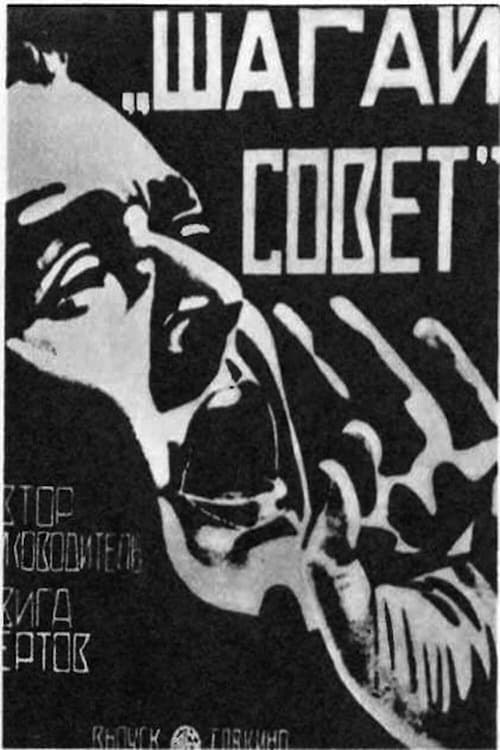
Commissioned by the Moscow Soviet as a documentary and information film for the citizens of Moscow prior to municipal elections, film is a tableau of Soviet life and achievements in the period of reconstruction following the Civil War of 1917-1921.
Stride, Soviet!

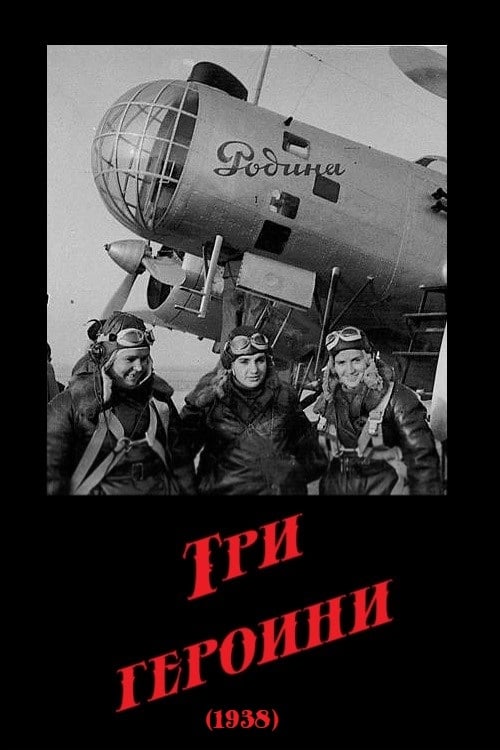
Follows the legendary female pilots Raskova, Osipenko, and Grisodubova in their failed but magnificent attempt to make the first nonstop trans-Siberian flight. Using documentary reenactments, Vertov depicts the flight, the crash, the rescue, and the women’s heroic return to Moscow, where crowds shower them with flowers, and leaders with speeches.
Three Heroines

This riveting Russian documentary takes you inside the trials of the notorious German war criminals, brought to trial to account for their actions. The footage includes excerpts from the trials of many of the senior Nazis including Goebels and Goring.
Nuremberg Trials

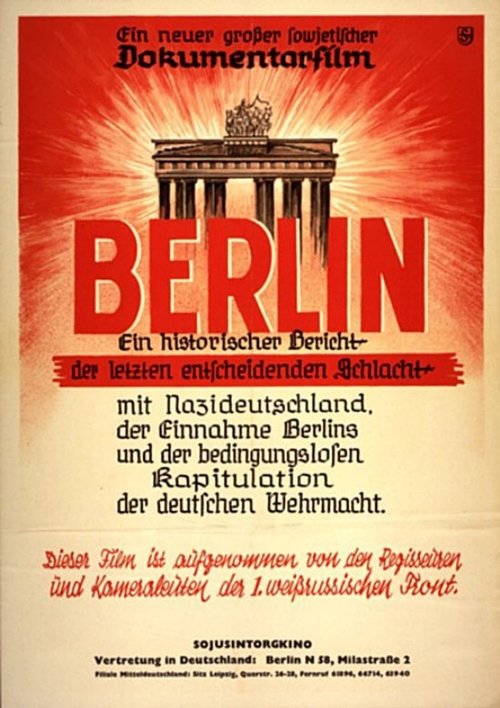
A Soviet documentary chronicling the final assault on Nazi Germany’s capital. More than forty frontline cameramen from the 1st Belorussian and 1st Ukrainian Fronts captured the battle and its aftermath, supplemented with seized German footage. The film records the destruction of Berlin and the symbolic collapse of Hitler’s regime, standing as both a historical chronicle and a work of Soviet wartime cinema.
The Fall of Berlin

This documentary, made up of 3 episodes, is based on three songs sung by anonymous people in Soviet Russia about Vladimir Ilyich Lenin.
Three Songs About Lenin

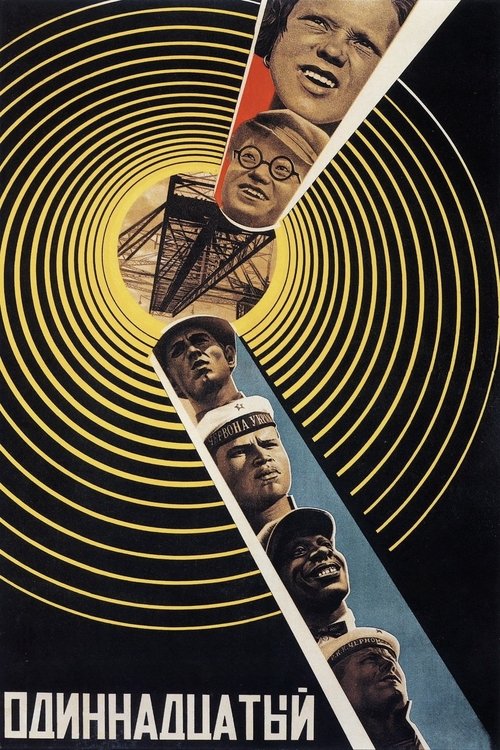
The film is dedicated to the achievements of the Ukrainian SSR for the eleventh anniversary of the October Revolution.
The Eleventh Year

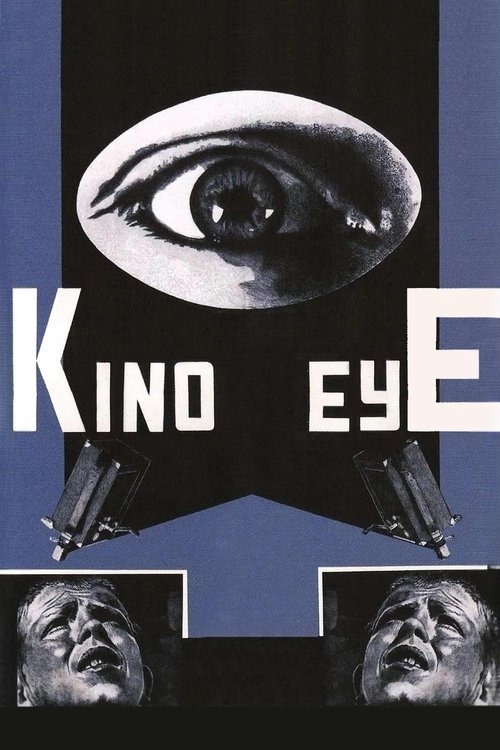
This documentary promoting the joys of life in a Soviet village centers on the activities of the Young Pioneers. These children are constantly busy, pasting propaganda posters on walls, distributing hand bills, exhorting all to "buy from the cooperative" as opposed to the Public Sector, promoting temperance, and helping poor widows. Experimental portions of the film, projected in reverse, feature the un-slaughtering of a bull and the un-baking of bread.
Kino Eye

In the early years of cinema, editors were usually women. This short documentary looks at how they wielded power, and how their work was made invisible.
After the Facts

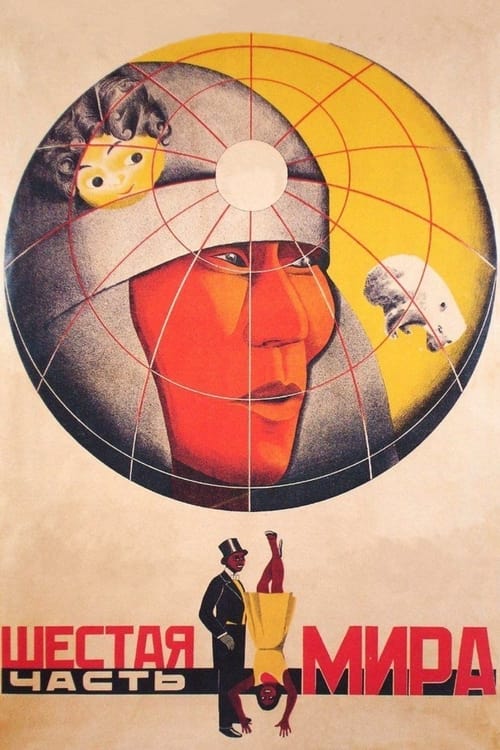
Through the travelogue format, it depicts the multitude of Soviet peoples in remote areas of USSR and details the entirety of the wealth of the Soviet land. Focusing on cultural and economic diversity, the film is in fact a call for unification in order to build a "complete socialist society".
A Sixth Part of the World

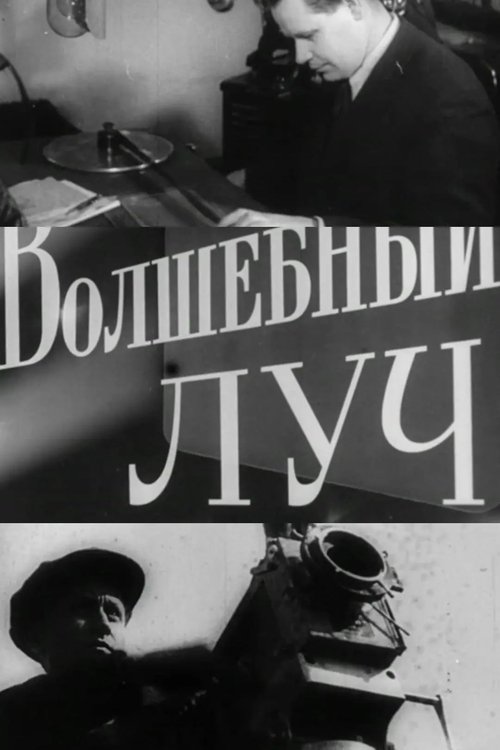
“The Magic Beam” is a film essay woven together from newsreels and documentary material from different decades, fragments of hundreds of non-fiction and fiction Soviet films of the 1910s-1960s.
The Magic Beam

Soviet documentary shot right after liberation of Auschwitz. It was used as evidence by the Soviet prosecution at the Nuremberg trials. In 2014, footage shot by cameraman Aleksandr Vorontsov, as well as his interview given in 1986 for German television, were included in Andre Singer’s documentary “Night Will Fall”.
Auschwitz

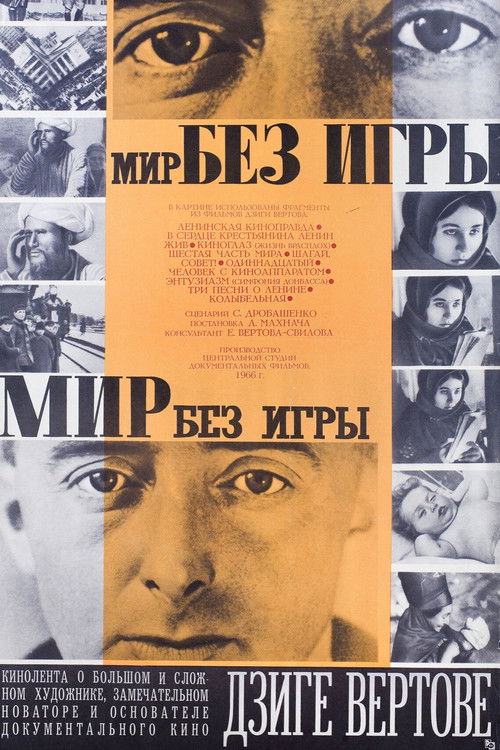
Documentary portrait of Dziga Vertov, father of documentary cinema.
World Without a Game

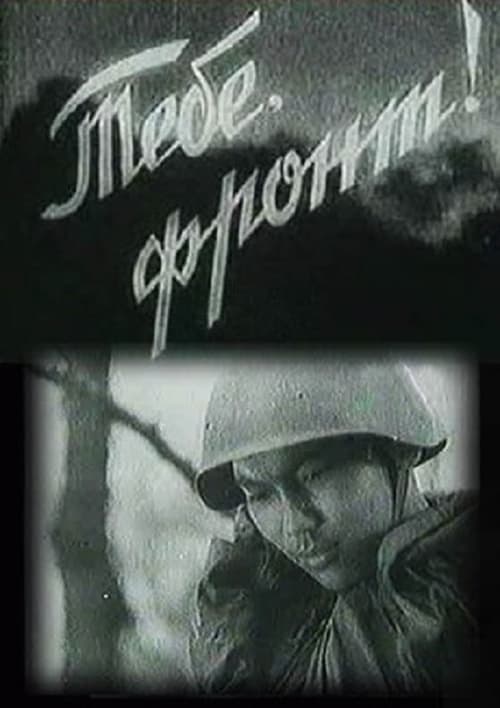
From the start, Vertov made himself known as an irreconcilable enemy of “acted films,” which he regarded as a violation of truth. At the peak of World War II, however, such lofty artistic principles proved impractical. Vertov’s poetic and patriotic For You, Front! is a fiction film with a script and two actors. In a letter to her fiancé, a soldier on the front, Saule asks if there is anything he needs from “our beloved Kazakhstan.” Yes there is, he replies: lead, which can be used to make bullets to kill the enemies of “our beloved country.”
For You at the Front!

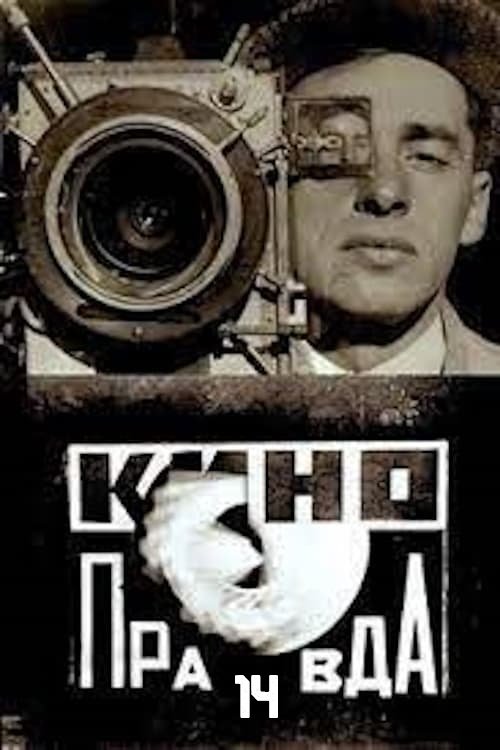
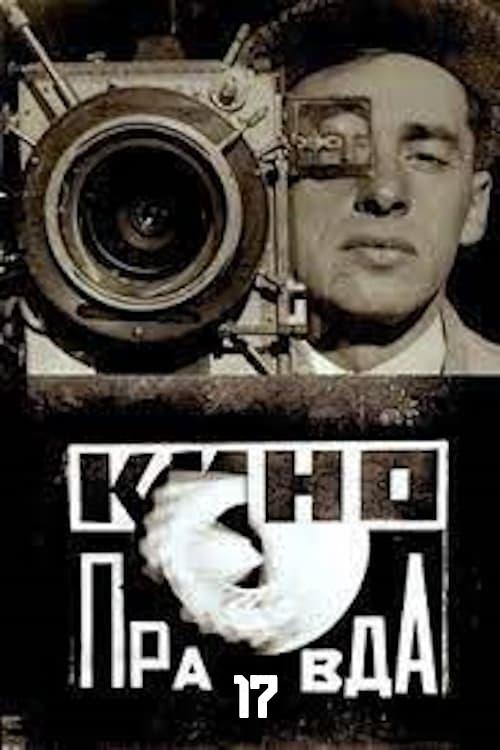
Dziga Vertov-directed Soviet newsreel covering: IV. Congress of the Comintern / Congress of the Profintern.
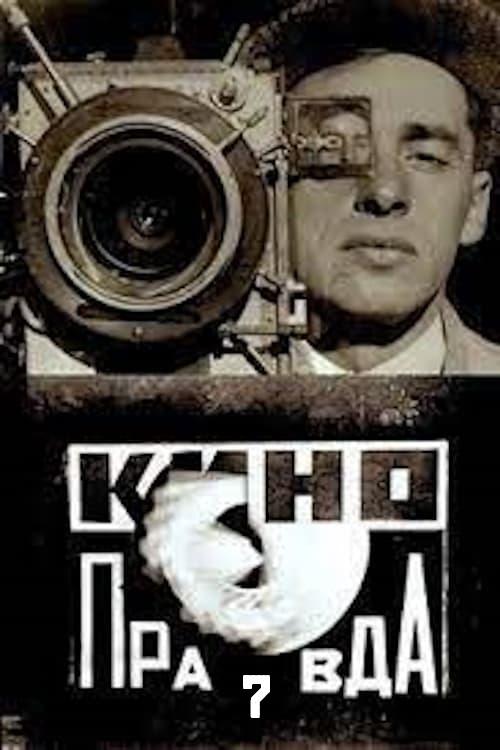
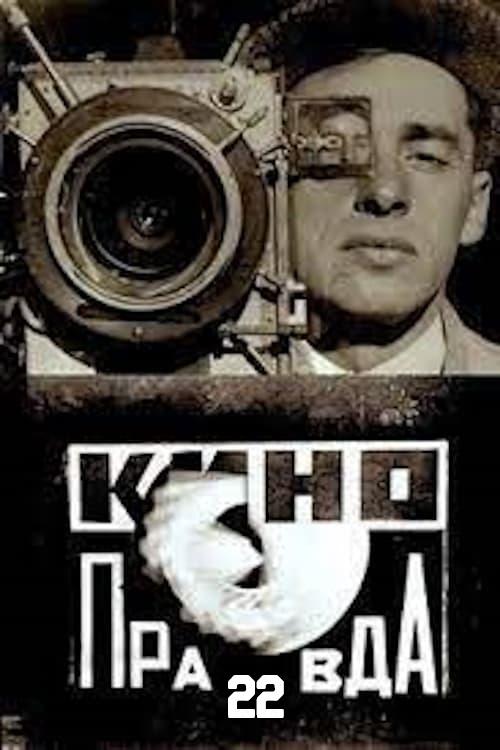
Kino-Pravda No. 14
The film is about the life and work of Grigory Ordzhonikidze Konstantinoviche, an important personality in both the Communist Party and the Soviet state. The film includes speeches by his bereaved friends who attended his funeral. In 1937, after the unexpected death of Sergo Ordzhonikidze, Vertov received an urgent order from the government to produce a film about the life of Ordzhonikidze. He was ordered to work together with Yakov Bliohom and the director of the film "Battleship Potemkin" distributed by Goskino (Soviet State Committee for Cinematography).
In Memory of Sergo Ordzhonikidze

Dziga Vertov-directed Soviet newsreel covering: First anniversary of Lenin's death / Smycka of the city and the village: group of peasants visit Moscow / Lenin's effect on peasants and oppressed nations