FEEL IT.STREAM
?

Andrew Marshall

Writing

Biography

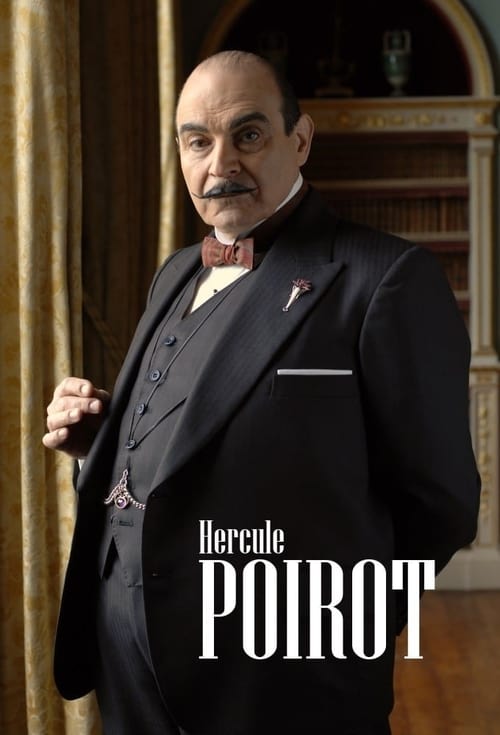
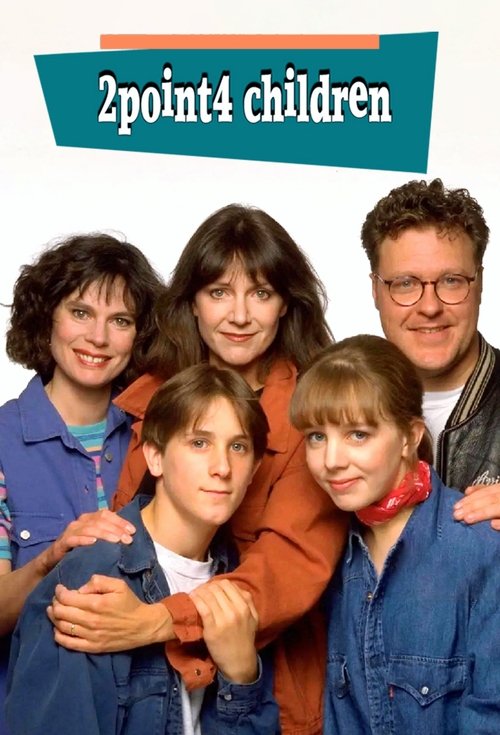
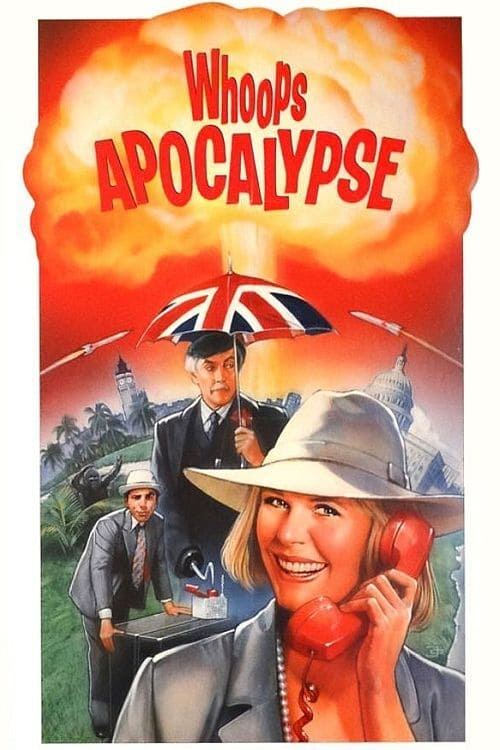
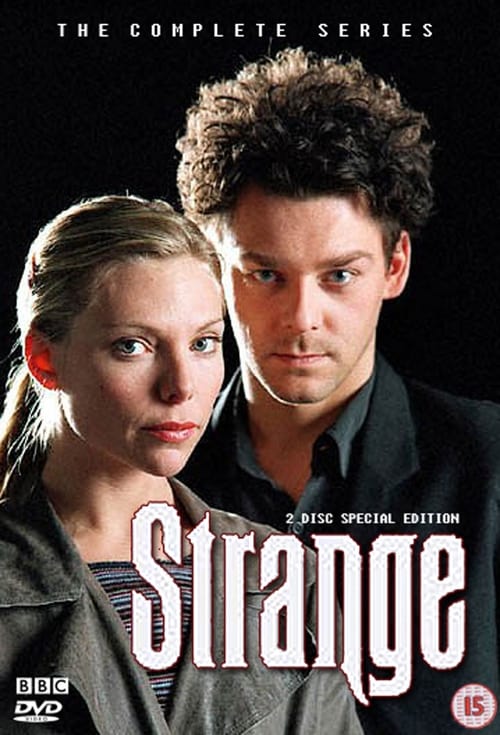
Andrew Paul Marshall (born 27 August 1954) is a British comedy screenwriter, most noted for the domestic sitcom 2point4 children. He was also the inspiration for Marvin the Paranoid Android in The Hitchhiker's Guide to the Galaxy. Although he had also previously adapted stories for Agatha Christie's Poirot, in 2002 he made a further move into writing "straight" drama, with the fantasy horror series Strange. He has also written several screenplays. Born in Lowestoft, Marshall attended Fen Park School and then Lowestoft Grammar School, and afterwards Borough Road College where he studied mathematics and psychology. Around the same time, he worked regularly on Radio 4's Week Ending, together with David Renwick, Douglas Adams, Alistair Beaton, John Lloyd, Simon Brett and others. Shortly afterwards he began writing The Burkiss Way with David Renwick and John Mason (who later dropped out to go to acting school). Renwick and Marshall remained scriptwriting partners for many years. Brought by Humphrey Barclay to London Weekend Television, originally to repeat his 'nursery slopes comedy' Do Not Adjust Your Set with End of Part One, Marshall and Renwick went on to write a series of television satires, including Whoops Apocalypse, Hot Metal and If You See God, Tell Him — the latter originally for Channel 4, but postponed for several years when the channel refused to let them direct it, and finally ending up at the BBC later. They also experimented with a type of neo-Vaudeville style in The Steam Video Company for Thames Television, ultimately ending up at the BBC, writing, with Alexei Sayle, Alexei Sayle's Stuff. Along the way they also wrote the screenplay for a film version of Whoops Apocalypse and adapted Tom Sharpe's novel Wilt for a film of the same title. After a tentative and unsuccessful attempt at solo writing with Sob Sisters at Central Television, Marshall found long-lasting success BBC One's 2point4 children, adding to it Health and Efficiency and later, Dad. He also found time to adapt Alexei Sayle's short story "Lose Weight, Ask Me How" for the series Spinechillers, in which Sayle also starred. Having also contributed to Agatha Christie's Poirot on ITV, he next wrote drama with the telefantasy series Strange for Saturday nights on BBC One. However, due to scheduling issues, a one-year gap between the pilot episode and the series and the BBC's decision not to repeat the pilot before the series began, the series failed to find a large audience in its Saturday night slot and was not recommissioned for a second run. For many years Marshall avoided publicity of any kind, explaining that "it's very bad for you" and cited his major influences as "Alfred Hitchcock and Walt Disney... which explains a lot." In 2005, he had a small cameo appearance on-screen in an episode of David Renwick's comedy-drama Love Soup on BBC One, alongside Renwick himself, as members of a sitcom script-writing team. He also appeared as a member of the critics panel on several editions of BBC 7's "Serious About Comedy" in 2006–7. He later began a new collaboration with Rob Grant, producing directing and writing the Radio 4 Series "The Quanderhorn Xperimentations" - and also the novel version published by Gollancz. He and Rob Grant launched a Radio 4 sketch Series "The Nether Regions" as writer/performers in October 2019.

Known For

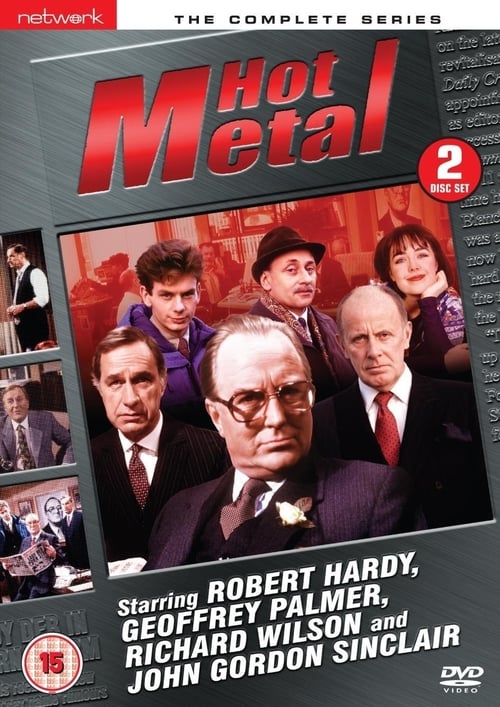
Hot Metal
5.4

Hot metal is a London Weekend Television sitcom about the British Newspaper industry broadcast between 1986 and 1988. The daily crucible, the dullest newspaper in Fleet Street, is suddenly taken over by media magnate Terence "Twiggy" Rathbone. Its editor Harry Stringer is 'promoted' to managing editor, and is replaced in his old job by Russell Spam. Spam then takes the paper shooting downmarket and turns the crucible into a sensation seeking scandal rag, very much in the style of the British tabloids of the 1980s. He is helped along by his ace gutter journalist, Greg Kettle, who intimidates his tabloid victims by claiming to be "a representative of Her Majesty's press" and produces stories such as accusing a vicar of being a werewolf. Throughout the first series, a running plot involved cub reporter Bill Tytla gradually uncovering an actual newsworthy story that went to the very heart of government. Written by David Renwick and Andrew Marshall, it is very much a continuation in style from their previous sitcom Whoops Apocalypse!. It was produced by Humphrey Barclay.

Hot Metal

1986Series
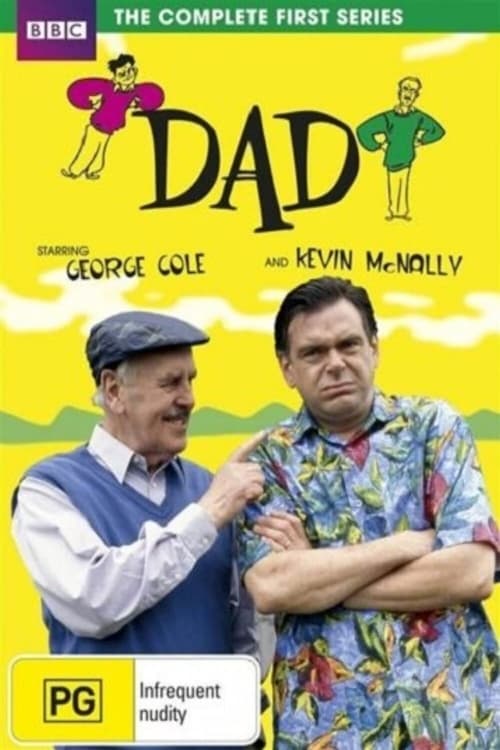
Dad
7.0

Dad is a BBC1 sitcom that ran for 13 episodes over two series and a Christmas special. Described by the BBC as a 'generation-gap comedy', it starred George Cole as Brian Hook, Kevin McNally as his son Alan Hook, and Toby Ross-Bryant as his son Vincent Hook and Julia Hills as his wife Beryl Hook. Written by Andrew Marshall, the title of each episode was a pun on the word 'Dad'. Most of the episodes involved Alan Hook getting frustrated by situations brought upon him by his father and son. For example, in 'Dadmestic', Vincent's mother allows him to host a house party, leaving Alan with no alternative but to spend the evening at his father's house. In the episode 'Habadadery', Brian comes down with a bout of illness, meaning that Alan has to look after him. Brian then takes Alan to 'Mr Nigel's shop', where Alan's middle-aged style crisis goes from bad to worse as he purchases an extremely bold Hawaiian shirt. The theme tune for the first series was the 1965 hit 'Tijuana Taxi' performed by Herb Alpert & the Tijuana Brass. For the second series this was replaced with the song 'Go Daddy-O' by Californian swing revival band Big Bad Voodoo Daddy.

Dad

1997Series
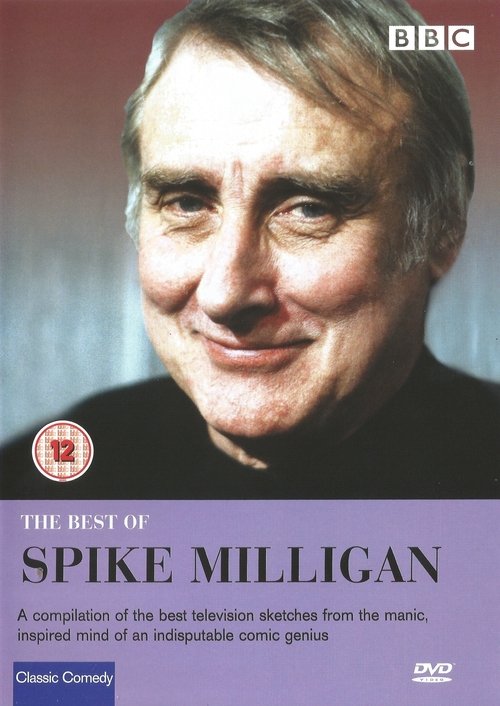
The Best of Spike Milligan

Widely regarded as the greatest post-war British comedian, Spike Milligan transitioned from the groundbreaking radio comedy The Goons to television without losing any of his anarchic, surreal humor. His series Q (1968–1980) and There’s A Lot Of It About (1982) shattered comedy conventions with sketch after sketch of absurd brilliance. This compilation features classic moments like The Eurovision Joke Contest, Spike as a singing Viking maiden, and insects auditioning for a David Attenborough documentary. Interwoven with these are unique interstitials featuring Bruce Hammal at Milligan’s home—but in true Spike fashion, the interviews become sketches themselves, complete with his long-suffering comedy butler, Piles. This release is a slightly re-edited, repackaged version of the 1995 BBC VHS Spike Milligan: One Man and His Ideas.

The Best of Spike Milligan

2004Movie