Menelik Shabazz
Directing
Biography
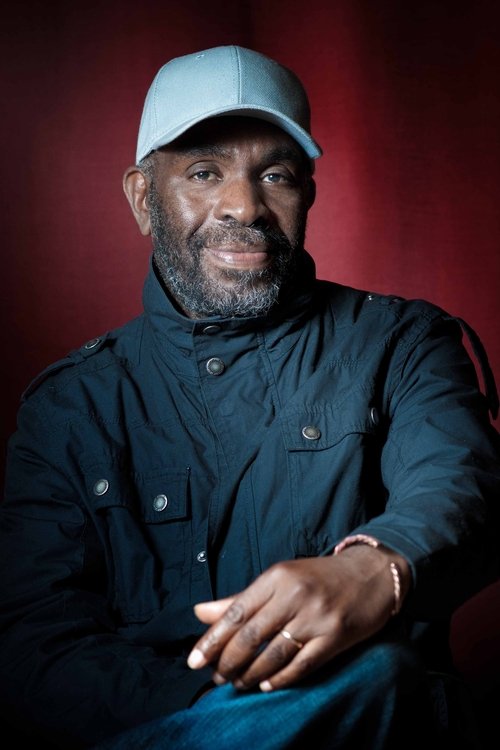
Menelik Shabazz was a Barbados-born British film director, producer, educator, and writer, acknowledged as a pioneer in the development of independent Black British cinema, having been at the forefront of contemporary British filmmaking for more than 30 years.
Known For

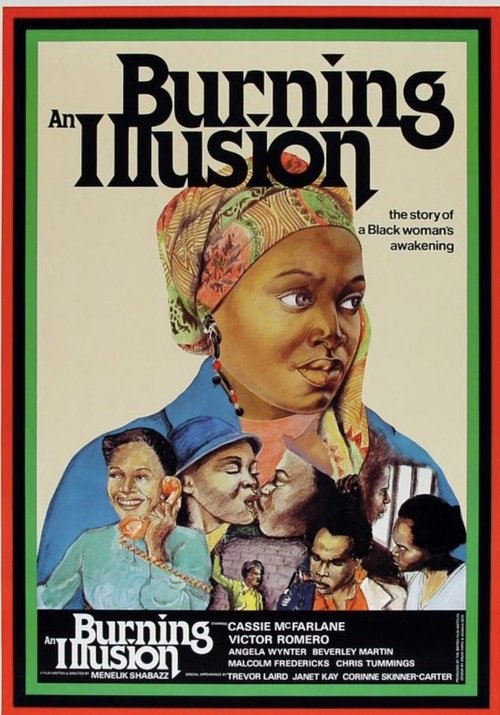
A young black woman in England becomes increasingly frustrated with her life with her lazy, demanding boyfriend, and with the help of friends seeks something better.
Burning an Illusion

In the 70s and 80s Britain was rife with racial tension and police harassment particularly against black British youths. These youths were the rebel generation who were also searching for an identity. They created a music - a sub genre of reggae known as Lovers Rock. This music became a global brand through artists like UB40 and Maxi Priest. The music brought a level of intimacy between young people that was unique. It was also 'girl power' music that empowered a generation of young women. Through comedy, live performance, dance, interviews and archive the film takes you back to an untold era of British cultural, music and political history.
The Story of Lovers Rock

The use of an old Victorian law of ‘being a suspicious person’ commonly known as ‘sus’ was used against young black peoplein the mid 70’s in the UK. Interviews include Rudy Narrayan, Stuart Hall and Paul Boeteng. Breaking Point is the first documentary directed by a black director for mainstream British Television.
Breaking Point – The Sus Law Controversy

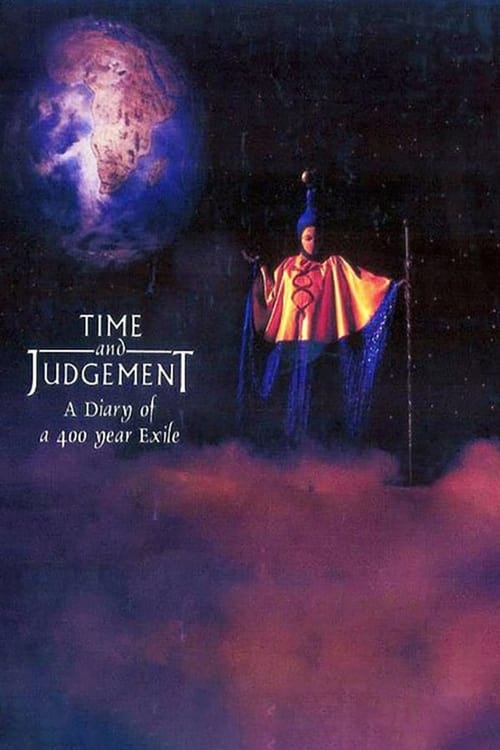
Time and Judgement is a sci-fi/documentary that combines biblical prophecy with events across the African diaspora between 1980 and 1987. Archive footage includes Haile Selassie, Bob Marley, Kwame Nkrumah, Maurice Bishop, Walter Rodney, Kwame Toure, Bernie Grant.
Time and Judgement: A Diary of a 400 Year Exile

Featuring footage spanning from 1901 to 1985, this little-seen footage has been found from all across the UK. This programme allows an exploration into stories of migration, community and also the struggle against inequality, while also providing the opportunity to celebrate black British culture and life on screen. Films in the programme include: Miners Leaving Pendlebury Colliery (1901), Hull Fair (1902), For the Wounded (1915), From Trinidad to Serve the Empire (1916), Hello! West Indies (1943), Mining Review 2nd Year No. 11 (1949), To the Four Corners (1957), Black Special Constable (1964), Black Police Officers (1966), Cold Railway Workers (1964), Nigerian Wedding in Cornwall (1964), Coloured School Leavers (1965), London Line No. 373 (1971), African Student Families (1975), Liverpool 8 (1972), Blood Ah Go Run (1982), The Jah People (1981) and Grove Carnival (1981)
Britain on Film: Black Britain
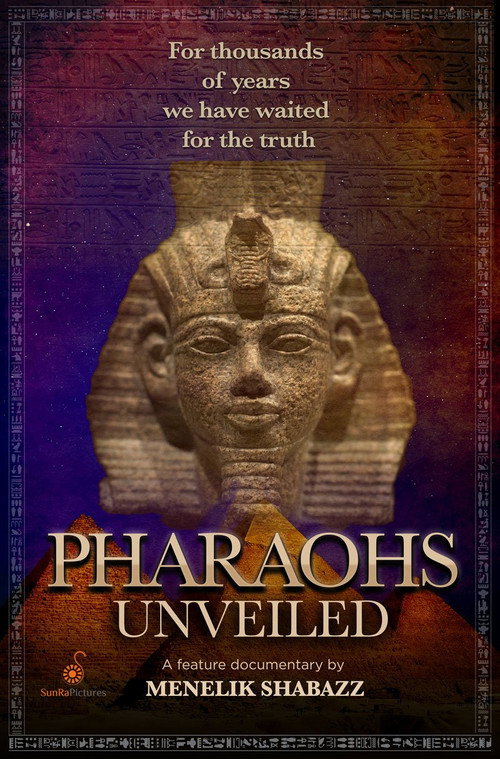
This feature documentary provides fresh, new perspectives on the world of the ancient pharaohs of Egypt/Kemet. The film combines historical and contemporary insights drawing on interviews with experts in history, spirituality and channeling. The film presents a different view than that presented by western Egyptologists and historians.
Pharaohs Unveiled

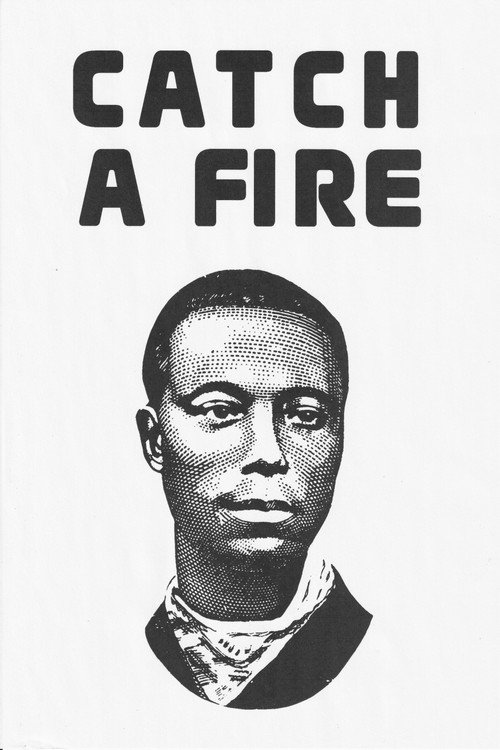
This award winning drama/doc tells the story of Paul Bogle, leader of the Morant Bay Rebellion 1865. This rebellion had a major impact on attitudes to race and empire in Victorian Britain, still present today.
Catch a Fire

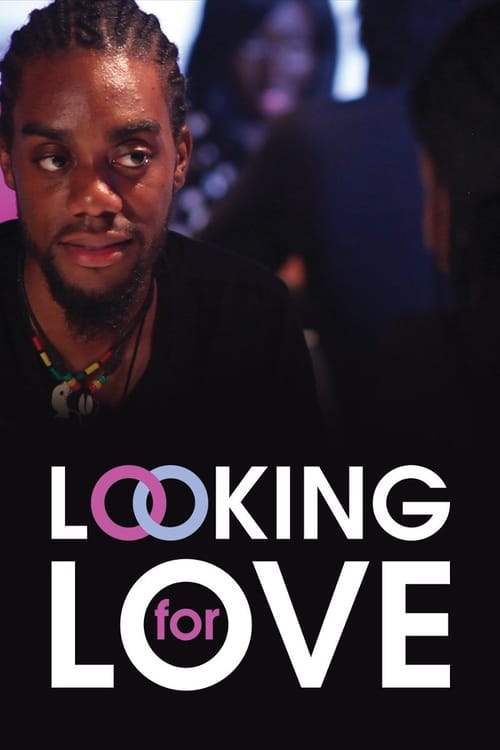
Despite modern advances in communication technology, many people face loneliness and depression. This immersive documentary explores online dating in the UK's black community.
Looking for Love

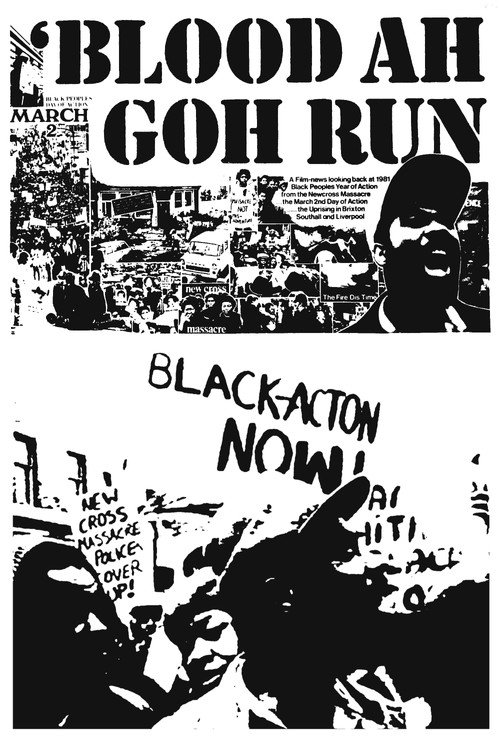
Short 'newsfilm' looking back at the events of 1981, beginning with the killing of 13 young blacks in New Cross, London. The film goes on to show the anger this aroused among black people, and their march in demonstration - `The Black People's Day of Action'. Also covers the Brixton riots.
Blood Ah Go Run

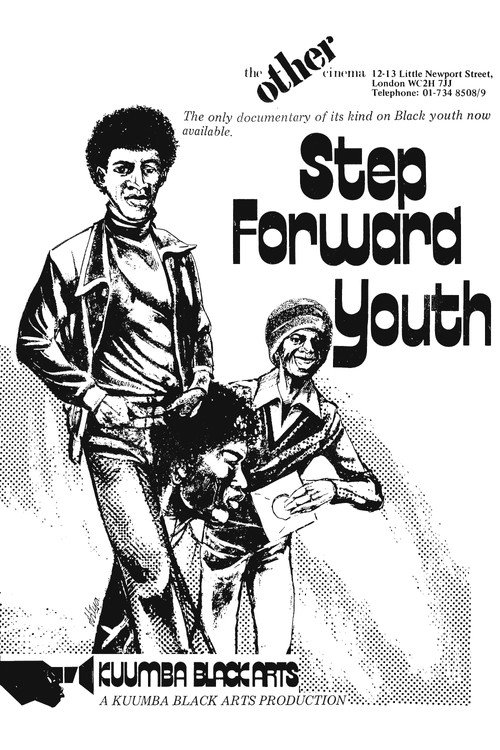
Rare archive footage of British born young people in the mid 70s, discussing issues of school, police, parents and what it is like to be black in a white world.
Step Forward Youth

In 1985, three major uprisings rocked Britain, in Brixton, Handsworth and Tottenham. The most explosive was the latter, on the Broadwater Farm housing estate, which resulted in the death of PC Keith Blakelock as well as in hundreds of arrests and a number of prison sentences. The uprisings in both Brixton and Tottenham were sparked by police shootings of innocent black mothers. The People's Accoung was shot during and after the Tottenham uprising. Made by the Ceddo Film and Video Workshop, it was commissioned by Channel 4, but was never shown as the broadcaster objected to its accusations of police racism.
The Peoples Account
Shabazz's portrait of artist Ken McCalla who worked on Time and Judgement.