Acting
Os Trapalhões was a Brazilian comedy group and also a Brazilian television series created by Wilton Franco. Its members were Dedé Santana, Zacarias, Mussum and their leader Didi Mocó, that was played by Renato Aragão. The name Trapalhões is derived from the Portuguese verb atrapalhar, which means the opposite of helping, to do something the wrong way or to Those that confuse. The name is translated "Tramps" in English DVD subtitles. It was aired by Rede Globo from 1977 to 1999. On March 18, 1990, Zacarias died due to respiratory failure, but the group and the series didn't come to an end until July 29, 1994, when Mussum died due to an unsuccessful heart transplant.
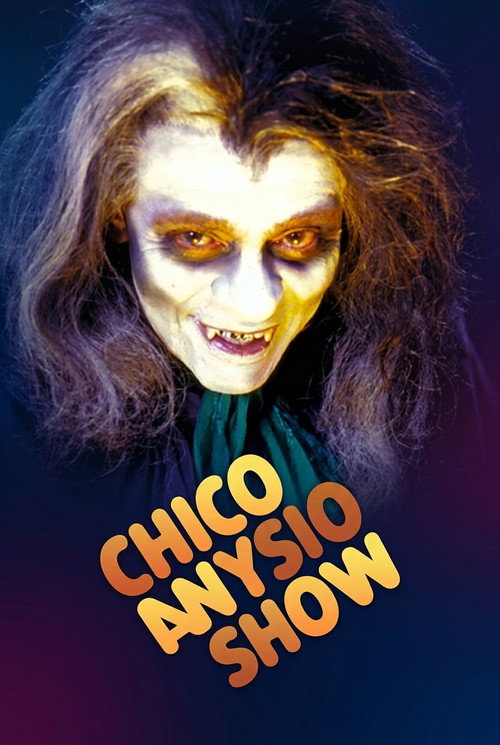
No description available.
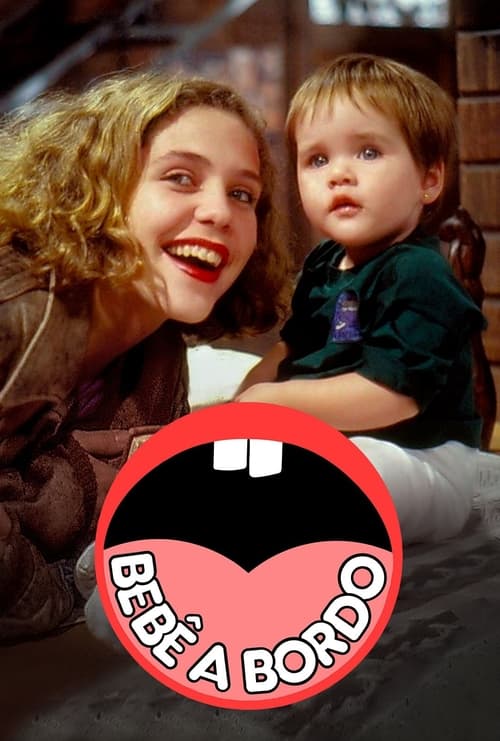
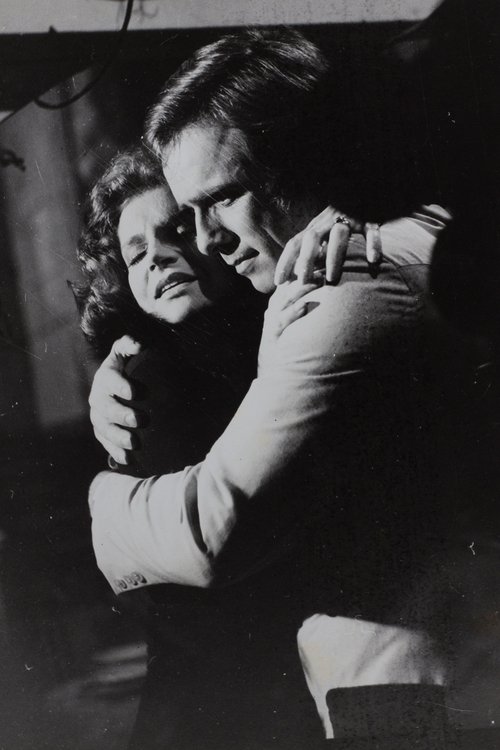
In an action-packed plot set in São Paulo, Ana gives birth to a child in Tonico's car, but abandons the baby to escape the police after becoming involved in a robbery.
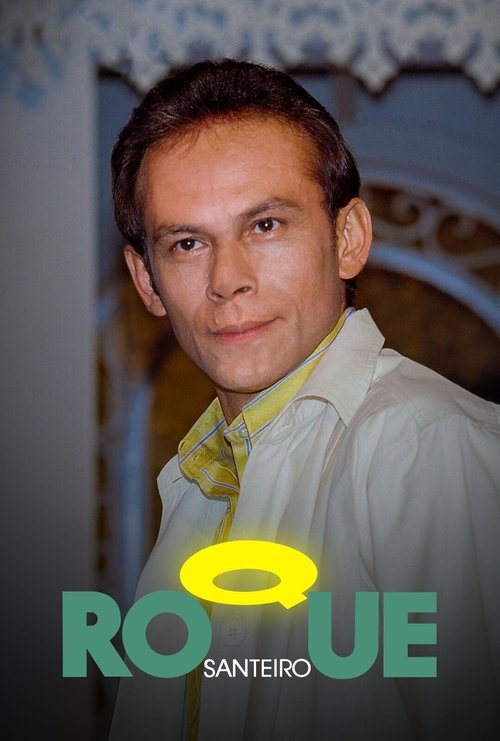
In the tiny poor town of Asa Branca, in the middle of Brazilian Northeast, Roque Santeiro is worshiped as a saint. He was supposedly killed by a bandit, 18 years ago, trying to save the local church. After his disappearance, local leaderships such as landowner Sinhozinho Malta and mayor Florindo, took profit on that to control the humble population. They even make up a widow, Porcina, who should have married Roque secretly before his death. What they don't expect is that Roque is alive, and he's back to, allegedly, "save his people". Now Malta, Florindo, Porcina, and others must hold him down and explain the "truth" to their commoners, in a desperate attempt to save their own bottoms. Meanwhile, mysterious facts surround Asa Branca, such as a Werewolf, a film crew who are trying to shoot a movie about Roque's story, and violent murderers.
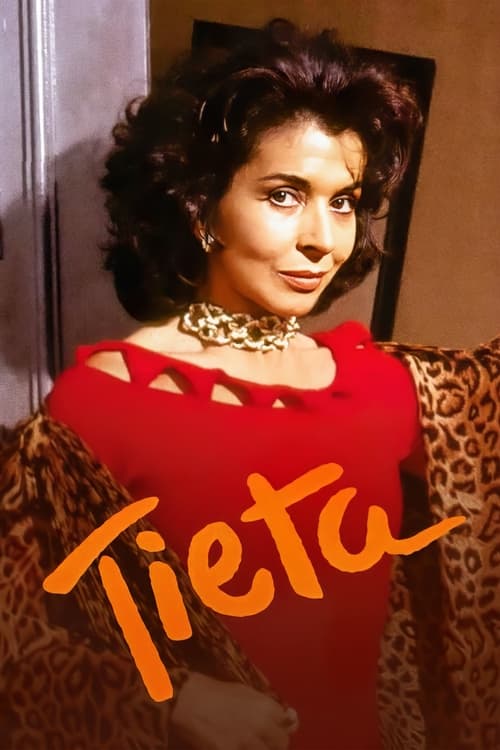
Inspired on Jorge Amado's romance "Tieta do Agreste", the plot is set on the fictional city of Santana do Agreste, at Brazil's northwest, and has as main theme Tieta's life turnarounds. Twenty-five years after being chased out of town by her father Zé Esteves, she returns to her home town seeking revenge against everyone who mistreated her and laugh at her face in the past.
To get revenge on her ex-fiancé Murilo Pontes, Pilar marries his rival, Jerônimo Batista. 25 years later, Pilar and Murilo deal with the passion between their children, Marina and Leonardo.
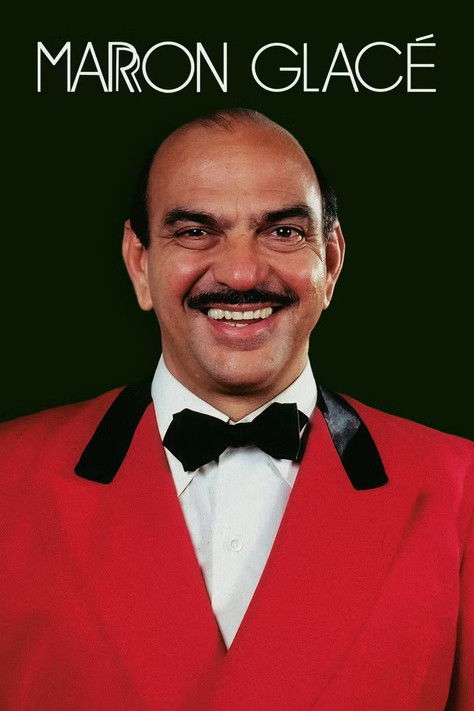
To avenge his father's death, Otávio wants to take over a party catering business called "Marron Glacé," but ends up falling in love with Vanessa, the daughter of the current owner.
The famous psychologist Teca falls in love with the widower Renato, father of one of her patients. The romance awakens the jealousy of Stela, who harbors an unhealthy passion for Renato, her brother-in-law.
A widower who was anything but traditional for the 1950s, Álvaro has a frank relationship with his daughters and becomes the target of criticism from his sister-in-law Fausta, especially when he meets Marta.