Zola Maseko
Directing
Known For

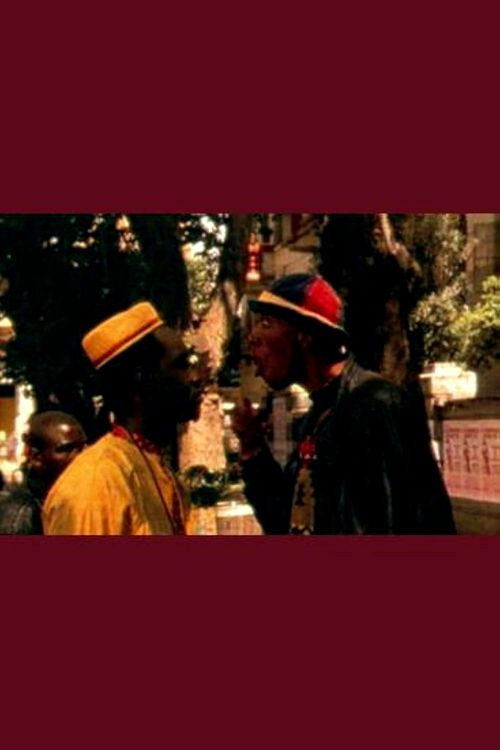
A hot-shot journalist is swept up in a movement to challenge Apartheid in 1950s South Africa.
Drum

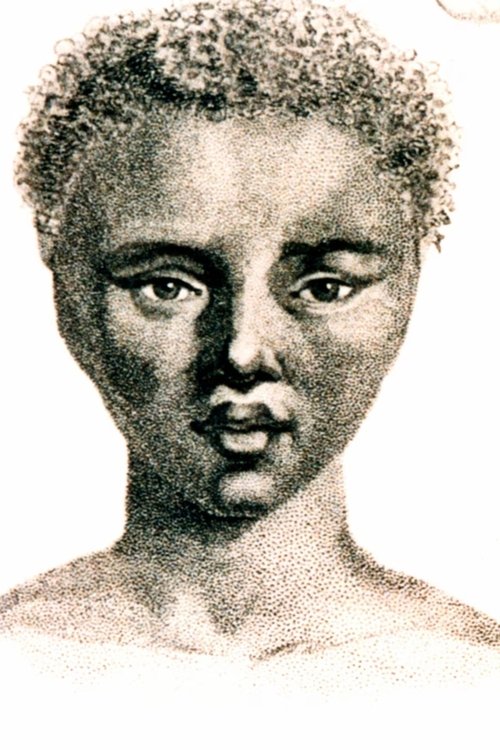
In 1810, 20 year old Sara Baartman got on a boat from Cape Town to London, unaware that she would never see her home again, or that she would become the icon of racial inferiority and black female sexuality for the next 100 years. Four years later, she became the object of scientific research that formed the bedrock of European ideas about BFS. She died the next year, but even after her death, Sara remained an object of imperialist scientific investigation. In the name of Science, her sexual organs and brain were preserved and displayed in the Musee de l'Homme in Paris until as recently as 1985. Using historical drawings, cartoons, legal documents, and interviews with noted cultural historians and anthropologists, this documentary deconstructs the social, political, scientific, and philosophical assumptions that transformed one young woman into a representation of savage sexuality and racial inferiority.
The Life and Times of Sara Baartman

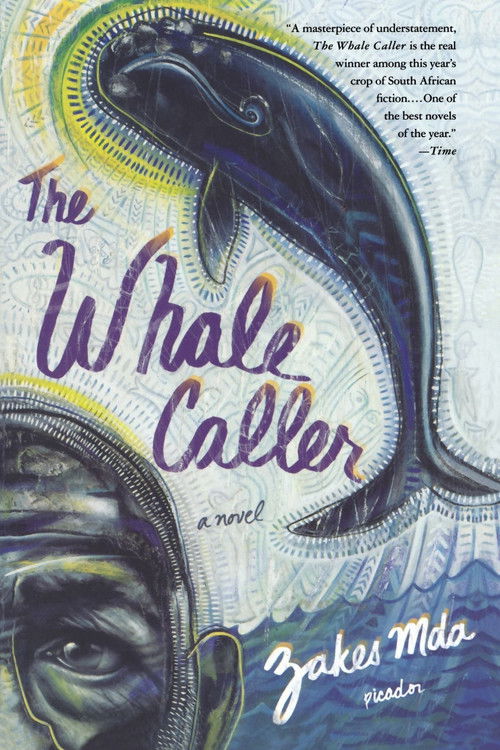
A kelp-horn-blowing man seems to be deeply drawn to a very particular whale. This is the story of a love triangle between the titular Whale Caller, his beloved whale Sharisha, and Saluni, the village drunk who teaches him to open his heart to people again.
The Whale Caller
Continues the story of Sara Baartman, tackling difficult issues of artifact and human remains repatriation and the rights of indigenous people and offering some closure on a tragic episode of racism and imperialism.
The Return of Sara Baartman

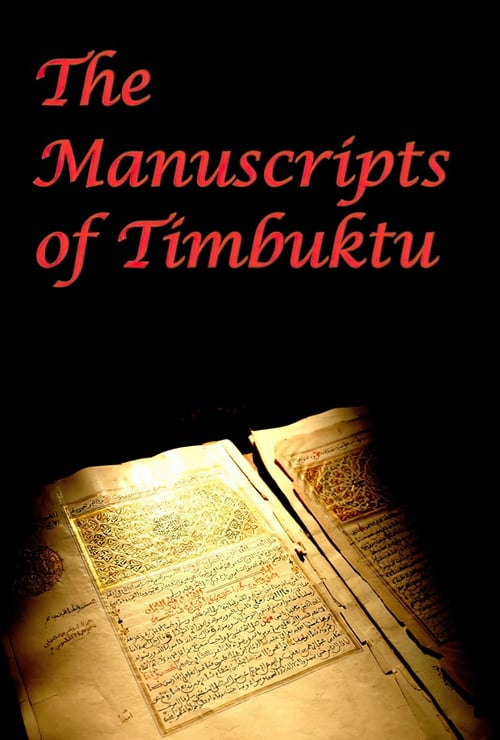
This documentary demonstrates that Timbuktu was a leading cultural, economic, scientific and religious center that made a significant and lasting impact on Africa and the entire world.
The Manuscripts of Timbuktu

Short directed by Zola Maseko.