Camera
No description available.
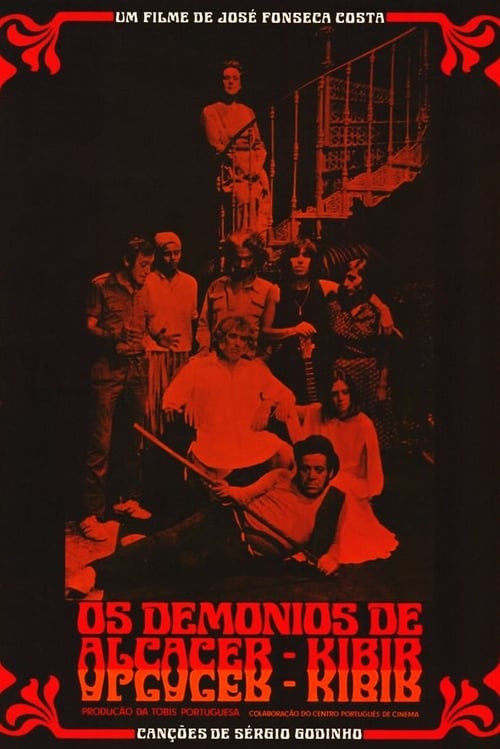
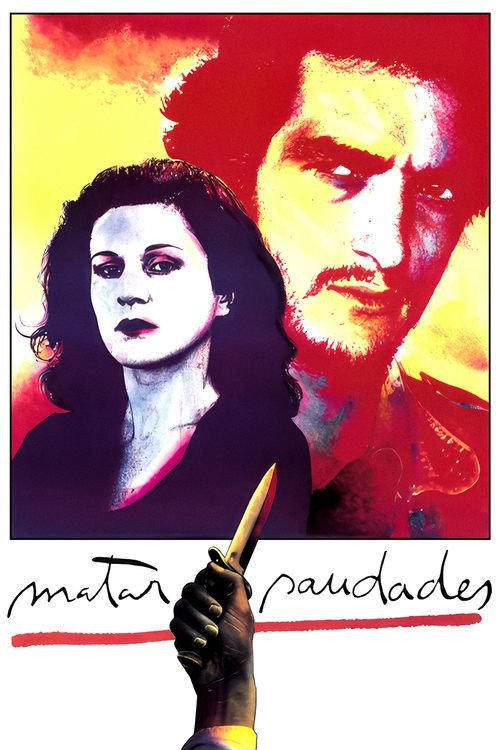
Alentejo 1975. The Police associate a group of traveling players with a strike of agricultural workers. The action takes place in the open space and harsh heat of the Alentejo. With the connivance of Lianor, the troupe enters the palace of Don Gonzalo an old aristocrat. The gentleman is obsessed by visions of great past deeds in a universe of ghosts. This was the first example of militant cinema in Portugal after the end of the Estado Novo dictatorship, exploring the world after the Carnation Revolution and its contradictions.
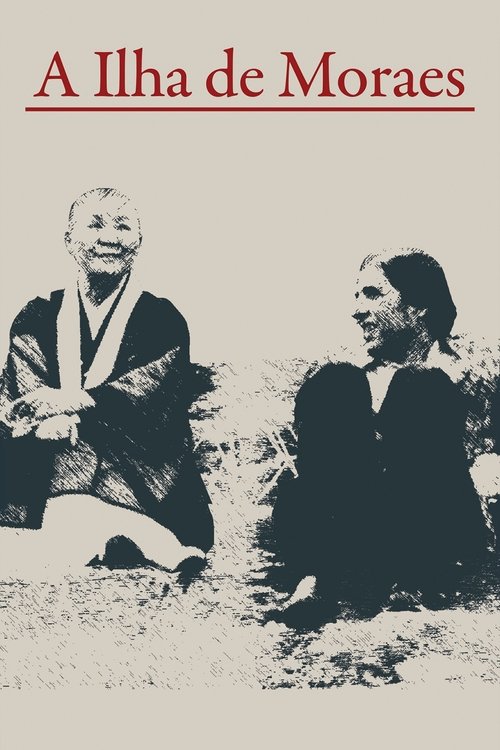
This film, made as a "twin" of A ilha dos amores, was planned as a poetic documentary on the enigmatic life of Wenceslau de Moraes (1855-1929), the great Portuguese writer who lived in the Far East. Verbal testimony, photographs, manuscripts, images of Lisbon, Macao, Kobe and Tokushima in Moraes' time are set side by side with A ilha dos amores and with de Moraes' writings. The director, Paulo Rocha, visited places where Moraes was still remembered, interviewed the writers descendants, consulted archives, rummaged through memories, appointment books, postcards, diaries and calendars from the private life of the 19th century. And above all he set out on a new journey, from Lisbon to Macao to Kobe until he reached Tokushima, where Moraes lived through the final ruin of his life and where Rocha tracks down, between the city and the cemetery, the living presence of places and the memories of individuals.
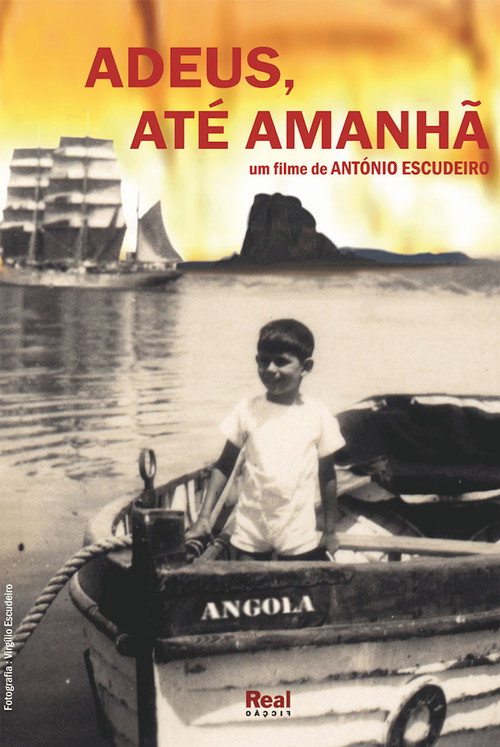
António Escudeiro was born, grew up and worked in Angola until the day when he was forced to leave. He swore he would return. But his return home only took place thirty-two years later. "Goodbye, See You Tomorrow" is the documentary of that return, in which there is a crossing and confronting of two visual universes: the director's memories and today's Angola.
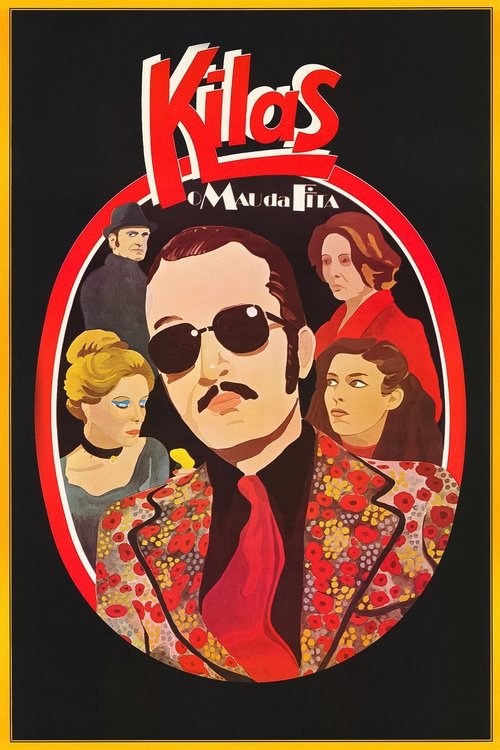
"Kilas" (a Portuguese misrepresentation of the English word "killers") is the nickname of a petty con-man who gets involved with a deadly ring of spies.
Short film by Fernando Lopes, decisive figure of the Portuguese New Wave.
Set four years after the Portuguese revolution and the simultaneous loss of the Portuguese empire in Africa, the story concerns a director who sells guns to finance his play.
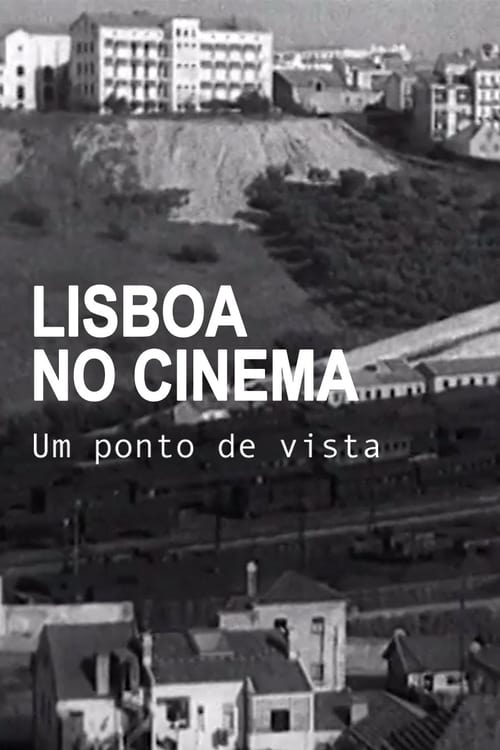
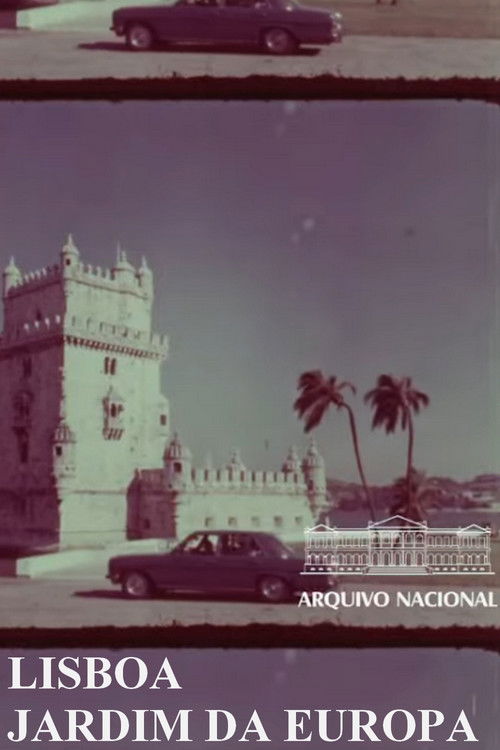
The city during the beginning of cinema. The typical city at the time of the dictatorship. The New Lisbon of the New Cinema. Lisbon after the Revolution. The white city of foreigners. A geographical and moviegoer screenplay of Lisbon through the images of films and testimonies of several filmmakers who filmed in Lisbon.
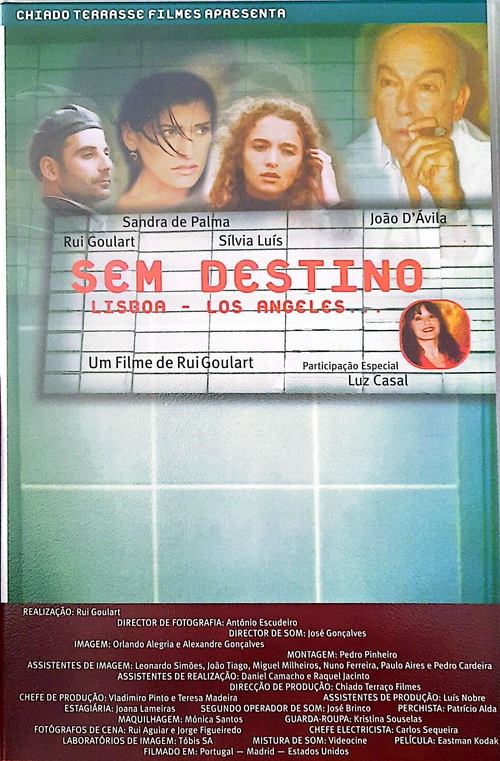
A photographer travels around Portugal, Madrid and LA and finds a bunch of exquisite characters.
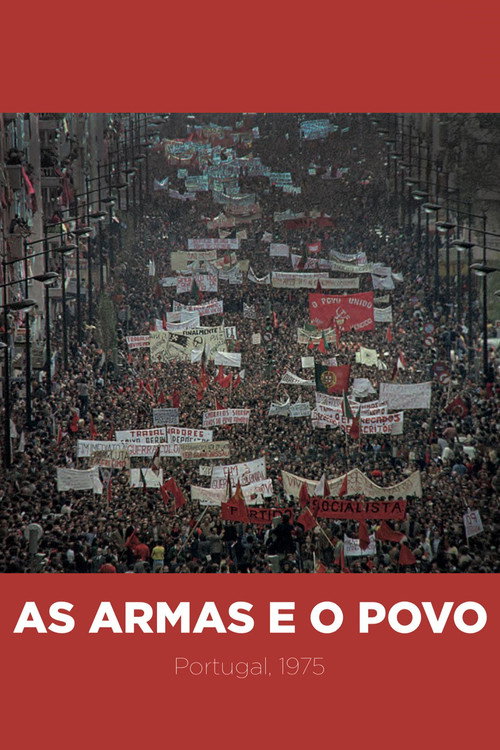
Film directors with hand-held cameras went to the streets of Lisbon from April 25 to May 1, 1974, registering interviews and political events of the Portuguese "Carnation Revolution", as that period would be later known.
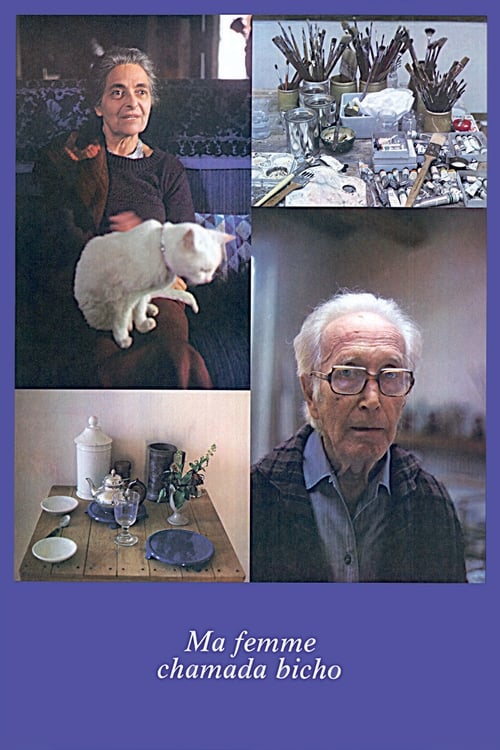
The film documents the places where the Portuguese painter Maria Helena Vieira da Silva (1908-1992), and Hungarian Arpad Szenes were born, met, and lived together, painting, and living to each other.
Abel, 47 years old, two wars - in the colonies and France, emigration - several scars from many battles lost, returns in a jump to Portugal, to his lost village in the northern interior, near the border, from where one day he'd be gone, also from a jump. A letter, from his brother Peter, warned him that everything changed. Even Teresa. Abel catches sight of his childhood in the village hills, the old tribe. From a distance everything seams to be in the same placesa, the old dog is all that remains of the past. In the village the Act of Passion will be performed and Teresa is one of the participants. Abel takes the old gestures and prepares his plan: eliminate one by one Teresa's suitors, to consummate during the act of the Passion, her death ...
Ruy Guerra's adaptation for French television of Edgar Allan Poe's short story.
Corvo Island is the smallest island in the Archipelago of the Azores, in the Atlantic Ocean. Its area is 17 square km and its population 390. These images and sounds were recorded there in 1977 between the 16th and the 29th of August. To its inhabitants we would like to express our thanks in the making of this film.
The disastrous attempts of D. Lucas Telmo Midões to achieve in 1981 the independence of the Berlengas islands - lost eight centuries ago, during the conquests of D. Afonso Henriques.
On April 25, 1974 the iconoclastic Brazilian filmmaker Glauber Rocha was in Portugal. There, he joined the collective collective film "As Armas e o Povo". With his foreign and peculiar look, he broke the rules of conventional filmmaking.