
José Fonseca e Costa
Directing
Biography
José Fonseca e Costa was a Portuguese film director. He was one of the founders of the Portuguese Cinema Novo. Born in Angola, Costa worked as an assistant to Michelangelo Antonioni before becoming one of the leaders of Portugal's 'Young Cinema' in the 1960s.
Known For
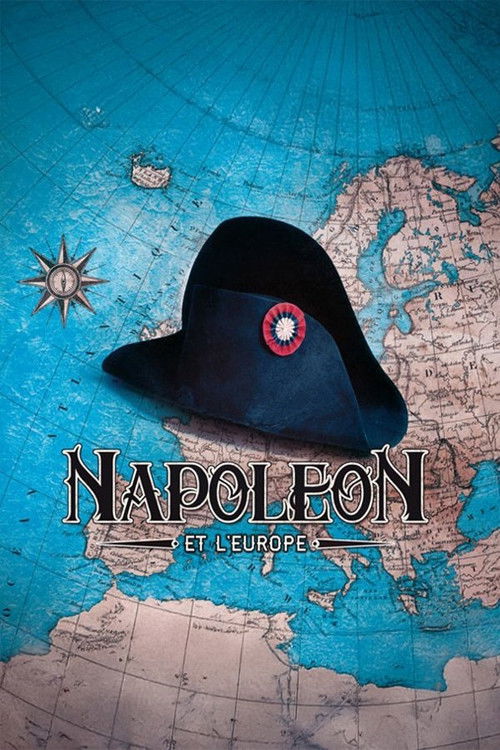
The miniseries charts Napoleon Bonaparte’s career from his return after the Egyptian campaign to his downfall and exile on Elba, portraying his political maneuvering, military ambition, and complex relationships with key figures such as Talleyrand, Fouché, Murat, Tsar Alexander, Joséphine de Beauharnais, and Countess Marie Walewska.
Napoleon

Lazarus de Jesus is the adopted son of a wealthy lady from Lisbon, whom he calls Grandmother. It is she who introduces him to Godfather, a great businessman who takes him as his protégé, and Angelina, the woman Grandma wants him to marry. But Lazarus has other hidden interests, the most important of which is an obsessive fixation on female armpits. When he sees the violinist Maria Pia playing, Lazarus immediately falls in love and starts to live for her, which will precipitate an absolutely unpredictable ending.
Armpits
No description available.
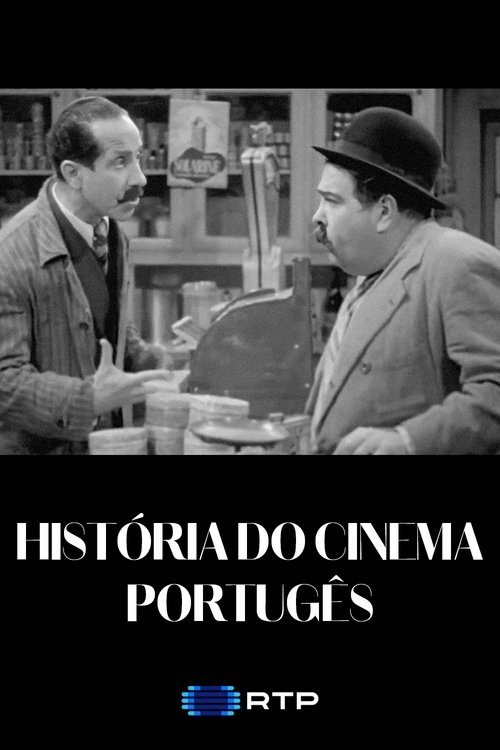
História do Cinema Português
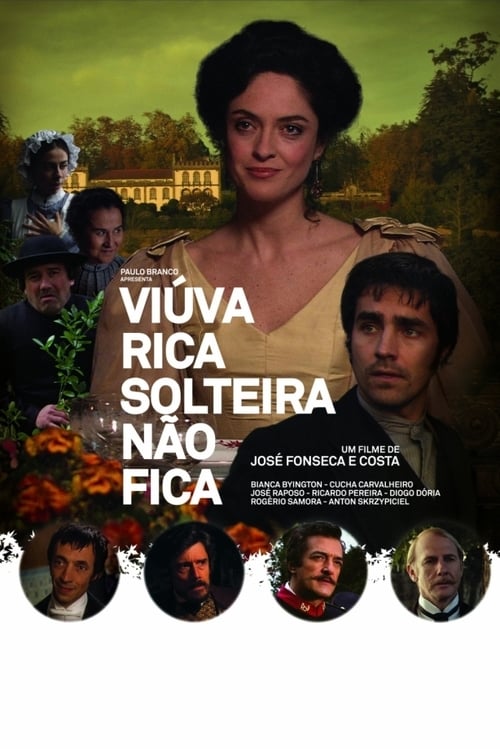
Ana Catarina returns from Brazil with her father and her nanny to marry a man she doesn't know and doesn't like. A terrible coincidence happens when, on the same day, the young woman becomes a widow and an orphan, a fact that leaves her heir to an incalculable fortune and coveted by all the aristocrats in the region.
Widow and Rich No Longer a Bitch
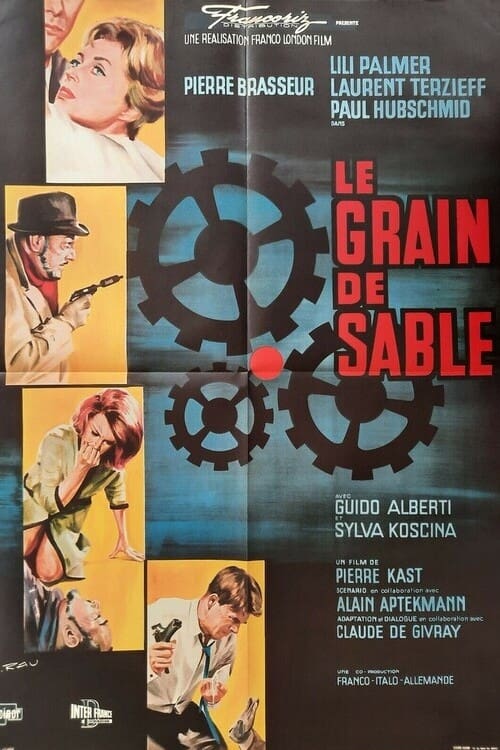
Business tycoon dies in plane crash. Suspected, Georg, his main partner, Alain, a young Turkish finance, and Anna Maria, the group's proxy, are all seeking his succession.
The Circular Triangle
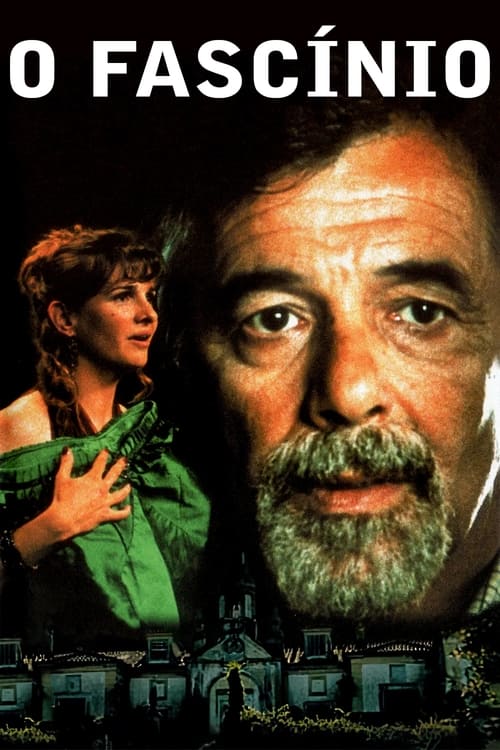
An intriguing story about a family and a manor house (where some terrible crimes were committed in the past by a member of that family) adapted from a novel with the same title by Tabajara Ruas.
The Fascination
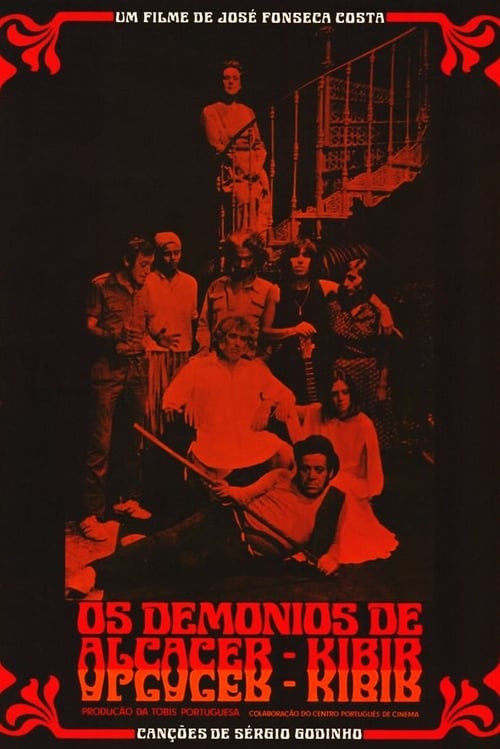
Alentejo 1975. The Police associate a group of traveling players with a strike of agricultural workers. The action takes place in the open space and harsh heat of the Alentejo. With the connivance of Lianor, the troupe enters the palace of Don Gonzalo an old aristocrat. The gentleman is obsessed by visions of great past deeds in a universe of ghosts. This was the first example of militant cinema in Portugal after the end of the Estado Novo dictatorship, exploring the world after the Carnation Revolution and its contradictions.
The Ghosts of Alcacer-Kibir
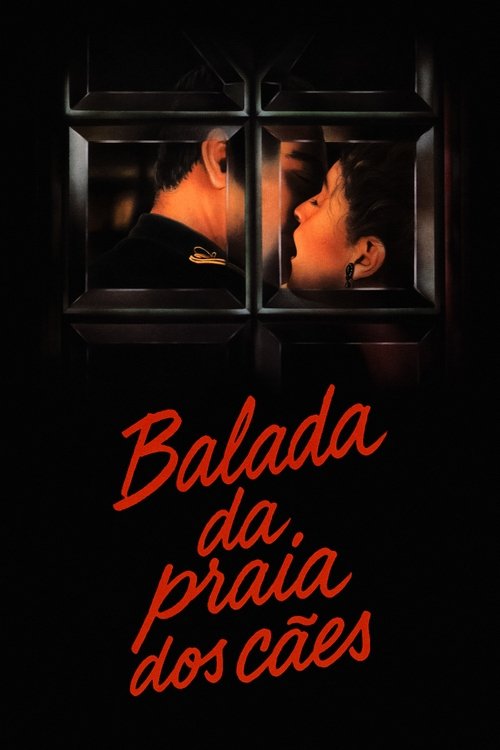
In Portugal, in the 60s, the corpse of a man appears on Dog's Beach. The corpse is identified as the major Dantas, a man wanted by authorities after his escape from a military prison where he was awaiting trial for insurrection.
Ballad of Dog Beach

The city during the beginning of cinema. The typical city at the time of the dictatorship. The New Lisbon of the New Cinema. Lisbon after the Revolution. The white city of foreigners. A geographical and moviegoer screenplay of Lisbon through the images of films and testimonies of several filmmakers who filmed in Lisbon.
Lisboa no Cinema, Um Ponto de Vista

He was the most prolific within the New Portuguese Cinema generation. He would try western spaghetti, esoteric allegory, supernatural, and science-fiction. Without state subsidies, he would quit filmmaking in the 1990s. Who remembers António de Macedo?
In the Interstices of Reality or The Cinema of António de Macedo
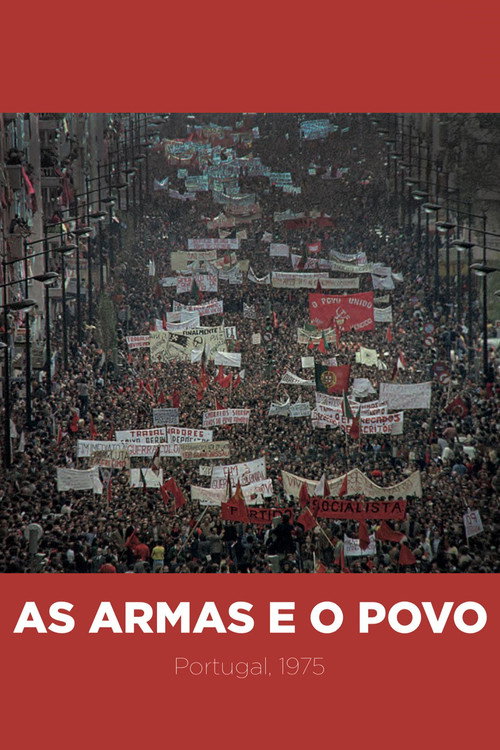
Film directors with hand-held cameras went to the streets of Lisbon from April 25 to May 1, 1974, registering interviews and political events of the Portuguese "Carnation Revolution", as that period would be later known.
The Guns and the People
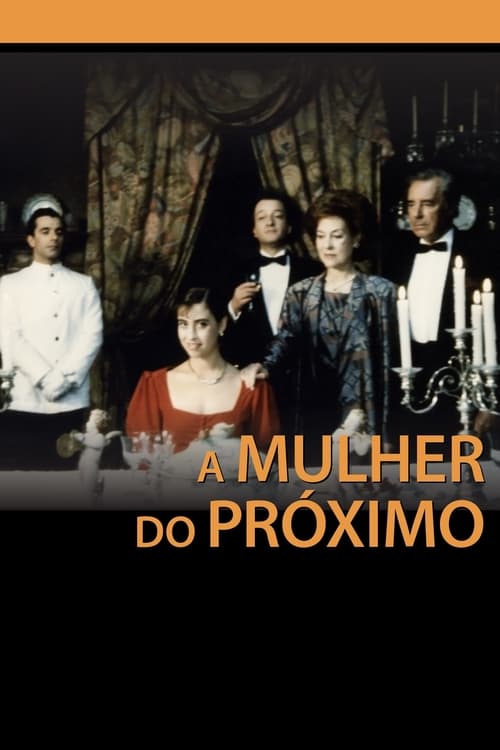
Two lovers meet again in strange circumstances, when she is a recent widow not particularly grieving, and he is a divorcée mourning his daughter. They reunite, only to break again - this time for good.
Your Neighbour's Wife
A passion between a 42 years old man and a young girl.
Os Cornos de Cronos
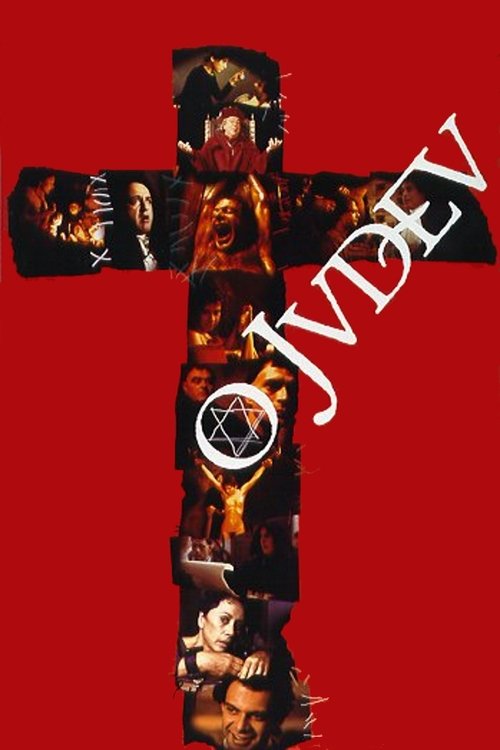
The story of Brazilian Antônio José da Silva, a jewish poet, playwright and lawyer living in the 18th Century Lisbon, who managed to avoid Inquisition by converting himself to Catholicism, after being tortured. But his fierce criticism of Portugal's élite led him to persecution and torture, becoming kind of a scapegoat.
The Jew
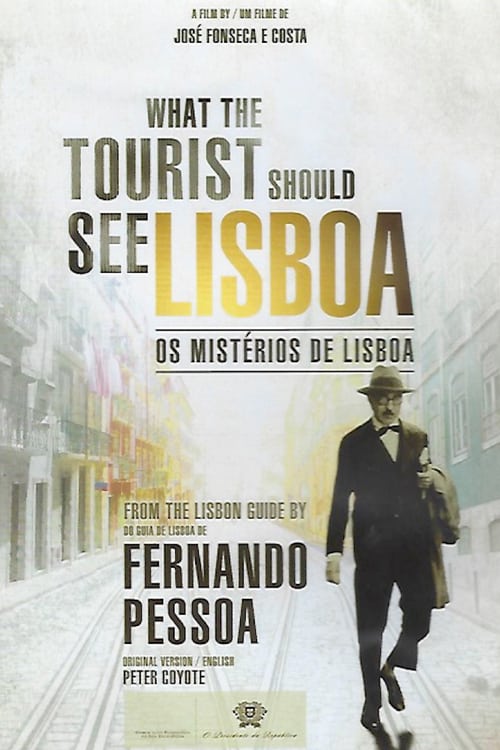
Homage to Fernando Pessoa and the city that lies next to the Tagus River.
What The Tourist Should See
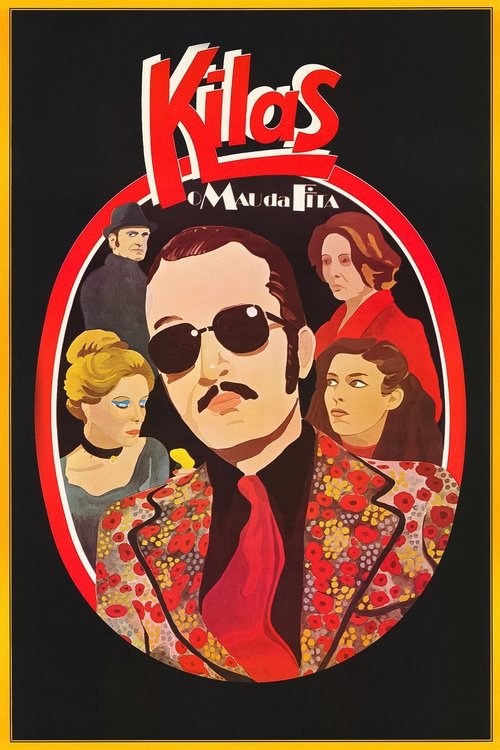
"Kilas" (a Portuguese misrepresentation of the English word "killers") is the nickname of a petty con-man who gets involved with a deadly ring of spies.
The Killers
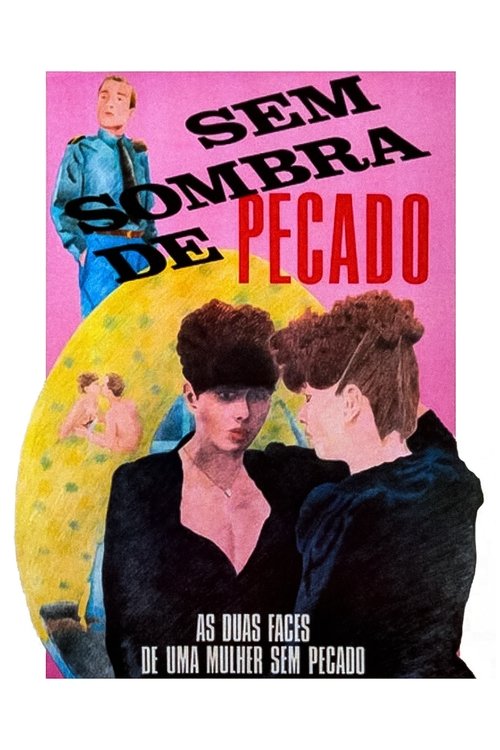
A young man from a high-bourgeois family, Henrique receives mysterious phone calls from a woman at the barracks where he is serving in the military, which attracts him to meetings without consequences.
No Trace of Sin
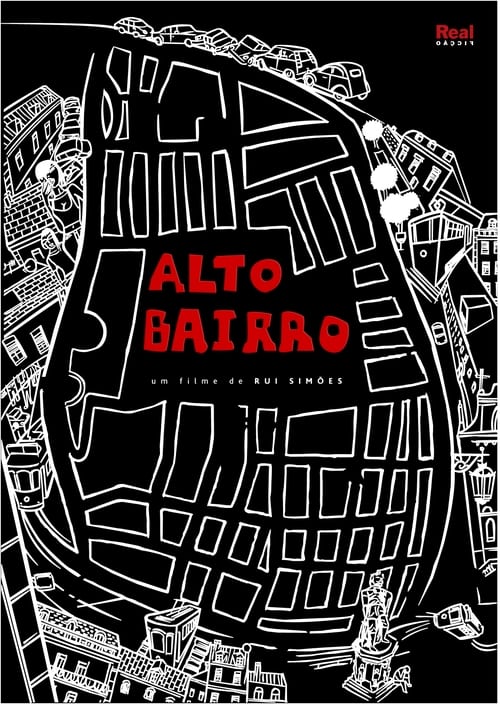
In Lisbon 1950, John, 13, decides to invade the neighborhood of prostitutes, nobility and sailors, starting a new stage in his life. Today this neighborhood is reflected in a scattered public debate centered on its night life.
Alto Bairro
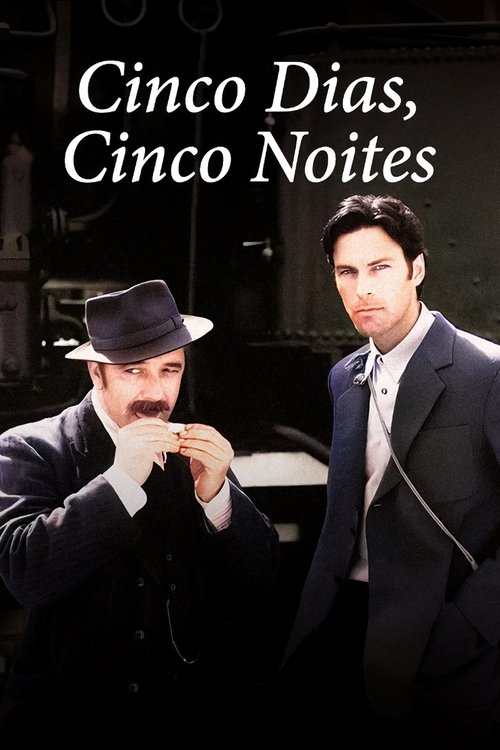
Portugal, late 1940's. André must leave the country after running away from prison. In Oporto some friends get him a guide, Lambaça, a smuggler who knows very well the Trás-os-Montes border from Portugal to Spain.
Five Days, Five Nights
No description available.