Production
A youth group is preparing for what will be the summer of their life, including secrets, lies, sex, confusion, evenings and holidays.
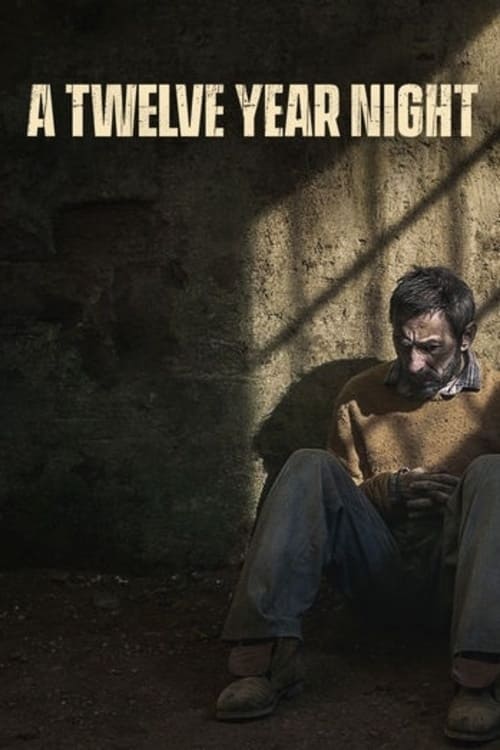
Uruguay, 1973. Having been crushed by the military dictatorship, surviving members of the Tupamaro guerillas are imprisoned and tortured. They must find a way to endure the coming 12 years.
Daniel, Ana, and their little boy, Manuel travel from Madrid to a resort on the Costa Brava for the summer. Ana runs into Marta, a local shopgirl whom she's met on previous visits. Marta introduces Ana to her cousin, Robert, who runs an antique shop. Robert is immediately attracted to Ana. Marta tells him that Ana is happily married, and confesses that she has a crush on Ana's husband, Daniel. Robert, intrigued, makes a pact with Marta. Robert will help Marta seduce Daniel if she will help Robert seduce Ana. One night, the cousins cunningly arrange to separate the couple, and some serious flirtation ensues. While Marta, casually dates a local surfer, Tomás, begins to have second thoughts, Robert grows more obsessed with the couple. He befriends Daniel and peppers him with questions about the strength of his nine-year marriage.
A comedy that chronicles a chance encounter between Robert and a Chinese named Jun who wanders lost through the city of Buenos Aires in search of his uncle after being assaulted by a taxi driver and his henchmen.
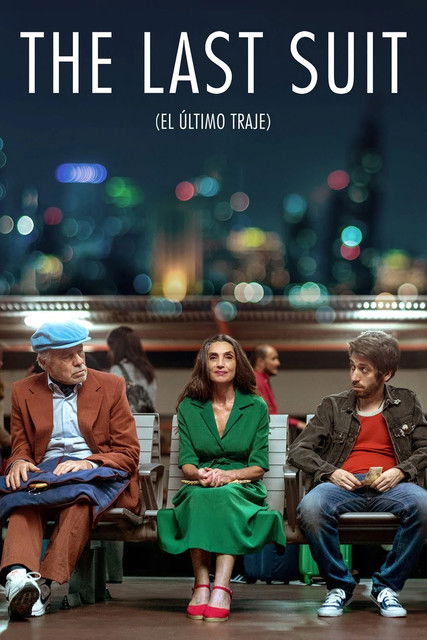
Cranky, crafty and always immaculately dressed, aged master tailor Abraham Bursztein finds himself facing his winter years in a retirement home after discovering his children have sold his home out from under him. Not one to go quietly, Abraham unexpectedly travels to Poland in order to deliver a suit to a childhood friend who saved his life during the Nazi occupation.
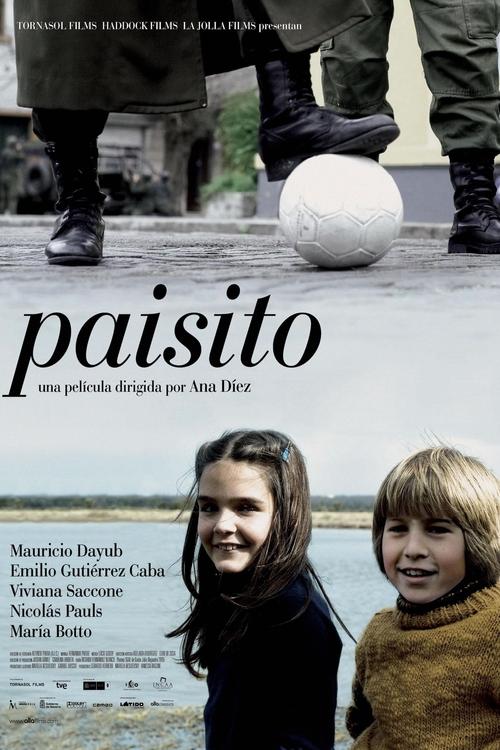
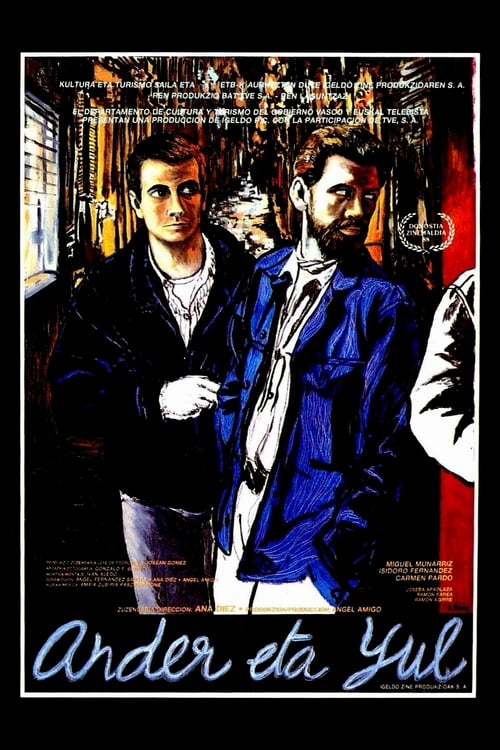
Two young people learn about love as politics turn their world upside down in this drama from director Ana Diez. After a long and successful career as a soccer player, Xavi retires from the game and moves to Spain, where one day to his surprise he happens upon Rosana, a friend from his childhood in Uruguay. As Xavi and Rosana catch up on what has happened to them over the past thirty years, they flash back to 1973, when young Xavi and his father Manuel, a shoemaker, lived down the street from Rosana.
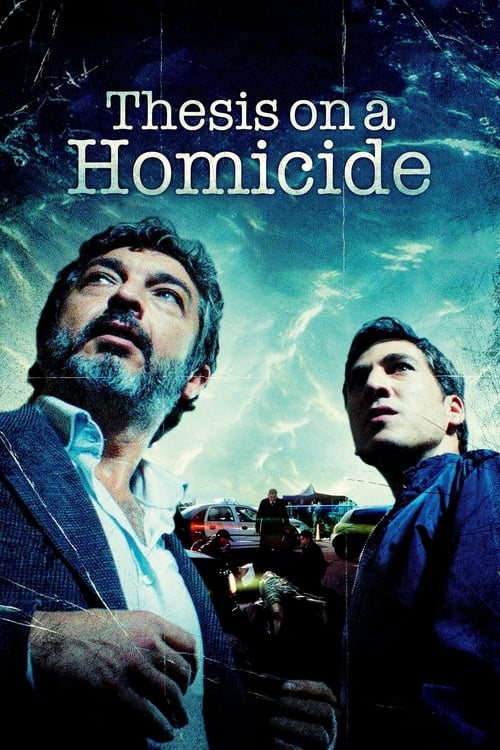
Roberto is a Law professor whose life is thrown into chaos when he becomes convinced that one of his best students has committed a brutal murder. Determined to uncover the truth, he begins a personal investigation…
Fernando (Fernando Tejero) is a loser. A gray type, without ambition, that works like bookcases distributor in a supermarket of the quarter. In his free short whiles, he is a substitute keeper of a football team, a third regional one. In all the season he has not played a single minute. But the last Sunday of the league the referee indicates penalty and the regular keeper injures itself. Fernando must occupy the goal for the first time. If penalty scores, the team of the district will proclaim champion. If no, all the effort of a year will not have been worth for anything. When the penalty is just about to be kicked, a group of indignant fans with the referee invades the field and prevents the kick. The competition committee decides that the penalty must play the following Sunday, in the same goal, with same players and the field closed to the public. El Penalti más largo del mundo, (The Longest Penalty Shot in the World) is exactly the history of that week of delay.
Julia and Félix are a young married couple under pressure to have a baby for the first time. After an argument at a beach resort, Julia suffers an accident.
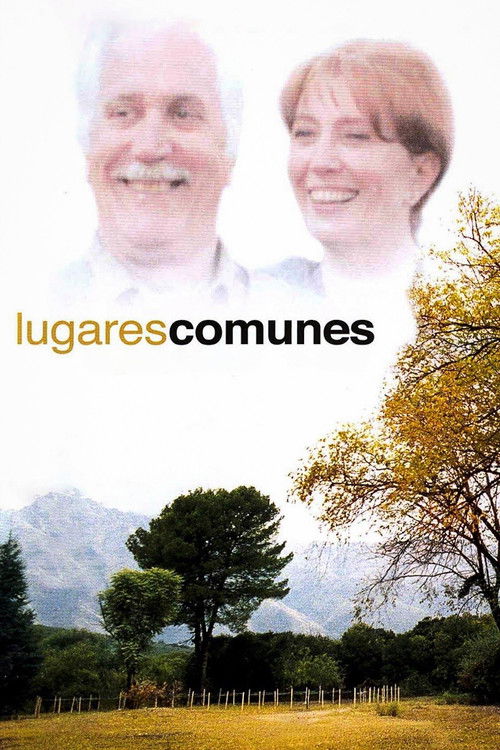
In Buenos Aires, a few days before traveling to Spain with his beloved wife Liliana Rovira to visit their son Pedro, the leftist Literature professor Fernando Robles is compulsory retired in the University, and he concludes that it is impossible to live with his pension. The crisis in Argentina does not allow Fernando to get a new job, and his wife decides to sell her family's apartment and move to a small farm near Villa Dolores to reduce their expenses. Fernando comes up with the idea to grow lavender and sell the oil to the perfume industry.
Two strangers flee from their past and settle in an urbanization on the Cádiz coast. There, hundreds of kilometers from Madrid, they try to rebuild their lives, even though the memories are still very strong.
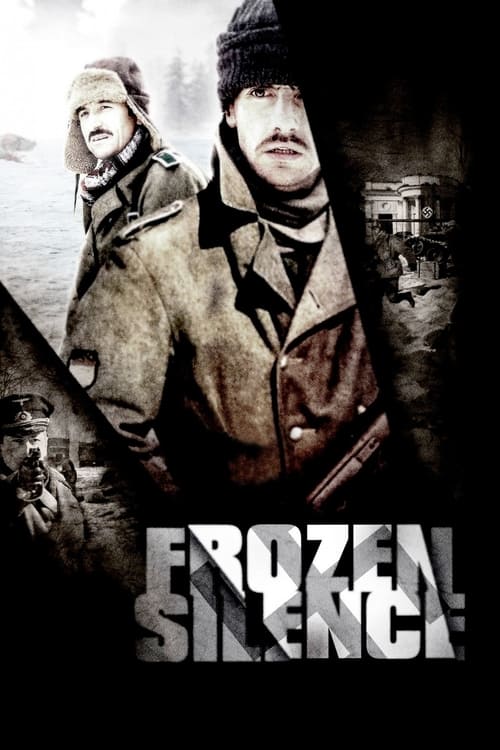
Russian front, winter 1943. Soldier Arturo Andrade and Sergeant Fernando Espinosa are commissioned to investigate a mysterious murder while the Spanish Blue Division of the German Army endures the fierce counterattack of the Red Army.
On March 12, 1956, Basque Nationalist Jesús de Galíndez Suarez disappears from his apartment in New York, never heard from again. He had been working with the FBI and was about to publish a book critical of Dominican strongman, Trujillo. In 1988, a graduate student, Muriel Colber, wants to make Galíndez the subject of her dissertation. She's in Spain doing research; finding little, she goes to Santo Domingo. At every turn, the CIA, in the person of agent Robards, tries to thwart her; and, at each turn, as she considers abandoning the project, someone offers new information, often contradictory. She wants the truth behind the Galíndez mystery; will she find it?
Quinn shows up at an apartment building in Paradise, a small backwoods community in Puerto Rico, purporting to be the new caretaker the owner has been expecting. He gets right to work, making a good impression on everybody, except Gus, the reclusive teenage gas station attendant. Soon, sinister things come to pass
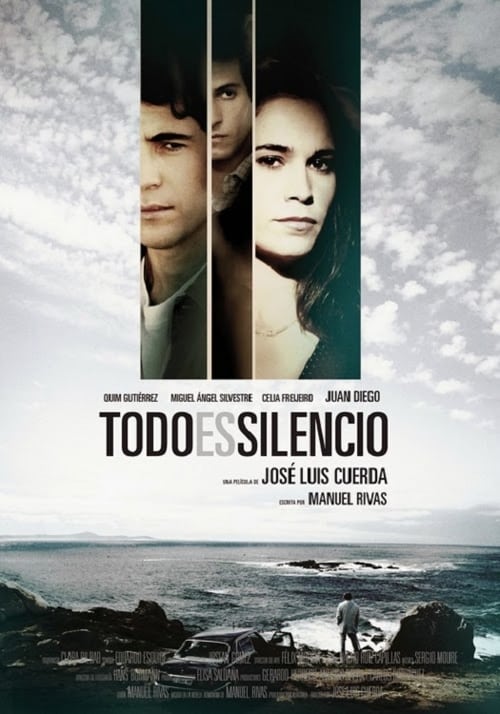
In Brétema, on the Atlantic coast, there was a time when networks of smuggling, drug trafficking converted, achieved so much influence that they were close to control everything: social power, institutions, the lives of its people. Fins, Leda and Frink explore the coast in search of what the sea throws after a wreck, the sea is for them a place of continual discovery. The fate of these young people will be marked by the shadow odious and fascinating at the same time the ubiquitous Marshall, owner of almost everything in Brétema.
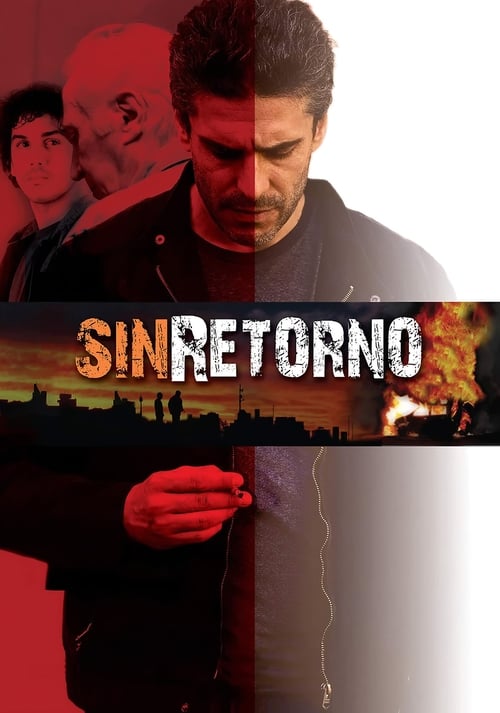
Two former seminarians meet by chance in adulthood: one has become a dealer, the other a terrorist.
A young man is struck and killed in a traffic accident, and the wrong man is accused of the homicide.
Madrid, Spain. On Monday, December 22, 1947, Charles Vidor's Gilda, starring Rita Hayworth and Glenn Ford, premieres. That same week, as every first Friday of the month, Hauma organizes a peculiar card game in an old tavern.
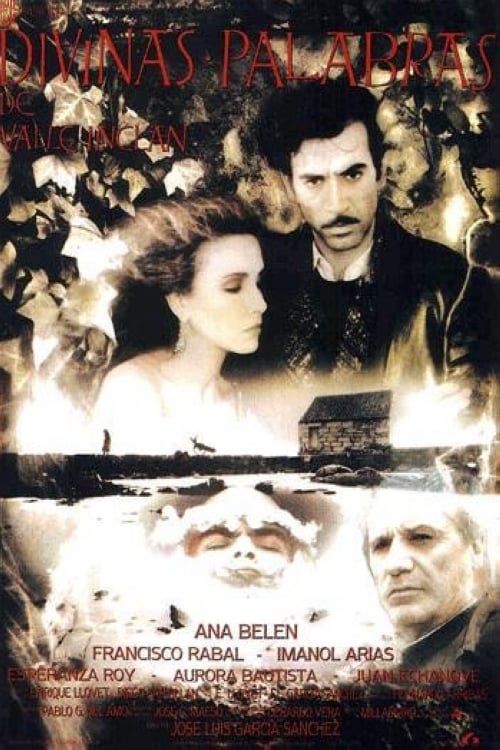
A work of Valle-Inclán, the story takes place in Galicia in the early twentieth century. To escape poverty, the wife of a sacristan uses a hydrocephalic child as a sideshow attraction. This causes a confrontation with her sister-in-law.
In the 1980's, Pilar, an ordinary woman, married, about forty years, discovers that one of their three children are addicted to heroin. After an initial period of uncertainty, Pilar contact with other parents in similar situations who come to a precarious Civic Center helps the addict, but soon realizes that many things have to change in and out of home so your child can be saved. Thus was born the desire to do more than complain and starts along with other parents, but especially mothers, an arduous journey of withdrawal of drug trafficking in Galicia.