Directing
On 5th September 1981, a group of women came together to change the world. These women marched from Wales to Berkshire to protest over nuclear weapons being kept at RAF Greenham Common. The Greenham Common Women’s Peace Camp that followed, challenged world leaders, altering the course of history and went on to inspire millions as the world’s first and biggest female-only demonstration, preceded only by the suffragettes.
A mother struggles with her toddler's delayed development until a chance encounter with a charismatic young man shifts her feelings.
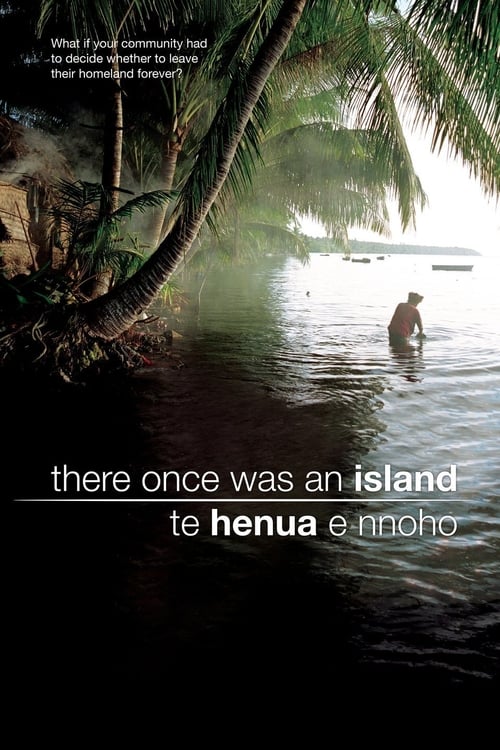
Three people in a unique Pacific Island community face the first devastating effects of climate change, including a terrifying flood. Will they decide to stay with their island home or move to a new and unfamiliar land, leaving their culture and language behind forever?
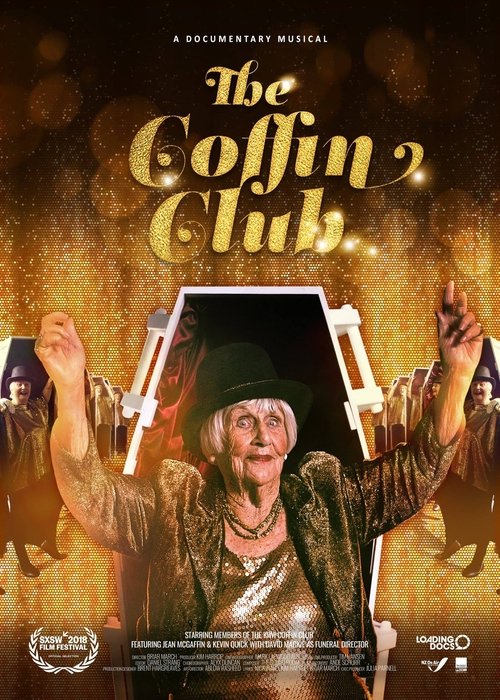
A group of rebellious, creative Kiwi seniors give death the finger, one crazy coffin at a time.
Olympic Champion, Kiwi Icon, Tongan Leader, Orphan, Mother...winning was just part of the journey.
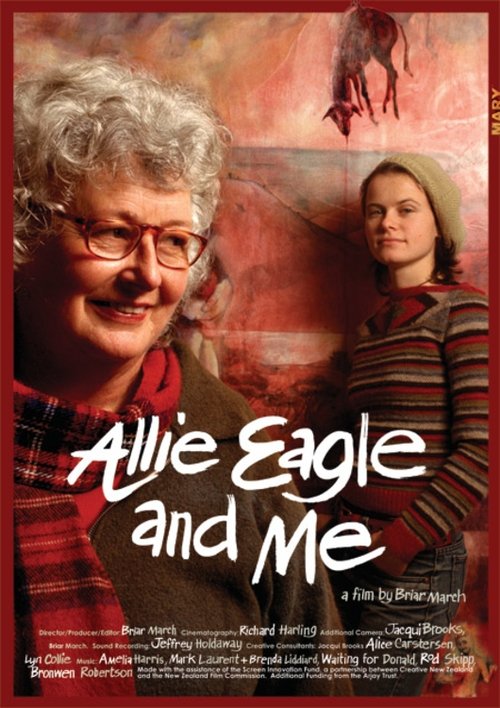
In the 1970s, New Zealand artist Allie Eagle identified herself as a lesbian separatist and radical feminist. Her often uncompromising work included pro-abortion painting This Woman Died I Care, which was inspired by a photograph of a woman who died from an illegal abortion. In the 1980s, Eagle became a christian. Made in 2004, Briar March's first, feature-length documentary sees Eagle reflecting on her past with a more moderate outlook — she now has mixed feelings about her earlier stance on abortion.
The story of the privatisation of state housing in New Zealand through the eyes of two Maori women involved in opposing housing projects.