Acting
The tragic story of the many lives of Father Dinis, his dark origins and his pious works, and the different fates of all those who, trapped in a sinister web of love, hate and crime, cross paths with him through years of adventure and misfortune in the convulsed Europe of the late 18th and early 19th centuries. (A longer television version of the film of the same name, released in 2010.)
An “artist film” that crosses Karl Martin, Martin Heidegger and the Communist Party’s Manifesto.
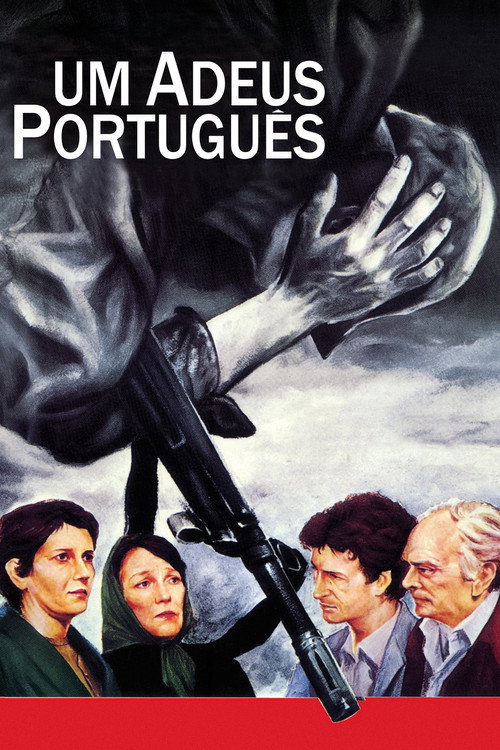
In Africa, during the colonial war, a patrol is lost in the bush and a soldier dies in operation. Twelve years later, in Portugal, the soldier family meets in peace.
No description available.
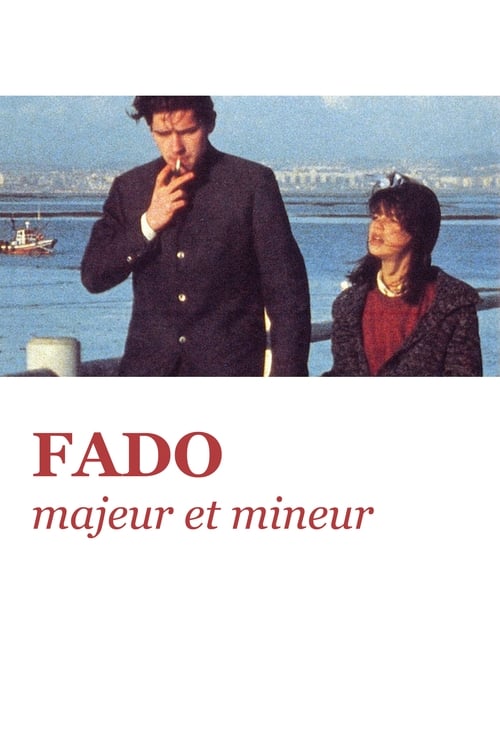
Vincent, a young Swiss, is upset by his meeting with the city of Lisbon. He will meet two persons: a prostitute of high flight and a great writer fallen and suicidal.
Adaptation of Miguel Torga's iconic short stories. An intimate look at a rural community in the 1940s. Each chapter has its own protagonist, whose existence is untouched by modernity or the outside world. Five portraits of humble lives with enormous resistance to suffering - and a capacity for violence that, at times, proves impossible to repress.
The tragic story of the many lives of Father Dinis, his dark origins and his pious works, and the different fates of all those who, trapped in a sinister web of love, hate and crime, cross paths with him through years of adventure.
On the night of New Year's Eve, a small group penetrates into the room of an old hotel in ruins. Carmine, the oldest of the group, poses a challenge to one of the men, Furio: he has 4 months to restore the hotel and inaugurate it with great pomp. Aware of the difficulties but anxious to prove the point, Furio accepts encouraged by his wife Margo who believes that this assignment will allow the couple to rediscover the lost momentum.
An aristocratic Sicilian family living in the 1950s. Count Villafratti has sex one night with his nymphomaniac daughter because he thinks she is his wife.
The story of Brazilian Antônio José da Silva, a jewish poet, playwright and lawyer living in the 18th Century Lisbon, who managed to avoid Inquisition by converting himself to Catholicism, after being tortured. But his fierce criticism of Portugal's élite led him to persecution and torture, becoming kind of a scapegoat.
Shortly after murdering his professor, a young man encounters a sailor who offers him a position on his ship in exchange for 3 Danish crowns and his attention as he recounts his life story.
Pierre, a middle-aged tourist guide, is the victim of a sudden failure : he does not recognize anything about him any longer. He goes back home and in his apartment he finds a mysterious young man who tells him he is here to avenge a young woman who has taken her own life. What share of responsibility does Pierre hold in this situation?
Roberto is one of those men to whom simulation has become the greatest art. He is an unmoved, inscrutable, mysterious man. But the truth is that Robert feels an intimate, deep tedium. The boredom of those who have already exhausted all the pleasures of life. The only thing still surprising him is the fact that nothing surprises him anymore. One evening he has an overwhelming encounter with a woman. For his own bewilderment, he discovers the sublime horrors in which the woman has sank.
End of the 20th century. A group of scientists executes a project aiming to prevent a nuclear war with the planet Khalom. From their experimental project, involving manipulating events in the past, two mysterious human creatures travel between the present and the 19th century, and back - getting in love with four different persons.
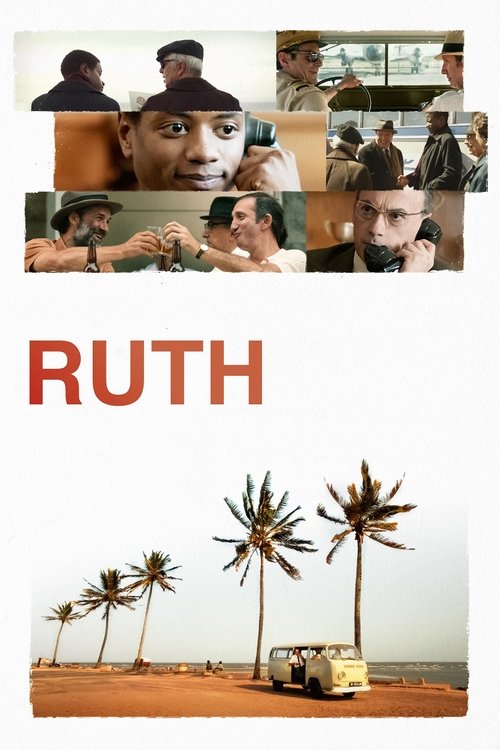
This is the story of a young Mozambican footballer called Eusébio, a gifted athlete destined to great achievements, coveted by rival clubs, Sporting and Benfica, which ends up hiring him. Blackmail, kidnapping attempts, ministers involved, press hysteria and huge money offers make the story of this football transfer into a saga evolving between the two continents. It ends up when the legend begins: with Eusébio’s first match at the Benfica Stadium.
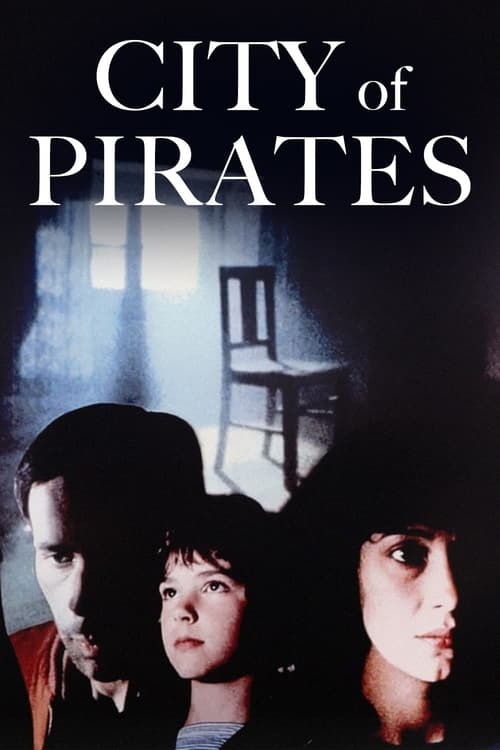
A surreal odyssey in which a melancholic maidservant crosses paths with a homicidal little boy, travels to a tiny island of pirates and encounters a man with multiple personalities.
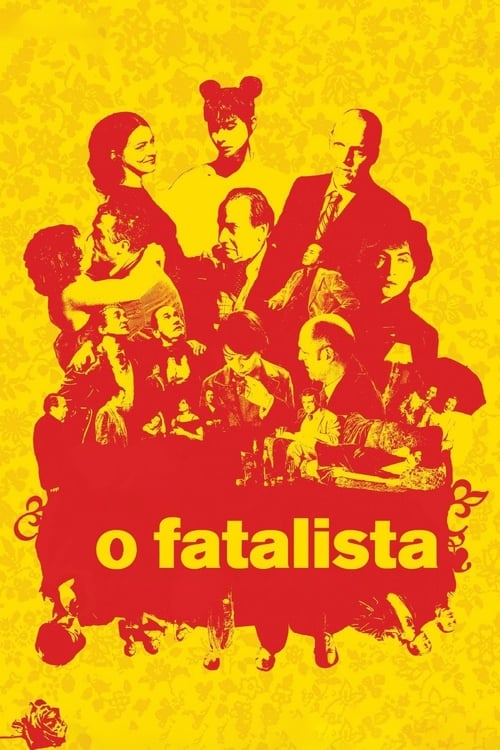
The complex relationship between master and servant is explored in director João Botelho's adaptation of Denis Diderot's popular novel Jacques le Fataliste et Son Maître. As Tiago (Rogério Samora) drives his master (André Gomes) through the Portuguese countryside to an unspecified destination, the traveling pair embark on a series of highly philosophical discussions. Flowing with tales of his life in the military and previous sexual escapades, Tiago trades a series of tales with his rapt passenger, including the story of a vengeful spurned lover who plots revenge on the nobleman who rejected her by transforming a prostitute into a society lady and convincing him to marry the tainted bride.
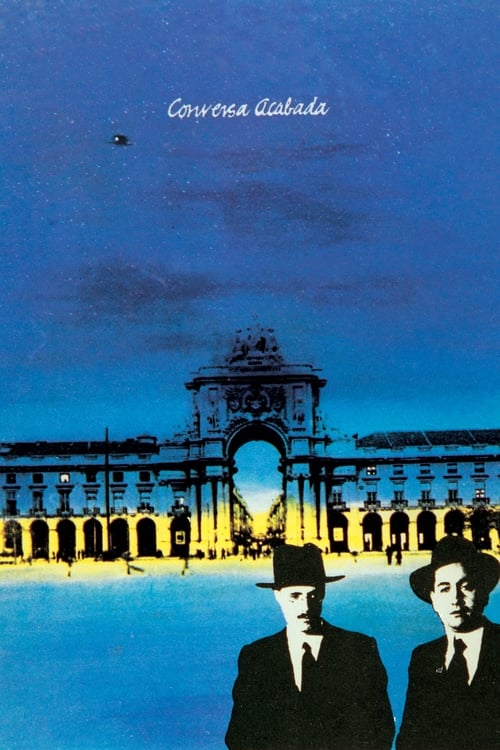
The film was to be a documentary, but evolved during production to a fictional film. It nevertheless adheres strictly to the poems and letters exchanged by two of the most outstanding names of the Modernist Movement, Fernando Pessoa (in Lisbon) and Mário de Sá-Carneiro (in Paris). Their endless conversation was dramatically and suddenly terminated.
Organized like a dream, structured like a musical and with texts, both spoken and sung, that lead us to unexpected, chaotic and exciting situations, which try to grasp part of what the unattainable Alexandre O'Neill left us.
This is one of Noronha da Costa's films in which the "fictional" component is most visible. D. Jaime or the Portuguese Night, like the rest of Noronha da Costa's films, is part of the gothic films (Terence Fisher's work was one of his great influences), and in it he shows the different variations around the "specular bodies", which evolve into luminous magic and into sensual and sensory incandescence. At the same time, we witness a series of ironic and erotic, or historical, views of wicked virgins and laughable sadists, all resurrected from German and British romanticism, while the scenery is no longer Portuguese.