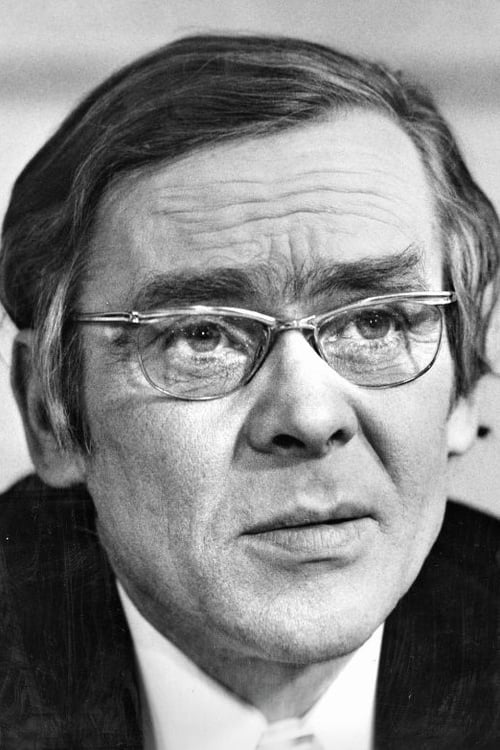
Eduard Cupák
Acting
Biography
Eduard Cupák was a Czech film and television actor.
Known For

No description available.
Bakaláři

Thirty Cases of Major Zeman is a Czechoslovak action-drama television show intended as a political propaganda to support the official attitude of the communist party. The series were filmed in the 1970s. Each episode encompasses one year, and investigations are stylized to that year. Most are inspired by real cases. The series follows the life of police investigator Jan Zeman during his career from 1945 to 1975.
Thirty Cases of Major Zema

No description available.
Dobrodružství kriminalistiky

No description available.
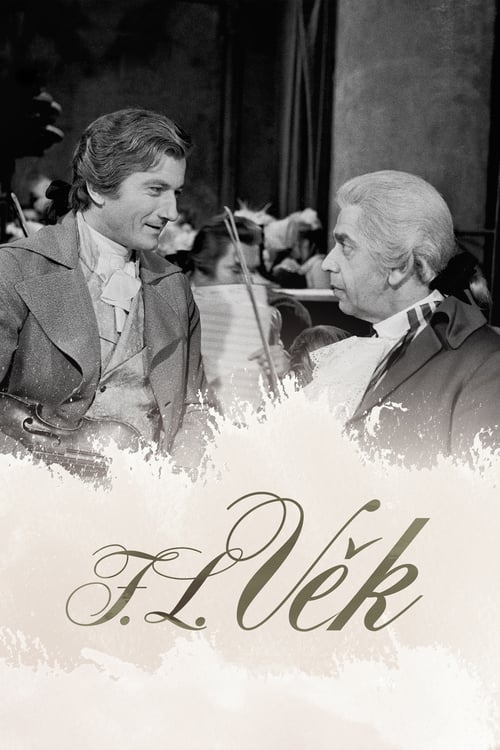
F. L. Věk
No description available.
Dnes v jednom domě

No description available.
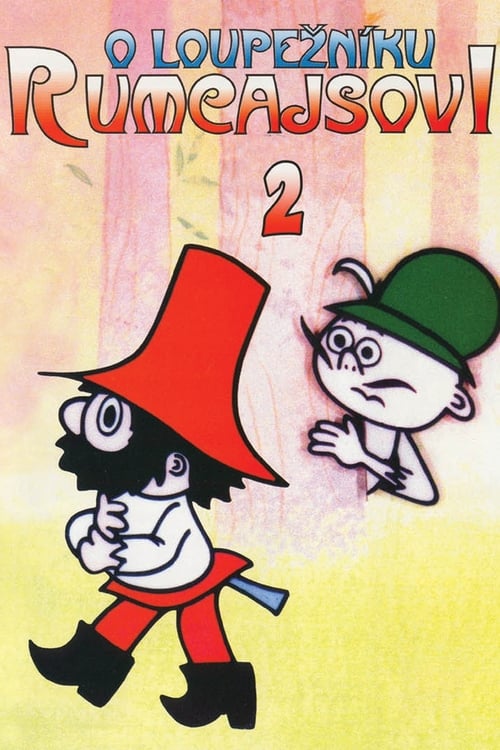
O loupežníku Rumcajsovi

No description available.
A Prague Underworld

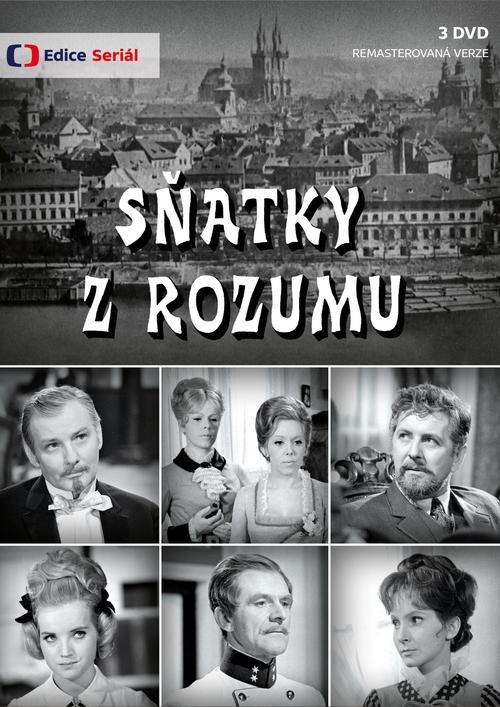
Sňatky z rozumu was a Czechoslovak television programme which was first broadcast in 1968. The programme was directed by František Filip.
Sňatky z rozumu

No description available.
Žena za pultem
No description available.
Poručík Petr
No description available.
Případy komisaře Mejzlíka
No description available.
Náhrdelník

No description available.
Oblouk světla

The first part of the "Hussite Revolutionary Trilogy", completed with Jan Žižka (1955) and Proti všem (Against All Odds, 1957). The film captures the period from May 1412 to the summer of 1415, a turbulent time in the Czech Kingdom, during which there were protests in Prague against the sale of "omnipotent indulgences" whose sale throughout the kingdom was announced by Pope John XXIII. The ideological leader of this movement is the preacher Master Jan Hus, whose words, calling for the elimination of church abuses, are listened to in the Bethlehem Chapel by thousands of ordinary Praguers, Czech lords and Queen Sophie, wife of the Czech King Wenceslas IV.
Jan Hus

In a South Bohemian village in the middle of silver ponds and dark forests lives Jindřich (Radek Valenta), who one day goes out into the world with a firm decision to free the cursed princess. On the way, he reaches a haunted mill, where the beautiful Eliška (Andrea Černá) lives with her father. Eliška likes the young man, so she tells him that the cursed princess is in the pond and Jindřich remains in the mill as a helper. However, the devil and the waterman, who like Eliška, don't like that. With the help of various intrigues and incantations, they try to expel Jindřich from the mill, but soon a third groom appears there - an old rich man. However, since Eliška rejects all the suitors, the miller's father gets angry and gives her an ultimatum: either she chooses a suitor herself by the full moon, or the one who asks for her hand first gets her. So a fight ensues between the grooms...
The Watermill Princess
The Counter-Reformation period: Myslivec Machovec is forced by representatives of the Jesuit order to flee his home for his religious beliefs. His teenage children Helenka and Tomáš do not give up the faith and traditions of the Czech Brethren despite the increasing pressure.
Temno

Two historical stories about love. In the story "The Arabian Horse", the scheming townsman Messer Francesco Vergellesi is so firmly convinced of his wife's virtue that he does not hesitate to bet her against a rare stallion he has a crush on... The story "The Earrings" shows how a poor girl can help herself to a rare jewel and what intrigues are needed for an elderly noble couple to finally have an heir...
Hry lásky šálivé

The distressing fate of the Czech great Jan Amos Komenský, forced to leave his homeland after the White Mountain disaster. It depicts his encounters with various European personalities of the 17th century - the Queen of Sweden, artists and scientists. It emphasises the hero's nobility, but also his inner resilience, which allowed him to overcome many personal and professional tragedies. The parable of The Labyrinth of the World and the Paradise of the Heart becomes part of the story. However, Comenius's concept is sculpturally lifeless and, in particular, the religious dimension is "erased" from it. The simplistic biography therefore does not avoid schoolboyish dryness.
Putování Jana Amose

Three young men carry out a failed robbery of the box office of the Blaník cinema in Prague with tragic consequences. Only one of them has a chance to redeem himself.
The Road Back

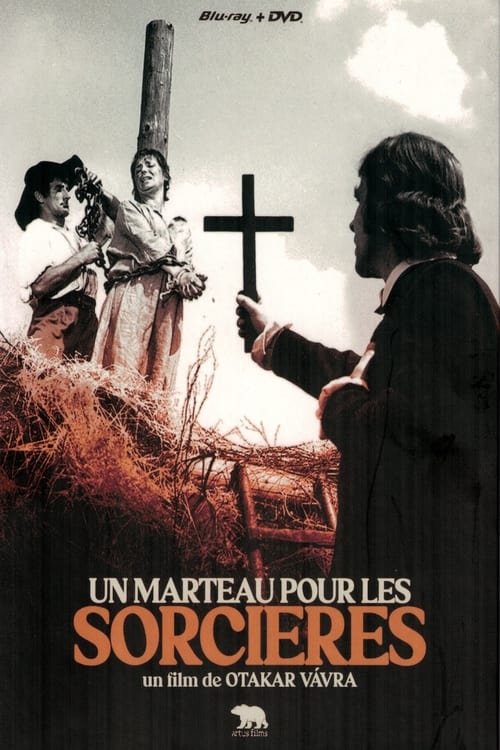
In the 1600s, an overzealous clergy hauls innocent women in front of tribunals, forces them to confess to imaginary witchery, and engages in brutal torture and persecution of their subjects.