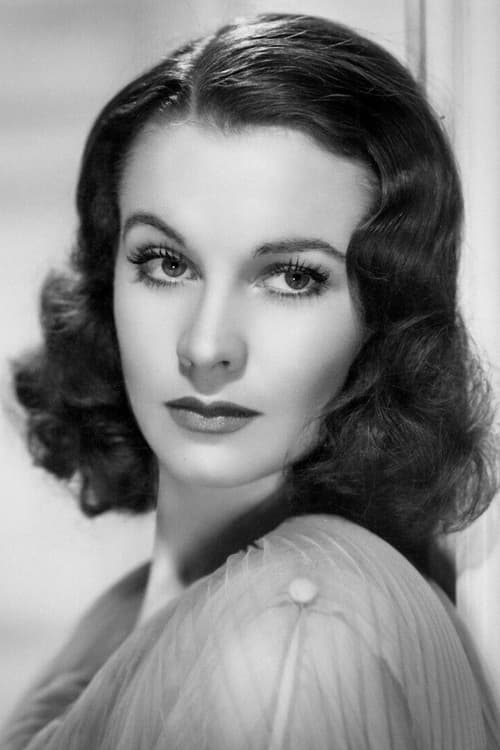
Vivien Leigh
Acting
Biography
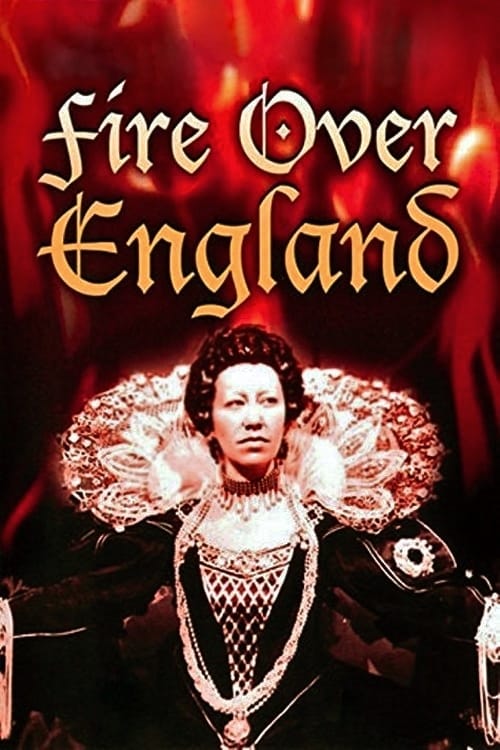
Vivien Leigh (born November 5, 1913, Darjeeling, India—died July 8, 1967, London, England) was an English actress renowned for her roles in Hollywood and British theater. She won two Academy Awards for Best Actress, portraying Scarlett O’Hara in Gone with the Wind (1939) and Blanche DuBois in A Streetcar Named Desire (1951), both performances that solidified her place among the greatest actresses of classic cinema. Leigh was the only child of Ernest Hartley, a British broker, and Gertrude Yackjee, who had Anglo-Indian and Armenian ancestry. She spent her childhood between England and Europe, attending convent schools before enrolling at the Royal Academy of Dramatic Art (RADA) in London in 1932, setting the stage for her acting career. Her film debut came in Things Are Looking Up (1934), followed by roles in British films such as Fire Over England (1937), where she starred alongside Laurence Olivier. Their professional collaboration soon became a high-profile romance, capturing public fascination. Leigh’s breakthrough role was Scarlett O’Hara in Gone with the Wind (1939), a part for which she beat hundreds of actresses in a legendary casting search. The film became one of the most celebrated in cinematic history, and her performance earned international acclaim, securing her first Academy Award. Leigh continued to star in films such as Waterloo Bridge (1940) and That Hamilton Woman (1941), frequently working with Olivier, whom she married in 1940. Their union lasted 20 years, during which they became one of the most revered couples in theater and film, starring together in Shakespearean productions and three films. In 1951, she won her second Academy Award for A Streetcar Named Desire, where her portrayal of Blanche DuBois was deeply personal, reflecting her own struggles with mental health. Leigh suffered from bipolar disorder, which profoundly affected her career and personal relationships. She also battled chronic tuberculosis, first diagnosed in the mid-1940s, which ultimately led to her death on July 8, 1967, at the age of 53. After divorcing Olivier in 1960, she found companionship with actor John Merivale, who remained by her side until her passing. Despite periods of career instability, Leigh remains one of the most celebrated actresses of her time. In 1999, the American Film Institute (AFI) ranked her as the 16th greatest female movie star of classic Hollywood cinema. She also won a Tony Award for Tovarich (1963), proving her talent extended beyond film. Her beauty, talent, and dedication made her an enduring icon, and her performances continue to be studied and celebrated worldwide.
Known For

The Ed Sullivan Show is an American TV variety show that originally ran on CBS from Sunday June 20, 1948 to Sunday June 6, 1971, and was hosted by New York entertainment columnist Ed Sullivan. It was replaced in September 1971 by the CBS Sunday Night Movie, which ran only one season and was eventually replaced by other shows. In 2002, The Ed Sullivan Show was ranked #15 on TV Guide's 50 Greatest TV Shows of All Time.
The Ed Sullivan Show

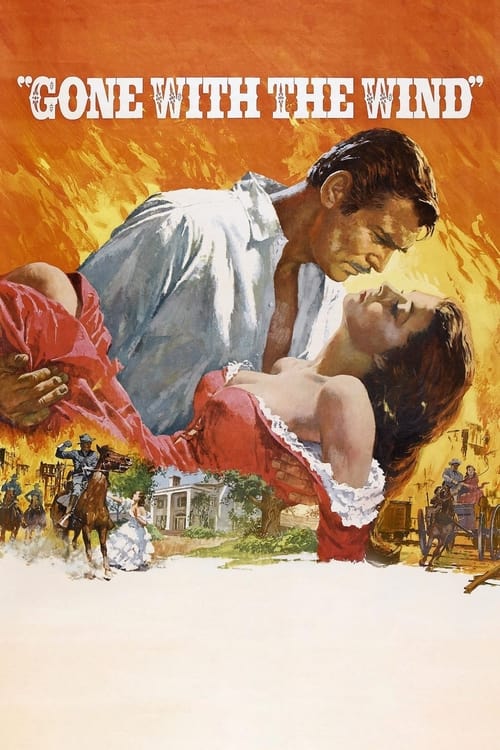
The spoiled daughter of a Georgia plantation owner conducts a tumultuous romance with a cynical profiteer during the American Civil War and Reconstruction Era.
Gone with the Wind
Presents a filmed, intercontinental conversation that links moderator Edward R. Murrow in New York with three internationally known figures located in different parts of the world. What set this apart from other televised interview/discussion programs was the fact that its participants could not see each other but could hear one another via telephone lines and radio.
Small World

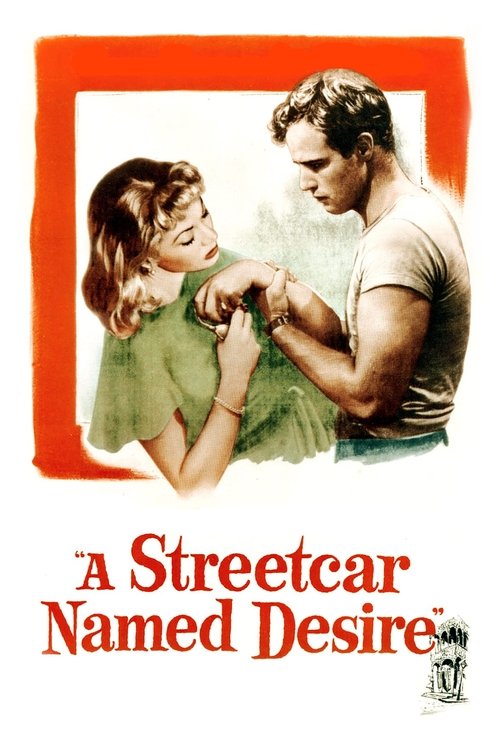
A disturbed, aging Southern belle moves in with her sister for solace — but being face-to-face with her brutish brother-in-law accelerates her downward spiral.
A Streetcar Named Desire

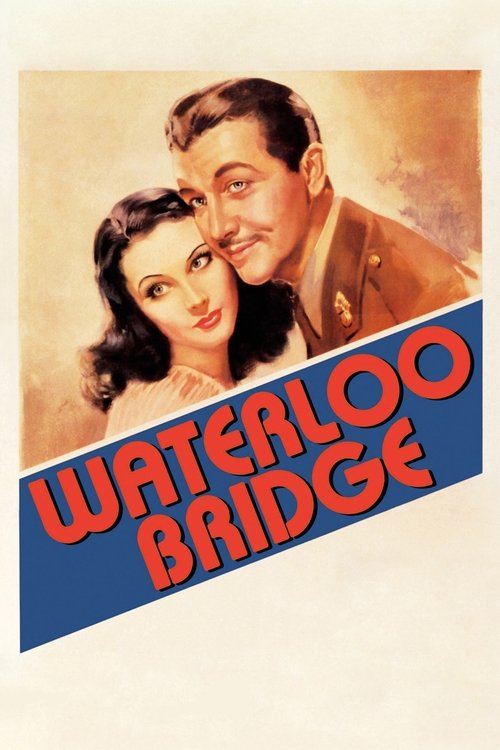
On the eve of World War II, a British officer revisits Waterloo Bridge and recalls the young man he was at the beginning of World War I and the young ballerina he met just before he left for the front.
Waterloo Bridge

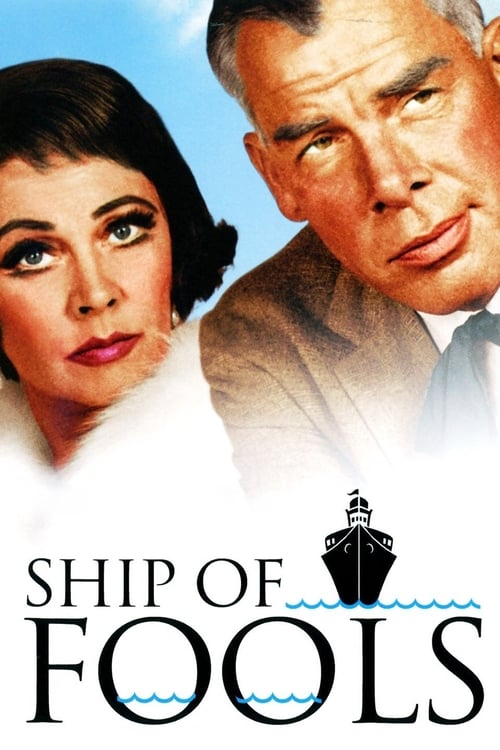
Passengers on a ship traveling from Mexico to Europe in the 1930s represent society at large in that era. The crew is German, including the ship's Dr. Schumann, who falls in love with one of the passengers, La Condesa. A young American woman, Jenny, is traveling with the man she loves, David. Jenny is fascinated and puzzled by just who some of the other passengers are.
Ship of Fools

Period music, film clips and newsreel footage combined into a visual exploration of the American entertainment industry during the Great Depression.
Brother, Can You Spare a Dime?

Some of MGM'S musical stars review the studios history of musicals. From The Hollywood Revue of 1929 to Brigadoon, from the first musical talkies to Gene Kelly in Singin' in the Rain.
That's Entertainment! III

A deliciously scandalous portrait of unsung Hollywood legend Scotty Bowers, whose bestselling memoir chronicled his decades spent as sexual procurer to the stars.
Scotty and the Secret History of Hollywood

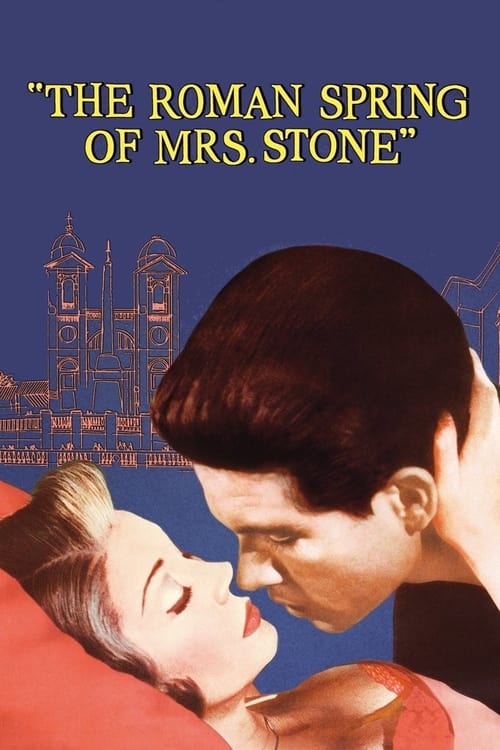
Critics and the public say Karen Stone is too old -- as she approaches 50 -- for her role in a play she is about to take to Broadway. Her businessman husband, 20 years her senior, has been the angel for the play and gives her a way out: They are off to a holiday in Rome for his health. He suffers a fatal heart attack on the plane. Mrs. Stone stays in Rome. She leases a magnificent apartment with a view of the seven hills from the terrace. Then the contessa comes calling to introduce a young man named Paolo to her. The contessa knows many presentable young men and lonely American widows.
The Roman Spring of Mrs. Stone

No description available.
Iconic Couples of Hollywood

This 1940 presentation features highlights of earlier (1928 onward) Oscar ceremonies including Shirley Temple and Walt Disney, plus acceptance speeches for films released in 1939 with recipients and presenters including Vivien Leigh, Judy Garland, Hattie McDaniel, Fay Bainter, Mickey Rooney, Thomas Mitchell, Sinclair Lewis, and more, with host Bob Hope.
Cavalcade of the Academy Awards

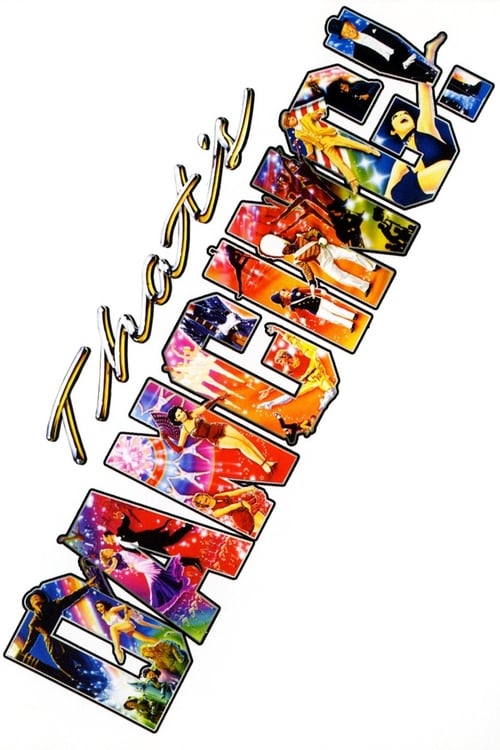
A documentary film about dancing on the screen, from its origins after the invention of the movie camera, over the movie musical from the late 20s, 30s, 40s, 50s, and 60s, up to the break dance and music videos from the 80s.
That's Dancing!

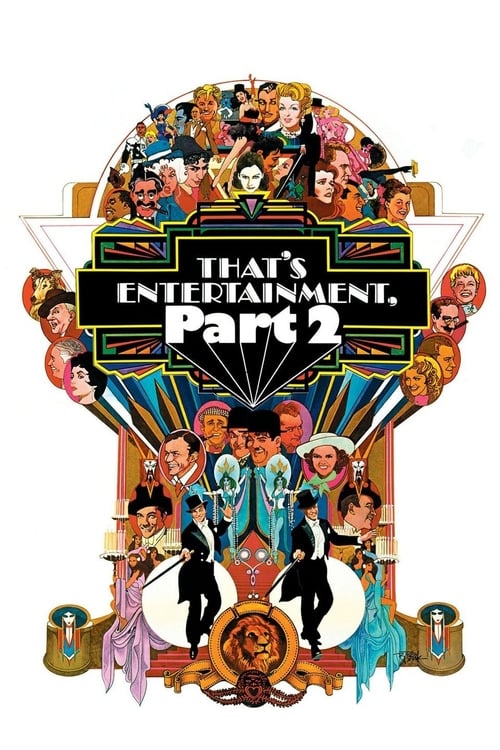
Gene Kelly and Fred Astaire present more golden moments from the MGM film library, this time including comedy and drama as well as classic musical numbers.
That's Entertainment, Part II

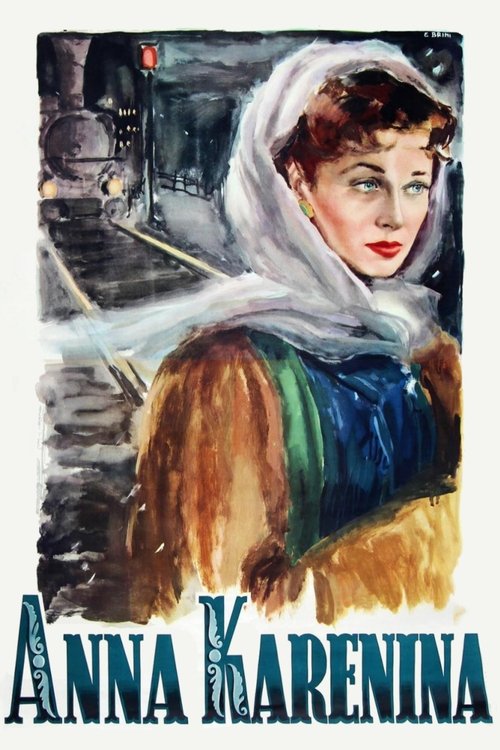
In Imperial Russia, Anna, wife of the officer Karenin, goes to Moscow to visit her brother. On the way, she meets charming cavalry officer Vronsky, to whom she's immediately attracted. But in St. Petersburg’s high society, a relationship like this could destroy a woman’s reputation.
Anna Karenina

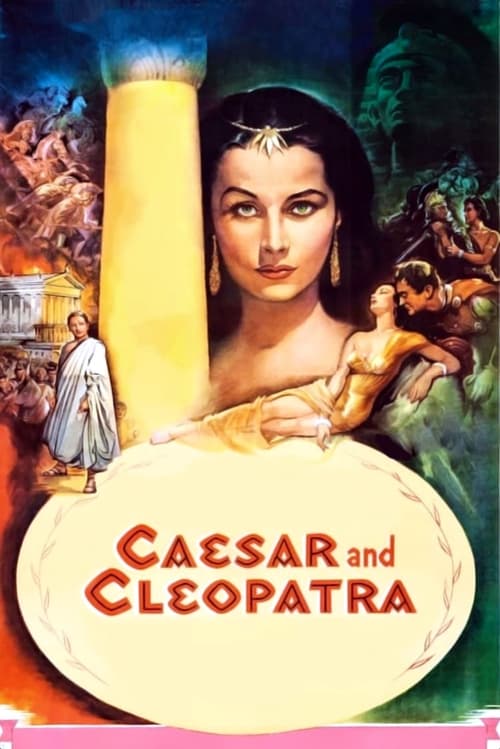
The aging Julius Caesar finds himself intrigued by the young Egyptian queen Cleopatra.
Caesar and Cleopatra

The story of courtesan and dance-hall girl Emma Hamilton, including her relationships with Sir William Hamilton and Admiral Horatio Nelson and her rise and fall, set during the Napoleonic Wars.
That Hamilton Woman

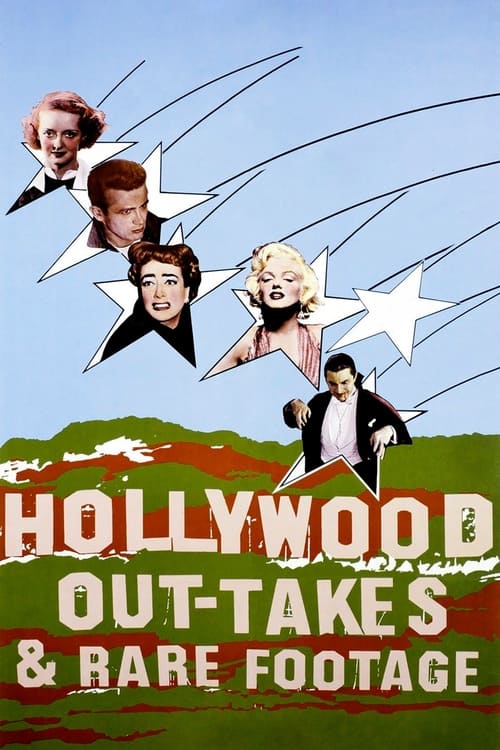
Out-takes (mostly from Warner Bros.), promotional shorts, movie premieres, public service pleas, wardrobe tests, documentary material, and archival footage make up this star-studded voyeuristic look at the Golden age of Hollywood during the 30s, 40, and 50.
Hollywood Out-takes and Rare Footage

Marooned sailors discover a World War II ship haunted by its late captain.
The Extraordinary Seaman

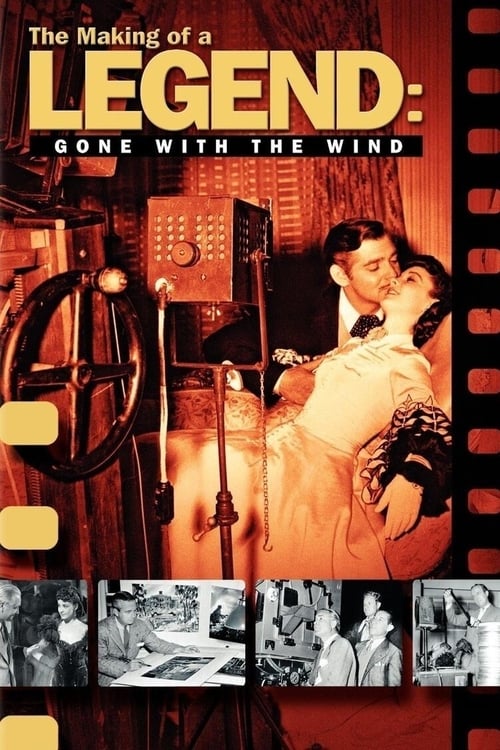
This documentary revisits the making of Gone with the Wind via archival footage, screen tests, insightful interviews and rare film footage.