Acting
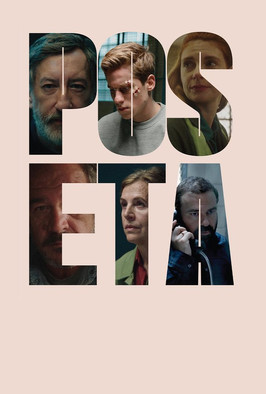
4 different stories, 4 episodes per story, so many familiar actors from Serbia and region. Visit (in jail) is connecton between stories and each story is finished at the end od fourth episode.
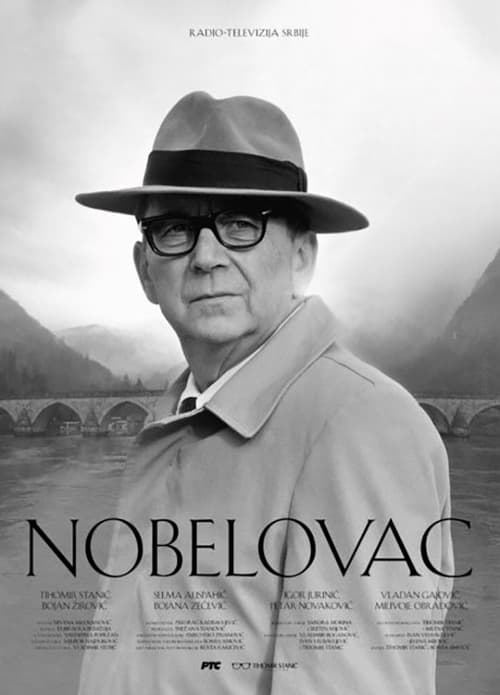
The eight-episode series follows the life of the writer Ivo Andrić during several months in the fall and winter of 1961, from the moment he found out he had won the Nobel Prize until he returned from the award ceremony, via Switzerland, to Belgrade. Each of the episodes has two parallel streams of narration: one, related to the year 1961, in which we follow Andrić's preparations for going to Stockholm, and the second, a subjective jump back to the past. Andrić's view of the key moments of his own life, which were almost always the key moments of the country where he lived and lives, the encounters and decisions he made, is full of questioning, doubts and re-evaluation. Through eight episodes, the most important, well-known and less well-known, paths that Andrić walked, the faces that surrounded him and the places where he lived during the winter of 1961 and throughout his life are revealed and followed.
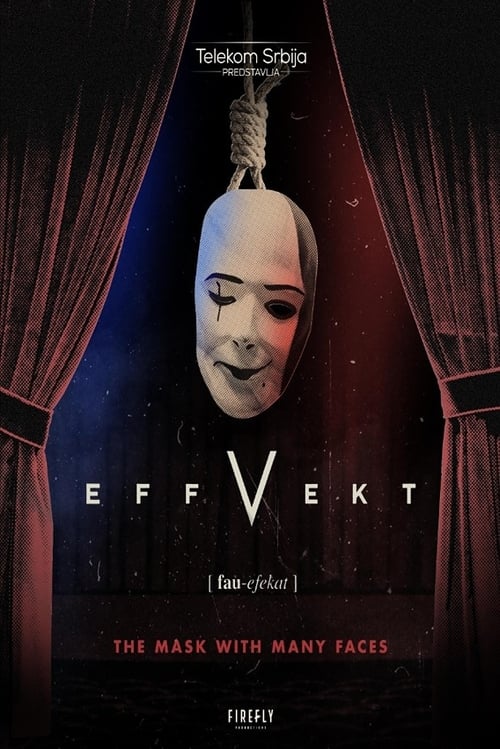
The modern theater is preparing for the premiere of the long-awaited play that was a huge success in the mid-1980s. However, as the entire ensemble eagerly awaits the big night, they begin to receive anonymous threats. In order to solve the case, Svetlana Sorga, an experienced inspector of the Belgrade Police Department, begins the investigation. On the night of the premiere, a famous actor dies on stage while performing a suicide scene within the play. As Inspector Sorga digs deeper into the case, she becomes both intrigued and frightened by the strange world hidden behind the theater's curtains. Despite the challenges she faces, Sorga is determined to uncover the truth and determine whether the actor's death was an accident, suicide or murder.
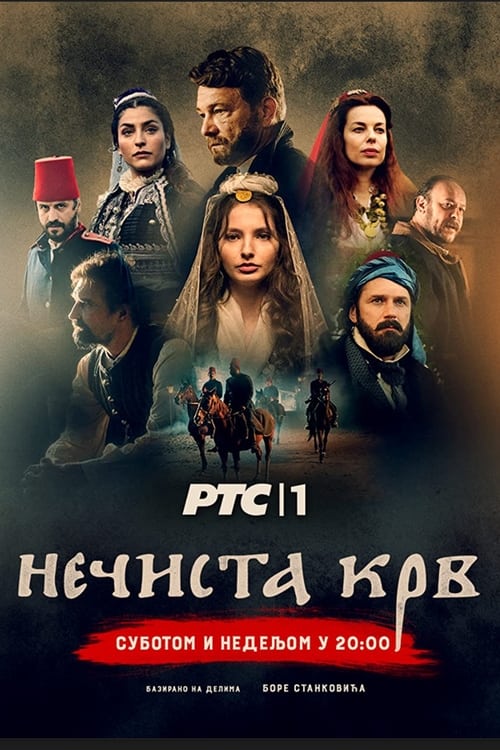
A story that follows three generations of a rich Serbian Christian family in the 19th century in the north of the then Ottoman Empire in the city of Vranje, who are fighting for survival through various moral crises, facing decline. Forbidden love, intrigue, murder, arranged marriages, revenge, friendship and enmity between Serbs, Albanians and Turks and the endangered position of women at that time
TV series which serves as an extended version of the eponymous feature film.
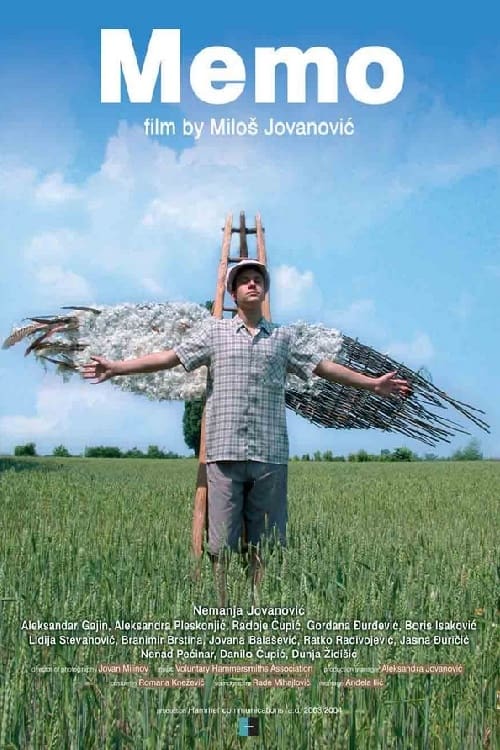
The story of the film is set in the period from the 1940s until today in the Pannonian plain (the plain in the Central Europe), in an area of elusive boundaries, mysterious and unstable spiritual identity. The witness of the time is a Jewish boy Benya Cohn who, with his eye wide open, remembers the tragedy of his family, in the shadow of the Holocaust, concentration camps and new wars.
In a city owned by local television owner Dragan Zlokovic-Zli, books and culture are banned. The mysterious narrator - Senka, hires three private detectives to overthrow Zlokovic from the media.
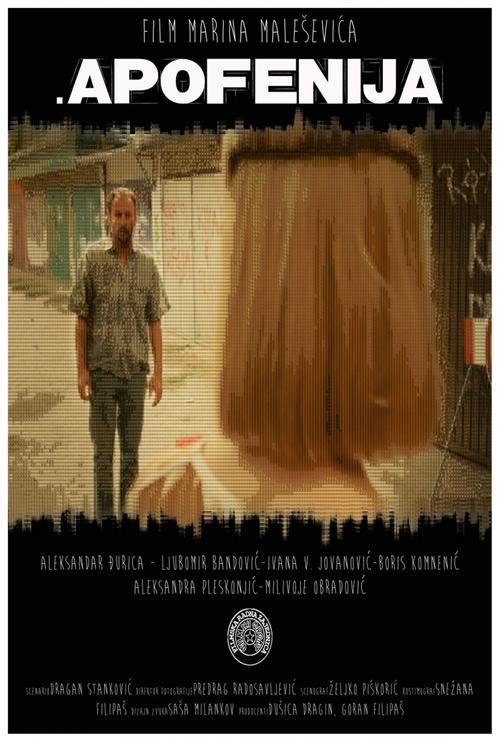
Relying on the work of Letonian scientist Constantine Raudive, Marko Mazibrada, a psychiatrist disappointed in his profession, performs experiments aimed to empirically determine whether there is life after death, by phenomenon of apophenia. Together with Simon Besedić, alcoholic and editor of Armageddon Monthly, the magazine that deals with the paranormal phenomena, Nikola Mrzopoljić, manual labourer and paterfamilias, and Eta, pharmacist and unusual prostitute which Besedić offers a relationship, he experiences a sequence of weird events...
Nikola is about 40 years old and is the leading star of the reality program called "Three Minutes of Fame". In practice, it looks like he rudely insults people who sign up for that show, and that's why he's highly valued and well paid. His vicious and poisonous words magnetically attract the audience and the ratings skyrocket. (5 episodes)
Nebojša comes to the countryside with his wife and son to celebrate his mother’s birthday. The family is trying to spend an idyllic weekend together, but the harmony is shaken up by Nebojša’s recent love affair. They are trying to cope, but as the day goes by, it’s getting harder for everyone to stand the situation.
During the excavation of ancient Roman ruins, an old archaeology professor accidentally opens the gate between our world and the world of the dead.
The action takes place in 1943 and today, and a Partisan school in Srem is in the center of action. A young journalist gets appointed to shoot a film report about the participants in the Liberation War from this area. In Srem village she meets common, simple people. She discovers that a free territory and a Partisan school was there. She also finds out that everybody acted as one. Deply going through all of those events, young reporter grows mature, identifying herself with the revolution participants.
The 1983 theatrical film of the same name reedited into a three part mini-series.
The “terrifying true story” of the first televised exorcism on NBC in 1971. Millions around the country watched the program that was recorded in Chicago. The NBC news segment was a success, the exorcism was not. Instead, it made things worse for the Becker family who lived there. Much worse.
In one Vojvodinian castle, the preparations for the play that will be performed by members of the Association of the blind are in the process. The play is dedicated to the Jews from America who are supposed to come and visit the place of their ancestor's massacre in 1942, during a raid in Novi Sad. The plot was to be carried out according to the original stories of witnesses who have gone through this tragic event. However, the initiators of the show manipulate the blind people in order to smuggle bombs for Albanian terrorists.
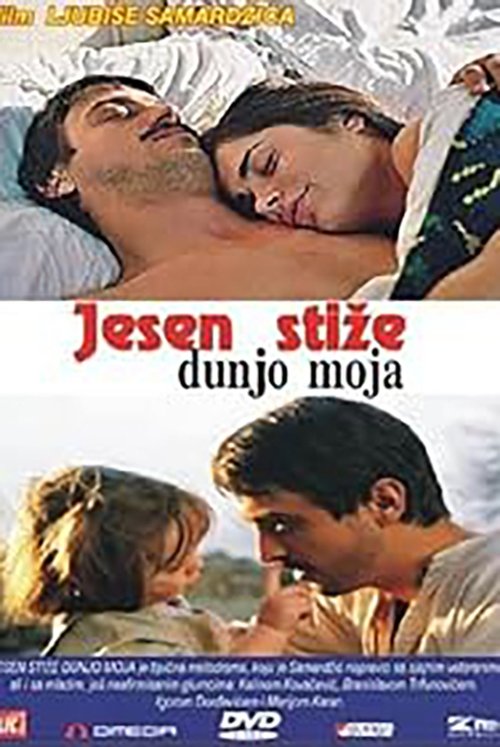
Dramatization of a story of Vasa Ladački, inspired by the famous Balašević song. The story of a man who didn't have the courage to stand for the one he loved.
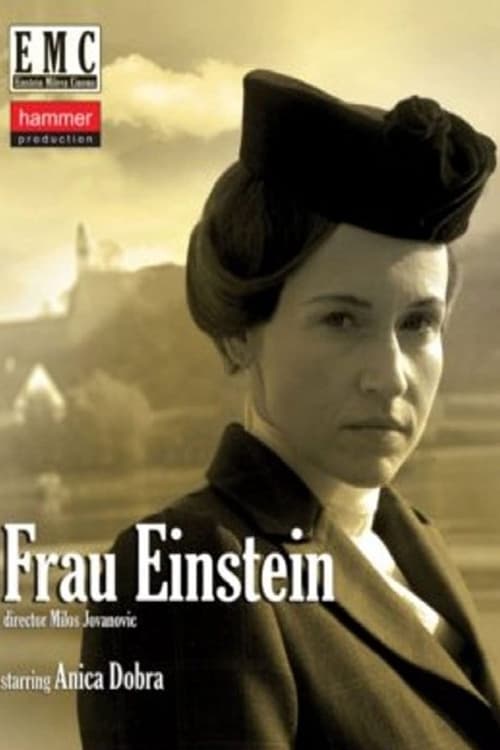
This film is a fascinating story about the life of Mileva Maric, a Serbian woman who was Albert Einstein’s first wife. It is an uplifting dramatic story about a woman who was a life companion during the most fruitful period of Einstein’s scientific work. Mileva intentionally carried to her grave one of the greatest secrets of modern science about her real contribution to the scientific work of Albert Einstein. Beside this eternal mystery, the film wishes to depict the love and dedication of Mileva to his husband’s fate, carrying herself a real Central European destiny of the first half of the XXth century.
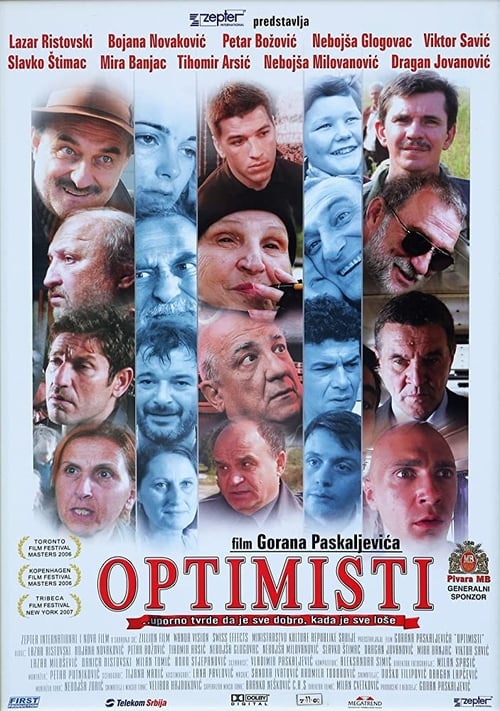
Five scenarios in which people have trouble distinguishing truth from illusions. Each segment reflects the motto of Voltaire's Candide: "Optimism is insisting everything is good, when everything is bad."
An experimental work based on the writings of prominent Yugoslav Dadaists.
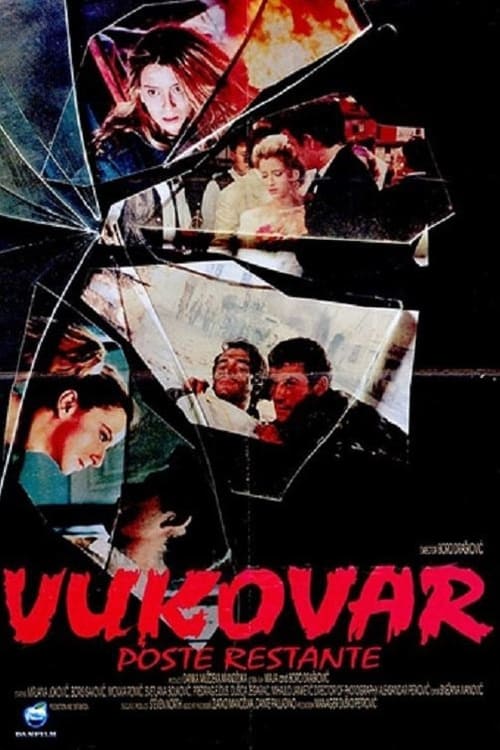
The violent break-up of former Yugoslavia is described from the Serbian point of view, using the story of ethnically mixed couple in war-torn city of Vukovar as metaphor.