Acting
A quirky spy show of the adventures of eccentrically suave British Agent John Steed and his predominantly female partners. Jonathan Steed - an urbane, proper gentleman spy - teams with various assistants throughout the series' run, including Dr. David Keel, Cathy Gale, Emma Peel and Tara King, to repeatedly save the world from diabolical schemes plotted by equally diabolical evil-doers (among them robots and man-eating monsters).
The BBC Television Shakespeare is a series of British television adaptations of the plays of William Shakespeare, created by Cedric Messina and produced by BBC Television. It was transmitted in the UK from 3 December 1978 to 27 April 1985 and spanned seven series. Development of the series began in 1975 when Messina saw that Glamis Castle would make a perfect location for an adaptation of Shakespeare's play As You Like It. On returning to London, he envisioned an entire series devoted exclusively to the dramatic works of Shakespeare. After encountering numerous problems trying to produce the series, Messina eventually pitched the idea to the BBC’s departmental heads and the series was greenlighted. The series as a whole received generally negative reviews from critics.
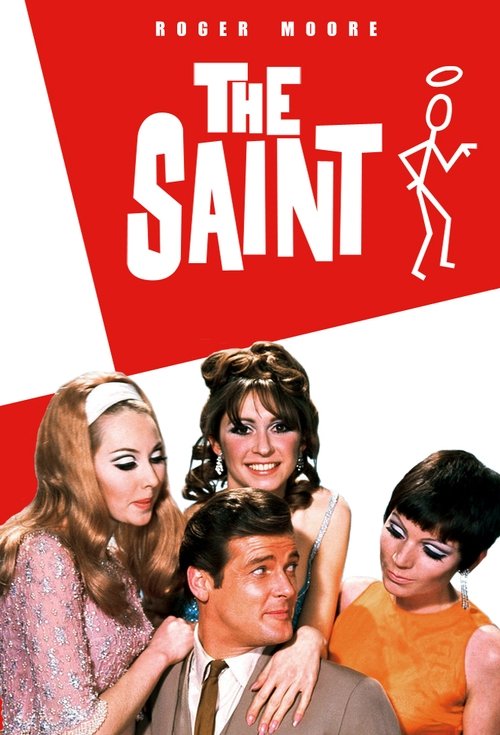
Simon Templar is The Saint, a handsome, sophisticated, debonair, modern-day Robin Hood who recovers ill-gotten wealth and redistributes it to those in need.
Inspector Morse is a detective drama based on Colin Dexter's series of Chief Inspector Morse novels. The series starred John Thaw as Chief Inspector Morse and Kevin Whately as Sergeant Lewis, as well as a large cast of notable actors and actresses.
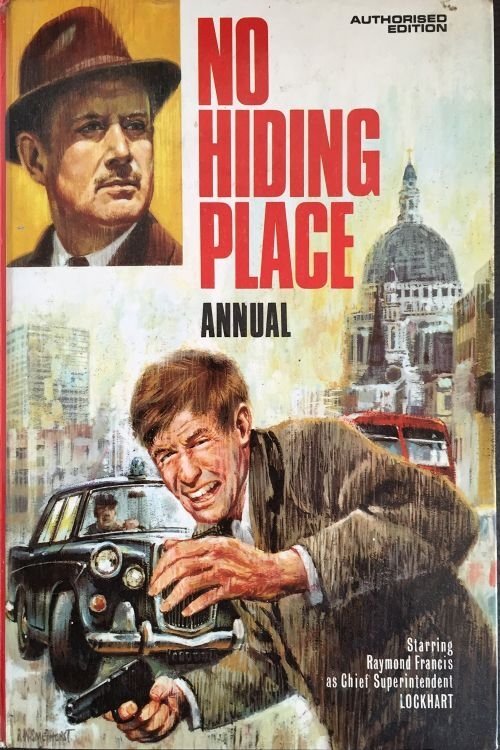
No Hiding Place is a British television series that was produced at Wembley Studios by Associated-Rediffusion for the ITV network between 16 September 1959 and 22 June 1967. It was the sequel to the series Murder Bag and Crime Sheet, all starring Raymond Francis as Detective Superintendent, later Detective Chief Superintendent Tom Lockhart.
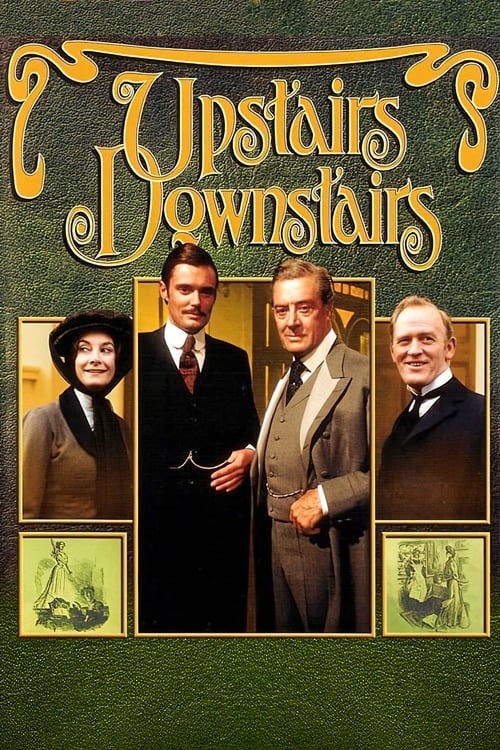
Upstairs: the wealthy, aristocratic Bellamys. Downstairs: their loyal and lively servants. For nearly 30 years, they share a fashionable townhouse at 165 Eaton Place in London’s posh Belgravia neighborhood, surviving social change, political upheaval, scandals, and the horrors of the First World War.
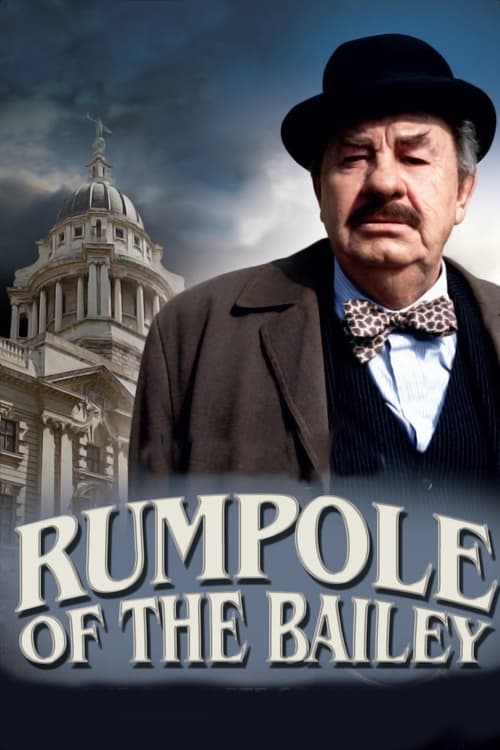
Rumpole of the Bailey is a British television series created and written by the British writer and barrister John Mortimer. It stars Leo McKern as Horace Rumpole, an aging London barrister who defends any and all clients, and has been spun off into a series of short stories, novels, and radio programmes.
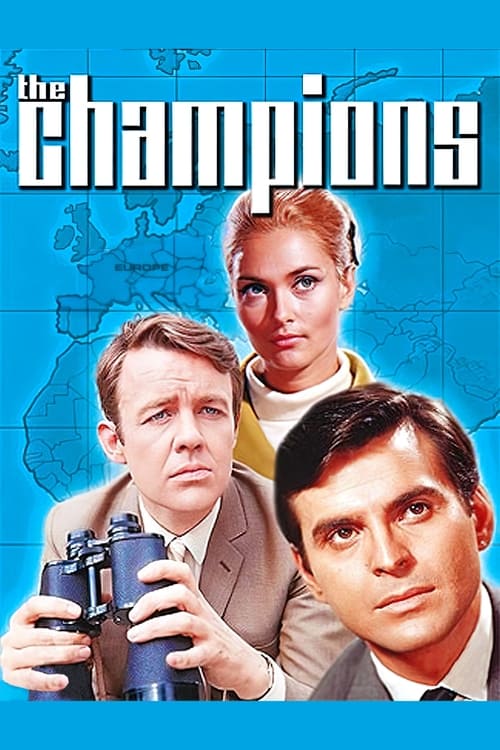
After a plane carrying three Agents crashes in the Himalayas, they are rescued by an advanced civilisation secretly living in Tibet who grant them enhanced versions of the ordinary five senses, and intellectual and physical abilities.
After his death, Fred Mumford wants a second chance at achieving the success that eluded him in life. Coming back to Earth as a spirit, he recruits a Victorian gent and a medieval jester to set up 'Rentaghost', a supernatural service for wanted hauntings.
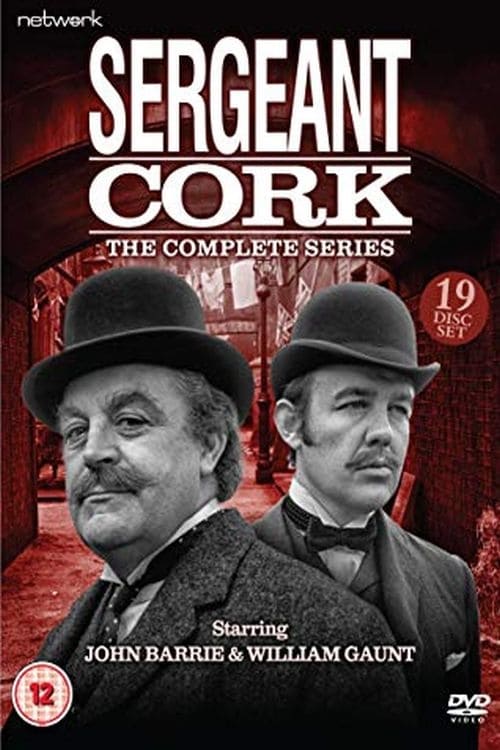
Sergeant Cork is a British detective television series which first aired between 1963 and 1968 on ITV. It was a police procedural show that followed the efforts of two police officers and their battle against crime in Victorian London. In all 66 hour-long episodes were aired during the five-year run, although the last episode was not broadcast until January 1968, 16 months after the others. Journalist Tom Sutcliffe has credited it as a first example of the use of the Victorian-era policeman in a television crime series. A 1969 review in The Age opined that rather than suspense, the strengths of the series were its "excellent period settings and wonderfully thick pea-soupers" which "add up to splendid evocative stuff", as well as the performance of star John Barrie. At no time during the whole series is Sergeant Cork's first name given.
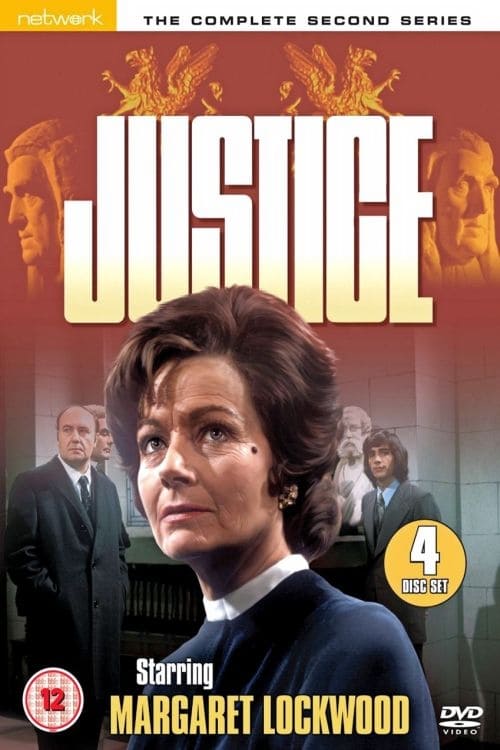
Justice is a British drama television series which originally aired on ITV in 39 hour-long episodes between 8 August 1971 and 16 October 1974. Margaret Lockwood stars as Harriet Peterson a female barrister in the North of England. It was made by Yorkshire Television and was based loosely on Justice Is a Woman, an episode of ITV Playhouse broadcast in 1969 in which Lockwood had previously also played a barrister. The theme music was Crown Imperial by William Walton.
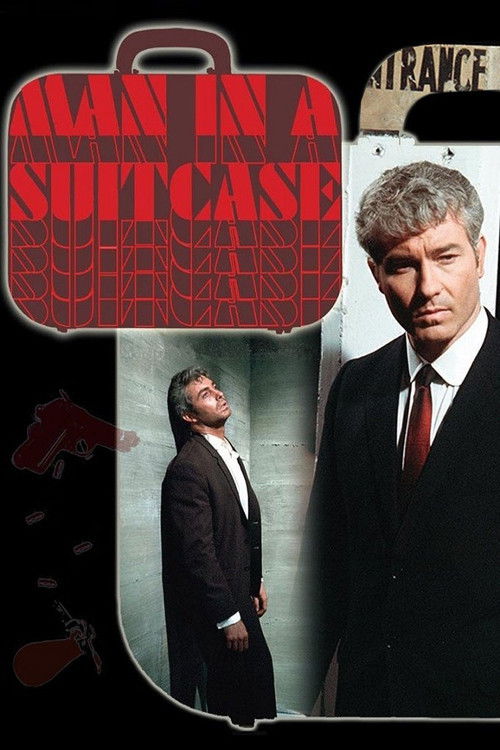
Accused of treason, a former U.S. intelligence officer based in London tries to clear his name, taking on freelance jobs around Europe as he searches for answers.
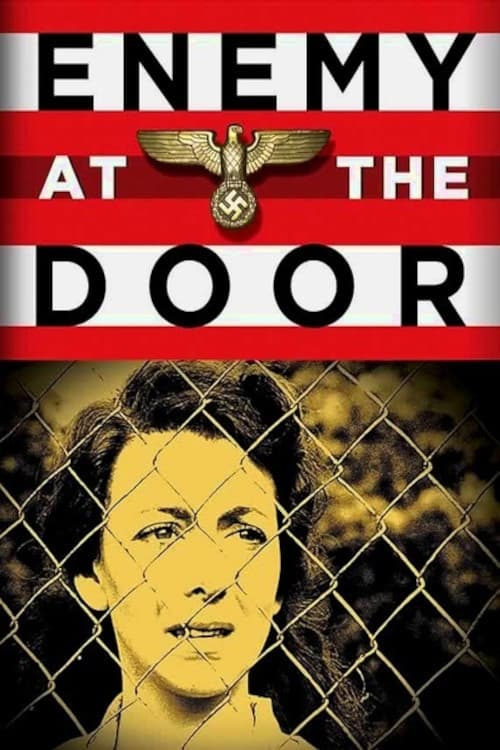
Enemy At The Door is a British television drama series made by London Weekend Television for ITV. The series was shown between 1978 and 1980 and dealt with the German occupation of Guernsey, one of the Channel Islands, during the Second World War. The programme generated a certain amount of criticism in Guernsey, particularly for being obviously filmed on Jersey despite being ostensibly set on Guernsey. The series also marked the TV debut of Anthony Head as a member of the island resistance. The theme music was by Wilfred Josephs.
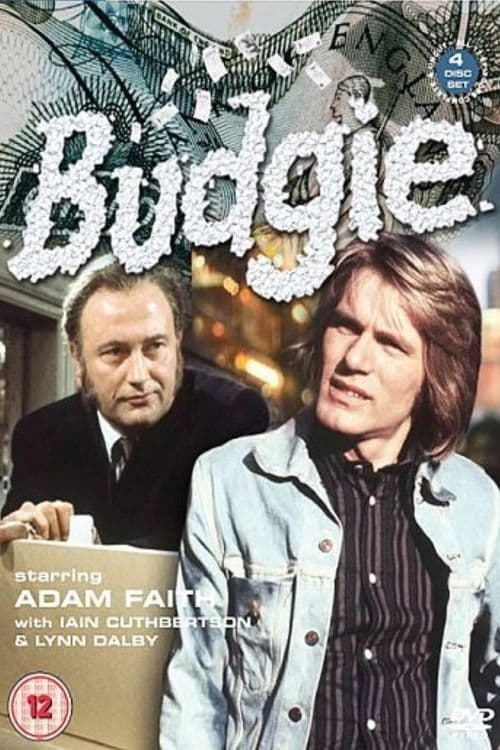
Budgie is a popular British television series starring former popstar Adam Faith which was produced by ITV company London Weekend Television and broadcast on the ITV network between 1971 and 1972. The series was created by Keith Waterhouse and Willis Hall . The show was produced by Verity Lambert, Rex Firkin was the Executive producer.
Story Parade specialized in adaptations of modern novels. It was broadcast on June 5, 1964 and repeated on August 28, 1964. The teleplay was by Terry Nation (who invented "Blake's 7" and the Daleks in Dr. Who), and Elijah Baley was played by the late Peter Cushing. It also starred John Carson John Carson as R. Daneel Olivaw and Kenneth J. Warren. The master tapes of the program were erased, however a few clips from the production have turned up in various documentaries about Isaac Asimov's work.
Starring Paul Shelley in a role reminiscent of his Secret Army character in all but name, this 12-part serial follows a team of secret agents parachuted into occupied Europe during World War II, exploring their recruitment, training, and first mission behind enemy lines.
A story of two sisters attempting to find happiness in the tightly structured society of 18th century England. Elinor, disciplined, restrained and very conscious of the manners of the day, represents sense. Outspoken, impetuous, emotional Marianne represents sensibility.
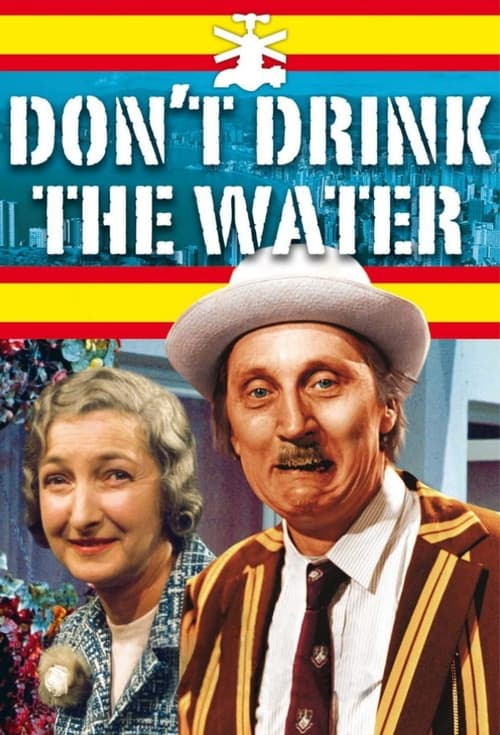
This short-lived sequel to On the Buses (1969) saw Blakey move to Spain with his sister.
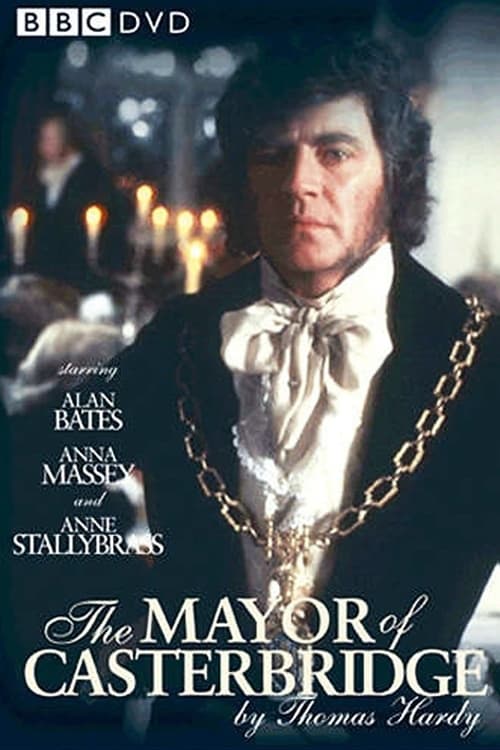
The Mayor of Casterbridge is a 1978 BBC seven-part serial based on the eponymous 1886 book by the British novelist Thomas Hardy. The six-hour drama was written by dramatist Dennis Potter and directed by David Giles, with Alan Bates as the title character. Michael Henchard, an out-of-work hay-trusser, gets drunk at a fair and, for five guineas, sells his wife and child to a sailor. When the horror of his act finally sets in, Henchard swears he will not touch alcohol for twenty-one years. Through hard work and acumen, he becomes rich, respected, and eventually the mayor of Casterbridge. But eighteen years after his fateful oath, his wife and daughter return to Casterbridge, and his fortunes steadily decline.
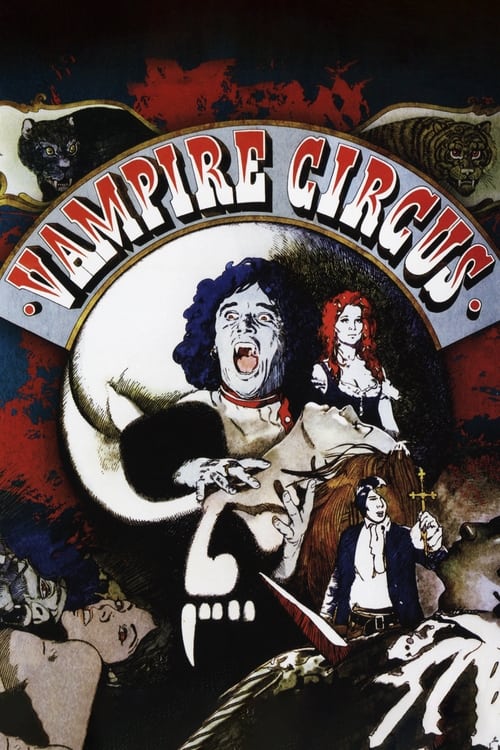
After a spate of murders, the villagers of Schtettel kill the depraved perpetrator, Count Mitterhouse. Fifteen years later the Circus of Nights appeared in the plague-ridden village and its performers include Mitterhouse's mistress, children and cousins. They have come to Schtettel to fulfil the Count's last words, an evil, vicious curse of death and destruction on those who participated in his impaling. The children of Schtettel become the targets for a brutal and devastating revenge as the Vampire Circus rehearses for its most deadly performance.