Directing
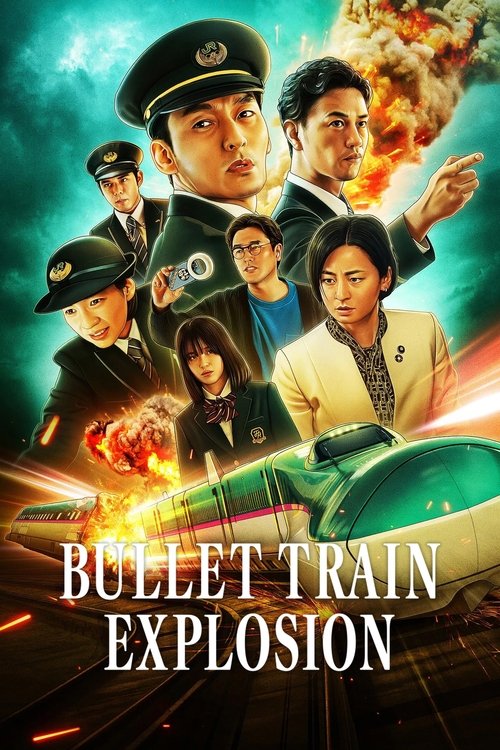
When panic erupts on a Tokyo-bound bullet train that will explode if it slows below 100 kph, authorities race against time to save everyone on board.
Since the start of broadcasting in 1989, it is a documentary series that pursues the essence in the spirit of “NONFIX”. It is one of the few programs that can remove the shackles as a commercial broadcaster and directly reflect the message that the production side wants to convey to the program.There are many young and talented directors here, and "edgy works" capture the hearts of viewers every time.
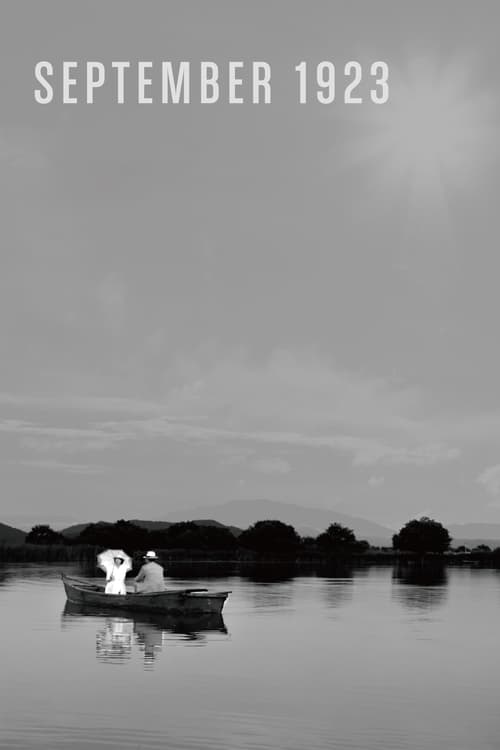
Based on the murder of nine street peddlers in the aftermath of the Great Kanto earthquake.
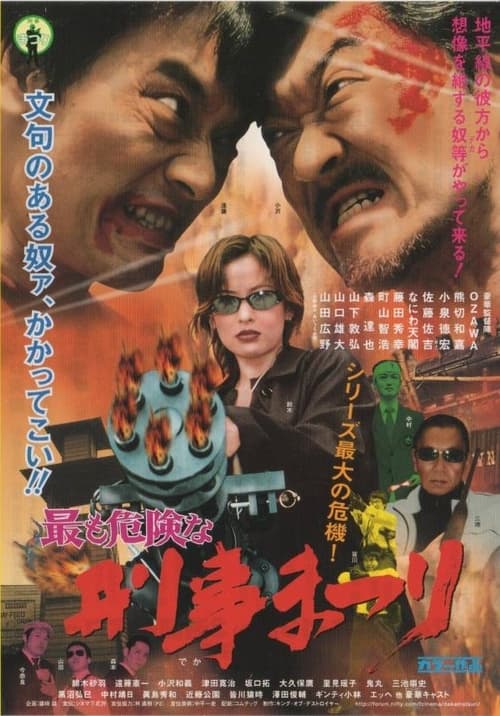
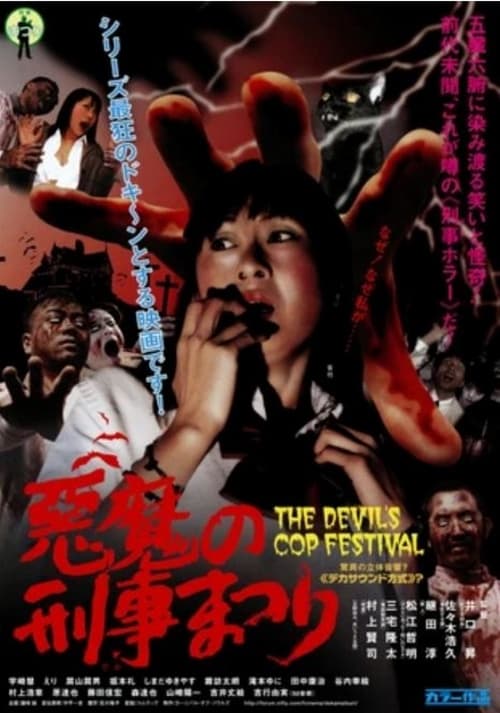
Third installment of the Deka Matsuri omnibus series. 11 films made under the conditions: "the main character must be a detective" "the length must not exceed 10 minutes" "at least five gags must be included"
Two sexually energized young women who live in a high-rise apartment building happen one day to spy from their window a mother and son making love in the apartment across from theirs. They decide to stage a rescue attempt to free him and in the process one of the young women ends up falling in love with the son despite having a boyfriend and enjoying sex with her female companion. Of course, the mother they are warring against has her own plans when she feels her privacy invaded.
Riku Tsuneta works as rookie AD at a TV station. He is assigned to the “unconfirmed material center” where they arrange lots of program materials. These program materials were found at the TV station when it moved locations. He works with Director Saori Nikaido and Producer Satoru Sayama. Riku is disappointed that he is working there, but he spends his days arranging VTR. One day, he finds recorded material showing a supernatural phenomenon.
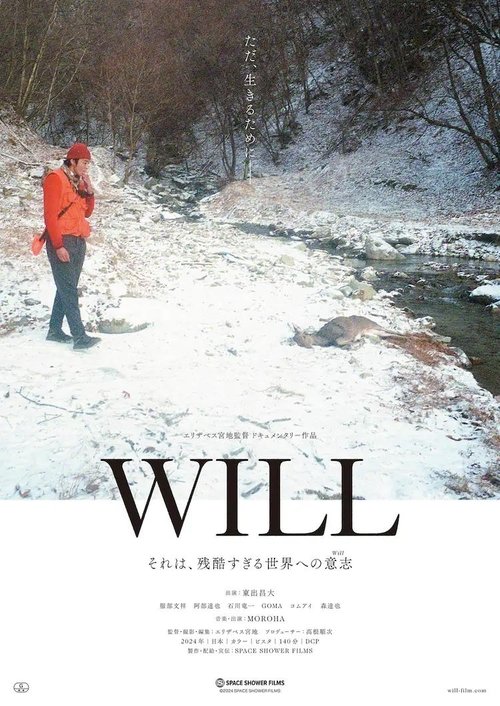
Actor Higashide Masahiro lives off-grid in the mountains, hunting and surviving without modern amenities. Over a year, he faces personal challenges and connects with others.
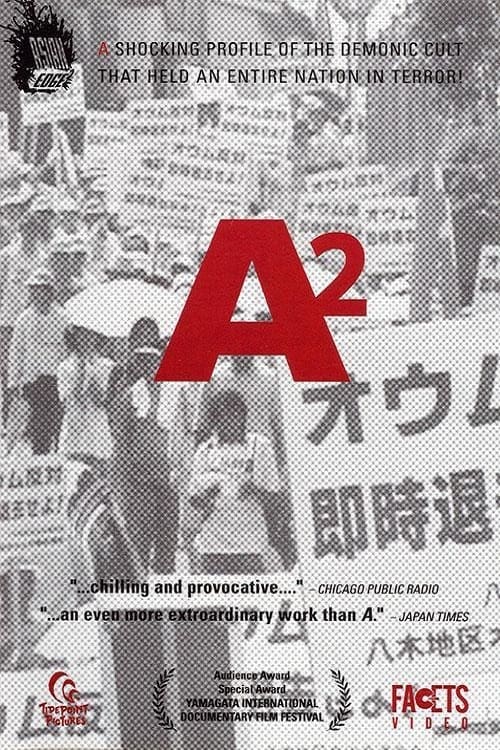
Roughly chronological, from 3/96 to 11/96, with a coda in spring of 1997: inside compounds of Aum Shinrikyo, a Buddhist sect led by Shoko Asahara. (Members confessed to a murderous sarin attack in the Tokyo subway in 1995.) We see what they eat, where they sleep, and how they respond to media scrutiny, on-going trials, the shrinking of their fortunes, and the criticism of society. Central focus is placed on Hiroshi Araki, a young man who finds himself elevated to chief spokesman for Aum after its leaders are arrested. Araki faces extreme hostility from the Japanese public, who find it hard to believe that most followers of the cult had no idea of the attacks and even harder to understand why these followers remain devoted to the religion, if not the violence.
A2 is a continuation of director Tatsuya Mori's film A (1998), an incredible view inside the compound of Japan's Aum Shinrikyo cult after its leaders carried out the deadly sarin gas attacks on the Tokyo subway in 1995. Most followers had no idea that the attacks were being planned, or even that their new religion had violent aspirations. After the attacks, these followers were left to rebuild the religion where they had once found peace in the face of overwhelming, and understandable, condemnation from the rest of Japan. Central focus is placed on Hiroshi Araki, a young man who finds himself elevated to chief spokesman for Aum after its leaders are arrested. Araki faces extreme hostility from the Japanese public, who find it hard to believe that most followers of the cult had no idea of the attacks and even harder to understand why these followers remain devoted to the religion, if not the violence.
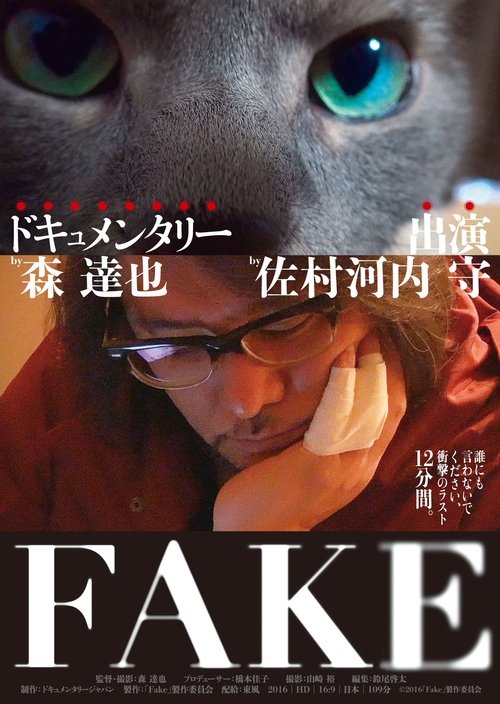
Born to atomic bomb survivors in Hiroshima, Mamoru Samuragochi, a self-taught classical composer with a degenerative condition causing deafness, was celebrated as a "Japanese Beethoven" for the digital age. However, just prior to the 2014 Winter Olympics, where Samuragochi's "Sonatina for Violin" was to accompany figure skater Daisuke Takahashi, part-time university lecturer Takashi Niigaki revealed that he had served as the composer's ghostwriter for 18 years, that Samuragochi couldn't notate music and, in fact, could hear perfectly. As Samuragochi's recordings were pulled and performances cancelled, Niigaki enjoyed success on TV talk shows. Filmmaker Tatsuya Mori finds Samuragochi in his small Yokohama apartment with his wife and cat, ready to tell his side of the story. A mesmerizing character study skewering media duplicity and constructions of ability/disability, in which Samuragochi's career has collapsed, taking fact and fiction with it.
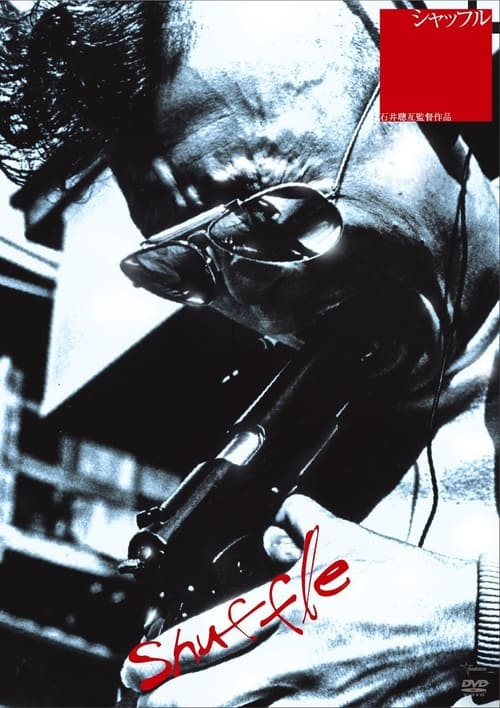
Hiroshi Kobayashi is on the run from police who would arrest him for the murder of his girlfriend Naomi. At the same time, he wants revenge on the yakuza member Kimura who got her stuck in drugs. The entire film consists of a long hunting-scene.
Fifth installment of Deka Matsuri omnibus series. Six films
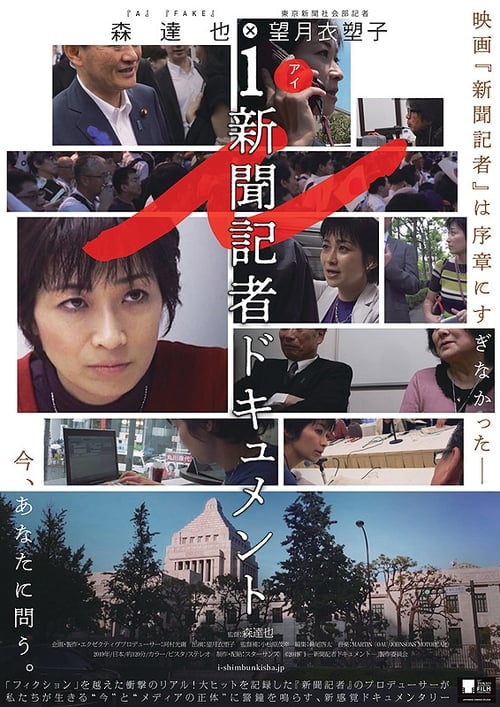
In Japan, there is an informal agreement between mainstream media and the government that is hardly ever questioned: Journalists are not too persistent in their criticism, in turn representatives of the government grant direct access to select information through press conferences. Isoko Mochizuki, reporter for the Tokyo Shimbun newspaper, has established herself as a spoilsport in this system.
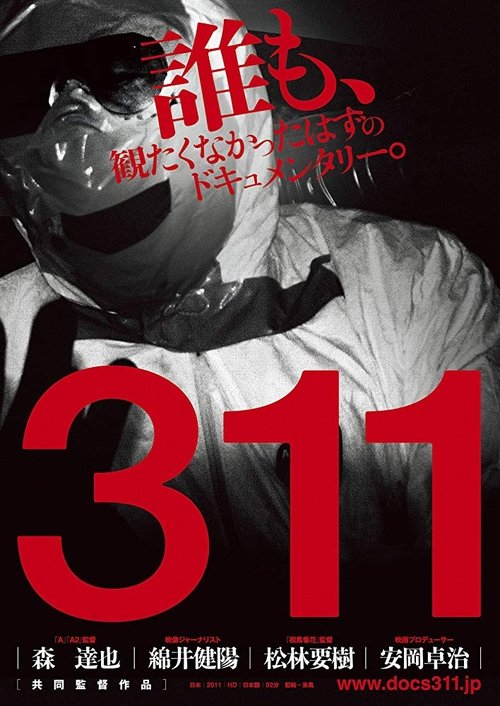
Two weeks after the earthquake, writer and movie director Tatsuya Mori, journalist Takeharu Watai, movie director Yojyu Matsubayashi, and movie producer Takuji Yasuoka, headed for the disaster stricken area, not thinking this film would become a production. "Only to confirm the situation" was their common objective.
No description available.
What is the mystery hidden in the lyrics of the well-known folk song "Kagome kagome", At dawn, the vines and the turtles slipped, the front of the back is that one. In order to find out the mystery, Tatsuya Mori set out on a trip "with his wife!
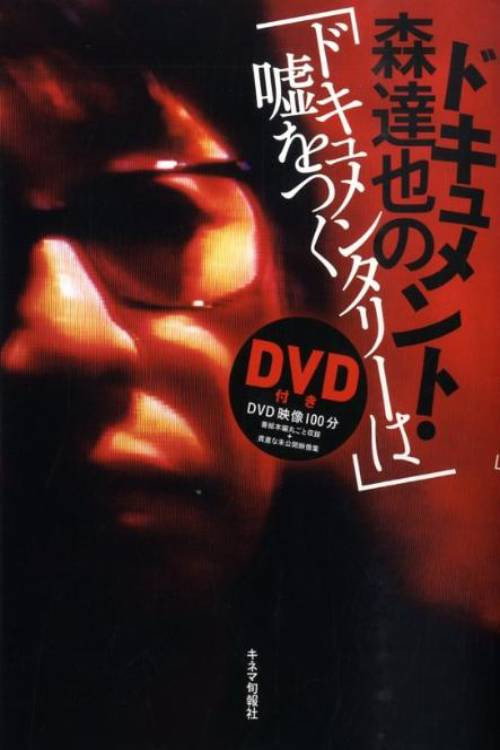
Eight years after the shocking documentaries A and A2, which examined the Aum Shinrikyo affair that shook Japan, director Tatsuya Mori finally returned to filmmaking. Documentaries Tell Lies, broadcast on the TV Tokyo network in 2006, was an extraordinarily provocative work that challenged conventional assumptions about television. Watch it and read it, and the way you view television may never be the same.