Directing
Can the National Football League’s appeal win over the hearts of fans in Germany and around the world for the long term? In “THE GAME – The NFL Takes Over Germany,” RTL explores this question in a high-quality, premium documentary and tells the extraordinary success story of the world’s largest sports league. Starting with the NFL Berlin Game in November 2025, the documentary traces the NFL’s rise from its historic beginnings to its status as a modern mega-event—featuring exclusive insights and interviews with, among others, NFL commissioners Roger Goodell and Gerrit Meier, as well as current and former German-speaking NFL pros such as Bernhard Raimann, Markus Kuhn, and Björn Werner.
In December 2001, the world's media reported that a young Japanese woman, Takako Konishi, had died whilst trying to find the money hidden in the snow at the end of the Coen Brothers' film 'Fargo'. The fact that she died outside the town of Fargo was correct. The rest was not a true story. Director Paul Berczeller took it upon himself to look into this tale that the media swallowed so easily, finding that the truth was a lot more tragic and a lot less melodramatic…
No description available.
An inspirational documentary about survival and rescue, which tells the stories of people who emerged alive against all the odds from the Kings Cross train bombing
Starting in the 1890s, millions of Europeans and Americans encountered “native” Africans in person for the first time in so-called “human zoos.” This strange but once popular form of “entertainment” was long forgotten. Somali-British author Nadifa Mohamed now recounts what it was like to live in a human zoo. She tracks down the descendants of those involved, shows how people were used for racial experiments, and reveals that the remains of these “exhibited” indigenous people can still be found in museums today.
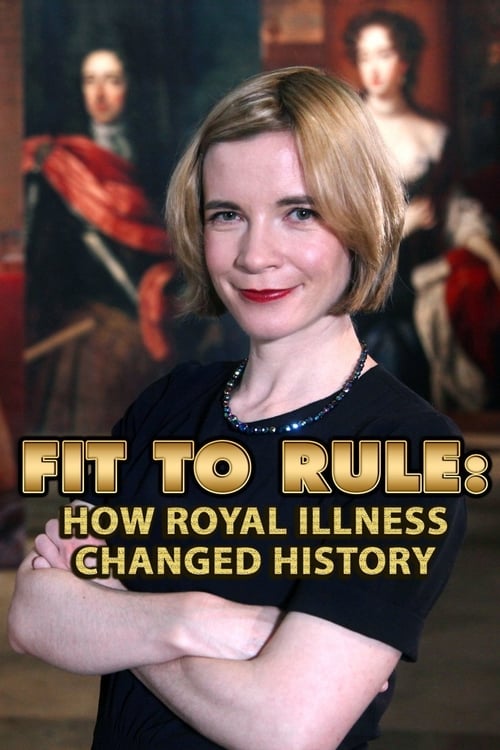
Lucy Worsley, chief curator at Historic Royal Palaces, explores how the physical and mental health of our past monarchs has shaped the history of the nation.
Lucy Worsley, chief curator at Historic Royal Palaces, explores how the physical and mental health Britain's past monarchs has shaped the history of the nation.
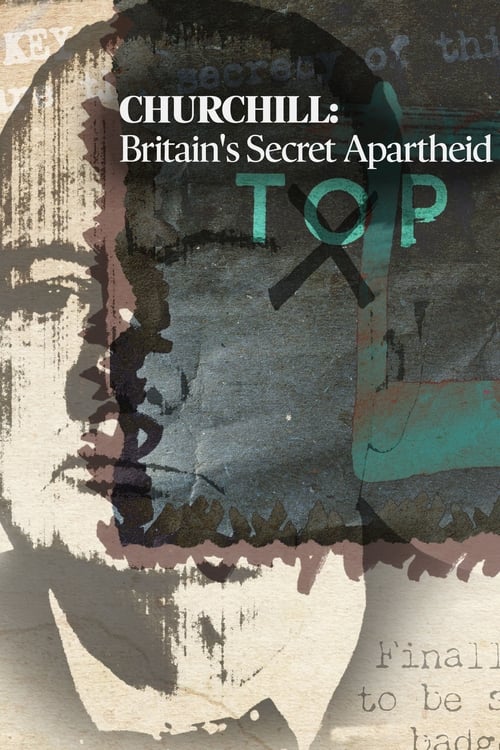
When Winston Churchill needed the help of the US Army to defeat Hitler, he made a controversial decision to allow America to bring its segregated Army to the UK. Racial tension between black and white American soldiers spilled out onto the streets of Britain, resulting in shoot-outs, riots and murders. Searching for people alive today directly impacted by the violence, the program examines its lingering impact.