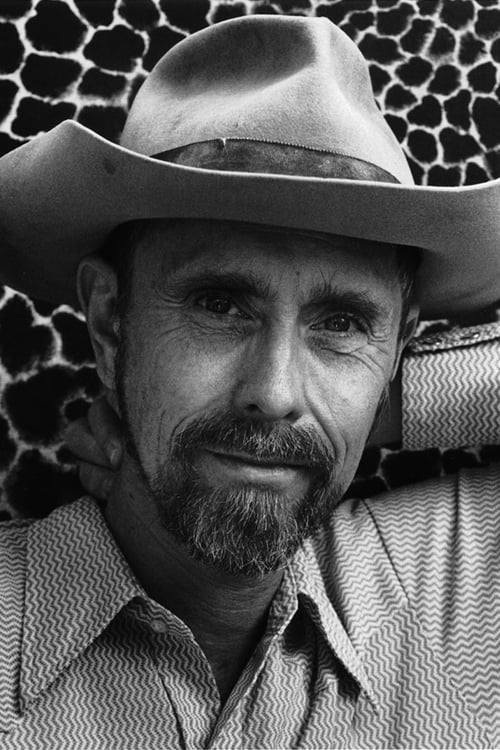
Bruce Conner
Directing
Biography
Bruce Conner (November 18, 1933 - July 7, 2008) was an American artist renowned for his work in film, drawing, sculpture, painting, collage, and photography, among other disciplines. He first attracted public attention in the 1950s with his nylon-shrouded assemblages—complex sculptures of found objects such as women's stockings, costume jewelry, bicycle wheels, and broken dolls, often combined with collaged or painted surfaces. Simultaneously during the late 1950s, he began making short movies in a singular style that has since established him as one of the most important figures in postwar independent filmmaking. He used an innovative technique that can best be seen in his first film, "A MOVIE" (1958), which was created by piecing together scraps of B-movies, newsreels, novelty shorts, and other preexisting footage. His subsequent films are most often fast-paced collages of found and new footage, and he was among the first to use pop music for film sound tracks. His films have inspired generations of filmmakers and are now considered to be the precursors of the music video genre.
Known For
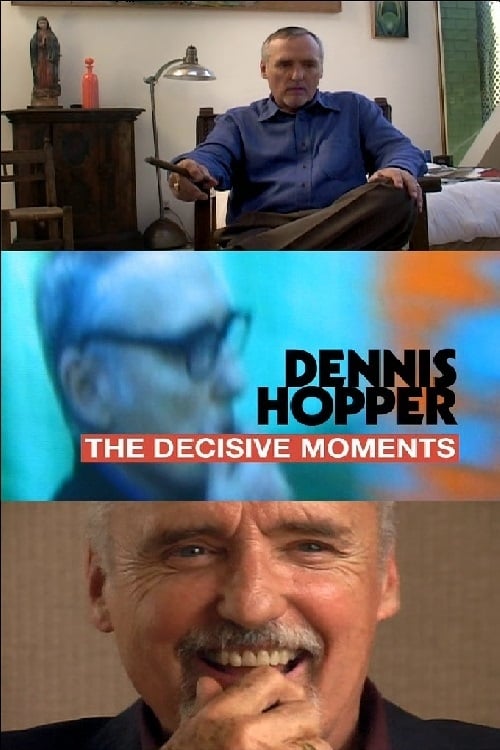
The inevitable fat cigar between his fingers, the American actor, director and fine artist Dennis Hopper (1936) self-mockingly looks back on his chequered life and career, at the request of Dutch director, photographer and fine artist Thom Hoffman. The latter sifted through the turbulent life story of Hopper, who is primarily known from the cult film Easy Rider (1969). Hopper went through as many high as low points. In conveniently arranged chapters, Hoffman shows the decisive moments in Hopper's life and asks colleagues like Wim Wenders, David Lynch, Sean Penn and Julian Schnabel to comment on them. The documentary is richly illustrated with film excerpts, photos, newspaper articles and anecdotes. The main reason for this film was the retrospective of Dennis Hopper's art work in the Amsterdam Stedelijk Museum in 2001.
Dennis Hopper: The Decisive Moments
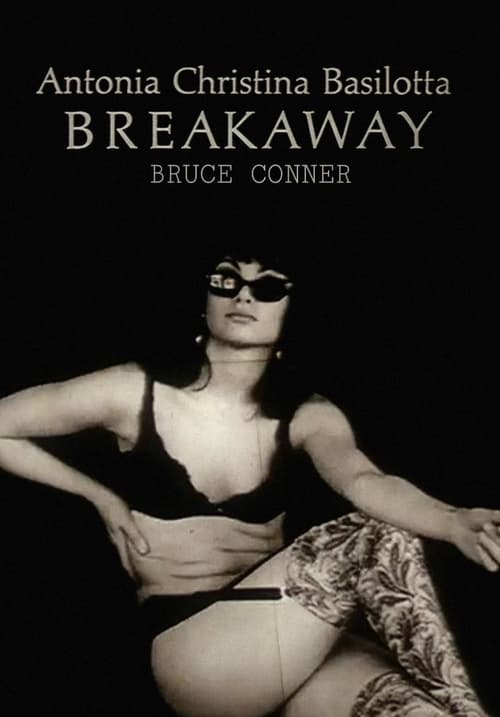
Breakaway plays out like a visual symphony. A prototype for the best (but still, lesser) contemporary formalist music videos, like Peter Care’s “What’s the Frequency, Kenneth?” and “Drive” (both for REM), Conner’s movie is an experiment in the visual language of film. But no matter how powerful a formal analysis of his filmmaking process may be in suggesting how Conner’s rhythms affect us, there is much in Breakaway – in Basilotta’s brash and unbridled self-assertiveness, in Conner’s feverish camera style, and even in the uncomplicated honesty of Cobb’s catchy lyrics and tune – that defies verbalisation… and must simply be loved! -- Senses of Cinema
Breakaway
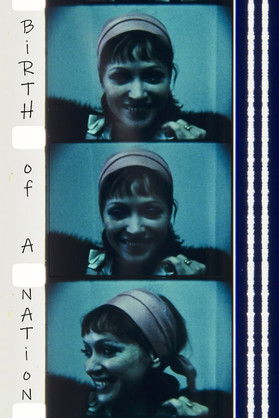
Jonas Mekas assembles 160 portraits, appearances, and fleeting sketches of underground and independent filmmakers captured between 1955 and 1996. Fast-paced and archival in spirit, the film celebrates the avant-garde as its own “nation of cinema,” a vital community existing outside the dominance of commercial film.
Birth of a Nation
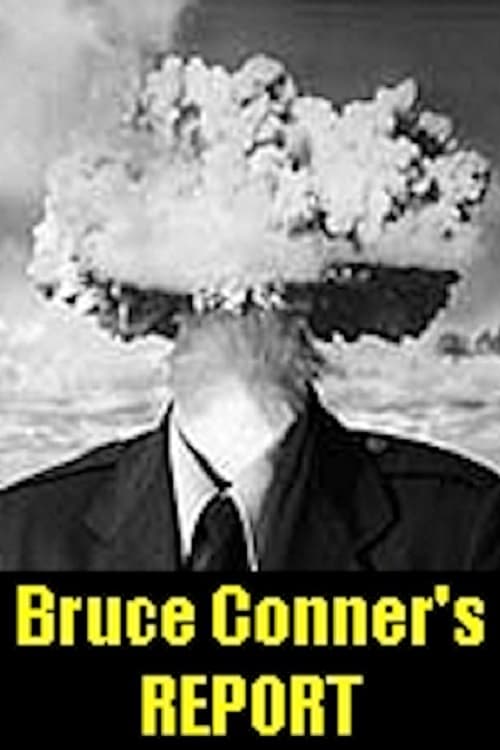
Bruce Conner’s most celebrated film for a reason: it takes historical moments that were replayed over and over on television—chilling repetition of Kennedy assassination coverage—and repurposes them into a meditation on how the media tries to exert authority and apply a sense of order to the anarchic. And though it may sound perverse to say so, the film is also—not incidentally—a thrill to watch. -- The A.V. Club
Report
A rare behind-the-scenes view of the exploding New York “underground” in the late sixities, a turbulent time and place that was to change American culture forever. A German TV crew, led by journalist Gideon Bachmann, explores the epicenter of the sixties revolution in art, music, poetry and film and interviews the main players in the “New American Cinema,” that was born on the streets of New York. Against a backdrop of cultural upheaval in all of the arts and growing political agitation against the Vietnam War, Bachman interviews the most prominent figures in “underground film,” including Jonas Mekas, Shirley Clarke, the Kuchar Brothers and Bruce Connor, and visits the most notorious location in the New York art world of the era - Andy Warhol’s Factory - to conduct an interview with the genius of Pop Art himself.
Underground New York
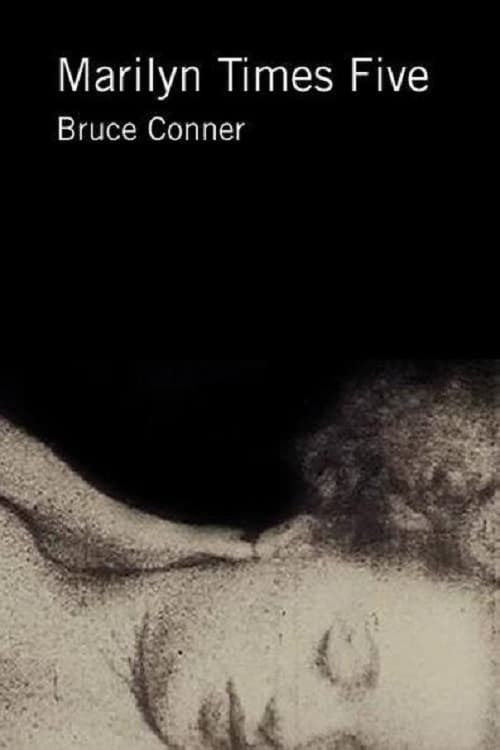
A commentary on the destructive expectations of females in a male dominated society, Marilyn Times Five was made from an old stag film called "The Apple-Knockers, and the Coke"(1948) these sections of the film were set to Marilyn Monroe's song "I'm Through With Love". The film depicts a Marilyn Monroe look-a-like slowly taking her clothes off for the camera (the viewer). The woman's actions are looped several times which gives the audience a sensation of exhaustion. That exhaustion keeps building until the very end where the woman is shown crumpled on the floor in an awkward position, which makes it appear as if she is lifeless.
Marilyn Times Five
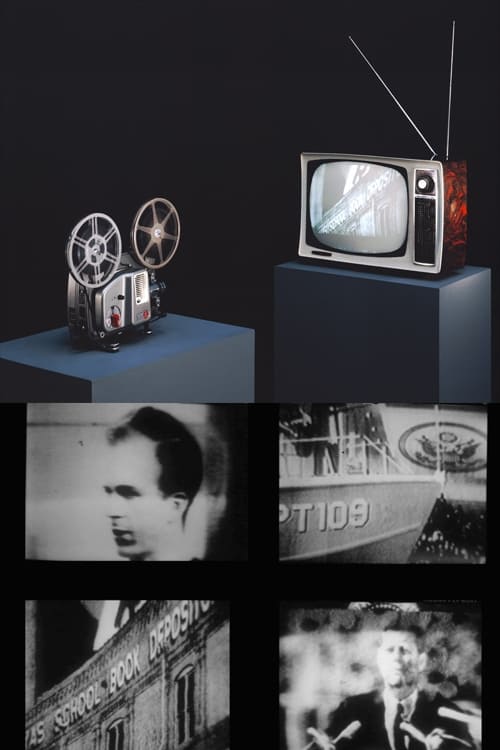
TELEVISION ASSASSINATION is one of two major works that Bruce Conner began in the days immediately following the Kennedy assassination and the artist's own thirtieth birthday, in the fall of 1963. While REPORT utilized montage and a strongly articulated structure to analyze the forces at work in the killing of a President (including our own complicity), TELEVISION ASSASSINATION is a complex, synthesizing work that weaves together fragments from the flux and flow of that history as it was in the process of being constructed and displayed daily to a nation of spectators. A monument to the enduring potency of the Kennedy myth and to the marketers who created it, the installation brings Conner's critique full-circle into the very medium that formalized it. In so doing, the work seems to suggest that the final resting place for the slain President was neither Brookline nor Arlington National Cemetery, but rather in the box, on the tube, held suspended forever on the television screen.
Television Assassination
Bay Area filmmakers and Canyon Cinema co-founders Ben Van Meter and Bruce Conner were invited to L.A. to talk about Underground Film on the Art Linkletter Show.
Me & Bruce & Art
Two Moon July was a multidisciplinary event that featured experimental video, film, visual art, performance and music in a theatrical framework. More than thirty artists participated in the program, which was produced for the Kitchen by Carlota Schoolman and directed by Tom Bowes.
The Kitchen Presents: Two Moon July
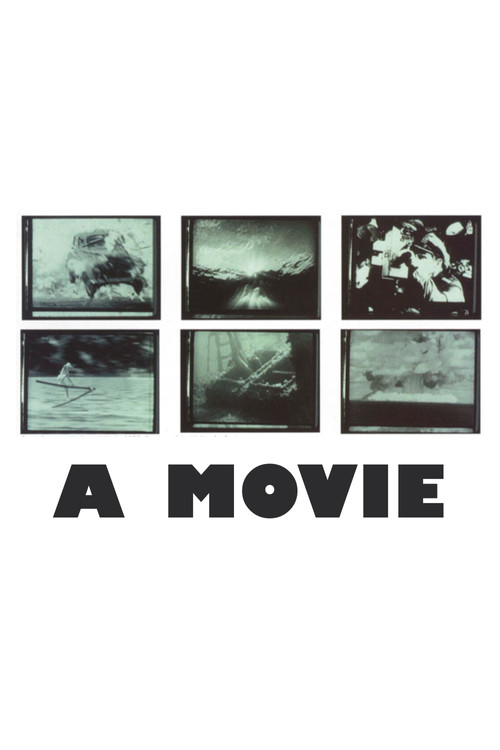
Bruce Conner's landmark experimental film consisting entirely of found footage edited to a new score.
A Movie
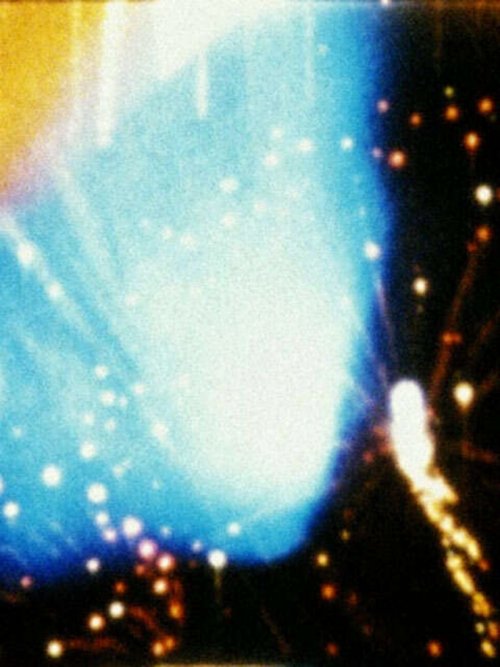
During his year in Mexico, Conner hosted psychedelic guru Timothy Leary, who he had met on an earlier visit to New York. Conner and Leary occupied themselves with mushroom hunts in the Mexican countryside. It’s not clear whether their hunts were successful. But Conner’s staccato home-movies of their walks – combined with movies of previous mushroom hunts in San Francisco – became his film Looking for Mushrooms. The film rushes through the rustic landscape of rural Mexico, flitting past houses and through a crumbling graveyard. Not to be confused with Conner's re-edited 1996 version of Looking for Mushroom.
Looking for Mushrooms
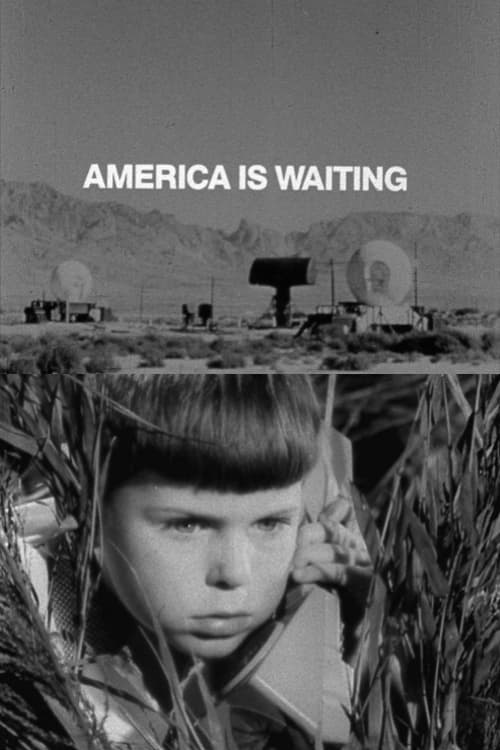
Stock footage edited with music to comment on American culture.
America Is Waiting
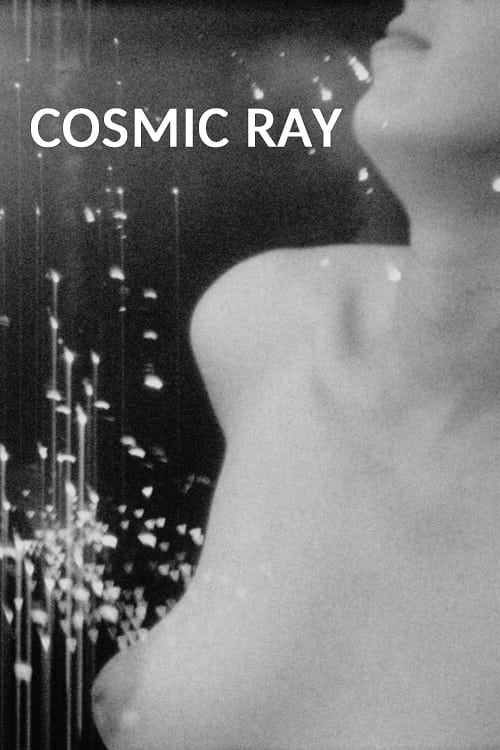
Experimental short uses Ray Charles' “What'd I Say” as accompaniment to constantly shifting collage of female nude, cartoons, and newsreels of atomic bomb explosions.
Cosmic Ray
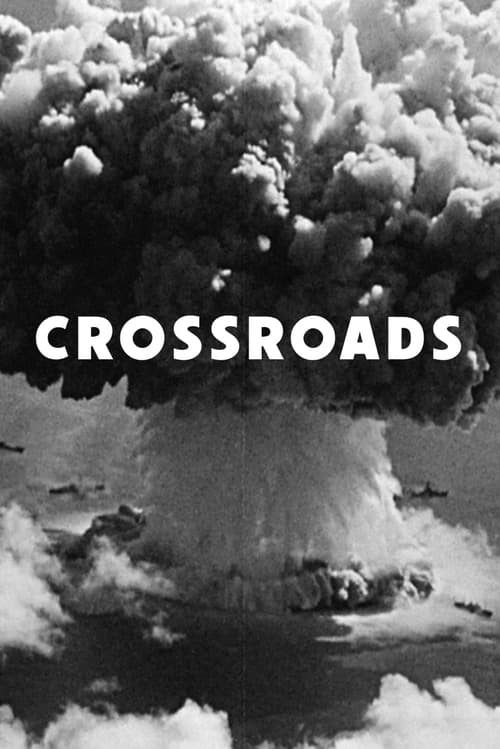
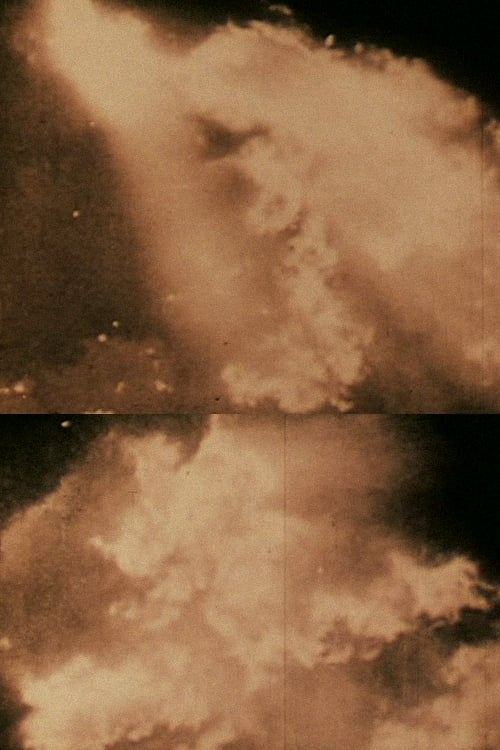
The 1945 atomic-bomb explosion at Bikini Atoll becomes a thing of terrible beauty and haunting visual poetry when shown in extreme slow motion, shown from 27 different angles, and accompanied by avant-garde Western classical music composed for electric organ by Terry Riley. Preserved by the Academy Film Archive in partnership with Pacific Film Archive in 1995.
Crossroads
In his first collaboration with David Byrne and Brian Eno, Conner used footage from educational films to create a rhythmically austere image-track for music from their pioneering “sampling” album “My Life in the Bush of Ghosts” (1981).
Mea Culpa
Departing from an inimitable film repertoire of tour-de-force editing technique, visual comedy, and apocalyptic themes, avant-garde master Bruce Conner envisioned EASTER MORNING (2008)—a metaphysical quest for renewal beyond the natural and ephemeral worlds—to be his last finished masterpiece.
Easter Morning
A short film documenting the making of Bruce Conner's Breakaway.
Pas de Trois
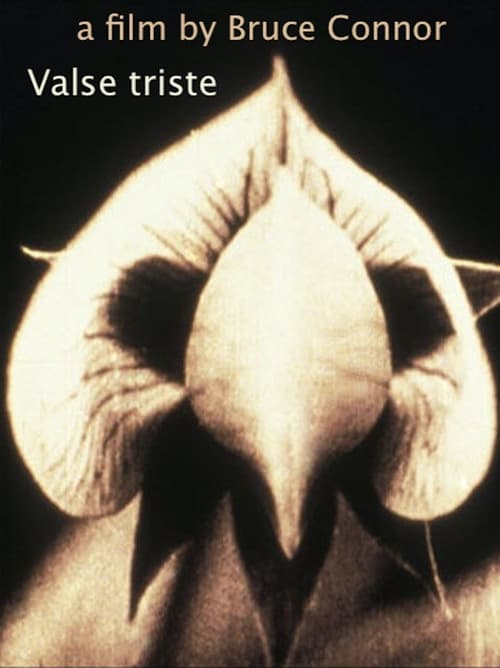
With a similar dreamy mood like its predecessor "Take the 5:10 to Dreamland" (1976) this clip starts with a boy getting into his bed. The camera zooms in into the boy's mind and a slow, sad waltz (i.e."Valse Triste") accompanies images of a locomotive, a miner, the globe, the sky, a sheep heard, etc. Disparate elements, but if one concentrates only at the movement of the figures, one can perceive a commotion, slowly livening up: The starting wheels of the heavy locomotive, the tired miner pushing the heavy cart of coal bricks, the globe smoothly turning around and around, the clouds imperceptibly floating in the sky, the sheep idly moving in the herd, etc. We reach the first climax when a mannequin opens her coat like a flower. The second big crescendo spurts out from a "water hose", after watching schoolgirls doing gymnastics for quite a while. A sad, but nostalgic aftertaste lingers in the end when funeral cars drive away through a flooded area…
Valse Triste
Its slow somnambulic rhythm, its animalistic jungle sounds as well as the eerily mixed images create a dream mood that comes closest to my actual dreaming-feeling. The long black phases between the sequences are as important as the images themselves because they leave empty space where the "echo" of the last image can seep through without interfering with the following image. But our logical mind still somehow feels compelled to construe some kind of sense, parallel, or some erratic story out of it.
Take the 5:10 to Dreamland
A short film created during the production of Cool Hand Luke.